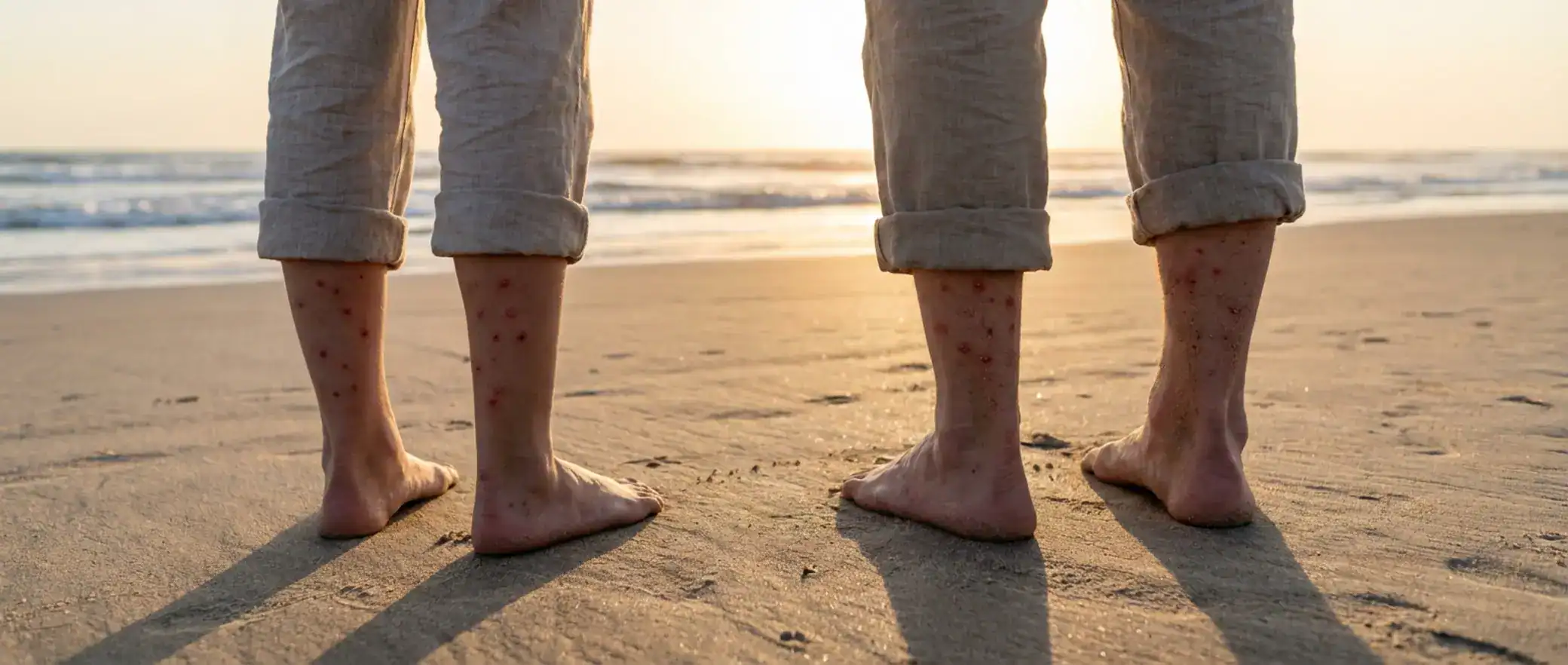
Imagine finding a single tiny speck of what looks like black pepper on your dog’s bedding. It seems harmless until you realize that just ten adult fleas can explode into a population of over 250,000 in only 30 days. This rapid multiplication is why mastering the flea life cycle is the only way to save your home from a total takeover. You aren’t just fighting a few itchy bugs. You are fighting an environmental biomass that hides in your carpet fibers and floor cracks.
How do you break the flea life cycle?
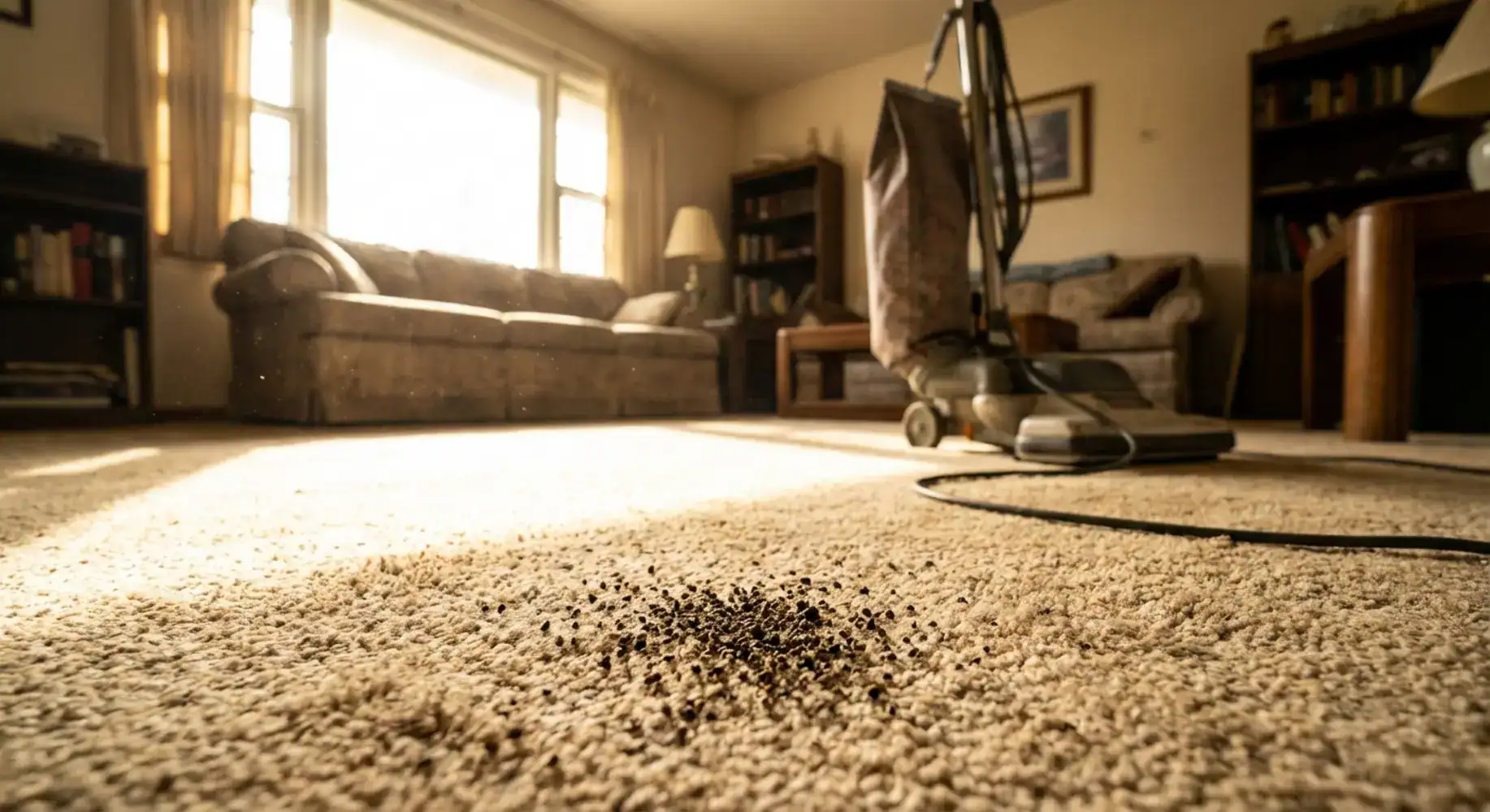
To break the flea life cycle, you must target the 95 percent of the population living in your home environment. Vacuuming daily is essential because it physically removes eggs and larvae while using vibration to force resilient pupae to hatch. This process exposes them to treatments and prevents the next generation from emerging.
Understanding the Flea Life Cycle and Its Environmental Impact
Most pet owners make a major mistake when they first spot a flea. They focus entirely on the pet. While treating your cat or dog is a necessary step, the adults you see on your pet represent only 5 percent of the total infestation. The other 95 percent consists of eggs, larvae, and pupae scattered throughout your home. To win this war, you have to think like an exterminator.
The flea life cycle is a four stage process: egg, larva, pupa, and adult. Each stage has unique survival mechanisms that make them difficult to kill with chemicals alone. Specifically, the middle stages are designed to hide deep within carpets and upholstery. Because of this, mechanical flea control – specifically daily vacuuming – is the most effective way to reduce the biomass in your living space.
The Hidden Menace of the Flea Life Cycle Egg Stage
The journey begins when an adult female flea takes a blood meal from your pet. Within 24 to 48 hours, she starts laying eggs. A single female can lay up to 50 eggs a day. These eggs are small, white, and oval, about the size of a grain of salt. Unlike the eggs of other parasites, flea eggs are not sticky.
Think of your pet as a moving salt shaker. As your dog or cat walks through the house, the eggs fall off. They settle into the base of your carpet, the gaps in your hardwood floors, and the cushions of your sofa. Flea egg development happens quickly, usually hatching within one to ten days depending on the temperature and humidity in your home. This is the first reason for daily vacuuming. If you wait three days to clean, half of those eggs have already hatched into mobile larvae.
Navigating the Flea Larvae Lifecycle
When the eggs hatch, the flea larvae emerge. These are blind, maggot-like creatures that are highly sensitive to light. They immediately crawl away from open areas and tunnel deep into the dark recesses of your home. You will rarely see them on the surface of your rug.
Actually, their diet is quite specific. They feed on “flea dirt,” which is actually the dried blood feces left behind by adult fleas. By vacuuming every day, you are not just sucking up the larvae themselves. You are removing their primary food source. Without this “buffet” of flea dirt, the larvae starve. This stage lasts about five to twenty days. During this time, they are vulnerable to the physical trauma of a vacuum’s brush bar, which can kill them instantly.
Breaking the Flea Life Cycle via Mechanical Control
The most difficult stage to manage is the pupa. After the larva finishes growing, it weaves a sticky, silk-like cocoon. This is known as the pupal window. This cocoon is essentially nature’s bunker. It is covered in floor debris, making it invisible to the naked eye and resistant to most household chemicals.
Here is the thing about pupae: they can remain dormant for up to nine months. They wait for a signal that a host is nearby. These signals include body heat, carbon dioxide, and, most importantly, vibration. This is where the importance of vacuuming for fleas becomes a strategic advantage. Your vacuum acts as a “flea alarm clock.” The vibrations from the machine trick the pupae into thinking a host is walking by. They hatch, emerge as adults, and are immediately sucked into the vacuum or exposed to the pesticides you have applied to the floor.
How Long Do Fleas Live and Reproduce
Once the adult flea emerges from the cocoon, it must find a host within hours to survive. If they find a pet, they can live for two to three months. During this time, they spend their entire lives on the animal, biting and breeding. If you only treat the pet and ignore the floor, new adults will continue to hatch from the carpet every single day.
Effective pest management requires you to understand that adult fleas are just the tip of the iceberg. If you see five fleas on your cat, there are likely 95 other fleas in various stages of development hiding in your floorboards. To stop flea reproduction, you must combine pet medication with aggressive environmental cleaning.
Vacuuming for Flea Control and Elimination
Vacuuming is not just about keeping a tidy house. When you have an infestation, it becomes a medical necessity. Mechanical flea control is one of the few methods that works against all four stages of the flea life cycle. It is cheap, non-toxic, and highly effective if done with the right frequency.
Studies from Ohio State University have shown that vacuuming kills 96 percent of adult fleas and 100 percent of younger fleas that are sucked into the machine. The physical force and the drop in humidity inside the vacuum bag cause the fleas to dry out and die. However, you cannot just do it once and expect results. You must stay consistent to match the speed of the flea breeding cycle.
Why Daily Vacuuming is Essential for Success
If you skip a day of cleaning, you allow a window for new eggs to hatch and larvae to move deeper into the carpet. Effective vacuuming for flea removal requires a daily commitment for at least 14 to 21 days. This timeframe covers the typical duration of the most active stages of the life stages of fleas.
Imagine you vacuum on Monday and kill all the larvae. If you wait until Friday to vacuum again, the eggs laid on Tuesday have already hatched and moved into the “bunker” pupa stage where they are harder to kill. Daily action ensures you catch the “vampire babies” before they have a chance to spin their cocoons. It is the only way to stay ahead of the math.
The Science of Vacuuming Technique
To get the most out of your efforts, you need to use the right flea removal techniques. It isn’t enough to just push the vacuum over the middle of the room. You have to focus on the “hot zones” where your pets spend their time.
- Pay special attention to the areas under furniture and along baseboards.
- Use the “crack and crevice” tool to reach into the gaps where larvae hide.
- Vacuum upholstery and remove the cushions to reach the seams.
- Go over high-traffic areas at least twice to ensure the brush bar agitates the fibers.
This agitation is what triggers the pupae to hatch. You want to wake them up. You want them to think a meal is coming so they leave their protective cocoons and enter the danger zone of your cleaning routine.
Common Misconceptions About Flea Control
There are many common misconceptions about flea control that lead to failed attempts at eradication. Many people believe that a single “flea bomb” or fogger will solve the problem. In reality, these chemicals often fail to penetrate deep into the carpet pile where the larvae and pupae live.
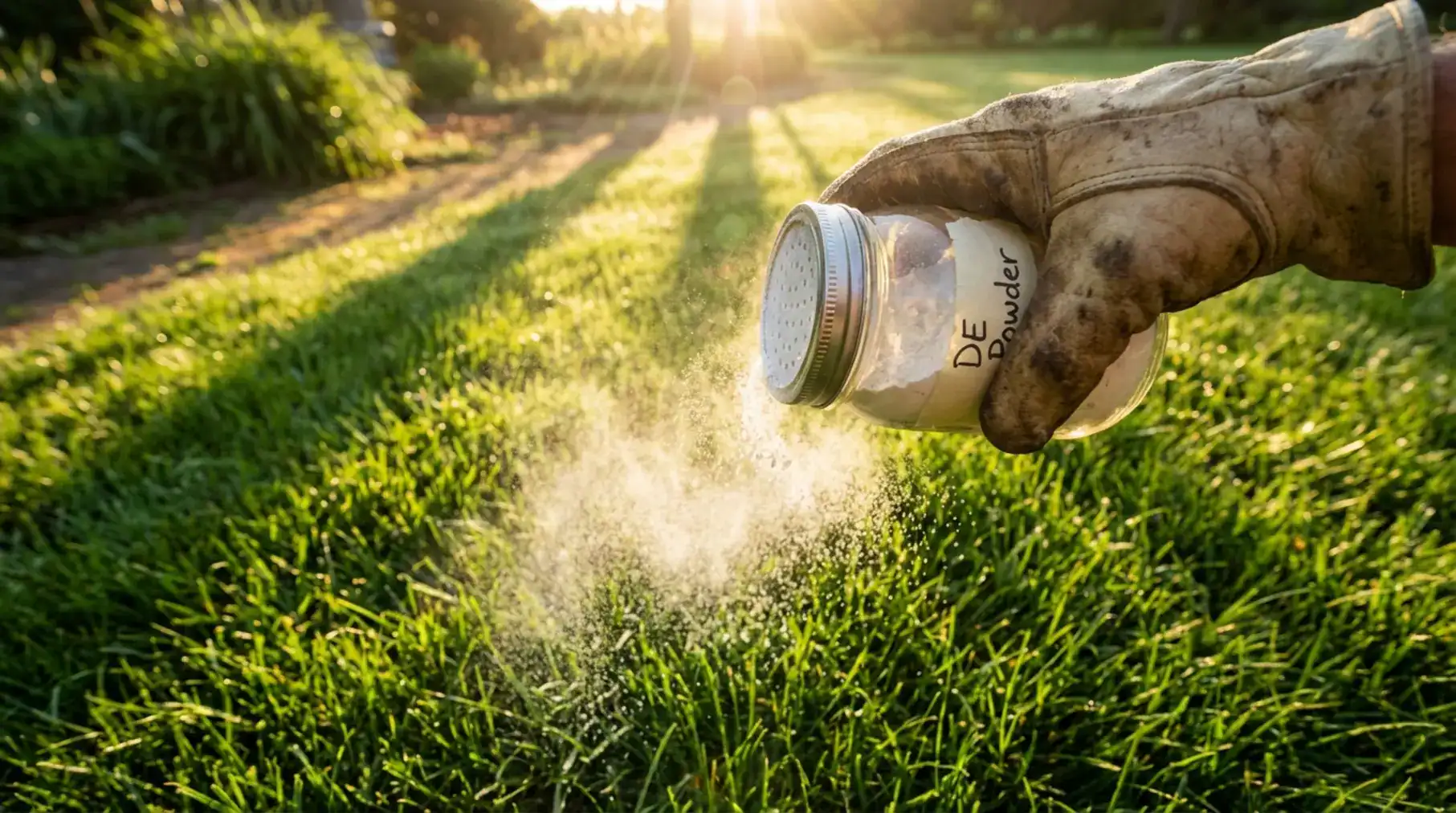
Another myth is that “natural” DIY methods for flea prevention, like spreading salt or baking soda, are better than vacuuming. While salt can dry out some larvae, it can also damage your vacuum motor and does nothing to trigger the pupal stage to hatch. Stick to the mechanical power of suction and agitation.
Effective Home Cleaning Strategies for Flea Removal
Winning the battle requires a structured plan. You cannot be haphazard about your approach. This 14-day cleaning schedule is designed to maximize the disruption of the flea lifecycle phases.
| Day | Action Item | Focus Area |
| Day 1 | Deep Clean & Medicate | Apply pet treatments and perform a 100% home vacuum. |
| Days 2-7 | Active Disruption | Daily vacuuming of all carpeted areas and pet bedding. |
| Day 8 | Linen Wash | Wash all pet and human bedding in water above 140°F. |
| Days 9-14 | The Final Push | Continue daily vacuuming to catch the late-hatching pupae. |
During this protocol, you must manage your vacuum equipment properly. If you use a bagless vacuum, empty the canister into a trash bag outside your home immediately after every session. If you leave the canister sitting in your living room, the surviving fleas can crawl back out. Wash the canister with hot, soapy water once a week to remove any sticky eggs that might be clinging to the plastic.
Choosing the Best Vacuum for Fleas
While any vacuum is better than none, some are better suited for flea infestation management. An upright vacuum with a motorized brush bar is superior to a suction-only canister vacuum for carpets. The brush bar beats the carpet fibers, providing the vibration needed to hatch pupae.
If you use a robot vacuum, be aware of its limitations. While they are great for maintenance, most lack the suction power (Pascal rating) to pull larvae from deep within a thick rug. Use a high-powered manual vacuum for the first two weeks of an active infestation. Later, you can transition back to a robot vacuum for long-term flea treatment and prevention.
The Critical Role of Regular Cleaning in Pest Management
We must look at environmental considerations in flea control. Fleas thrive in humid, warm environments. If your home is between 70 and 85 degrees Fahrenheit with high humidity, you are living in a flea paradise. Beyond vacuuming, using a dehumidifier can help make your home less hospitable to the flea larvae lifecycle.
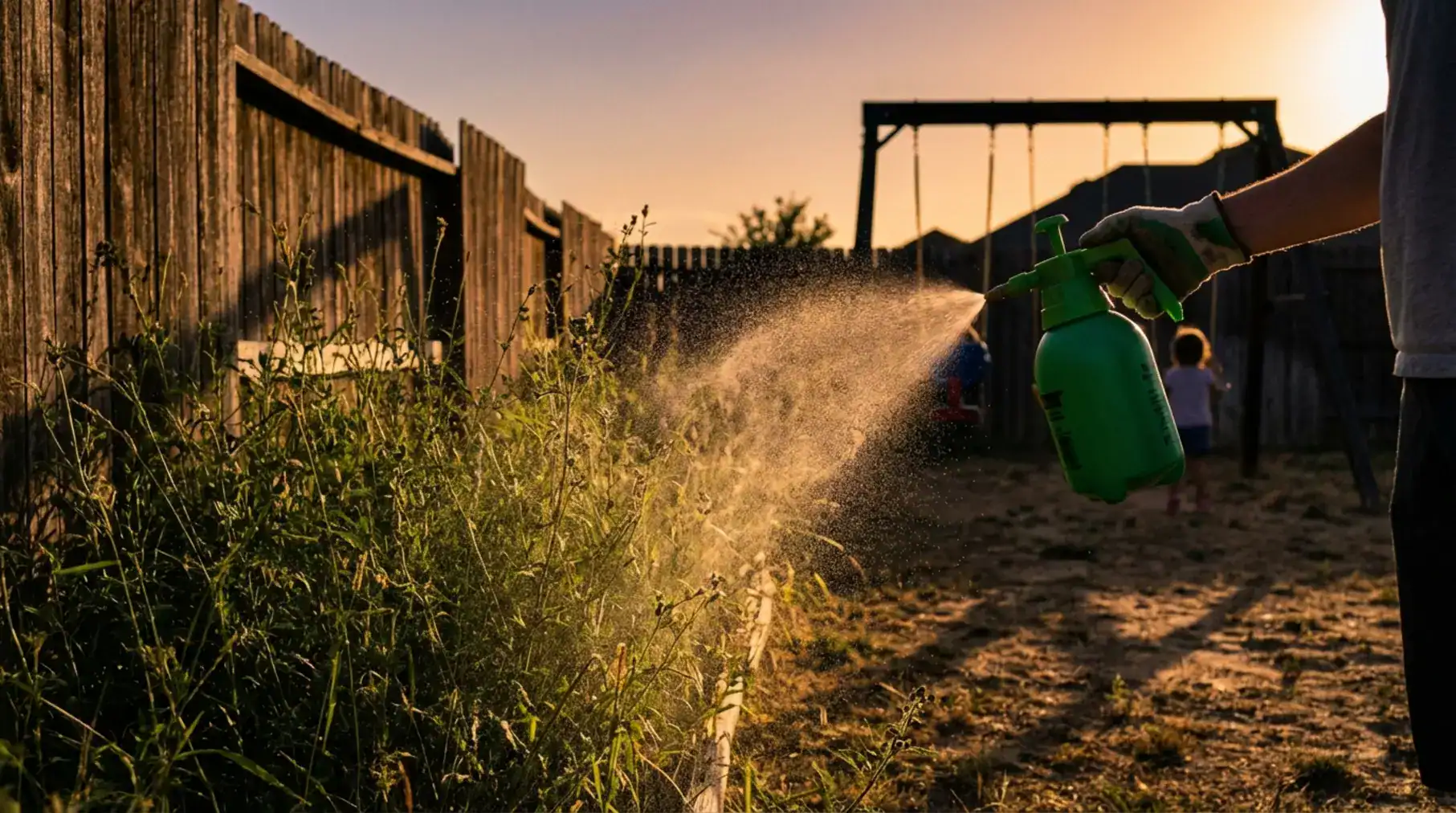
Regular cleaning also involves managing the areas outside your home. If your pet goes in the yard, they are likely picking up new fleas every day. Keep your grass mown short to allow sunlight to reach the soil, which kills larvae. Vacuuming the entryways of your home is a vital part of flea removal techniques because it stops the “hitchhikers” at the door.
Long-Term Solutions for a Flea-Free Home
Once you have cleared the initial infestation, don’t stop your vigilance. Long-term solutions for a flea-free home involve a monthly pet preventive and weekly deep vacuuming. If you live in a warm climate, fleas can remain active year-round.
Understanding the scientific insights into flea behavior and reproduction allows you to stay one step ahead. Remember that the “pupal window” can last for months. If you move into a new home that has been vacant, you might experience a sudden “flea explosion” as your footsteps trigger thousands of dormant pupae to hatch at once. Keep your vacuum ready for these scenarios.
Common Questions About Flea Life Cycle: Why You Have to Vacuum Daily
What is the lifespan of a flea?
The flea lifespan varies greatly depending on the environment. An adult flea usually lives for two to three months on a host, but the entire flea life cycle can take anywhere from two weeks to eight months. If a pupa remains dormant, it can survive without a host for nearly a year in some conditions.
Can vacuuming alone eliminate fleas?
Vacuuming is powerful, but it is rarely enough to eliminate an infestation on its own. It should be used as part of an Integrated Pest Management strategy that includes treating your pets with a veterinarian-approved preventive. Vacuuming removes the environmental biomass, while medication kills the fleas currently biting your pet.
How often should I vacuum to control fleas?
During an active flea infestation, you must vacuum every single day. Once the population is under control, you can move to a twice-weekly schedule. Consistency is more important than the duration of each session; even a quick pass over high-traffic areas every day is better than one long session once a week.
Can fleas survive in vacuum bags?
Yes, some fleas and larvae can survive the initial trip into the vacuum. Because of this, you must dispose of the bag or empty the canister immediately. Always do this outside your home and seal the trash bag tightly to prevent any survivors from escaping back into your yard or home.
Why do I still see fleas after treating my dog?
You are likely witnessing the “pupal emergence” phenomenon. The medication on your dog is working, but it doesn’t stop pupae in the carpet from hatching. These new adults will jump on your pet, bite, and then die from the medication. It can take several weeks of vacuuming to empty the “reservoir” of pupae in your flooring.
Does mopping kill flea eggs?
Mopping can help remove eggs from hard surfaces like tile or wood, but it is not effective for carpets. Furthermore, excessive moisture can actually increase the humidity that larvae need to thrive. Vacuuming is generally the superior method for mechanical flea control in most home environments.
References & Expert Sources
- Centers for Disease Control and Prevention: Fleas
- University of Kentucky Entomology: Flea Control and Prevention
- Main life‑cycle explanation (fleas on pets, environment, and timing)
- North Carolina State University Veterinary Parasitology
- Ohio State University study: vacuuming kills fleas
- Journal of Medical Entomology
- Mark Veterinary Manual (Fleas of Dogs and Cats)
- EPA: Controlling Fleas Around Your Home
- USDA Animal and Plant Health Inspection Service
- Cornell University College of Veterinary Medicine (Feline Fleas)
Final Thoughts
The flea life cycle is an impressive feat of biological engineering, but it is not invincible. By shifting your focus from the pet to the carpet, you take control of the environment where the majority of the pests live. Vacuuming for flea control is your most powerful tool in this fight because it targets the eggs, starves the larvae, and tricks the pupae.
While the process of daily cleaning is exhausting, it is a temporary necessity to ensure a long-term, flea-free home. Don’t let the “iceberg” of hidden fleas discourage you. Stay consistent with your pest management routine, keep your pets on their preventives, and maintain your daily vacuuming protocol. Are you ready to take back your home from these pests? Start your vacuum today and break the flea life cycle for good.