Your dog licks their paws after a quick walk across a freshly treated lawn. Within a few hours, a routine afternoon turns into a frantic rush to the veterinary emergency room. In 2025, the ASPCA handled over 376,000 toxic exposures, with a rising percentage linked directly to misread chemical labels. Finding truly pet safe pesticides requires more than simply glancing at a green leaf icon on the front of a plastic bottle. You must decode the legal warnings hiding on the back.
What are pet safe pesticides?
Pet safe pesticides are pest control products formulated with low-toxicity active and inert ingredients that pose minimal risk to dogs, cats, and other animals when used exactly as directed. Identifying them requires reading the EPA label for specific signal words, species restrictions, and mandatory re-entry intervals.
The Impact of Pesticides on Pet Health and Ecosystems
Recent innovations in pet-safe pest control products and practices are driven by a surge in veterinary emergencies and environmental damage linked to traditional chemicals. The global pet insecticide market reached a $793 million valuation in 2025, indicating a massive shift in consumer demand toward safety.
However, this rapid growth brings hidden dangers. Concerns about traditional pesticide toxicity to pets now extend beyond the household into local ecosystems. In April 2026, a landmark UK study revealed that neurotoxic pesticides like permethrin and chlorpyrifos were contaminating local songbird populations. Birds absorbed these toxins through discarded pet hair and environmental runoff.
Consequently, regulatory bodies are taking strict action. By spring 2026, the EPA significantly expanded its “Bulletins Live! Two” (BLT) directives. Products now require applicators to verify online databases for runoff mitigations to protect wildlife. Eco-friendly pest control solutions that ensure pet safety must account for these environmental variables. You protect your dog or cat, but you also protect the delicate insects and soil bacteria that sustain your garden.
Understanding Pesticide Labeling and Safety Indications
Understanding pesticide labeling and safety indications serves as your first line of defense against accidental household poisonings. A pesticide label is defined as a legally binding document detailing exactly how a chemical interacts with living organisms, not a mere manufacturer suggestion.
According to the EPA, the label is the law. To support consumer education, the EPA launched the “MyPest” digital tracking portal in January 2026 and rolled out mandatory bilingual labels. These changes make identifying non-toxic pest management options easier, provided you know exactly where to look.
Cracking the Code on Signal Words
A signal word is defined as a legally mandated term indicating the acute toxicity level of a chemical formulation. Think of a signal word like a traffic light for toxicity.
- CAUTION: This indicates Category III or IV toxicity. It represents the lowest risk level, though products still mandate keeping pets away during application.
- WARNING: This indicates Category II toxicity. These chemicals pose moderate risks and can cause severe illness if ingested.
- DANGER: This indicates Category I toxicity. A tiny drop of these products can be lethal or cause irreversible eye and skin damage to animals.
Active vs. Inert Ingredients: The Hidden Threat
Inert ingredients are defined as the carrier fluids, solvents, and preservatives that deliver the active poison in a spray or bait. Many consumers assume “inert” means harmless. Actually, inert components can make up 90% of a formula and frequently cause severe skin or respiratory irritation for pets.
If your dog develops a rash after walking on treated grass, the active weed-killing agent might not be the culprit. The toxic solvent carrying it is often to blame. Always request a Material Safety Data Sheet (MSDS) from the manufacturer if the label lacks transparency.
The Minimum Risk Exemption Loophole
The EPA 25(b) minimum risk exemption allows certain products containing ingredients like clove oil or cedarwood oil to bypass standard federal registration. These products do not require an EPA registration number or a signal word. While they offer excellent pet-friendly pest control options, the lack of regulation means owners must personally verify their safety profiles.
What Ingredients Should I Avoid in Pesticides for Pet Safety?
What ingredients should I avoid in pesticides for pet safety? You must avoid synthetic pyrethroids, organophosphates, and certain undiluted essential oils that trigger neurological or gastrointestinal crises in animals.
Selecting safe insecticides for animals requires checking the exact chemical name against veterinary toxicology databases rather than trusting vague marketing terms. Cats lack specific liver enzymes needed to process many common household chemicals, making them far more vulnerable than dogs.
| Ingredient | Pet Toxicity Level | Critical Safety Notes |
|---|---|---|
| Permethrin | Extreme (Cats) | Derived from chrysanthemums. This is a lethal neurotoxin for felines frequently marketed as a natural remedy. |
| Metaldehyde | High (Dogs) | Commonly found in slug bait. It causes fatal “shake and bake” seizures if ingested. |
| Isoxazolines | Moderate | Found in oral flea pills. They persist in the environment and harm beneficial dung beetles. |
| Neem Oil (Azadirachtin) | Low | Generally safe for dogs and cats when diluted, but highly toxic to aquatic life like koi fish. |
| Bacillus thuringiensis (Bt) | Very Low | A naturally occurring soil bacteria lethal to caterpillars but entirely non-toxic to mammals. |
| Iron (HEDTA) | Low | A common ingredient in pet-safe gardening solutions. It is safe once the treated area fully dries. |
Are Organic Pesticides Safe for Pets?
Organic pest control products are not automatically safe for animals, as many naturally occurring botanical compounds are highly toxic to specific species. The phrase “plant-based” does not override basic biology.
A prime example is permethrin. Because it originates from chrysanthemum flowers, companies routinely include it in chemical-free pesticides. However, it attacks a cat’s central nervous system. Real-life examples of pest control harms to pets often feature well-meaning owners spraying “natural” mosquito repellents containing cottonseed oil or tea tree oil, only to induce tremors in their felines.
Natural pest control for pets must be vetted just as rigorously as synthetic chemicals. Safe pest deterrents for pets exist, but they rely on precise dilutions and species-specific formulations.
How Long Should Pets Stay Away After Pesticide Application?
How long should pets stay away after pesticide application? The waiting period spans from two hours to 48 hours depending on the chemical volatility, weather conditions, and exact formulation type.
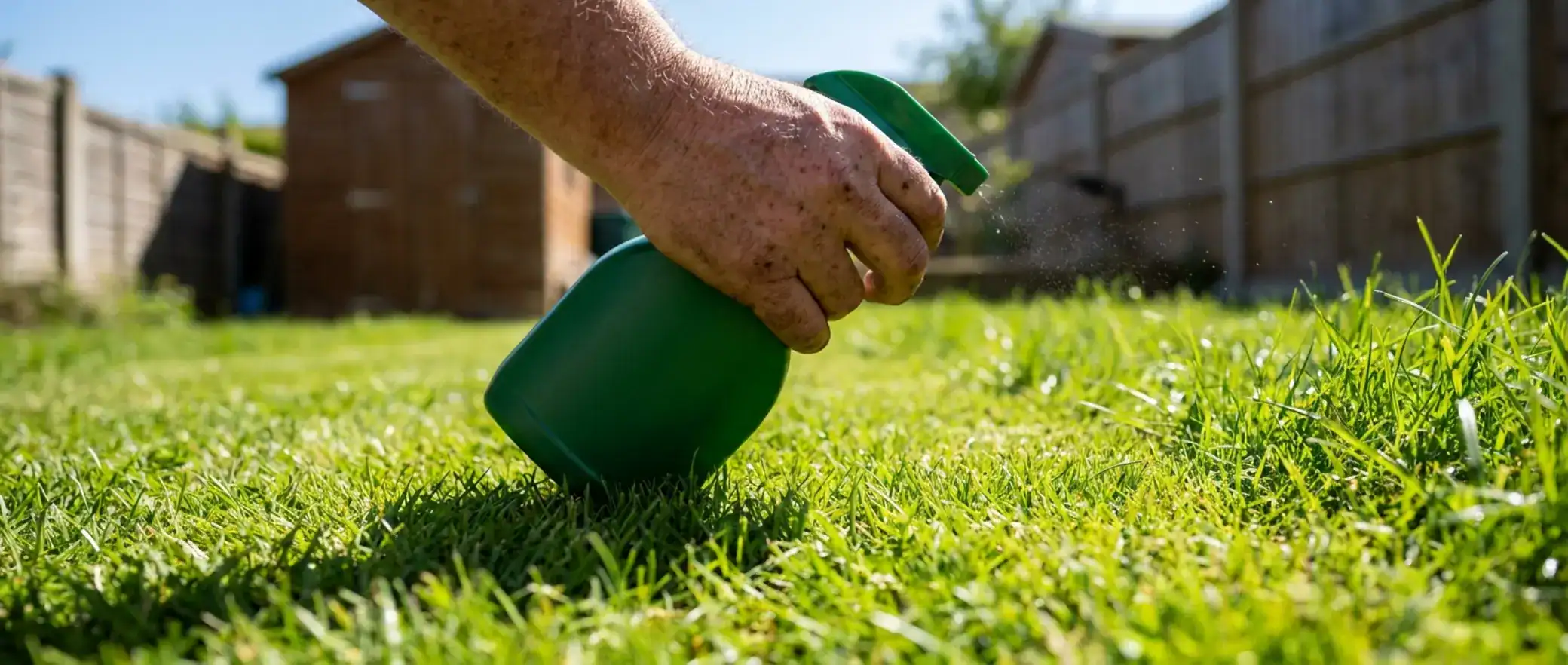
Many manufacturers boldly claim a yard is safe the moment the liquid dries. Vet techs strongly disagree. The “safe once dry” rule is a dangerous myth. Morning dew easily reactivates toxic residues on grass blades. A granular herbicide can sit dormant on the soil surface until heavy rain waters it in.
If you apply a liquid broadleaf weed killer, keep dogs off the lawn for at least 48 hours. If you use botanical pet-safe insect repellents indoors, ventilate the room for a minimum of two to four hours before allowing cats to return. Wash all pet bedding immediately if it sustains accidental drift from an aerosol spray.
Cost-Effective and Homemade Pet Safe Pest Control Options
Cost-effective and homemade pest control options offer excellent protection without the risks associated with broad-spectrum synthetic poisons. Non-toxic pesticides for pets focus heavily on mechanical exclusion, biological interventions, and targeted household ingredients.
Alternatives to traditional pesticides work by disrupting insect biology rather than carpet-bombing an area with chemicals.
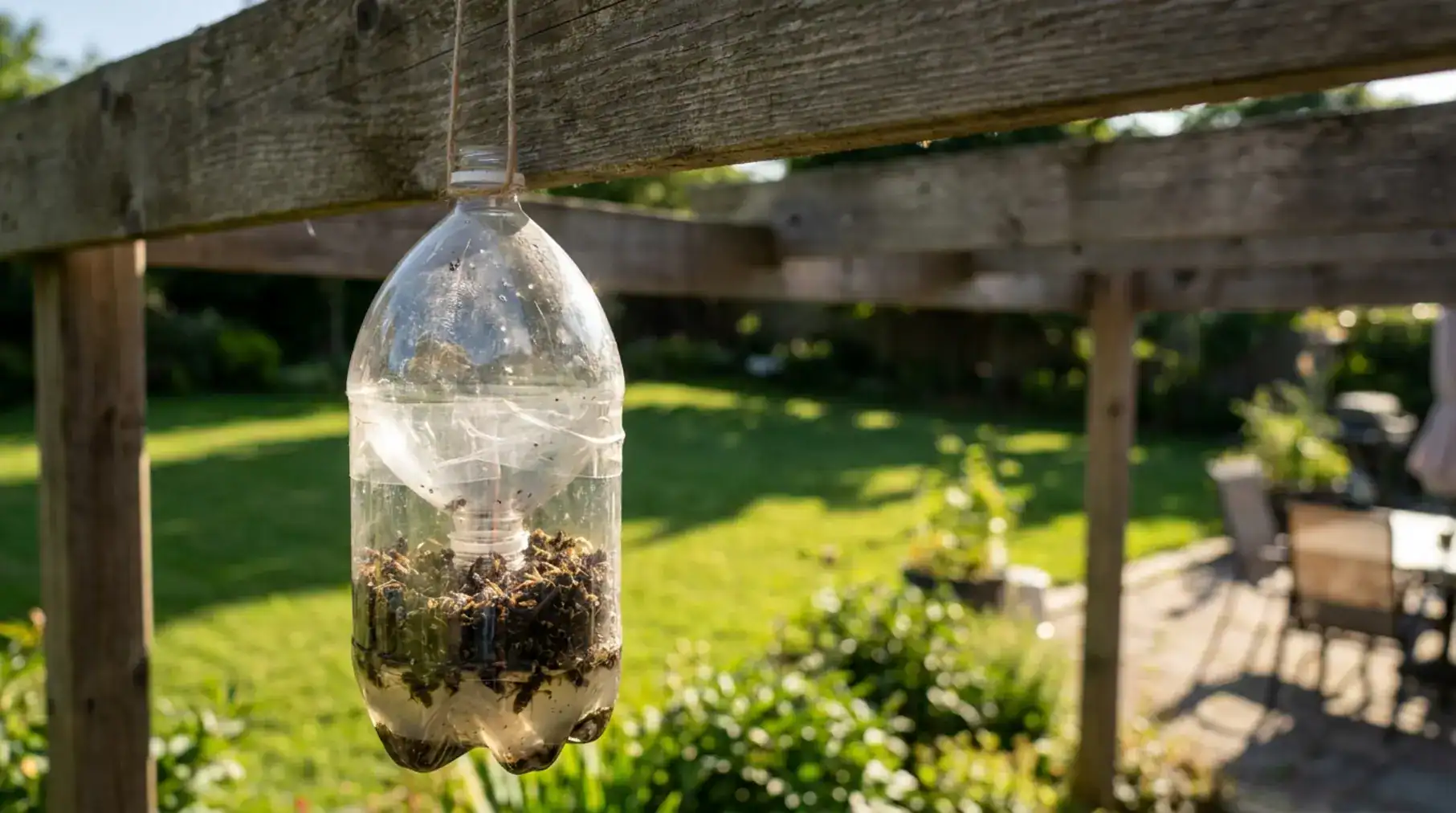
- Install physical barriers and sealed bait stations. Traps and silicone sealants are the ultimate pet-safe rodenticides because they physically separate the animal from the hazard.
- Apply food-grade diatomaceous earth. This silica powder destroys insect exoskeletons. Ensure you buy the food-grade version, not the pool-grade variant, and apply it lightly to prevent respiratory irritation.
- Utilize targeted vinegar solutions. A mixture of white vinegar, salt, and dish soap acts as an excellent pet-friendly pest repellent for driveway weeds.
- Deploy beneficial nematodes. These microscopic organisms hunt grubs and fleas in the soil without posing any threat to mammals.
Homemade pet safe pest control requires patience. Natural remedies break down faster in sunlight and rain, meaning you must reapply them more frequently than synthetic alternatives.
Education on Safe Storage and Disposal of Pesticides
Education on safe storage and disposal of pesticides prevents accidental ingestion and devastating environmental contamination inside the home. How you handle a chemical after you finish spraying is just as critical as the application itself.
Store all treatments in their original, clearly labeled containers. Transferring a liquid pesticide into a generic spray bottle is illegal and incredibly dangerous. Place these containers on high shelves inside locked cabinets, entirely separated from pet food and water bowls.
When disposing of empty bottles, never rinse them out into a storm drain. Runoff easily contaminates local watersheds. Instead, wrap the empty container in newspaper and place it in your regular trash, or follow your municipality’s hazardous waste protocols.
What Are the Signs of Pesticide Poisoning in Pets?
The signs of pesticide poisoning in pets include excessive drooling, severe muscle tremors, uncontrollable vomiting, and a sudden loss of coordination. These symptoms require immediate, emergency veterinary intervention.
Pesticides and animal safety rarely mix well when accidents happen. If a dog consumes granular fertilizer or a cat walks across wet floor spray, the toxin enters their bloodstream rapidly.
Immediately remove your animal from the contaminated area. If the chemical is on their skin, bathe them gently with mild dish soap to halt absorption. Have the exact pesticide label in your hand and call the ASPCA Animal Poison Control Center immediately at 888-426-4435.
Effective pest control strategies that prioritize a pet-friendly environment always include a contingency plan. Keep your veterinarian’s emergency number programmed into your phone.
Common Questions About Pet-Safe Pest Control: Reading the Label
How do I know if a pesticide is pet safe?
You know a pesticide is pet safe by checking the EPA registration number, identifying a “CAUTION” signal word or a 25(b) minimum risk exemption, and verifying there are no specific species warnings. Always cross-reference the active ingredients with veterinary databases to ensure the formula aligns with your specific type of pet.
What pest control methods are safe for dogs?
Mechanical exclusion, sealed bait stations, and biological controls like beneficial nematodes are completely safe for dogs. When chemical intervention is necessary, opt for products utilizing iron (HEDTA) for weeds or diluted cedarwood oil for insects, ensuring you follow proper drying times. Safe pest control for households with pets relies heavily on these integrated pest management techniques.
Which common pests can be controlled without harming pets?
Ants, fleas, ticks, mosquitoes, and broadleaf weeds can all be controlled without harming pets. You can eliminate ants using enclosed boric acid stations, manage yard fleas with diatomaceous earth, and suppress weeds with targeted vinegar sprays.
Can I use neem oil around pets?
Yes, you can use neem oil around pets if it is properly diluted according to the manufacturer’s instructions. It is a highly effective botanical repellent for garden pests. However, keep it away from aquatic pets, as it is highly toxic to fish and amphibians.
Are organic pesticides safe for pets?
No, organic pesticides are not universally safe for pets. Natural substances like permethrin (from chrysanthemums) are lethal to cats, while certain essential oils can cause severe liver damage. You must evaluate organic products with the exact same scrutiny you apply to synthetic chemicals.
What pesticides are safe for pets?
Products utilizing Bacillus thuringiensis (Bt), food-grade diatomaceous earth, and specific EPA-approved minimum risk ingredients are generally safe for pets. Always look for labels specifically stating the product is approved for use around cats and dogs.
How can I make my own pet-safe pest control?
You can make homemade bug repellents by diluting pet-safe essential oils like peppermint or cedarwood in water, or by mixing equal parts white vinegar and water for weed management. Tips for maintaining a pest-free home without risking pet health always prioritize these simple, mechanical, or easily identifiable household mixtures.
References and Expert Sources
- EPA Pesticide Labeling Framework and Signal Word Guidelines
- ASPCA Animal Poison Control Center Data
- National Pesticide Information Center: Pets and Pesticides
- Health Canada Pest Management Regulatory Agency
- BetterPet Guide to Natural Pest Management
- American Veterinary Medical Association: Household Hazards
- Barefoot Organics Sustainable Yard Care Trends
- Pest Pointers Analysis of Essential Oil Toxicity
- The Guardian: Environmental Impacts of Urban Pesticides
- EPA Bulletins Live! Two Endangered Species Protection
Final Thoughts
Navigating the complex world of lawn care and home maintenance does not have to compromise the wellbeing of your animals. By mastering the anatomy of chemical labels, identifying hidden inert threats, and rejecting the misleading “safe once dry” myth, you take full control over your animal’s environment. The most effective defense against accidental poisoning is proactive education. Whether you choose a homemade vinegar solution or rely on commercially available pet safe pesticides, always read the label thoroughly, verify the active ingredients, and prioritize mechanical pest barriers first to ensure your home remains a true sanctuary for your pets.