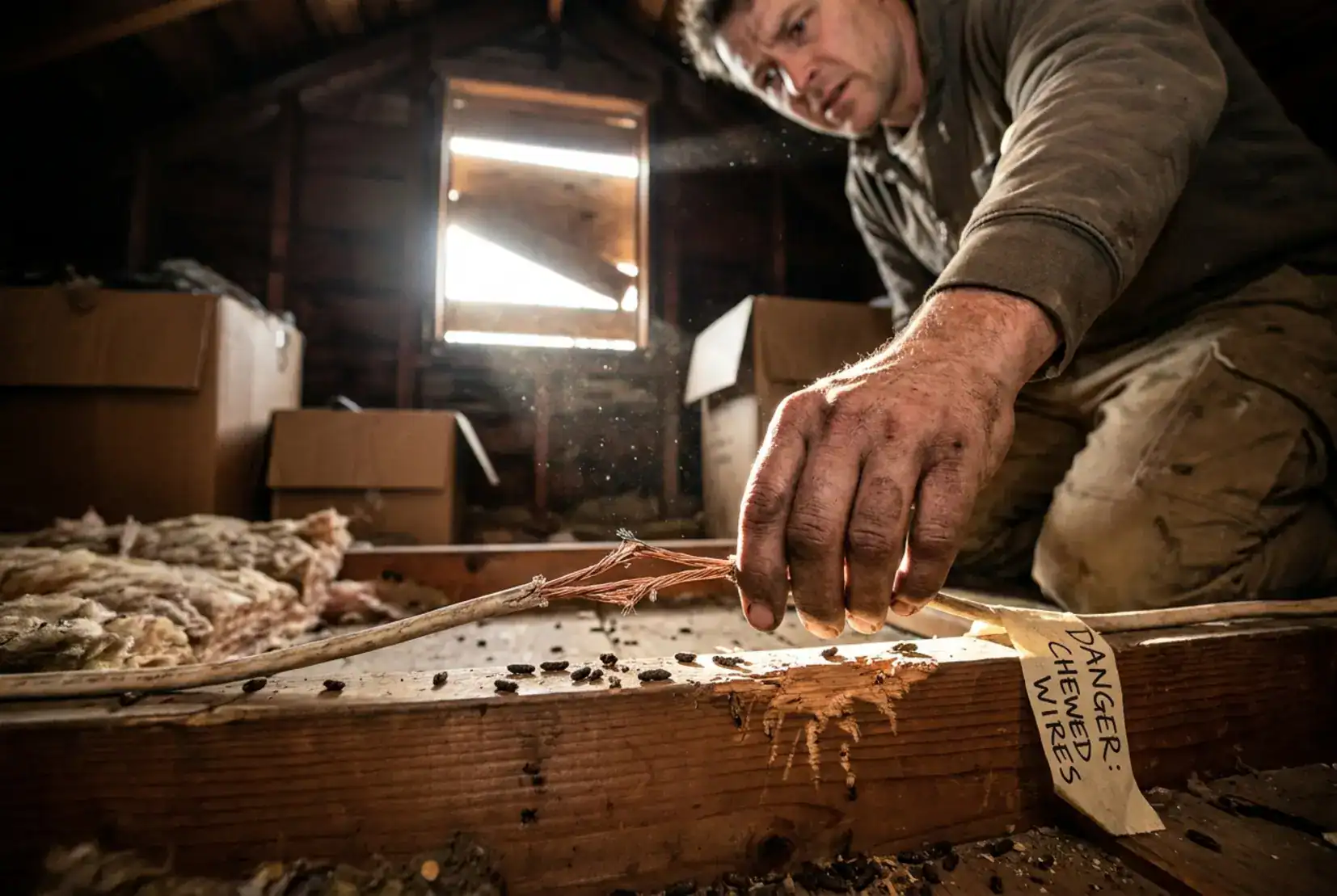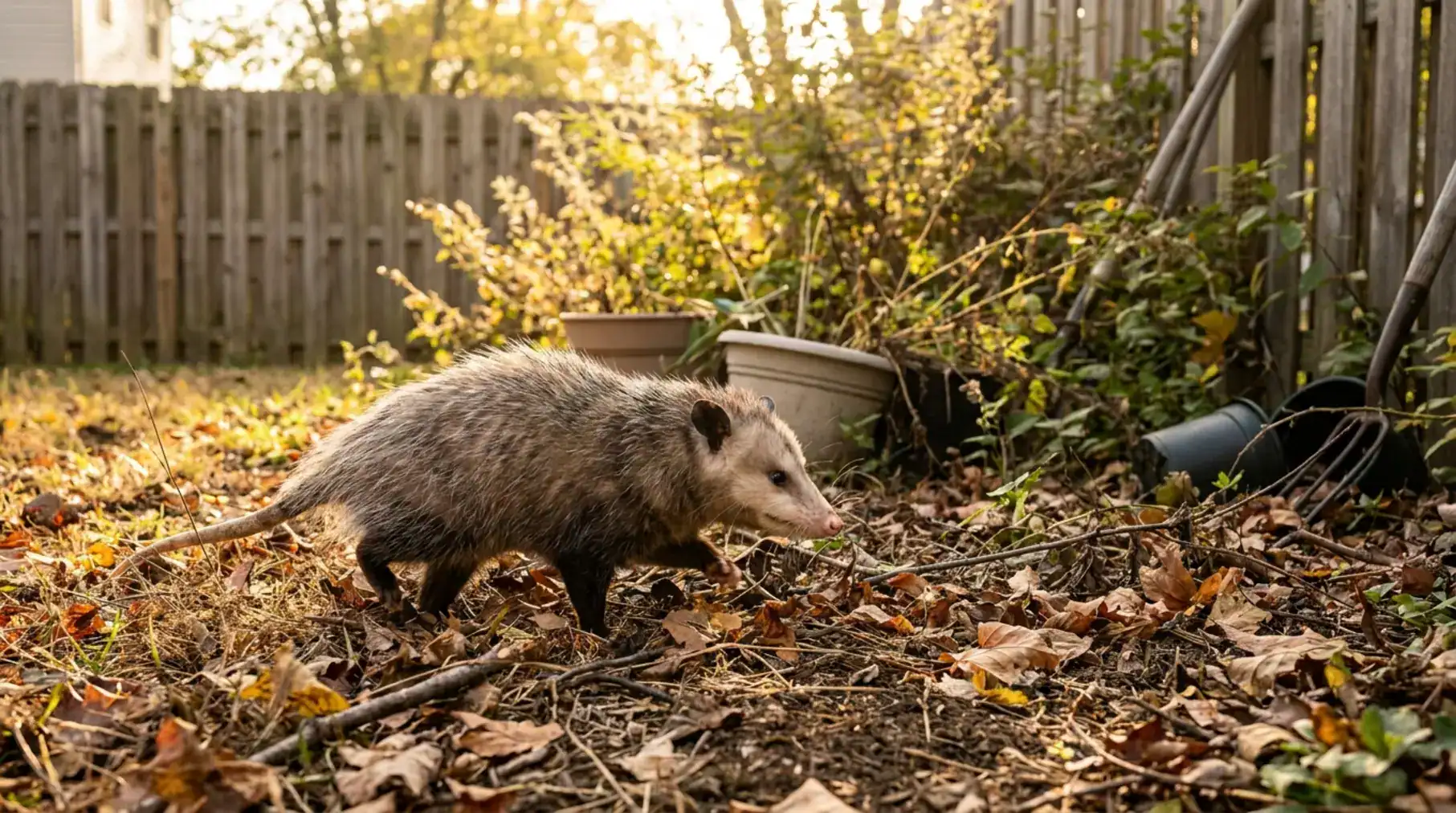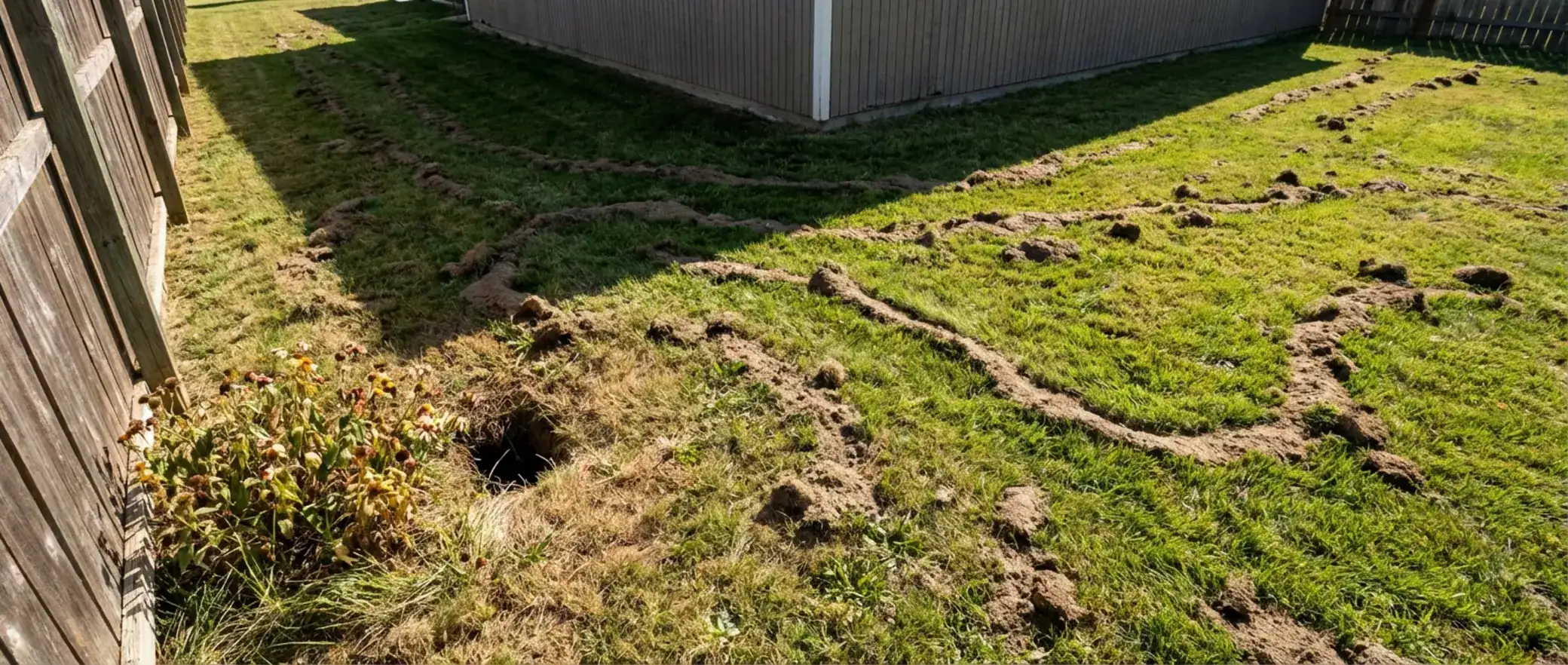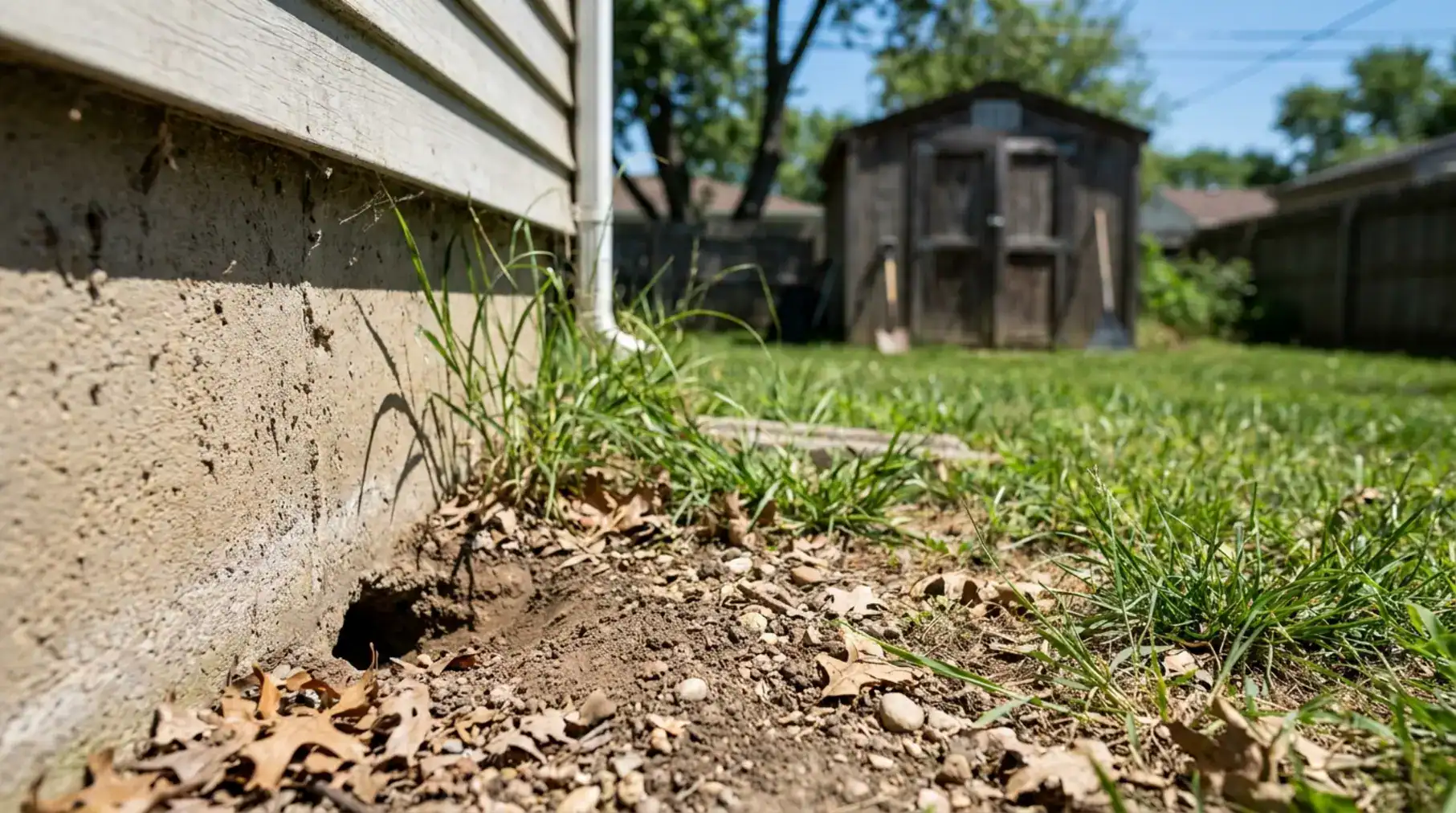
Back in early 2026, a California homeowner went viral on Reddit after dropping $14,000 to completely seal their backyard structure. A family of skunks had repeatedly tunneled underneath, causing thousands of dollars in structural damage and horrific odors. If you are frustrated by persistent pests undermining your outdoor spaces, you are certainly not alone. Building a proper rat wall foundation is the permanent biological and physical fix. This guide breaks down exactly what you need to know about materials, costs, and local codes to protect your property.
What is a rat wall foundation?
A rat wall foundation is a non-structural, durable underground barrier designed to prevent rodents, skunks, and groundhogs from burrowing under sheds and decks. Typically made of poured concrete, treated wood, or galvanized hardware cloth, this barrier extends 12 to 24 inches below grade to permanently block pest entry.
What is a Rat Wall? Debunking Myths and Clarifying Terms
A rat wall is defined as a non-decaying perimeter barrier installed underground to block burrowing animals from accessing the space beneath outdoor structures. It differs completely from a load-bearing structural foundation.
Contractor confusion costs homeowners thousands of dollars every year. Many general contractors confuse a rat wall with a structural stem wall. A stem wall actually supports the physical weight of a building above the frost line. Conversely, a rat wall is strictly a non-structural barrier. It just keeps groundhogs, skunks, and rats out. When builders mistakenly construct a rat barrier to structural stem-wall standards, they upcharge you unnecessarily. .
According to industry experts, three main types of barriers are recognized by modern municipal codes. First is the concrete thickened edge, often called a rat slab. Second is the foundation-grade treated wood skirt. Third is the woven wire hardware cloth bury, commonly known as the L-shape method.
These rodent-resistant walls prevent structural undermining and stop secondary infestations. You might trap one raccoon, but it leaves behind chemical pheromones. Those pheromones guarantee a new animal will claim the empty den. You need physical wildlife exclusion barriers to break the biological cycle. Think of it like building a medieval moat that rodents simply cannot tunnel through. This barrier stops them cold.
Why Use a Concrete Rat Barrier? The Science and Benefits
Concrete barriers for decks and sheds provide a permanent, chew-proof defense against determined wildlife while fulfilling strict municipal zoning requirements. When installed correctly, they prevent frost heave and last for decades.
Pouring a concrete rat barrier offers the absolute highest level of durability against burrowing pests. Rats can chew through plastic, spray foam, and cheap wire. However, they cannot chew through a solid, poured wall. .
Standard specifications dictate that a poured perimeter must be exactly 4 inches thick. It should reach a depth of 12 to 24 inches below grade, depending entirely on your local frost line. Many modern builds utilize a mono-slab approach. A mono-slab is a continuous pour where the floor pad and the perimeter trench are filled simultaneously. .
There is a major risk if contractors do this incorrectly. Pouring non-structural concrete tightly against structural posts like Perma-columns without slip joints causes catastrophic damage. The frozen ground lifts the concrete, which then rips the building apart. .
For retrofitting existing structures, hybrid systems work beautifully. You combine an underground L-shaped wire mesh with a surface-level concrete berm. Concrete walls for rodent control essentially create an impenetrable fortress. You achieve total foundation pest prevention without risking the structural integrity of your timber posts.
How to Build a Rat Wall Foundation: Step-by-Step Installation Guide
A successful rat wall installation requires digging a perimeter trench, installing your chosen barrier material to the correct depth, and properly backfilling the soil to deter determined pests. You can choose between a budget-friendly DIY hardware cloth bury or a professionally poured thickened edge.
Many homeowners want to know how to build a rat wall without spending a fortune on heavy machinery. If you are retrofitting an existing deck, the DIY rat wall for sheds using the L-shape method is highly effective. Before starting the trench, you must ensure the area is empty.
Safety Note: You must verify no live animals are currently trapped underneath the structure before sealing the perimeter. Trapping an animal inside guarantees a horrific odor problem. Use a one-way exclusion door for three days prior to sealing. .
- Dig a perimeter trench 12 to 18 inches deep around the entire structure.
- Cut 1/2-inch galvanized hardware cloth using heavy-duty aviation snips.
- Bend the bottom of the wire mesh exactly 90 degrees outward to create a 12-inch horizontal flange.
- Attach the top of the mesh securely to the deck fascia or shed base using exterior-grade screws and fender washers.
- Backfill the dirt directly over the horizontal flange and pack it tightly into the trench.
The horizontal bend creates a false bottom. When digging pests hit the wire 12 inches down, their instinct is to dig directly at the corner. They will not back up 18 inches to dig under the wire flange. . Always use proper rat-proofing techniques to seal every tiny penetration.
Comparing Rat Wall Design Types: Concrete vs Wire Mesh vs Wood
Choosing the correct rat wall design depends entirely on your budget, your climate, and whether you are building a new shed or retrofitting an existing deck. Concrete offers maximum durability, while wire mesh provides a highly effective, budget-friendly DIY alternative.
Every property requires a different approach to shed pest-proofing solutions. Some contractors will attempt to charge you $4,000 for a structural block wall. Meanwhile, all your local building code might require is an $80 roll of wire mesh. Here is a breakdown of the costs and benefits for effective rodent barriers.
| Type | Cost Range | Lifespan | Code Compliance | Best For |
|---|---|---|---|---|
| Concrete Rat Slab | $550 – $14,000+ | 20+ years | Accepted in most codes | New builds, permanent sheds |
| Hardware Cloth L-Shape | $80 – $300 | 5 – 10+ years | Accepted in many urban zones | Retrofitting decks, DIYers |
| Treated Wood Skirt | $100 – $400 | 5 – 10 years | Limited, check local codes | Dry climates, budget builds |
Concrete barriers provide unmatched longevity. Adding an 8×16-inch poured perimeter to a standard 16×16 shed slab adds roughly $550 to the quote. . Standalone poured walls cost between $20 to $45 per square foot.
Hardware cloth is significantly cheaper. A 100-foot roll of 1/2-inch galvanized mesh costs around $100. However, it requires backbreaking labor to trench by hand. Avoid cheap chicken wire at all costs. Raccoons tear through it, and it rusts away within a single year underground. Pest control barriers must use heavy-gauge, fully galvanized materials to survive.
Rat Wall Regulations, Building Codes, and Permits
Municipalities across North America are increasingly mandating barriers against rodents for all accessory structures to combat rising urban vermin populations. Failing to include specific exclusion details in your permit application can result in severe fines or failed building inspections.
Did you know that building a standard 10×12 shed in your backyard could result in a massive municipal fine? Welcome to the era of mandatory vermin control measures. In late 2025, Plymouth, Michigan, issued a city-wide advisory mandating that residents secure all sheds and decks. . They specified that perimeter openings can be no larger than 1/2 inch.
Lathrup Village, Michigan, quickly followed suit. They passed Ordinance #2025-01, explicitly requiring a block foundation or similar barrier for urban chicken coops. In Canada, towns like Amherstburg, Ontario, allow simplified barriers for structures up to 55 square meters. Anything larger automatically requires a full-depth frost foundation. .
You must clarify the rules with your local building department before pouring anything. Ask them exactly what size shed triggers the requirement. Submit clear plans showing your intended rodent-proofing garden sheds strategy. Inspectors want to see the exact trench depth and material specified on your drawings. Ignoring these local rules often leads to immediate stop-work orders.
Maintenance and Long-Term Care: Keeping Your Barrier Effective
Even the most heavily reinforced wildlife exclusion barriers require routine inspections to ensure ground shifts, rust, or new penetrations have not compromised the perimeter. Regular maintenance prevents animals from finding a weak spot and causing secondary pest infestations.
You cannot just install a perimeter system and forget about it. Hardware cloth slowly degrades over time in acidic soil. Concrete cracks from aggressive freeze-thaw cycles. You must physically inspect your perimeter every three to five years. Look for fresh digging, foul odors, or visible wire damage.
If you spot a breach, fix it immediately. Seal new pipe penetrations with copper mesh and exterior-grade caulk. Rats absolutely hate chewing through copper wire. . If your concrete develops a fissure, patch it tightly with hydraulic cement.
Seasonal changes directly impact rodent behavior. As winter approaches, rats seek warm nesting spots. Consequently, autumn is the perfect time to clear debris away from your foundation skirting. Rodent entry prevention relies heavily on eliminating hiding spots near the base of the structure. . Protect your financial investment. A minor repair today saves thousands in structural damage tomorrow.
Common Questions About Rat Walls: Concrete Barriers for Sheds and Decks
Do I need a rat wall foundation for a 10×12 shed?
Yes, many municipalities now require a rat wall foundation for any accessory structure between 50 and 200 square feet. You must check your local zoning ordinances, as cities are actively updating their codes to enforce mandatory vermin control measures for all residential properties.
What is the difference between a rat wall and a stem wall?
A stem wall is a load-bearing structure that supports the weight of a building above the frost line, whereas a rat wall is strictly a non-structural pest barrier. Understanding this difference is critical when planning a rat wall installation, because building a true structural stem wall costs thousands of dollars more.
How thick should concrete barriers for decks be?
Standard municipal building codes generally require concrete barriers for decks to be exactly 4 inches thick. This thickness provides a permanent, chew-proof defense and acts as highly effective concrete walls for rodent control that can withstand minor soil shifting.
Will chicken wire work for rodent-proofing garden sheds?
No, chicken wire is far too weak and rusts too quickly to be successfully used for rodent-proofing garden sheds. You must use 1/2-inch galvanized hardware cloth to create truly effective rodent barriers that can stop raccoons, skunks, and rats over the long term.
Does a gravel base act as a rat-proof foundation?
No, a thick perimeter of crushed gravel does not deter determined groundhogs or rats from digging under a structure. To establish a legitimate rat-proof foundation, you must physically install an impenetrable vertical barrier like poured concrete or buried hardware cloth.
What is the best DIY rat wall for sheds?
The L-shape hardware cloth bury is widely considered the best DIY rat wall for sheds. This rat wall design requires digging a 12-inch trench, bending the wire outward 90 degrees, and securely fastening it to the shed fascia to create a false bottom that fools digging pests.
References and Expert Sources
- National Park Service guidelines on permanent rodent exclusion materials 2024
- Post-Frame Builder Association guidelines on frost heave prevention 2025
- Plymouth MI City Ordinance on Accessory Structure Pest Control October 2025
- Ontario Building Code size thresholds for accessory structures 2024
- Extension USU guidelines on rodent exclusion materials lifespan
- University of California IPM guidelines on rodent exclusion 2024
- Concrete Contractors Association midwestern pricing data 2025
- Wildlife Whisperer protocol for humane animal eviction before barrier installation
- Reddit r/Shedditors community data on gravel base effectiveness 2026
- Eco Haven Pest Control press release on exclusion barrier services
- Lathrup Village MI Ordinance #2025-01 for urban chicken coop block foundations
Final Thoughts
Protecting your outdoor structures from burrowing pests requires more than just setting a few traps. By investing the time and resources into a proper rat wall foundation, you completely eliminate the underground habitat that attracts skunks, groundhogs, and rats in the first place. Whether you pour a solid concrete perimeter or bury an L-shaped wire mesh, the goal remains the exact same: keeping invasive animals out of your property permanently.
Remember to always check your local municipal zoning ordinances before starting your backyard project. Cities are rapidly updating their building codes, and a simple conversation with your local inspector can save you from costly fines. Taking a proactive approach ensures your deck or shed remains structurally sound and entirely odor-free for decades.
Estimate your project costs today, gather your high-quality materials, and build the rodent fortress your backyard deserves.