Your home is your sanctuary, but silent invaders are waging a war on properties across the country, causing over $5 billion in damages annually. The devastating truth is that most homeowners discover this destruction far too late, assuming their insurance will save them, only to face a crippling financial blow. As we look toward 2026, understanding the stark realities of termite insurance coverage is not just prudent-it’s essential for protecting your single largest investment.
Does home insurance cover termites in 2026?
No, a standard homeowners insurance policy in 2026 almost never covers termite damage. Insurers classify termite infestations as a preventable maintenance issue, not a sudden or accidental event. Consequently, the costs for extermination and repairing structural damage from termites are typically the homeowner’s full responsibility.
The Silent Destroyers: Understanding Termite Damage
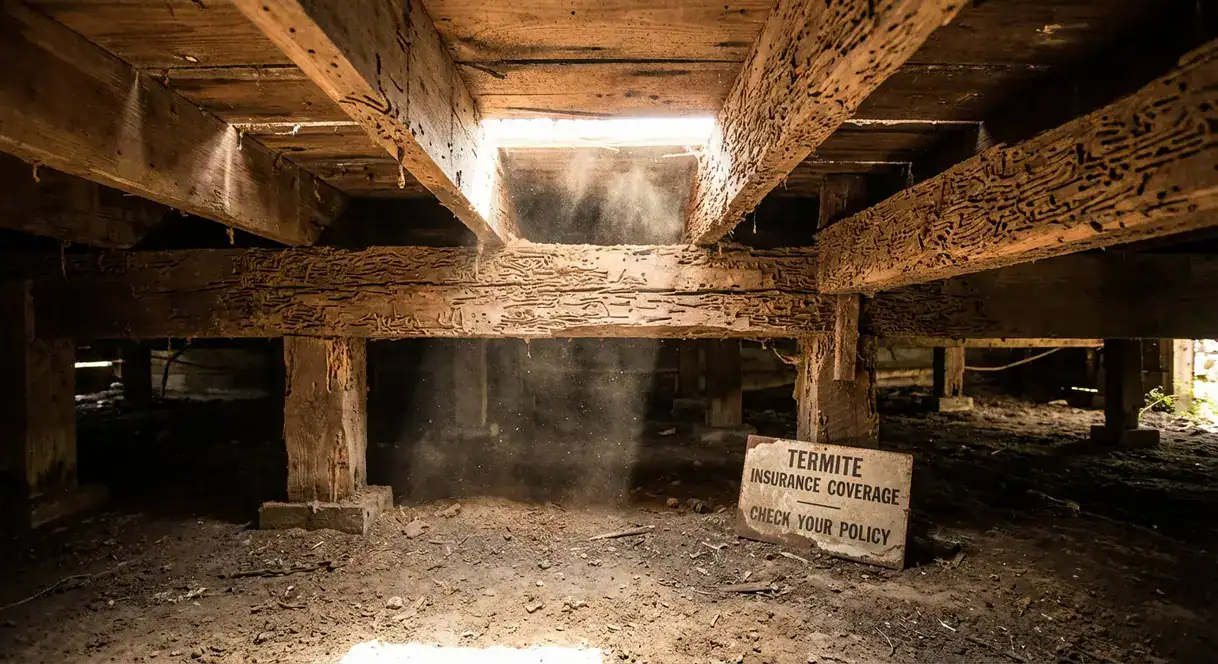
Termite damage isn’t a single event; it’s a slow, methodical process of destruction. These wood-destroying insects feast on cellulose, the organic material found in wood and plant matter, which unfortunately includes the structural framework of your home. By the time you discover termites in your home, significant damage may have already occurred over the course of three to eight years.
There are two primary culprits homeowners in the United States face:
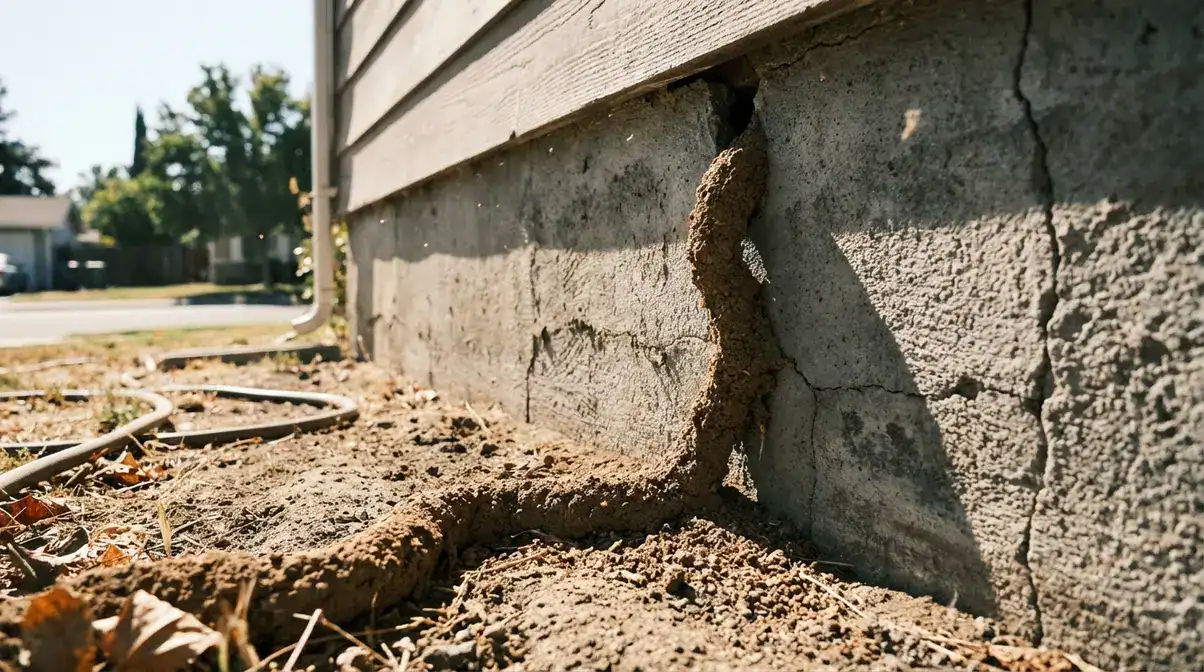
- Subterranean Termites: These are the most destructive type. They build colonies in the soil and create distinctive “mud tubes” to travel to their food source-your house. They attack everything from the foundation sill plates to support beams and wall studs.
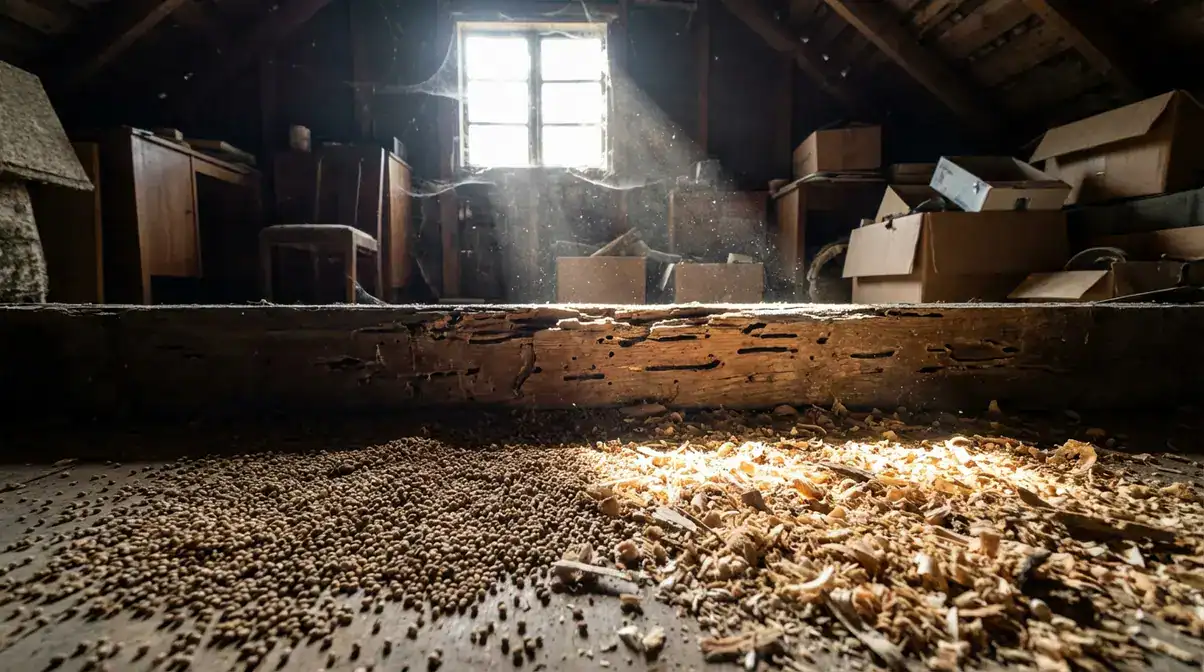
- Drywood Termites: Living directly inside the wood they infest, these termites don’t require soil contact. They are often found in warmer, coastal regions like Florida and California and can cause severe, localized damage to furniture, flooring, and structural timbers.
Signs of a termite infestation are often subtle until the damage is extensive. Keep an eye out for these red flags:
- Mud Tubes: Pencil-sized tunnels on your foundation walls or crawl space piers.
- Swarmers: Flying termites, often mistaken for ants, that appear in the spring to start new colonies.
- Discarded Wings: After swarming, termites shed their wings, often found near windowsills and doors.
- Damaged Wood: Wood that sounds hollow when tapped, or appears blistered or darkened. You might see a maze-like pattern inside the wood.
- Frass: Small, pellet-like droppings from drywood termites pushed out of tiny holes in the wood.
Because this damage happens gradually, it falls outside the scope of what a standard homeowners insurance policy is designed to protect against.
Why Your Homeowners Policy Has a Termite Exclusion Clause
The fundamental principle of insurance is to protect against sudden and accidental loss. A fire, a burst pipe, or a tree falling on your roof are all examples of “covered perils” because they are unforeseen and happen quickly. Termites, however, operate on a much longer timeline.
Insurers view a termite infestation as a failure of routine home maintenance. Their logic is straightforward: with regular inspections and preventative measures, a homeowner can identify and stop an infestation before it causes catastrophic structural damage from termites. This perspective is why nearly every homeowners insurance termite damage policy contains an explicit exclusion for damage caused by insects, vermin, or rodents.
As Allstate notes on its website, “termite and insect damage is generally not covered by a standard homeowners insurance policy,” because it is “a problem that can be prevented.” This sentiment is echoed across the industry. Insurers expect you, the homeowner, to take reasonable steps to protect your property from these known threats. The rising cost of homeowners insurance premiums, expected to climb another 8% in 2026, further solidifies the industry’s stance on covering only unexpected events, not gradual ones.
This real-world example underscores the harsh reality: when you find termites, you are almost always on your own financially.
Are There Any Exceptions? When a Termite Damage Claim Might Be Covered
While the general rule is “no coverage,” a few rare and highly specific scenarios could potentially trigger a payout. These are not loopholes but rather situations where the termite damage leads to a different, covered peril.
The Collapse Exception
If a termite infestation is so severe and so well-hidden that it causes a sudden and unexpected collapse of a part of your home, you might have a case for coverage. The key here is “hidden.” You must prove that you could not have reasonably known about the infestation. If an inspector finds evidence of long-term, visible damage that was ignored, your claim will almost certainly be denied on the grounds of negligence.
The Fire Exception
Another potential scenario involves fire. If termites chew through electrical wiring within a wall, causing a short circuit that starts a fire, your homeowners insurance would cover the fire damage. However, it’s crucial to note that the policy would pay to repair the damage from the fire, smoke, and water-not the pre-existing property damage from termites. You would still be responsible for the cost of termite treatment and repairing the wood they consumed.
The Water Damage Connection
Sometimes, a covered peril can lead to a termite problem. For instance, if a pipe bursts behind a wall (a covered event) and the prolonged moisture attracts termites, your policy would cover the water damage repairs. But once again, any subsequent damage caused by the termites themselves would be excluded. The limits of homeowners insurance regarding termite damage are very clearly defined.
Prevention: Your First and Best Line of Defense
Since you can’t rely on insurance, the responsibility to protect your home from termite damage falls squarely on your shoulders. Proactive prevention is dramatically cheaper than reactive repair. Scientists estimate it takes three to eight years for a colony to cause significant damage, giving you a large window to act.
Here is a practical checklist of affordable, preventative steps:
- Eliminate Moisture: Termites need moisture to survive. Fix leaky faucets, pipes, and HVAC units immediately. Ensure your gutters and downspouts are clean and divert water at least four feet away from your foundation.
- Remove Wood-to-Ground Contact: Keep firewood, lumber, and other cellulose materials stacked away from your foundation and off the ground. Ensure there is at least a 6-inch gap between any wood siding and the soil.
- Seal Entry Points: Fill any cracks in your foundation, especially around where utility lines enter the home. Use caulk to seal gaps around windows and doors.
- Schedule Professional Inspections: This is the single most important step. A licensed pest control professional can spot the subtle signs of a termite infestation you might miss. An annual inspection is a small investment that can save you thousands.
- Maintain Your Yard: Keep shrubbery and landscaping trimmed back from the house to reduce moisture retention and allow for easy inspection of your foundation. Remove old tree stumps and roots near the home.
Taking these steps demonstrates responsible homeownership and is the most effective way to manage the risk of a termite infestation.
The Crushing Financial Impact of an Infestation
Ignoring the threat of termites can have devastating financial consequences that go far beyond the initial extermination bill. The costs involved create a ripple effect that can impact your entire financial well-being.
Cost of Treatment and Repairs
Let’s break down the numbers. According to the National Pest Management Association (NPMA), the average cost to repair termite damage is around $3,000. However, this is just an average.
- Termite Treatment Cost: Professional extermination can range from $500 for a small, localized treatment to over $2,500 for whole-house fumigation (tenting).
- Repair Costs: This is where expenses can skyrocket. Minor repairs might cost a few hundred dollars. But if termites have compromised structural elements like floor joists, support beams, or roof trusses, the insurance for termite repair costs you wish you had doesn’t exist. You could be facing bills of $10,000, $20,000, or more. A Florida homeowner on Reddit reported spending $26,000 on repairs after discovering widespread damage.
Devaluation of Your Home
The financial impact of termite infestations on home value is significant. When you sell your home, you are legally required to disclose any past or present termite issues. This disclosure can immediately deter potential buyers or lead to much lower offers. Even with repairs and a clean bill of health from a pest control company, the stigma of a previous major infestation can reduce your property’s market value by as much as 20%.
This devaluation, combined with the high cost of repairs, makes a termite infestation one of the most financially damaging events a homeowner can experience-precisely because it is not covered by standard homeowners insurance.
Beyond Standard Insurance: Exploring Your Options
If your standard policy offers no protection, what alternatives exist? While true termite damage insurance is not a widely available product, homeowners can find some measure of protection through specialized service contracts, often called termite bonds or warranties.
What is a Termite Bond?
It’s essential to understand that a termite bond is not an insurance policy. It is a service agreement or warranty offered by a pest control company. The terms of these bonds can vary dramatically, but they generally fall into two categories:
- Treatment-Only Bonds: This is the most common and basic type. The company agrees to provide ongoing inspections and re-treat your home for free if termites reappear during the contract period. This bond does not cover the cost of repairing any new damage.
- Repair Bonds: This is a more comprehensive (and expensive) option. In addition to re-treatment, the company agrees to pay for repairs of any new termite damage that occurs while the bond is active. These contracts often have coverage caps, deductibles, and numerous exclusions, so reading the fine print is critical.
A termite bond is a valuable tool for termite liability protection, but it is not a replacement for a robust homeowners insurance termite damage policy, which simply doesn’t exist in the traditional market. It is a form of pest control insurance provided by the exterminator, not an underwriter.
| Protection Method | What It Covers | What It Doesn’t Cover |
| Standard Homeowners Insurance | Sudden and accidental perils (fire, wind, etc.). May cover a resulting event (e.g., fire from chewed wires). | The actual termite infestation, wood damage, and extermination costs. |
| Termite Bond (Treatment-Only) | Regular inspections and re-treatment if termites return during the contract period. | The cost to repair any termite damage (new or existing). |
| Termite Bond (Repair) | Inspections, re-treatment, and repair of NEW damage that occurs during the contract. | Pre-existing damage. Damage costs that exceed the contract’s coverage limit. |
Debunking Common Myths About Termite Coverage
Misinformation can be costly. Many homeowners operate under false assumptions about termites and insurance. Let’s clear up some of the most common myths.
Myth 1: My home is new, so it’s safe from termites.
- Reality: New construction is not immune. While pre-treatment of the soil is common, these chemical barriers degrade over time. Termites can find their way into a brand-new home within a year if conditions are right.
Myth 2: A termite bond is the same as termite insurance coverage.
- Reality: As discussed, a bond is a service contract with a pest control company. It has specific limitations, coverage caps, and is not regulated in the same way as an insurance policy. The termite insurance definition in the context of a standard policy does not exist.
Myth 3: Renters insurance will cover my belongings if termites damage them.
- Reality: Just like homeowners insurance, renters insurance cover termite damage is not a feature. Damage to your personal property from pests is almost always excluded. Responsibility for treating the infestation typically falls to the landlord.
Myth 4: If my neighbor’s termites spread to my house, their insurance will pay for it.
- Reality: Proving liability would be nearly impossible. You cannot definitively trace a colony to a neighbor’s property, and even if you could, your neighbor’s insurance policy also excludes termite damage. You are responsible for protecting your own property line.
Understanding these truths is the first step in creating an effective protection strategy that doesn’t rely on a non-existent insurance safety net.
Your Action Plan: Practical Steps for Every Homeowner
Feeling overwhelmed? Don’t be. Protecting your home is manageable if you take a structured approach. Here are the definitive steps to protect your home from termite damage.
- Read Your Current Insurance Policy: Don’t take our word for it. Pull out your homeowners policy and find the section on exclusions. You will likely see language that specifically mentions damage from insects, vermin, rot, and mold is not covered. Understanding your homeowners policy termite exclusion is the first step.
- Schedule a Professional Termite Inspection Immediately: If you haven’t had an inspection in the last year, this is your top priority. A certified inspector will perform a thorough check of your home’s interior and exterior, identify any signs of infestation, and spot conditions conducive to future problems.
- Implement Preventative Maintenance: Use the checklist from earlier in this article. Fix leaks, clear debris from your foundation, and seal entry points. These small actions have a massive impact on your home’s defensibility.
- Consider a Termite Bond: After a clean inspection, research reputable pest control companies in your area and get quotes for a termite bond. Carefully compare the costs and benefits of a treatment-only bond versus a repair bond. Read every line of the contract before signing. This is the closest you can get to dedicated termite control insurance options.
By taking these four steps, you shift from a passive, hopeful position to an active, protected one.
Common Questions About Does Home Insurance Cover Termite Damage in 2026?
Why doesn’t homeowners insurance cover termite damage?
Insurance is designed for sudden, accidental events, but termite damage is gradual and considered preventable with routine maintenance. Insurers classify it as an upkeep issue, which is the homeowner’s responsibility, not an insurable risk. Therefore, wood-destroying insect coverage is excluded from standard policies.
What is a termite bond and is it worth it?
A termite bond is a service contract with a pest control company, not an insurance policy. It guarantees they will re-treat your home if termites appear and, in some cases, repair new damage up to a certain limit. For homeowners in high-risk areas, a repair bond can be a worthwhile investment for peace of mind, despite the termite insurance cost associated with the annual contract.
If termite damage was hidden, will insurance cover a collapse?
In very rare cases, if a termite infestation was completely hidden and led to a sudden collapse, your policy might provide coverage. However, you would need to prove you were completely unaware and had no reason to suspect a problem. If there were any visible signs that were ignored, the claim would likely be denied due to negligence.
Does homeowners insurance cover termite damage in high-risk states like Florida or California?
No, the exclusion is standard nationwide, regardless of the risk level in your state. In fact, homeowners in states like Florida may face even stricter underwriting and higher premiums due to the prevalence of termites, but the core termite infestation coverage exclusion remains firmly in place.
Can I file a claim for termite damage if a covered peril, like a storm, exposed the problem?
You can file a claim for the storm damage, but not for the pre-existing termite damage the storm revealed. For example, if wind rips siding off your house, insurance will pay to replace the siding. If that missing siding reveals termite-ridden wall studs, the process of filing a claim for termite damage will be denied, and the cost to repair those studs is on you.
What is the financial impact of termite infestations on home value?
A history of termite damage can significantly lower your home’s resale value, sometimes by up to 20%. Buyers are often wary of properties with past infestations, even if repaired. This makes proactive prevention and having a transferable termite bond crucial for protecting your equity.
Are there any companies that offer specific pest coverage in home insurance?
While extremely rare, a few specialty or high-value home insurers might offer a limited pest coverage endorsement or rider for an additional premium. However, this is not a standard product. You must specifically ask your agent if any such pest insurance options are available and scrutinize the coverage limits and exclusions.
References & Expert Sources
- National Pest Management Association (NPMA) – Statistics on annual termite damage costs. [pestworld.org]
- California Department of Insurance – Information on new consumer protection laws for 2026. [insurance.ca.gov]
- Connor’s Pest Pros – Guide on termite prevention and property damage mitigation. [connorspest.com]
- Allstate – Policy information regarding insect damage exclusions. [allstate.com]
- Progressive – Explanation of why maintenance issues like termites are not covered. [progressive.com]
- NerdWallet – Analysis of homeowners insurance and termite damage. [nerdwallet.com]
- Bankrate – Guide on homeowners policies and termite coverage exceptions. [bankrate.com]
- Reddit r/homeowners – Real-world homeowner experiences with termite damage claims. [reddit.com/r/homeowners/]
- Reddit r/Insurance – Discussions with insurance professionals about claim denials. [reddit.com/r/Insurance/]
- Quora – Expert answers to common questions about termite coverage. [quora.com]
- Rollins, Inc. – A leading provider of pest control services. [rollins.com]
Final Thoughts: Protecting Your Home in 2026 and Beyond
As we navigate the evolving insurance landscape of 2026, one fact remains unchanged: your home’s greatest defense against termites is you. The hope for comprehensive termite insurance coverage from a standard policy is a misconception that can lead to financial ruin. The industry has clearly defined termite damage as a maintenance issue, placing the burden of prevention and repair directly on the homeowner.
Instead of worrying about a claim that will never be approved, channel your energy into proactive protection. Review your policy, schedule regular inspections, and address potential problem areas around your home. By investing a small amount in prevention today, you can safeguard your home’s structural integrity and financial value for years to come.