Have you ever discovered mysterious piles of fine wood shavings in your home and dismissed them as simple sawdust? That small pile in your attic or along a windowsill could be your home’s silent alarm, signaling a hidden invasion of wood-destroying insects. Correctly identifying carpenter ant frass is the critical first step in protecting your property from significant structural damage.
What is the difference between carpenter ant frass and sawdust?
Carpenter ant frass is a mixture of fibrous wood shavings, soil, dead insect parts, and feces, giving it a coarse and dirty appearance. In contrast, sawdust is uniform, consisting only of fine wood particles with a consistent texture and color, and contains no insect fragments or other debris.
What is Carpenter Ant Frass? A Telltale Sign of Trouble
Before you can tackle an infestation, you must understand what you’re looking for. Carpenter ant frass is the debris that carpenter ants excavate and expel from their nests. Unlike termites, these insects do not eat wood for nutrition. Instead, they chew through it with their powerful mandibles to create smooth, clean tunnels and galleries for their colonies to live in. The material they kick out of these tunnels is called frass.
This insect debris is a crucial piece of pest evidence. It’s essentially the ants’ garbage, pushed out of small slits or holes in the wood. Think of it like the byproduct of a construction project. The presence of frass means an active colony is tunneling nearby, and understanding its unique characteristics is key to a swift diagnosis.
The Most Common Signs of Carpenter Ant Infestation
Discovering frass is often the first and most obvious sign of an infestation, but it’s rarely the only one. Early detection is vital, as a mature colony can contain over 10,000 workers actively damaging your home. Have you noticed any of these other ant infestation signs?
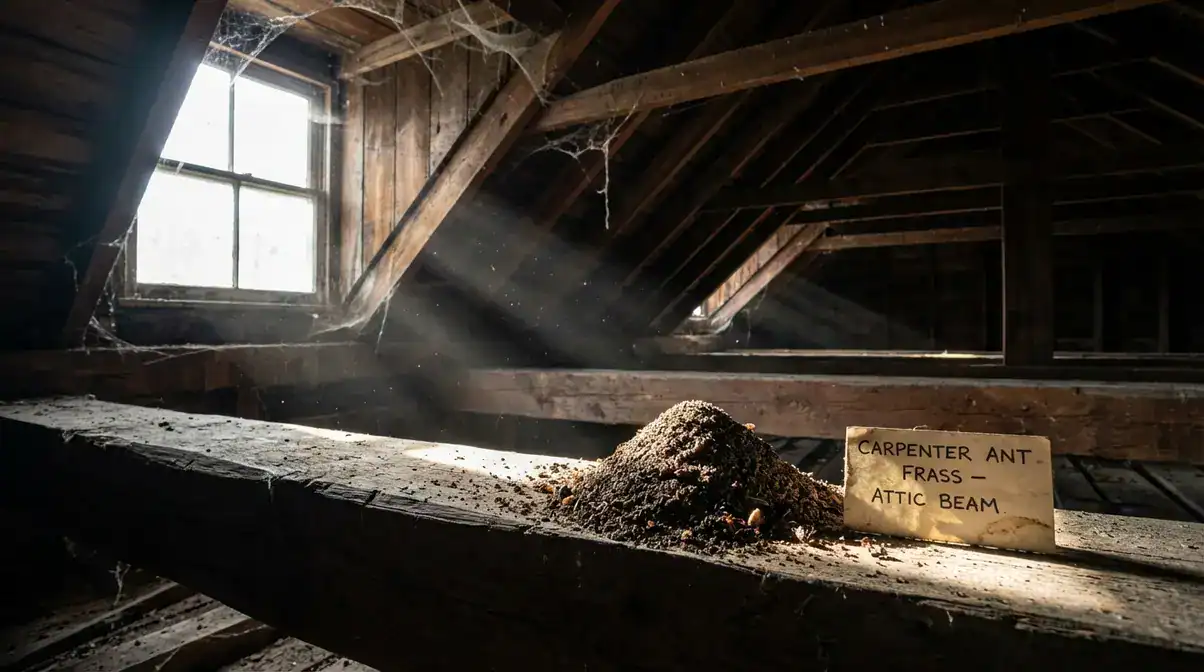
- Piles of Debris: Small, conical piles of frass accumulating below nest openings. Common locations include window sills, baseboards, crawlspaces, and attics.
- Faint Rustling Noises: In quiet moments, you might hear soft, crinkling sounds coming from within your walls or ceilings. This is the sound of thousands of ants excavating wood.
- Visible “Slits” or “Windows”: Carpenter ants create small, elongated openings, about 1-2mm long, to push frass out of their galleries. These can be very hard to spot but are a definitive sign.
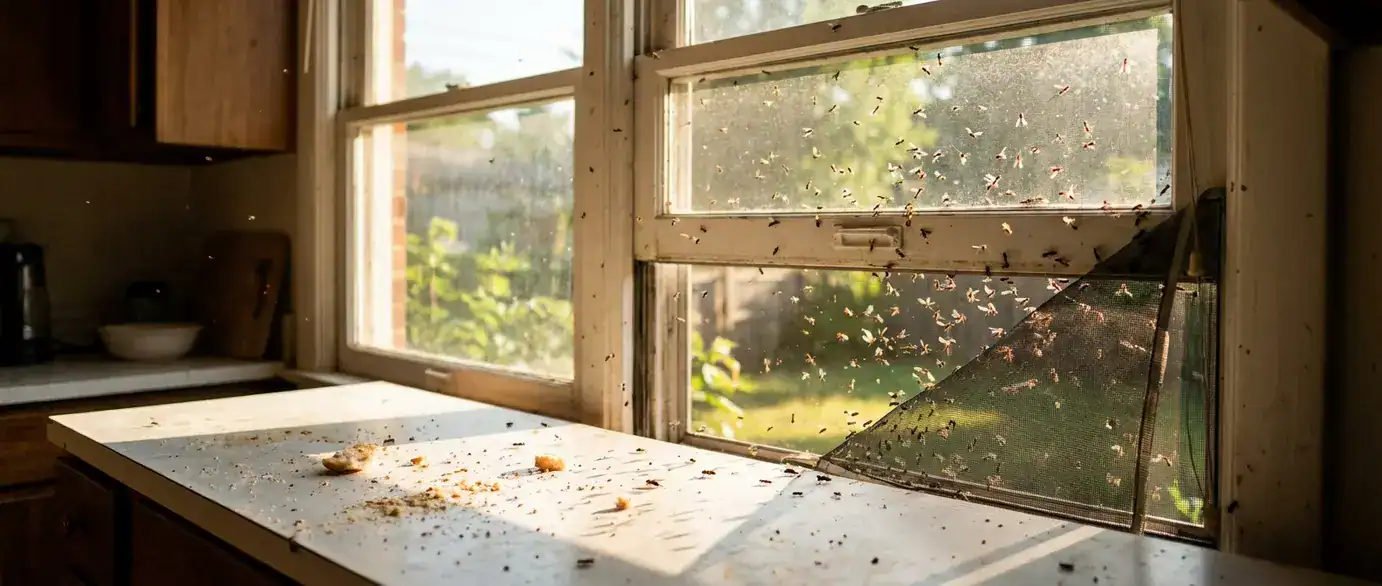
- Swarmers: The appearance of large, winged ants inside your home, especially during the spring (typically March through June). These are reproductive ants leaving the nest to start new colonies.
- Foraging Ants: Seeing large, black ants (often Camponotus pennsylvanicus) consistently walking around your kitchen, bathroom, or along foundation walls, especially at night.
The Critical Differences Between Carpenter Ant Frass and Sawdust
At a glance, frass and sawdust might seem similar, but a closer look reveals stark differences. Misidentification can lead to inaction, allowing an ant colony to cause thousands of dollars in wood damage. Here’s how you can tell frass from sawdust.
| Characteristic | Carpenter Ant Frass | Sawdust |
| Composition | A mix of wood shavings, soil particles, ant feces, and insect parts (legs, antennae, exoskeletons). It looks dirty and inconsistent. | Purely wood particles. It is uniform and clean, containing no foreign debris. |
| Texture & Size | Fibrous, coarse, and varied in size. Often described as looking like pencil shavings or sawdust from a dull saw blade. Pieces are typically 1-3mm long. | Fine, powdery, and consistent in size. The texture is uniform, reflecting the tool used (e.g., fine powder from sanding, larger curls from drilling). |
| Color | Varies depending on the wood being excavated. Darker specks are common from soil or decaying wood fragments. | Consistent with the color of the source wood. There are no discolored specks or foreign materials. |
| Location | Found in conical piles directly below nest openings (slits) in wood, such as on window sills, in crawlspaces, attics, or along baseboards. | Typically scattered around a work area where wood has been cut, drilled, or sanded. It doesn’t appear in neat piles unless swept. |
Beyond Sawdust: Frass vs. Termite and Powderpost Beetle Debris
It is also important to distinguish carpenter ants vs sawdust and other pests.
- Drywood Termite Frass: Termites consume and digest wood, so their droppings (also called frass or pellets) are very different. They are hard, dry, hexagonal pellets about 1mm in size, resembling sand or coffee grounds. Carpenter ant frass is fibrous and contains wood shavings, not digested pellets.
- Powderpost Beetle Frass: This debris is an extremely fine, talc-like powder. If you rub it between your fingers, it feels like flour. This is much finer than the fibrous, shredded texture of carpenter ant frass. Powderpost beetles also leave tiny, round “shotgun” exit holes, unlike the slits used by ants.
What Does Carpenter Ant Frass Look Like? A Forensic Examination
To truly master how to identify carpenter ant frass, you need to play detective. Grab a magnifying glass and examine a sample closely.
You should be looking for a material that resembles shredded wood fibers, similar to what you’d find in a pencil sharpener. The key indicator is the “dirty” composition. You will see not just wood, but also a collection of other debris the ants have cleaned out of their nest. This includes the exoskeletons of deceased colony members, tiny legs, antennae, and bits of soil or insulation they may have tunneled through.
The color of the frass directly reflects the type of wood being damaged. If they are nesting in light-colored pine, the frass will be lighter. If they have infested dark, decaying wood, the frass will contain darker, almost black, flecks. The presence of these dark specks is a strong clue that the source is not construction sawdust.
Health Risks Associated with Carpenter Ants: Myth vs. Fact
Homeowners often worry, “is carpenter ant frass harmful?”. This concern leads to several misconceptions about the dangers posed by these pests. Let’s separate fact from fiction regarding the health risks associated with carpenter ants.
Fact: The frass itself is not toxic or known to transmit diseases. It’s simply wood shavings and insect debris. However, large accumulations can become airborne and may aggravate allergies or asthma in sensitive individuals, similar to how sawdust can. The primary risk isn’t from the frass itself but from the conditions that allow the nest to thrive.
Fact: Carpenter ants do not have stingers. They can bite with their strong mandibles and may even spray a defensive chemical (formic acid) into the wound, which can cause a mild burning sensation. However, they are not aggressive and typically only bite if their nest is directly disturbed or they feel physically threatened. Their bites are not medically significant for most people.
The real danger carpenter ants pose is to your home’s structural integrity, not your personal health. The moisture that attracts them can lead to mold and mildew, which present their own set of health concerns.
The Lifecycle of Carpenter Ants and Frass Production
Understanding the lifecycle of carpenter ants and frass production explains why you see those telltale piles. A colony’s entire existence revolves around expanding its nest to support the queen and her offspring.
- The Queen and the New Colony: It starts with a winged queen who, after mating, finds a suitable location in moist or damaged wood to lay her first batch of eggs.
- Egg, Larva, Pupa, Adult: The ants undergo complete metamorphosis. The queen cares for the first generation of sterile female workers.
- Workers and Excavation: Once the first workers mature, their primary jobs are foraging for food and expanding the nest. This is when frass production begins. As the workers chew through wood to create galleries, they push the debris out of the nest through small slits.
- Colony Growth: As the colony grows over several years, it can reach thousands of individuals. More workers mean more excavation and larger, more noticeable piles of frass. A large amount of frass indicates a mature, well-established colony that has likely been present for three to six years.
- Satellite Nests: A mature parent colony, often located in very moist wood, will establish satellite nests in drier locations within the structure. These satellite nests house older larvae, pupae, and workers, and they also produce frass. This is why a single infestation can have multiple frass piles.
Causes of Carpenter Ant Frass: Why Your Home is a Target
The appearance of frass is a symptom of a larger problem. Carpenter ants are not drawn to your home by chance; they are looking for specific conditions. Understanding the causes of carpenter ant frass is crucial for both treatment and prevention.
The number one attractant is moisture. Carpenter ants require a habitat with a wood moisture content of at least 15% to thrive. They are nature’s recyclers, targeting wood that is already softened or damaged by water.
Common sources of moisture that attract carpenter ants include:
- Leaky pipes, roofs, or flashing
- Poorly ventilated crawlspaces or attics
- Clogged gutters that cause water to back up against the fascia boards
- Firewood stacked directly against the house
- Wooden structures (decks, porches) with direct soil contact
- Tree branches or shrubs touching the house, which act as a bridge for ants to gain entry
Effective DIY Methods for Carpenter Ant Removal
For very small or new infestations, some effective DIY methods for carpenter ant removal can be successful. However, these methods require precision and persistence.
Step 1: Locating the Nest
This is the most critical step. Simply spraying foraging ants you see is ineffective, as it won’t impact the queen or the colony. You must find the nest. Look for frass piles and follow the ants back to where they disappear into a wall, ceiling, or floor. Tapping on the suspected area with a screwdriver may produce a hollow sound or cause ants to emerge.
Step 2: Using Carpenter Ant Bait
The most effective DIY treatment is using a slow-acting carpenter ant bait. Unlike sprays, baits are carried back to the nest by worker ants and shared with the entire colony, including the queen.
- Choose the Right Bait: Use baits specifically formulated for carpenter ants, such as granular baits (like Advance Carpenter Ant Bait) or gel baits.
- Placement is Key: Place bait stations along known ant trails but out of reach of children and pets. Do not spray insecticides near the bait, as this will prevent ants from taking it.
- Be Patient: It can take several days or even weeks for the bait to eliminate the entire colony. You may see an initial increase in ant activity as they swarm the new food source.
Step 3: Removing Carpenter Ant Frass
Once you believe the colony is eliminated, focus on removing carpenter ant frass. Use a HEPA-filter vacuum to clean up all visible debris. This is important for detection and monitoring of carpenter ant activity going forward. If new frass appears in the same spot, it means the colony (or a satellite colony) is still active.
The Importance of Professional Pest Control
While DIY methods can work, they have significant limitations. A mature infestation with multiple satellite nests is nearly impossible for a homeowner to eradicate completely. This is when the importance of professional pest control in managing carpenter ants becomes clear.
Consider calling a professional if:
- You see large numbers of swarmers inside your home.
- You find multiple frass piles in different locations.
- You can hear activity within your walls but cannot locate the nest.
- Your DIY baiting efforts have failed after several weeks.
Professionals have access to specialized equipment and non-repellent insecticides that are undetectable to ants. They can trace and treat satellite nests, ensuring the entire colony structure is eliminated. A professional inspection can also assess the extent of the signs of wood damage caused by carpenter ants and advise on necessary repairs.
Preventing Carpenter Ant Infestations: A Homeowner’s Checklist
The best way to deal with an infestation is to prevent it from ever happening. These prevention strategies to avoid carpenter ant infestations focus on eliminating the conditions they find attractive.
✓ Control Moisture: The most important step. Repair all water leaks promptly, ensure good ventilation in attics and crawlspaces, and use dehumidifiers where necessary.
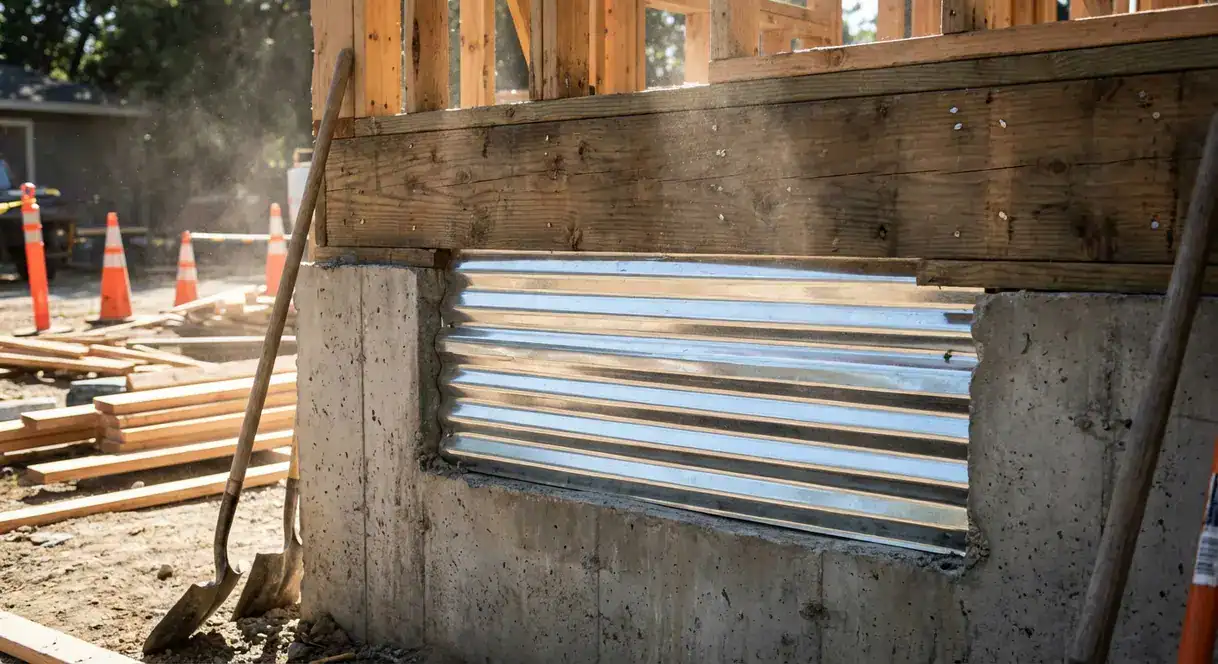
✓ Seal Entry Points: Caulk cracks and crevices in your foundation, seal gaps around utility pipes and wires, and install screens on vents.
✓ Manage Vegetation: Trim tree branches and shrubs so they do not touch your house. This eliminates a primary “bridge” for ants.
✓ Store Firewood Properly: Keep firewood stacked off the ground and several feet away from your home’s foundation.
✓ Remove Decaying Wood: Get rid of old stumps, logs, and rotting wood from your property. Ensure wooden deck posts and steps do not have direct contact with soil.
✓ Schedule Annual Inspections: A yearly check by a pest control professional can catch problems long before you see frass.
Common Questions About Carpenter Ant Frass: How to Distinguish from Sawdust
How can you tell frass from sawdust quickly?
The fastest way to tell the difference is to look for foreign debris. Carpenter ant frass contains insect parts (tiny black specks that are legs or antennae) and bits of soil, while sawdust is 100% uniform wood shavings. The texture of frass is also more fibrous and coarse.
What does carpenter ant frass smell like?
Carpenter ant frass itself is typically odorless. However, because carpenter ants prefer nesting in damp, decaying wood, the area around a nest might have a faint musty or mildewy smell. The odor comes from the moist wood, not the frass itself.
Where do carpenter ants usually nest in a house?
They target areas with moisture-damaged wood. Common nesting sites include wall voids behind dishwashers or sinks, in ceilings under leaky roofs, in hollow doors or window frames, in crawlspace sill plates, and within damp insulation in attics or basements.
Can carpenter ants damage your home’s structure?
Yes, absolutely. While a single colony works slower than termites, a large, untreated infestation can cause significant structural damage over several years. They weaken wooden beams, studs, and supports by hollowing them out, which can eventually compromise the integrity of your home.
Do I need to remove wood after a carpenter ant infestation?
It depends on the extent of the damage. If the galleries have only caused cosmetic damage, the wood may still be structurally sound. However, if the ants have extensively tunneled through critical support beams or joists, the damaged wood will need to be replaced to ensure your home’s safety. A professional contractor or pest control expert can assess the damage.
How do you get rid of carpenter ants for good?
The only way to get rid of them for good is to eliminate the entire colony, including the queen and all satellite nests. This requires locating all nests, using effective baits or non-repellent insecticides, and critically, fixing the moisture problem that attracted them in the first place.
Is finding one carpenter ant a sign of infestation?
Finding a single carpenter ant, especially a large worker, is not necessarily a cause for panic. It could be a lone forager that wandered in from an outdoor nest. However, if you see them consistently, day after day, or find winged swarmers indoors, it strongly indicates a nest is inside or very close to your home.
References & Expert Sources
- Biology and Control of Carpenter Ants – NC State Extension
- Carpenter Ants – Clemson Cooperative Extension (HGIC)
- Carpenter Ant Management – Nebraska Extension
- The Top Carpenter Ant Signs to Look Out For – Miller Pest & Termite
- Termite Frass vs Ant Frass – Termite Specialist
- Carpenter Ant Information – PestWorld (NPMA)
- Sawdust from Carpenter Ants – Envirocare Pest Control
- Pest Control Technology (PCT) Magazine
Final Thoughts: Your First Line of Defense
That small pile of debris you found is more than just a mess-it’s a message. By learning to distinguish carpenter ant frass from ordinary sawdust, you empower yourself to become the first line of defense for your home. Understanding the subtle signs-the mix of wood and insect parts, the fibrous texture, and the telltale location-allows you to act decisively before a minor nuisance becomes a major structural crisis. Don’t wait until the damage is done. Inspect your home today, address any moisture issues, and if you find evidence of these wood-destroying pests, take immediate and effective action.