Have you ever woken up with lines of itchy, red bites and immediately felt a sense of dread? Experts are predicting a staggering 67% increase in infestations due to warmer weather. That makes the question of how to protect your home more urgent than ever. For many, the first line of defense is a simple device, but it leads to a critical question: do bed bug interceptors really work?
Do Bed Bug Interceptors Really Work?
Yes, bed bug interceptors work exceptionally well as monitoring and detection tools, especially for low-level infestations. Scientific studies confirm they can detect 89% of infestations that residents are unaware of. While not a standalone solution for large-scale problems, they are a critical component of any effective pest management strategy.
What Are Bed Bug Interceptors?

So, what are bed bug interceptors, exactly? Think of them not as aggressive killers, but as silent, 24/7 sentinels for your home. These pesticide-free bed bug monitoring devices are passive traps with a simple, ingenious purpose: catching bed bugs as they travel to and from their feeding ground — typically your bed.
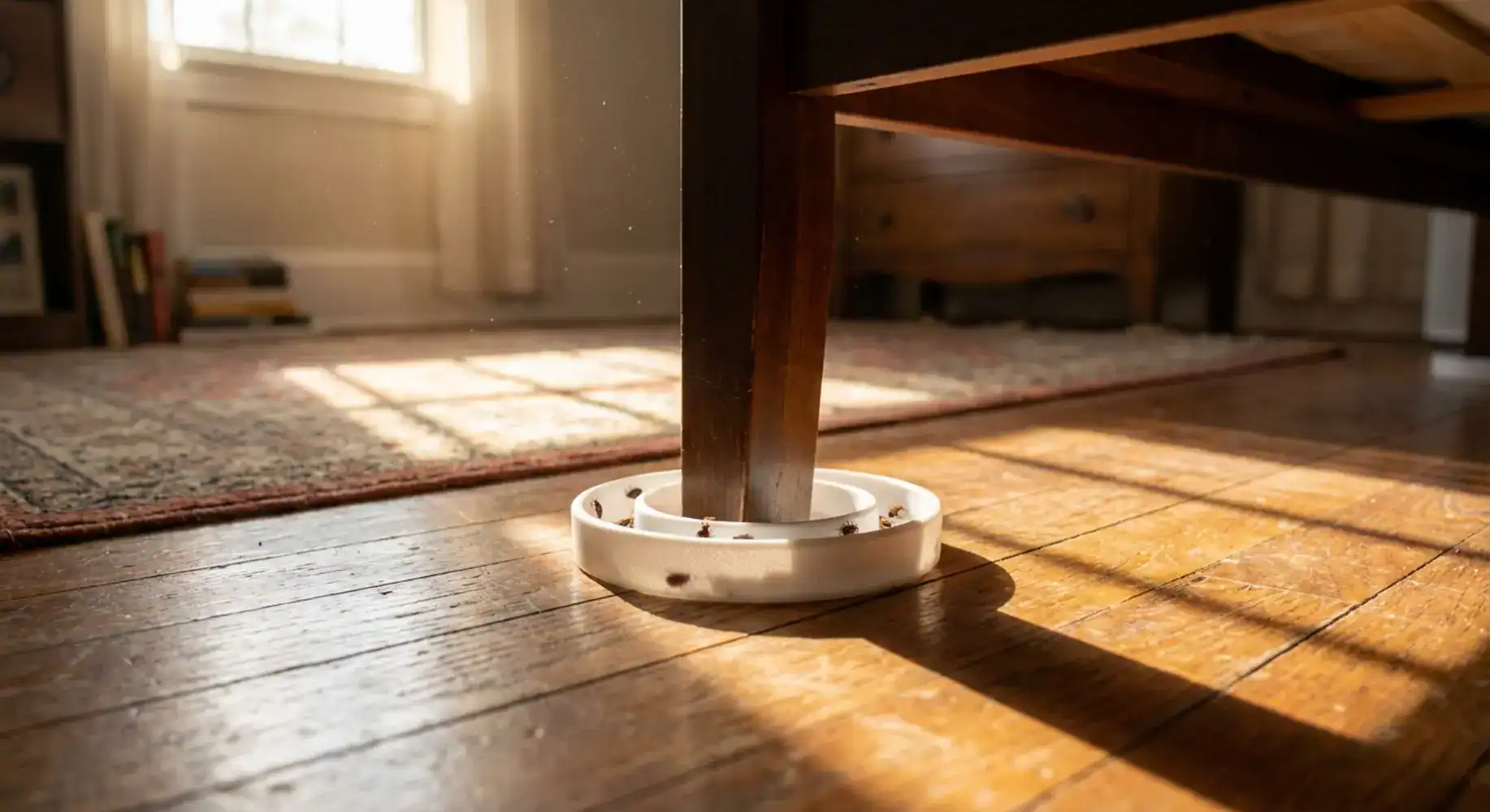
Most interceptors, like the new Hot Shot® Bed Bug Interceptor™, are reusable plastic dishes that you place under the legs of your bed, couch, or other upholstered furniture. They feature a dual-well design:
- An outer “moat” catches bugs approaching your furniture.
- An inner “moat” catches bugs leaving your furniture after feeding.
The key to their design is the texture. The exterior walls have a rough, climbable surface that allows bed bugs to easily get in. The interior walls, however, are slick and polished, making it impossible for them to climb out. This simple pitfall mechanism provides undeniable physical proof of an infestation, often long before you would notice other signs.
How Do Bed Bug Interceptors Work? The Simple Science of the Trap
The mechanics behind how do bed bug interceptors work are rooted in the predictable behavior of the common bed bug, Cimex lectularius. These pests are attracted to the carbon dioxide we exhale, our body heat, and other human scents. Consequently, their primary goal is to find a human host for a blood meal, and they typically do this under the cover of darkness.
Here’s a breakdown of the process:
- Attraction: Bed bugs hiding in cracks and crevices in your room sense you in your bed. They leave their hiding spots and begin crawling toward you.
- Interception: To reach you, they must climb up the legs of your bed frame. When you place an interceptor under each leg, you create an unavoidable obstacle.
- The Climb In: The bed bug easily scales the textured outer wall of the interceptor and drops into the outer well.
- Trapped: The inner walls of the well are too smooth to climb. The bug is now trapped, unable to reach you or return to its hiding place.
- The Exit Trap: If a bed bug is already on your bed or mattress, it will eventually try to leave to find a new hiding spot. As it crawls down the bed leg, it falls into the inner well of the interceptor and becomes trapped there.
This elegant, non-chemical approach provides a constant, round-the-clock monitoring system. It leverages the bug’s own natural instincts against it, making these effective bed bug solutions an essential tool.
The Hard Data: Unpacking the Bed Bug Trap Effectiveness
When facing a potential infestation, you need more than anecdotal evidence. The good news: significant scientific research backs the effectiveness of bed bug capture devices. Studies from leading entomologists and universities have consistently demonstrated their value.
A landmark 2016 community-wide study by researchers including Changlu Wang found that interceptors placed under furniture legs successfully detected 89% of low-level infestations. What’s truly alarming is that in the same study, residents were only aware of 41% of these infestations. This means interceptors can catch a problem nearly twice as often as human observation alone.
Further research by the esteemed Dr. Richard Cooper at Rutgers University took it a step further. His work demonstrated that bed bug interceptors can do more than just detect. They can actually control and eliminate small infestations without any pesticides.
- In one study, using interceptors as a mass-trapping tactic led to the elimination of 50% of low-level infestations in apartments after just 16 weeks.
- After 22 weeks, the elimination rates were even higher, reaching between 87% and 100% across different study groups.
The key takeaway: these devices remove bugs from the environment faster than they can reproduce — but only when the infestation is small (defined as around 10 bugs or fewer). This makes them an unparalleled tool for early detection and a powerful non-chemical control method in the right circumstances.
The Best Bed Bug Interceptors on the Market: A Data-Driven Review
While many brands exist, not all insect interceptors are created equal. Decades of field research have pointed to a few standout performers. Here are the best bed bug interceptors based on scientific validation and user reviews.
ClimbUp Insect Interceptor
- Overview: The ClimbUp is the original, university-tested pitfall trap and the one most frequently cited in successful research studies. Designed by Susan McKnight, its simple, durable, and effective design has made it the gold standard in passive monitoring.
- Rating: 9.8/10
- Key Features: Made of thick, durable plastic that resists cracking under furniture weight. The wells are deep and coated with a thin layer of talc powder to make them extra slick, ensuring no escapes.
- Pros: Scientifically proven effectiveness, highly durable, and recognized by pest control professionals worldwide.
- Cons: Can be more expensive than newer, mass-market alternatives.
- Verdict: This is the top choice for anyone serious about accurate detection and monitoring. If you want the device that the foundational research was built on, choose the ClimbUp.
Hot Shot® Bed Bug Interceptor™
- Overview: A widely available and affordable option from a well-known pest control brand. It functions on the same pitfall principle as the ClimbUp and is designed for easy consumer access.
- Rating: 8.5/10
- Key Features: Crack-resistant design, pesticide-free, and viewable well to quickly see if anything has been caught. Often sold in convenient multi-packs.
- Pros: Excellent affordability and availability in major retail stores. A great entry-point for preventative pest measures.
- Cons: Some users report the plastic feels slightly less robust than the ClimbUp.
- Verdict: An excellent budget-friendly choice for homeowners who want to implement widespread monitoring without a significant investment. It’s a practical tool for early detection.
Active Monitors (e.g., NightWatch) vs. Passive Interceptors
It’s important to distinguish between passive bed bug interceptor vs traps that are active. Active monitors use lures like CO2, heat, or chemical kairomones to attract bed bugs. While this sounds superior, research shows a more nuanced picture. In lightly infested, occupied apartments, researchers found a passive ClimbUp Interceptor deployed for 7 days was as effective as a 1-day dry ice trap (a powerful CO2 lure) — and more effective than commercial active traps like the NightWatch or CDC3000.
Active traps have their place, particularly for monitoring vacant units. But in an occupied home, the simple, inexpensive passive interceptor often performs just as well or better over a slightly longer period.
Black vs. White Interceptors: The Simple Hack That Dramatically Boosts Catches
Here’s a crucial piece of information that most guides miss. A fascinating study explored the impact of color on bed bug trap effectiveness. Researchers compared black interceptors to standard white ones. The results were astounding.
- In arena tests, black interceptors caught a median of 41.5 bed bugs, with a range of 15-116.
- White traps in the same environment performed significantly worse.
The theory: the high contrast of a black trap against a light-colored floor — or its resemblance to a dark harborage — makes it more attractive to the bugs. If you have the option, choosing black-colored interceptors could dramatically increase your chances of early detection. It’s a simple, science-backed optimization that can make a huge difference.
A Step-by-Step Guide: How to Use Bed Bug Interceptors for Maximum Impact
Buying the right device is only half the battle. Proper installation and maintenance are critical. Follow this step-by-step guide to installing and using bed bug interceptors for the best results.
- Prepare the Bed: First, pull your bed and headboard at least 6-12 inches away from any walls, nightstands, or other furniture. This is crucial. You want to force the bed bugs to use the bed legs as their only route to you.
- Isolate Bedding: Ensure that no sheets, blankets, or even dust ruffles are touching the floor. These can act as alternative “bridges” for bed bugs, allowing them to bypass the interceptors entirely.
- Place the Interceptors: Carefully lift one corner of your bed at a time and place an interceptor directly under each leg or post. Ensure the leg is centered in the inner well and the device is sitting flat and stable on the floor. If you have a large bed frame with center supports, place interceptors under those legs as well.
- Expand Your Reach: Where should bed bug interceptors be placed beyond the bed? Place them under the legs of any upholstered furniture where you spend significant time, such as couches, recliners, and chairs in the bedroom or living room.
- Check and Document: How often should bed bug interceptors be checked? You should inspect the wells at least once a week, but checking every 2-3 days is even better during an active concern. Use a flashlight to look for live bugs, dead bugs, cast skins, or even tiny eggs. Keep a log of what you find and in which trap. This data is invaluable for a pest control professional.
- Maintain the Traps: Over time, the wells can collect dust and debris, which could potentially serve as a ramp for bugs to escape. Every few weeks, or as needed, wipe the wells clean with a cotton ball lightly dusted with talcum powder. This will restore their slick surface. Knowing how to maintain and clean bed bug interceptors for optimal performance ensures they remain effective.
Cost Comparison: Bed Bug Interceptors vs. Professional Pest Control
When you suspect bed bugs, the question of cost is often front and center. A cost comparison of bed bug interceptors vs professional pest control reveals two very different financial commitments.
| Feature | Bed Bug Interceptors | Professional Pest Control |
|---|---|---|
| Upfront Cost | $20 – $60 for a set to cover a bedroom | $300 – $5,000+ for a full home treatment |
| Primary Function | Early Detection, Monitoring, Light Infestation Control | Eradication of Moderate to Severe Infestations |
| Method | Passive, non-chemical trapping | Chemical sprays, heat treatments, steam, or fumigation |
| Long-Term Value | Provides ongoing peace of mind and early warning | Solves an existing problem; may require follow-up treatments |
| Best For | Everyone, as a preventative measure or to confirm a suspicion. Essential for multi-unit dwellings. | Confirmed, widespread infestations where DIY methods will fail. |
The takeaway is clear: interceptors are an incredibly affordable investment in proactive pest management. By catching an infestation early, they can save you thousands of dollars and immense stress — stopping a small issue from becoming a full-blown crisis that needs expensive professional intervention.
Common Misconceptions About Bed Bug Interceptors
Despite their proven utility, several myths persist. Addressing these common misconceptions about bed bug interceptors is key to using them correctly.
Myth #1: Interceptors will solve any bed bug problem on their own.
- Fact: Interceptors are primarily detection and monitoring tools. While research shows they can eliminate very small, localized infestations over several weeks, they are not a standalone solution for a moderate or heavy infestation. If you are consistently catching multiple bugs each week, you need to call a professional.
Myth #2: If the traps are empty, you don’t have bed bugs.
- Fact: Empty traps are a very good sign, but not a 100% guarantee. If your bed is touching a wall, you have a low-profile frame without legs, or bed bugs are hiding inside the mattress itself, they may not be caught. However, when used correctly, they are the single most reliable bed bug detection methods available to a consumer. A period of 8 weeks with zero catches is a strong indicator of elimination.
Myth #3: You only need them if you think you have a problem.
- Fact: This is one of the biggest mistakes. The importance of using bed bug interceptors in multi-unit dwellings like apartments cannot be overstated. Because bugs can travel between units, having interceptors in place provides a constant early-warning system. They are an essential part of any ongoing bed bug prevention strategies.
Integrating Interceptors into a Broader Bed Bug Prevention Strategy
Effective pest control solutions are never about a single product. Interceptors are most powerful when integrated into a comprehensive plan. Here are actionable preventative pest measures to combine with your interceptors:
- Declutter Your Home: Bed bugs thrive in clutter. Reduce their hiding spots by organizing your belongings and eliminating unnecessary items, especially around the bed.
- Use Mattress Encasements: A high-quality, bite-proof and escape-proof encasement for your mattress and box spring will trap any bugs already on them and prevent new ones from hiding there.
- Be Vigilant When Traveling: Inspect hotel rooms thoroughly before unpacking. Keep your luggage on a metal rack away from the bed and walls. Upon returning home, immediately wash all clothing in hot water and dry on high heat.
- Scrutinize Secondhand Furniture: Never bring used furniture, especially mattresses or upholstered items, into your home without a meticulous inspection.
- Seal Cracks and Crevices: Use caulk to seal any cracks in baseboards, around electrical outlets, and between floorboards to limit hiding and travel routes.
By combining these strategies, you create multiple layers of defense, making your home a much less hospitable environment for these unwanted guests.
The Environmental Impact of Bed Bug Control Products
One of the most significant advantages of interceptors is their minimal environmental footprint. The rising concern over the environmental impact of bed bug control products makes these simple devices an even more attractive option.
- Pesticide-Free: Interceptors are 100% non-toxic. They rely on physical trapping, not chemicals. This means no harmful residues on your floors, no airborne sprays, and no risk to children or pets.
- Reusable and Durable: Unlike single-use sticky traps, a quality set of interceptors can be cleaned and reused for years. This drastically reduces plastic waste compared to disposable bed bug control products.
- Reduced Chemical Use Overall: By enabling early detection, interceptors can help homeowners avoid large-scale chemical treatments altogether. Catching a problem when it involves five bugs instead of five hundred means a far less invasive and chemically-intensive solution is needed.
As Dr. Dini Miller of Virginia Tech, a leading expert in the field, often emphasizes, an Integrated Pest Management (IPM) approach that prioritizes monitoring and non-chemical tactics is the most sustainable and effective path forward. Interceptors are the cornerstone of that modern philosophy.
User Reviews and Testimonials: Real-World Experiences
The scientific data is compelling, but what do actual users say? A look at reviews and testimonials from users of various bed bug interceptors confirms their value.
Most positive reviews echo this sentiment: interceptors provide definitive proof and peace of mind. Negative reviews often stem from improper use, such as leaving bedding touching the floor or having an infestation too severe for the traps to control alone. They highlight the importance of understanding what these bed bug detection devices are-and are not-designed to do.
Common Questions About Bed Bug Interceptors: Do They Really Work?
Are bed bug interceptors worth it?
Absolutely. For a small investment of $20-$60, they provide the most reliable method for early detection of bed bugs available to consumers. Considering a professional treatment can cost thousands, their value as an early warning system that can prevent a major infestation is immense.
Can bed bug interceptors prevent infestations?
Yes, in a way. While they don’t create a force field, they can prevent a few “hitchhiker” bugs from establishing a full-blown infestation. By trapping the first few arrivals before they can reproduce and spread, they effectively stop the infestation process in its tracks, which is key to effectiveness of bed bug interceptors in preventing infestations.
Do bed bug interceptors kill bed bugs?
Yes, they do bed bug interceptors kill bed bugs, but indirectly. The bugs are trapped in the wells and are unable to access a food source (you). Eventually, they will starve and die. However, their primary function is trapping and detection, not acting as an immediate killing agent like a pesticide.
Can bed bug interceptors be reused?
Yes, one of the best features is that can bed bug interceptors be reused. They are made of durable plastic and are designed for long-term use. You simply need to wipe them clean periodically to remove dust, debris, and any captured bugs to ensure the inner walls remain too slick to climb.
What is the best way to use bed bug interceptors?
The best way to use bed bug interceptors is to place one under every leg of your bed and any frequently used upholstered furniture. You must also isolate the furniture by pulling it away from walls and ensuring no bedding touches the floor. Checking them regularly (at least weekly) is critical for success.
References & Expert Sources
- Cooper, R. Behavioral ecology and control of Cimex lectularius. Rutgers University Thesis. (bed bug interceptor research study)
- Wang, C., Tsai, W. T., Cooper, R., & White, J. (2011). Effectiveness of a bed bug detector for monitoring bed bug (Hemiptera: Cimicidae) infestations in apartment buildings. Journal of economic entomology, 104(1), 274–279. (PubMed)
- Singh, N., Wang, C., & Cooper, R. (2013). Relative effectiveness of an active bed bug monitor for detecting and trapping bed bugs in apartments. Journal of Economic Entomology. (Oxford University Press Journals)
- Cooper, R., Wang, C., & Singh, N. (2015). Evaluation of a model community-wide bed bug management program in affordable housing. Pest Management Science, 72(1), 45-56. (The Ohio State University)
- Bennett, G.W., Gondhalekar, A.D., Wang, C., Zha, C., & Cooper, R. (2016). Bed Bug Aggregation on Dirty Laundry. PCT Magazine. (PCT Online)
- Wang, C., & Cooper, R. (2011). The Future of Bed Bug Monitoring. Rutgers, The State University of New Jersey. (Rutgers NJAES)
- Terminix. (2024). Terminix Releases Annual List of Top 50 Most Bed Bug-Infested U.S. Cities. (Terminix)
- National Pest Management Association. Press Releases on Bed Bugs. (NPMA PestWorld.org)
- Wang, C., Singh, N., Zha, C., & Cooper, R. (2016). Bed bugs: prevalence in low-income communities, resident’s reactions, and implementation of a low-cost inspection and treatment program. Journal of medical entomology, 53(3), 639-646.
- Rentokil. (2024). Bed Bug Boom Predicted for 2025. (Rentokil North America)
- Professional Pest Management Alliance. Bed Bug Awareness Week Campaign. (PPMA)
Final Thoughts: So, Are Bed Bug Interceptors Worth It?
After reviewing the scientific evidence, expert opinions, and real-world results, the answer is an unequivocal yes. The question isn’t just “do bed bug interceptors work?”, but “how can I afford not to use them?”. These inexpensive, non-toxic devices are the single most effective tool a consumer has for early detection. They provide concrete evidence, invaluable peace of mind, and a fighting chance to stop an infestation before it spirals into a costly and traumatic nightmare. By making bed bug interceptors a permanent part of your home defense, you are investing in proactive protection, and that is an investment that always pays off.