You’ve just swiped your keycard and the hotel room door swings open. But before you toss your luggage on the bed and relax, a five-minute task could save you from weeks of itching, hundreds of dollars in extermination fees, and significant psychological distress. The reality is that learning how to check hotel for bed bugs is no longer an option for savvy travelers-it’s an essential part of modern travel safety advice.
How do you properly check for bed bugs in a hotel room?
To properly check for bed bugs, immediately place your luggage in the bathroom. Then, using a flashlight, systematically inspect the mattress seams, box spring, headboard, and nearby furniture for tiny reddish-brown bugs, small black fecal spots, or translucent shed skins before unpacking anything into the room.
The Unseen Threat: Understanding Your Adversary
Before you begin your inspection, it’s vital to know what you’re looking for. Bed bugs (Cimex lectularius) are small, nocturnal, parasitic insects that feed on human blood. They are masters of hiding, and their presence has nothing to do with the cleanliness or price point of a hotel. In fact, infestations have surged by over 500% in some major cities, affecting everything from budget motels to five-star luxury resorts.
What Do Bed Bugs Look Like?
An adult bed bug is typically reddish-brown, flat, oval-shaped, and about the size of an apple seed (around 4-5 mm). After feeding, they become more swollen and elongated. Younger bed bugs, called nymphs, are smaller, translucent or yellowish-white, and much harder to spot. Bed bug eggs are minuscule, pearl-white, and about the size of a pinhead (1mm), often found in clusters within tight cracks.
The True Cost of a Bed Bug Encounter
The impact of a bed bug infestation extends far beyond the initial bites. For many travelers, the consequences include:
- Health Risks: While not known to transmit diseases, bed bug bites can cause itchy, red welts. In some people, these can lead to severe allergic reactions, secondary skin infections from scratching, and even scarring.
- Psychological Toll: Many victims report significant anxiety, paranoia, and insomnia long after the physical bites have healed. The stress of knowing these pests are in your sanctuary-and potentially in your home-is a heavy burden.
- Financial Drain: If these hitchhikers follow you home, the cost of professional pest control can range from $300 to over $800 for a single treatment, with no guarantee of success on the first try. You may also have to discard infested furniture, clothing, and luggage.
Your Pre-Inspection Game Plan
Success begins before you even enter the room. A few preparatory steps can significantly lower your risk and make your inspection more effective.
Assemble Your Bed Bug Detection Toolkit
You don’t need a professional’s kit, but a few simple items will increase your detection success rate from around 40% (with the naked eye) to over 85%.
- A Bright Flashlight: Your smartphone’s light is good, but a dedicated LED flashlight is better for illuminating dark crevices. A UV flashlight is a pro-level tool that can make bed bug fecal stains and eggs fluoresce, revealing what the naked eye might miss.
- A Magnifying Glass: A small, credit-card-sized magnifier helps you confirm if a tiny speck is an egg, a fecal stain, or just a piece of lint.
- Plastic Bags: Bring a few large, sealable plastic bags (like garbage bags). If you find evidence, you can immediately quarantine suspicious items.
Pre-Arrival Intelligence
Check online resources for reports of bed bug issues at your intended hotel. Websites like the Bed Bug Registry and TripAdvisor forums allow travelers to post about their experiences. While not foolproof, a recent pattern of complaints is a major red flag.
The S.L.E.E.P. Method: Your Step-by-Step Hotel Room Inspection Checklist
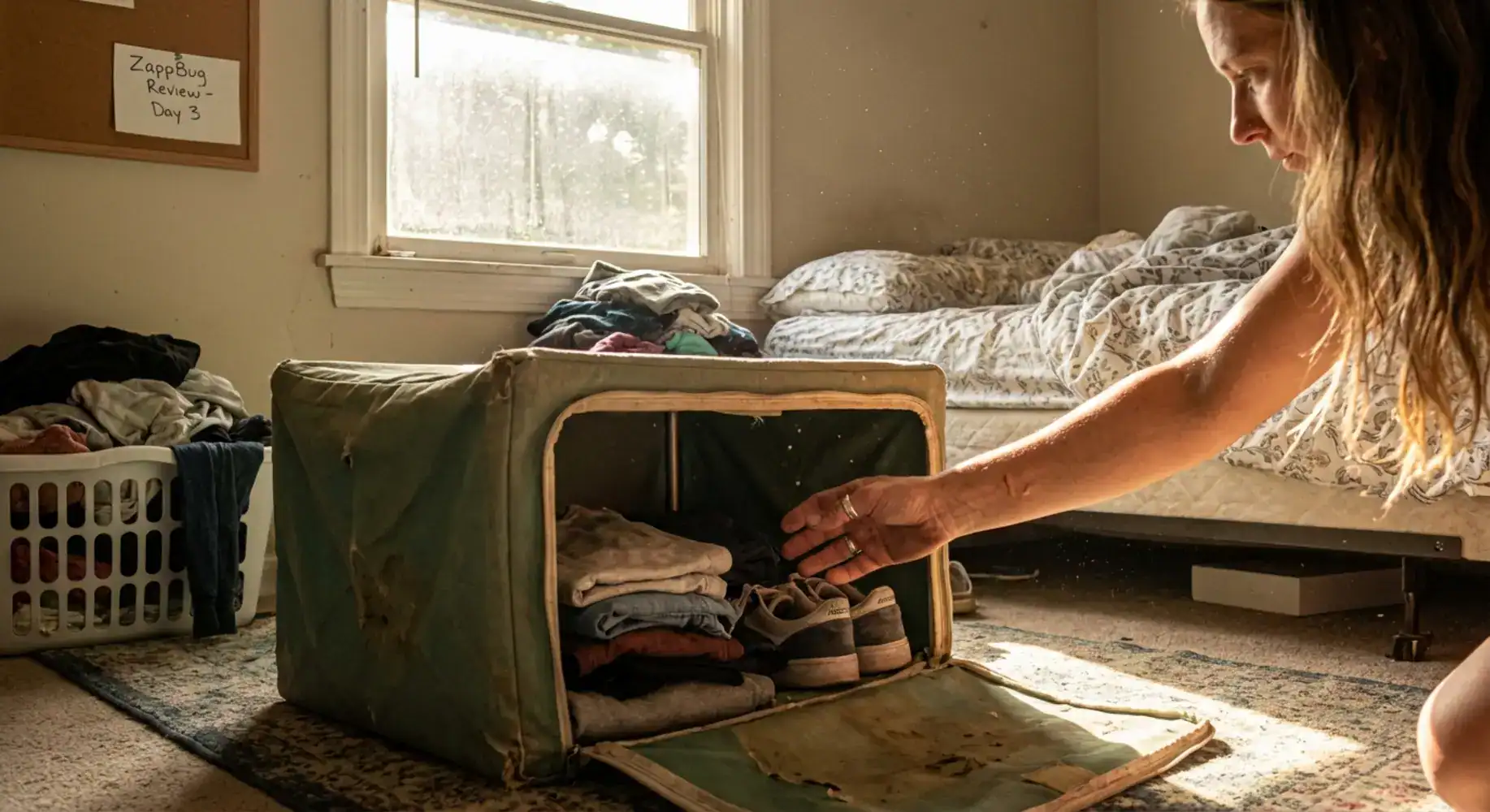
Upon entering the room, do not place your belongings on the bed or upholstered furniture. The safest spot is the bathroom-specifically in the bathtub or on the tiled floor-as bed bugs are less likely to harbor on hard, non-porous surfaces. Now, begin your systematic inspection.
Step 1: Survey the Bed – Ground Zero
The bed is the primary crime scene, as 95% of infestations are found within a 5-10 foot radius of where people sleep.
- Sheets and Pillowcases: Pull back the linens and look for tell-tale reddish or rusty-brown blood spots. These are caused by bugs being crushed after feeding.
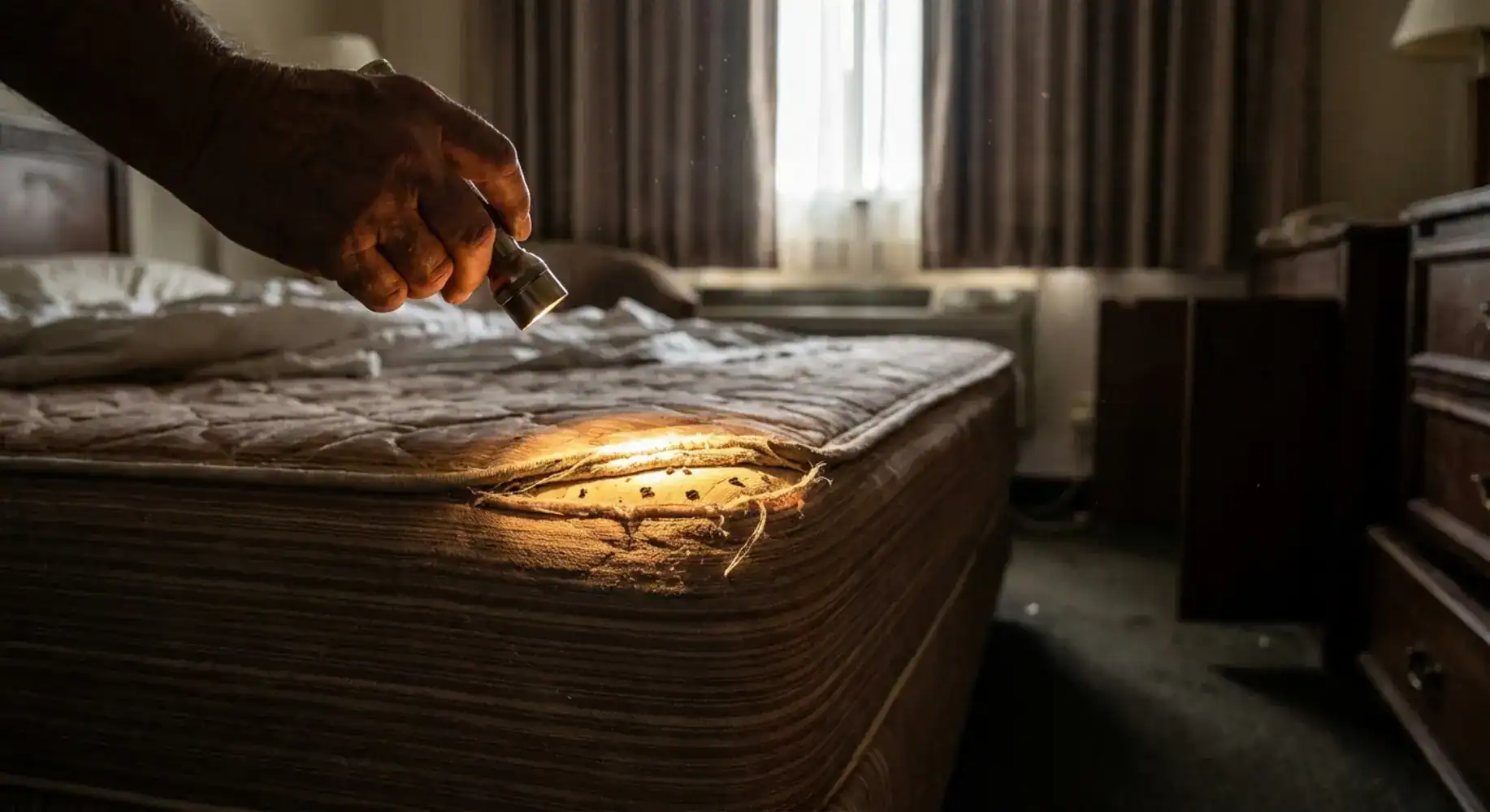
- Mattress Inspection: This is the most critical step. Using your flashlight, carefully examine the entire mattress. Pay extremely close attention to the mattress seams, piping, tufts, and tags. Lift the corners and inspect the folds. You are looking for live bugs, black fecal spots (which look like a dot from a felt-tip pen), and tiny white eggs.
- Box Spring Examination: This is a major hiding spot often missed by hotel staff. Lift the mattress completely off the box spring. Inspect the seams and joints of the box spring, especially the plastic corner guards. If there’s a dust cover on the bottom, check for any rips or tears where bugs could be hiding inside.
Step 2: Look at the Headboard and Frame
The headboard is a five-star resort for bed bugs. They love the dark, undisturbed space between the headboard and the wall.
- Headboard Inspection: Try to gently wiggle the headboard. If it’s mounted to the wall, shine your flashlight into the crevices between the headboard and the wall. A pro tip is to slide a credit card or stiff piece of paper into the gap to see if you can dislodge any bugs or shed skins.
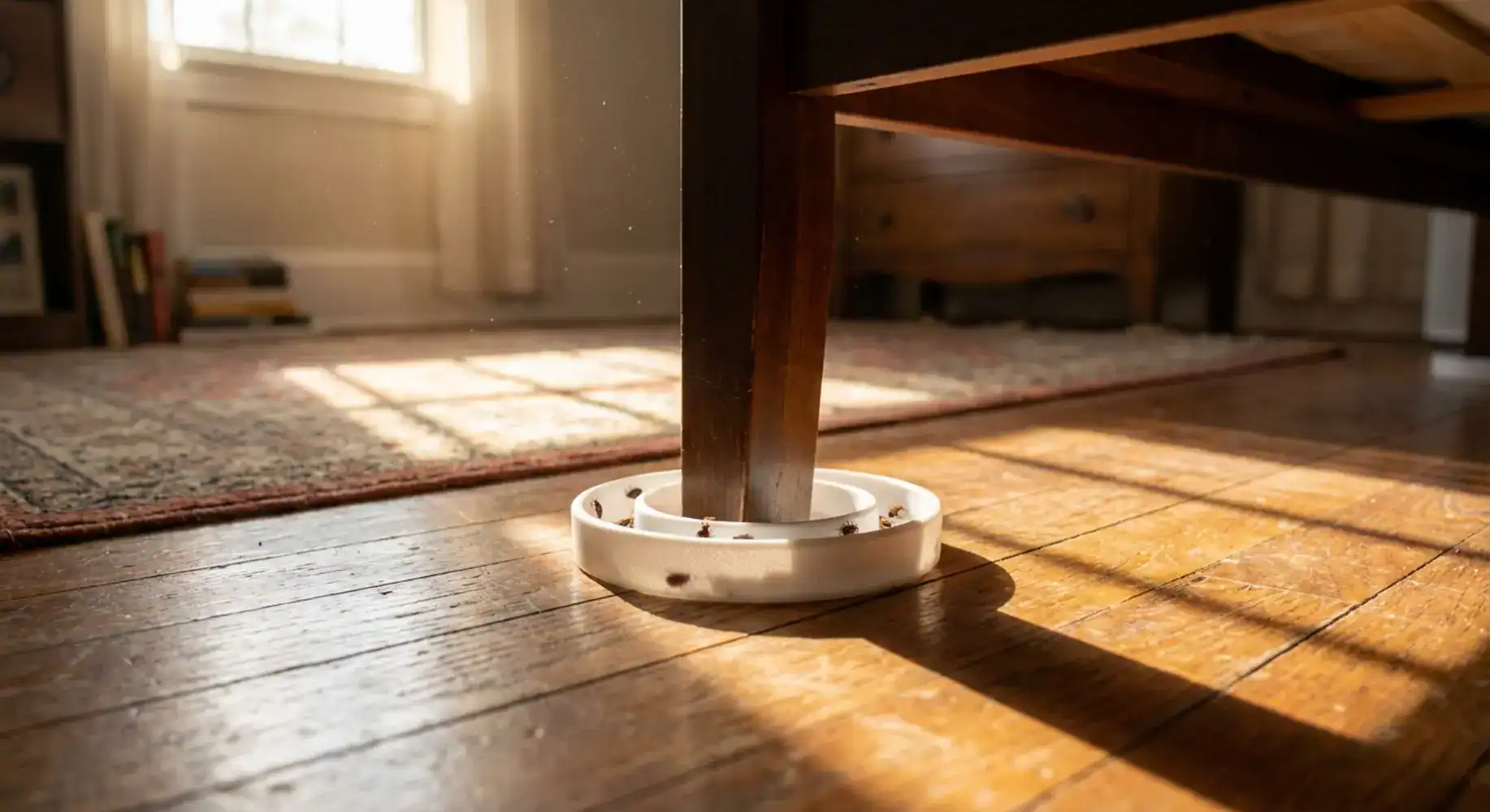
- Bed Frame Joints: Inspect all joints, screw holes, and corners of the bed frame itself. These tiny cracks provide perfect harborage.
Step 3: Examine Nearby Furniture
Bed bugs will expand their territory as an infestation grows. The next logical places are pieces of furniture close to the bed.
- Nightstands and Dressers: Open every drawer and inspect the inside cavities and joints. Don’t forget to flip them over (if possible) to check the underside.
- Upholstered Furniture: Carefully check the seams, zippers, and undersides of any sofas, chairs, or ottomans in the room. Lift the cushions and probe the deep crevices with your flashlight.
Step 4: Evaluate the Luggage Rack
This is the step that over 90% of travelers skip, and it’s a critical mistake. The luggage rack is the bridge that allows bed bugs to travel from the room into your suitcase.
- Inspect the Straps: Most racks have woven fabric straps. Check these meticulously for eggs and fecal stains, especially where they wrap around the frame.
- Check the Joints: Look at all the joints and pivot points on the rack itself.
Step 5: Probe the Room’s Perimeters
For a truly thorough inspection, expand your search to other potential hiding spots in the room.
- Baseboards and Outlets: Shine your light along the baseboards, especially behind the bed. Also, check the edges of electrical outlet plates.
- Wall Hangings and Curtains: Look behind picture frames and mirrors. Check the hems and folds of the curtains.
- Closet and Ironing Board: Even stored items like the ironing board can harbor pests. Check its cover and joints.
Identifying the Evidence: What Bed Bug Signs in Hotel Rooms Look Like
Knowing how to check for bed bugs means recognizing the clues they leave behind. Be on the lookout for these five key indicators:
- Live Bugs: Spotting a live adult or nymph is definitive proof. They will scurry away from your light.
- Fecal Spots: These are small (1-3mm), black, inky spots that look like someone dotted the surface with a fine-point sharpie. They are digested blood and will smear if you wet and wipe them.
- Blood Stains: Small, rust-colored or reddish stains on sheets, mattresses, or pillowcases are a common sign.
- Shed Skins (Exoskeletons): As bed bugs grow, they molt five times, leaving behind translucent, empty shells of themselves. These cast skins look like lighter-colored, hollowed-out bed bugs.
- Eggs and Eggshells: These are the hardest to see. They are tiny (1mm), pearly white, and often laid in tight cracks. After hatching, they leave behind a tiny, translucent shell.
Red Alert: What to Do If You Find Bed Bugs in Your Hotel Room
If your inspection reveals any of the signs above, do not panic. Follow these steps calmly and assertively.
- Document Everything: Take clear photos or a video of the evidence you found. This will be invaluable when speaking with management.
- Isolate Your Belongings: If you’ve already brought your luggage into the main room, move it back to the bathroom. Keep it sealed in plastic bags if possible.
- Notify Management Immediately: Go to the front desk in person. Do not call from the room. Politely and discreetly show them your evidence. State clearly that you have found evidence of a bed bug infestation.
- Request a New Room or a Different Hotel: If you switch rooms, request one that is not directly adjacent to, above, or below the infested room, as bed bugs can travel through wall voids and electrical conduits. A better option may be to request a full refund and find another hotel entirely.
- Inspect the New Room: Even if you move to a new room in the same hotel, you must perform the same thorough inspection.
Understanding Your Rights and Reporting
Your legal rights can vary by state and country. However, hotels generally have a duty of care to provide a safe and habitable environment. If the hotel is uncooperative, you can report the infestation to the local public health department. For unresolved financial or health issues resulting from the stay, you may consider consulting with a personal injury attorney who specializes in such cases.
Fortress Luggage: How to Prevent Bringing Bed Bugs Home From a Hotel
Your diligence shouldn’t end when you leave the hotel. The most important goal is to prevent a travel-related infestation from becoming a home infestation.
- Unpack Outside: If possible, unpack your suitcase in a garage, on a patio, or in a utility room. Never unpack on your bed or in your bedroom.
- The Dryer is Your Best Weapon: All clothing-even items you didn’t wear-should go directly into the dryer on high heat (at least 120°F or 49°C) for a minimum of 30-40 minutes. This temperature kills all life stages of bed bugs, including the eggs. Then, wash the clothes as usual.
- Treat Your Luggage: Thoroughly vacuum your suitcase inside and out, paying close attention to seams and pockets. Dispose of the vacuum bag in a sealed plastic bag outside your home immediately. For hard-shell luggage, wipe it down. For soft-shell luggage, a portable steam cleaner can be effective. Consider storing your luggage in a large plastic bag or bin away from your bedroom.
Common Questions About Travel Safety: How to Inspect a Hotel Room for Bed Bugs
How do I know if a hotel has bed bugs before checking in?
Your best strategy is to check recent traveler reviews on sites like TripAdvisor and the Bed Bug Registry for any mentions of infestations. While hotels are not required to disclose this information, patterns of guest complaints are a significant warning sign. Always call the hotel directly to ask about their pest control policies if you have concerns.
Are bed bugs more common in cheap or dirty hotels?
No, this is a dangerous myth. Bed bugs are not attracted to dirt; they are attracted to carbon dioxide, heat, and blood. Consequently, they can be found in any hotel, regardless of its price or star rating. A luxury hotel with high guest turnover can be just as susceptible as a budget motel.
What does a bed bug bite look like?
Bed bug bites typically appear as small, red, itchy welts, often in a line or a small cluster of three to five bites (sometimes called “breakfast, lunch, and dinner”). However, it’s important to note that about 30% of people show no reaction at all, making a visual room inspection even more critical. Bites can also take up to 14 days to appear.
Can bed bugs travel in luggage?
Yes, luggage is the primary mode of transportation for bed bugs. They are expert hitchhikers that can easily hide in the seams, pockets, and folds of suitcases, backpacks, and purses. This is why keeping your luggage off the bed and using the hotel luggage rack (after inspection) is a critical part of bed bug prevention.
What should I do if I wake up with bites but didn’t see any bugs?
If you suspect you’ve been bitten, immediately perform a detailed inspection of the mattress seams and headboard. The absence of visible bugs doesn’t mean they aren’t there-they are excellent at hiding. Report your suspicions and show the bites to hotel management. Request an incident report to document the situation.
References & Expert Sources
- Purdue University Extension: Bed Bugs: Biology and Public Health Risk (PDF)
- California Department of Public Health (CDPH): EPA Bed Bug Travel Tips (PDF)
- American Hotel & Lodging Association (AHLA): AHLA Bed Bug Resources (PDF)
- United States Environmental Protection Agency (EPA): Getting Rid of Bed Bugs
- Centers for Disease Control and Prevention (CDC): CDC Bed Bugs Information
- Harris Pest Control: How To Check Your Hotel Room For Bed Bugs
- Bug Out Service: 5 Places to Check for Bed Bugs in Your Hotel Room
- AmTrust Financial: Ultimate Bed Bug Checklist for Hotels
- Terminix: Bed Bug Travel Tips
- Orkin: Bed Bug Tips for Travelers
- BedBug Central: How to Check for Bed Bugs in a Hotel
- National Pest Management Association: Bed Bugs are #1 Pest of Concern for Summer Travel
Final Thoughts: Your Empowerment Through Vigilance
The thought of bed bugs can cause a great deal of anxiety, but knowledge and a consistent process are your greatest defenses. By dedicating just five minutes to check hotel for bed bugs upon arrival, you transform yourself from a potential victim into a proactive, empowered traveler. This simple hotel room safety inspection is one of the most effective travel habits you can adopt. Share this hotel bed bug inspection checklist with fellow travelers-because awareness is the first and most critical step in ensuring every trip remains a positive and pest-free experience.