If you are reading outdated garden blogs telling you to drop poison down a hole, you might be about to break federal law. Recent sweeping legislative changes have severely restricted toxic rodenticides. As a result, figuring out how to get rid of gophers requires a completely modernized approach. Homeowners are now rapidly shifting away from dangerous chemicals, pivoting entirely toward targeted mechanical tools and professional carbon dioxide systems to stop severe yard damage.
How do you get rid of gophers safely and effectively?
To eliminate gophers permanently, homeowners must use mechanical cinch traps set deep inside the main subterranean runway, or employ professional-grade carbon dioxide displacement machines. Due to strict new environmental regulations, toxic chemical baits and sulfur smoke bombs are heavily restricted. Trapping provides instant visual confirmation and poses zero risk of secondary poisoning to local pets or wildlife.
Understanding the Pocket Gopher and Burrow Anatomy
Identifying the exact underground architecture of a rodent infestation is the necessary first step before deploying any eradication tool. You simply cannot trap or gas an animal if you do not understand where it actually lives.
A pocket gopher is defined as a solitary, burrowing rodent equipped with specialized fur-lined external cheek pouches used exclusively for transporting food. These pests rarely emerge above ground. Instead, they spend their entire lives excavating massive tunnel networks. A single active adult can create a complex burrow system containing up to 500 distinct tunnels.
Think of a gopher tunnel system like an underground highway system. The “main runway” is the primary interstate, running completely parallel to the surface at a depth of four to twelve inches. The “lateral tunnels” are merely short exit ramps. These ramps lead directly up to the surface. When a gopher pushes excavated dirt out of a lateral tunnel, it forms a distinct, crescent-shaped mound on your lawn. If you’re not sure you’re even dealing with a gopher — moles and voles leave different signs — check our mole vs. vole tunnel guide first.
Proper gopher burrow management requires knowing the difference between these two tunnel types. If you place a trap in the shallow lateral tunnel, the gopher will simply push a wall of dirt over it. Successful residential gopher solutions rely entirely on accessing the deep main runway.
Trapping Gophers Effectively in Residential Yards
Mechanical trapping remains the most reliable, legally compliant, and environmentally responsible method for homeowners to clear a property. Success depends entirely on correctly probing the soil and placing the hardware directly into the active travel path.
Trapping provides absolute visual confirmation of a catch. This eliminates the endless guesswork associated with chemical gopher control. When you use a mechanical device, you know immediately if the pest is gone.
Step-by-Step Guide to Humane Gopher Trapping
Executing a perfect trap set requires a methodical approach and the right digging tools. Follow this chronological process to maximize your success rate.
- Locate a fresh, crescent-shaped dirt mound indicating recent overnight activity.
- Probe the soil roughly eight to twelve inches behind the plug side of the mound using a metal rod.
- Push the probe down repeatedly until you feel a sudden drop in physical resistance.
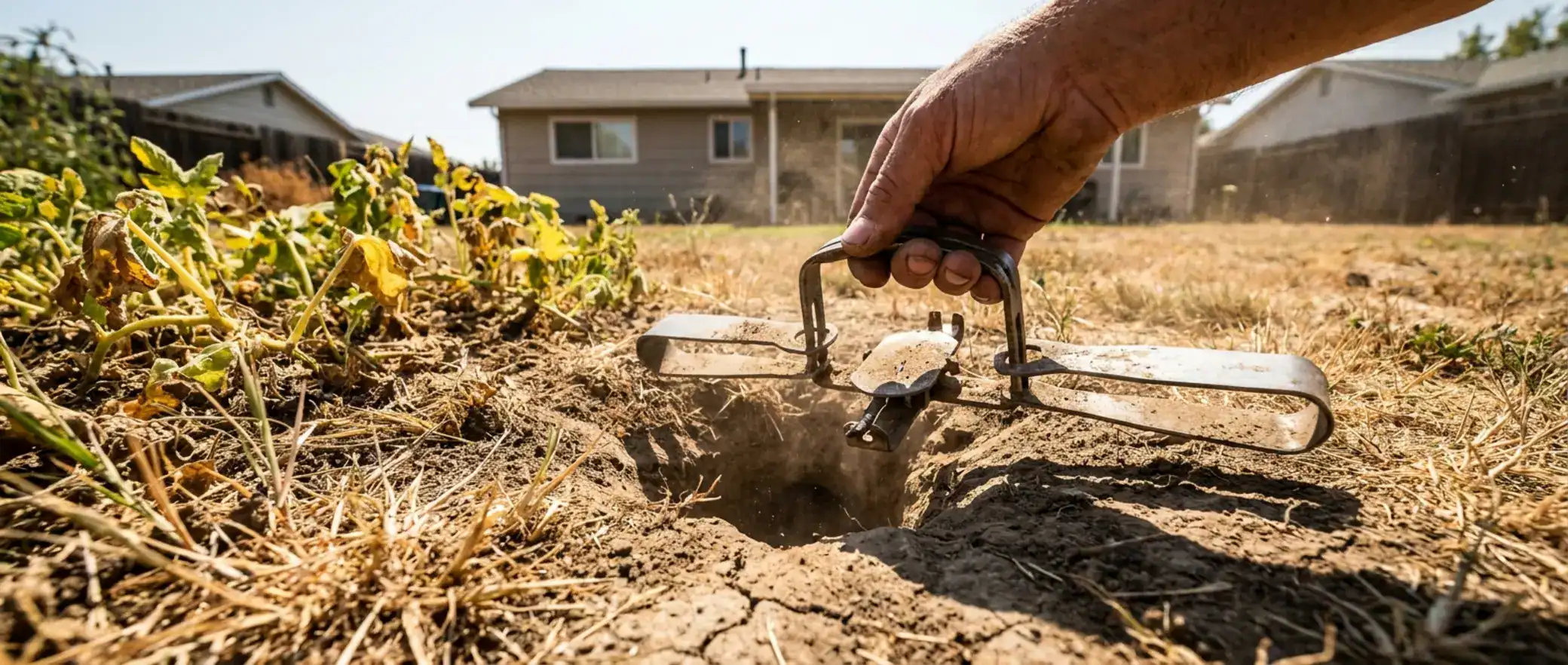
- Excavate a small six-inch hole straight down to expose the main tunnel using a hori-hori knife.
- Clear out any loose dirt clods from the tunnel floor to prevent mechanical jamming.
- Place two mechanical traps back-to-back inside the tunnel facing opposite directions.
- Tie the traps to a surface stake using a brightly colored wire.
- Cover the open excavation hole with a piece of cardboard to block all incoming light.
- Check the traps daily and remove any captures promptly to maintain yard hygiene.
Safety Note: Always wear heavy-duty leather gloves when setting tension-loaded traps to prevent severe finger injuries, and always anchor your traps to prevent predators from dragging them away.
Many beginners struggle with the probing phase. A sudden loss of friction is your only indicator that you have struck the subterranean run. If you miss this main highway, your gopher pest control efforts will ultimately fail.
Selecting the Best Traps for Gophers
Not all hardware is created equal when dealing with aggressive underground rodents. Choosing the right device depends heavily on your soil type, the size of the animal, and your personal tolerance for digging up your lawn.
The traditional Macabee trap is an industry staple. It is highly affordable and widely available at local hardware stores. However, it requires a fairly large excavation hole. This can cause temporary aesthetic damage to manicured turf. Additionally, larger adult gophers occasionally escape standard Macabee traps due to the narrow jaw spread.
For larger pests, many seasoned professionals prefer the Gophinator. This specific trap features a specialized trigger mechanism and wider jaws. Consequently, it boasts a significantly higher retention rate for massive adults.
If you want to minimize lawn damage, the GopherHawk is an incredibly popular alternative. This modern device allows you to probe and set a snare directly from the surface. You do not need a shovel. You simply push the cylindrical trap down through the soil directly into the tunnel. While the GopherHawk is remarkably user-friendly, some users find it less durable in dense, rocky clay soils.
The Case Against Traditional Gassing Methods
Traditional consumer-grade smoke bombs and toxic gas cartridges often fail completely because these rodents possess an incredible evolutionary defense mechanism. Using gas for DIY gopher control is largely considered a waste of money by industry professionals.
Gophers possess highly sensitive olfactory receptors. They can detect sulfur smoke or foreign chemical odors within seconds. When they smell danger, their immediate instinct is to retreat and seal the tunnel. They rapidly pack loose soil into a dense “dirt plug.” This airtight wall blocks the toxic gas from reaching their nesting chamber.
Soil thermodynamics also dictate the effectiveness and risks of using gas for gopher control. Fumigation is only viable when soil moisture is exceptionally high. Wet soil acts as a natural sealant, keeping the toxic fumes pressurized underground. In contrast, dry summer clay is full of microscopic cracks. If you deploy a smoke bomb in August, the gas simply dissipates harmlessly into the open air above your lawn.
Modern Regulatory and Environmental Concerns
Recent wildlife protection laws have strictly limited civilian access to highly toxic rodenticides, fundamentally altering the landscape of nuisance pest management. Homeowners must stay informed to avoid heavy fines and catastrophic accidents.
In 2025, California implemented Assembly Bill 2552, widely known as the Poison-Free Wildlife Act. This landmark legislation heavily restricts consumer access to anticoagulant rodenticides. Lawmakers passed this bill specifically to combat the devastating effects of secondary poisoning.
Secondary poisoning is defined as the biological phenomenon where a natural predator dies after consuming a rodent that previously ingested toxic bait. Barn owls, red-tailed hawks, coyotes, and domestic dogs are highly susceptible to this specific threat.
Because of these environmental concerns around gopher control methods, relying on poison is no longer a viable or ethical strategy. Even federal agencies have tightened their grip. The United States Environmental Protection Agency recently expanded restrictions on aluminum phosphide. This professional-grade fumigant reacts with ground moisture to create lethal phosphine gas. It is now strictly illegal to use this restricted-use pesticide within 100 feet of any residential building.
Carbon Dioxide: The Professional Gassing Alternative
While consumer smoke bombs fail, professional-grade carbon dioxide displacement offers a highly effective, residue-free alternative to traditional chemical poisons. Carbon dioxide targets the rodent directly without leaving dangerous toxins in the soil.
Pest control operators now frequently utilize Pressurized Exhaust Rodent Control machines. These devices pump high concentrations of heated carbon monoxide or carbon dioxide directly into the burrow system. A prominent example is the IGI Eliminator. This tool floods the tunnel network with heavy CO2 gas.
Because CO2 is naturally odorless and heavier than oxygen, it sinks rapidly into the deepest nesting chambers. The rodent does not detect a noxious chemical smell. Therefore, it does not build a defensive dirt plug. The animal simply falls asleep as the oxygen is displaced.
This method represents a massive leap forward in humane ways to remove gophers. It leaves no rotting toxic carcass behind. If a neighborhood cat digs up the deceased pest, the cat remains perfectly safe. Unfortunately, professional CO2 treatments are expensive. The equipment costs hundreds of dollars, making it impractical for the average DIY homeowner.
Head-to-Head Comparison: Traps Versus Gas
Analyzing the cost, labor, and success rates of different strategies reveals why mechanical solutions currently dominate the residential market. A direct cost comparison between DIY gopher control and hiring professionals highlights the sheer value of learning to trap.
| Evaluation Metric | Mechanical Trapping | Traditional Gassing |
|---|---|---|
| Initial Equipment Cost | $15 to $45 | $10 to $20 per pack |
| Labor Intensity | High (Requires digging) | Low (Ignite and drop) |
| Documented Success Rate | 70% to 90% | 0% to 20% |
| Visual Catch Confirmation | Yes | No |
| Secondary Poisoning Risk | Zero Risk | Moderate to High Risk |
| Environmental Impact | Zero soil residue | Potential chemical leaching |
Trapping requires a one-time financial investment. A high-quality steel trap will last for decades if properly maintained. Conversely, gas cartridges are single-use consumables. If the gopher survives the smoke, you must purchase more cartridges. Consequently, the long-term financial burden of gassing quickly outpaces the initial cost of traps.
Common Mistakes People Make in Gopher Control
Even with the correct tools, homeowners routinely fail to eradicate these pests due to a few easily avoidable procedural errors. Understanding these common pitfalls will drastically reduce your frustration.
The most frequent mistake is placing traps inside the shallow lateral tunnel. As previously established, lateral tunnels are essentially dump sites. The gopher pushes dirt up this ramp and rarely returns to it. If you set your trap here, the gopher will merely push a fresh load of soil directly into your firing mechanism. You must dig deeper to find the horizontal main run.
Another major error involves poor scent management. Gophers possess highly acute olfactory senses. If you handle a metal trap right after applying chemical sunscreen, the rodent will smell the foreign contaminant and avoid the area completely. Always wear clean yard gloves when handling your equipment.
Finally, homeowners often wait too long to intervene. Gophers do not hibernate. If you notice a single fresh mound, you must act that exact same day. A minor nuisance can evolve into a full-scale property crisis in less than a week. Immediate action is the cornerstone of effective underground rodent control.
Seasonal Patterns in Gopher Activity and How to Prepare
Timing your eradication efforts according to natural biological cycles drastically improves your overall success rate. Gopher activity fluctuates wildly based on soil temperature, seasonal moisture, and breeding cycles.
Spring and fall are the absolute peak seasons for subterranean excavation. During these temperate months, the soil is incredibly moist and pliable. Gophers dig aggressively, creating dozens of fresh surface mounds as they expand their foraging territories. This makes locating their active tunnels remarkably easy.
Late winter marks the beginning of the breeding season. During this brief window, you might actually catch multiple animals in a single tunnel system. Male gophers actively travel through interconnected networks seeking females. Shortly after, dispersing pups will leave the maternal nest to establish their own adjacent territories.
Summer presents the most difficult trapping environment. When the ground bakes under the July sun, the topsoil becomes dense, dry clay. Gophers retreat much deeper underground to find cooler temperatures and moisture. Surface mounds disappear entirely, making it nearly impossible to locate the main runway with a standard probe. If you plan to trap during a severe summer drought, heavily irrigate your lawn for two days prior to soften the earth.
Natural Repellents for Gophers: Fact Versus Fiction
The internet is completely flooded with organic home remedies and homemade repellent recipes. Sadly, scientific field trials consistently prove that these supposed natural solutions are entirely ineffective against established rodent populations.
Comparing effectiveness of chemical vs. natural remedies for gophers reveals a hard truth. Repellents simply do not work underground. Many garden blogs claim that planting Euphorbia, commonly known as gopher spurge, will naturally drive pests away. While the plant is technically toxic, the gopher will simply tunnel right past the roots to eat your prized tomatoes instead.
Similarly, solar-powered sonic spikes are heavily marketed to desperate homeowners. These devices emit a rhythmic beeping sound designed to annoy underground pests. However, gophers quickly habituate to the noise. Within a week, they will happily dig a tunnel directly underneath the vibrating stake.
Castor oil pellets represent another widely sold natural repellent. The theory suggests the bitter oil coats the roots of grass, making the food supply unpalatable. In reality, applying enough castor oil to thoroughly saturate a deep subterranean tunnel system is financially impossible for a standard residential yard.
Debunking Dangerous and Silly Gopher Myths
Misinformation surrounding pest eradication often leads homeowners to waste valuable time while their expensive landscaping is actively destroyed. Let us address the most persistent myths plaguing neighborhood forums.
✓ Juicy Fruit Gum Myth: A famous urban legend claims that dropping fruit-flavored chewing gum into a burrow will fatally block the rodent’s intestinal tract. This is entirely false. Gophers simply ignore the gum, or push it out with the excavated dirt.
✓ Human Hair Myth: Some gardeners stuff dog clippings or human hair into tunnels, believing the predator scent will cause a panic. The pest simply uses the hair as free insulation for its nesting chamber.
✓ Flooding Myth: Shoving a garden hose into a hole seems logical. Unfortunately, a massive 500-tunnel network easily absorbs hundreds of gallons of water. The animal simply retreats to a higher, dry chamber until you turn the water off.
✓ Exhaust Pipe Myth: Attempting to pipe car exhaust into a burrow is incredibly dangerous, highly illegal, and rarely works due to poor atmospheric pressure seals.
Relying on these debunked methods allows the gopher population to multiply unchecked. Real gopher removal techniques require physical extraction or professional-grade atmospheric displacement.
Integrating Barn Owls for Long-Term Prevention
For homeowners with large acreages or agricultural properties, fostering natural predators is a brilliant supplementary strategy. Wildlife management for gophers increasingly relies on the strategic installation of barn owl nesting boxes.
A single family of barn owls can consume up to 1,000 rodents in a single calendar year. By installing a wooden nesting box on a tall wooden pole, you actively invite these apex predators to patrol your property every night. Vineyards across California have adopted this method with massive success.
However, natural predation is a supplementary tool, not a standalone cure. Owls hunt opportunistically. They will not entirely eradicate an infestation overnight. Furthermore, this strategy only works if you completely eliminate the use of toxic bait stations. If an owl consumes a poisoned rodent, the bird will suffer a painful death. The long-term impacts of trapping vs. gassing on local wildlife clearly favor chemical-free environments.
How to Prevent Future Gopher Problems in Your Yard
Once you successfully eradicate an active population, you must immediately implement physical barriers to stop neighboring rodents from invading the newly vacant tunnel system. Prevention is significantly cheaper than repeated trapping campaigns.
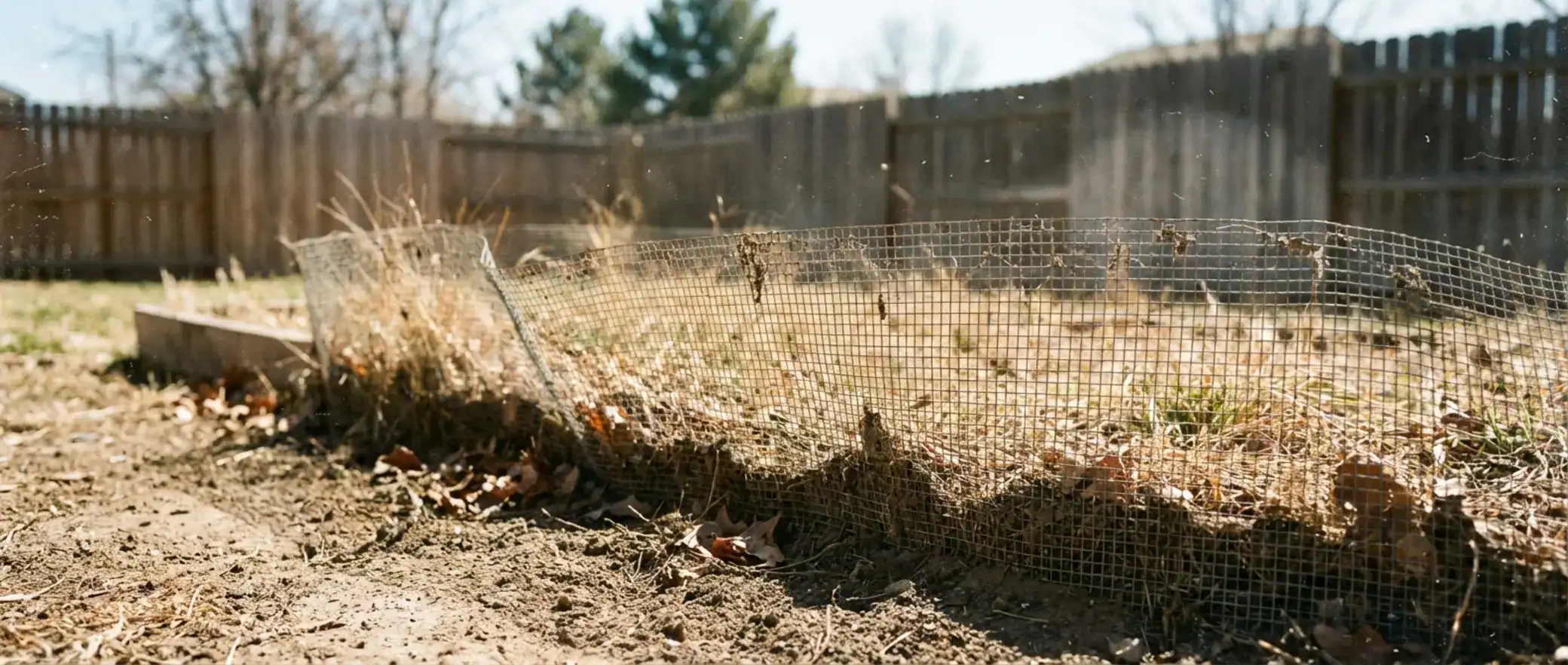
Underground exclusion fencing is the gold standard for long-term protection. You must dig a trench around your garden beds and install galvanized steel hardware cloth. The mesh should drop at least 18 to 24 inches below the soil surface, with an additional six inches bent outward at a sharp 90-degree angle. This subterranean lip prevents the animal from simply digging straight down under the fence line.
If you are building new raised garden beds, always staple heavy-duty gopher wire directly to the bottom wooden frame before adding fresh soil. This creates an impenetrable metal floor. When applying gopher control in lawns versus gardens approaches and strategies, raised beds are much easier to defend than open turf.
Finally, actively manage your vegetation. Remove thick brush piles and tall weeds from the perimeter of your property. These overgrown areas provide secure, hidden staging grounds for migrating rodents. Clean sightlines discourage pests from crossing into your manicured landscape.
Common Questions About Gopher Control: Trapping vs. Gassing
What is the most effective gopher trap for beginners?
The GopherHawk is widely considered the best entry-level trap because it requires absolutely no digging. You simply use the included metal probe to locate the tunnel, punch a small hole, and push the snare mechanism down from the surface.
Why do gophers survive traditional smoke bombs?
Gophers have a highly developed sense of smell and instantly detect sulfur smoke. When alarmed, they rapidly build a dense, airtight wall of soil known as a “dirt plug” to block the gas from entering their living chambers.
How deep should I probe to find the main gopher tunnel?
You will typically find the main horizontal runway between four and twelve inches below the grass surface. You must probe about a foot away from the fresh dirt mound, pressing down until you feel a sudden drop in soil resistance.
Is carbon dioxide gassing safe for pets and owls?
Yes. Professional CO2 displacement merely removes oxygen from the burrow, putting the rodent to sleep without introducing any residual toxins. This completely eliminates the threat of secondary poisoning to natural predators and domestic dogs.
Can I trap a gopher during the dry summer months?
Trapping in mid-summer is extremely difficult because dry clay soil prevents visible surface mounding. To encourage activity and soften the ground for probing, you should heavily irrigate the suspected infestation area for two days prior to setting traps.
References and Expert Sources
- University of California Agriculture and Natural Resources Pocket Gopher Guidelines
- California Department of Fish and Wildlife AB 2552 Regulations
- United States Environmental Protection Agency Rodenticide Restrictions
- Smith’s Pest Management Field Demonstration Data
- National Pest Management Association Trap Efficacy Studies
- Journal of Wildlife Management Sonic Deterrent Data
- Napa Valley Agricultural Pest Management Review
- Ekoterra Carbon Dioxide Displacement Alternatives
- Wildlife Animal Control Exclusion Barrier Specifications
- Consumer Pest Control Spending Survey 2026
Final Thoughts
Dealing with an aggressive subterranean rodent invasion can feel like an unwinnable battle, especially when old-school chemical tricks repeatedly fail. The modern regulatory landscape has forced a necessary evolution in backyard pest management. To truly master how to get rid of gophers, you must abandon outdated toxic baits and fully embrace the mechanical precision of subterranean trapping.
By taking the time to understand tunnel anatomy and investing in high-quality hardware like the Gophinator or GopherHawk, you gain absolute control over your property. Trapping provides undeniable visual proof of success while perfectly safeguarding your local ecosystem from secondary poisoning. If manual digging is out of the question, hiring a licensed professional equipped with a carbon dioxide displacement machine remains your safest secondary option.
Stop wasting your weekends fighting an invisible enemy with bubble gum, useless smoke cartridges, and noisy solar stakes. Equip yourself with the right steel traps, find that main runway, and reclaim your lawn today.