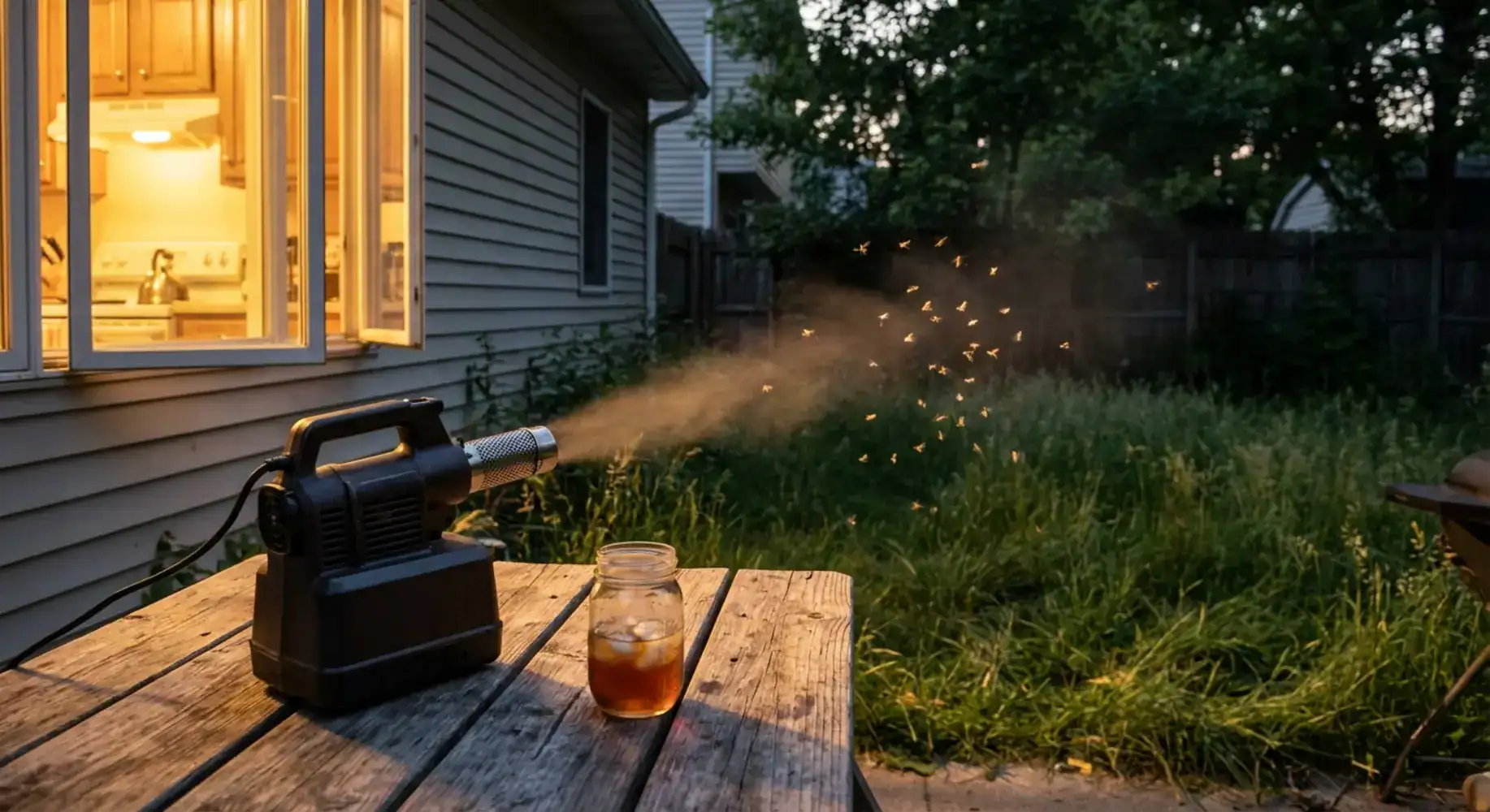
The constant buzzing, the itchy welts, the mad dash indoors at dusk-it’s a familiar battle for anyone who loves their backyard. You’ve invested in a beautiful outdoor space, only to have it held hostage by relentless mosquitoes. Evaluating the mosquito misting system cost is the first step toward reclaiming your patio, but the price tag can be daunting until you realize a DIY approach puts you back in control.
How much does a DIY mosquito misting system cost?
A DIY mosquito misting system typically costs between $1,000 and $1,800 for a complete kit. This price includes the reservoir, pump, tubing, and a set of nozzles for a standard quarter-acre yard. In contrast, a professionally installed system averages between $2,500 and $4,000, making the DIY route a significant cost-saver.
Are You Tired of Mosquitoes Ruining Your Outdoor Enjoyment?
Mosquitoes are more than just a nuisance; they are vectors for dangerous diseases like West Nile virus, Zika, and Dengue fever. The global mosquito repellent market is projected to reach over $13 billion by 2034, fueled by this growing awareness. While citronella candles and bug sprays offer temporary relief, they fail to create a lasting “safe zone.” A DIY mosquito misting system offers a semi-permanent, automated solution that creates a protective barrier around your property, turning your yard back into the sanctuary it was meant to be.
What Exactly is a Mosquito Misting System?
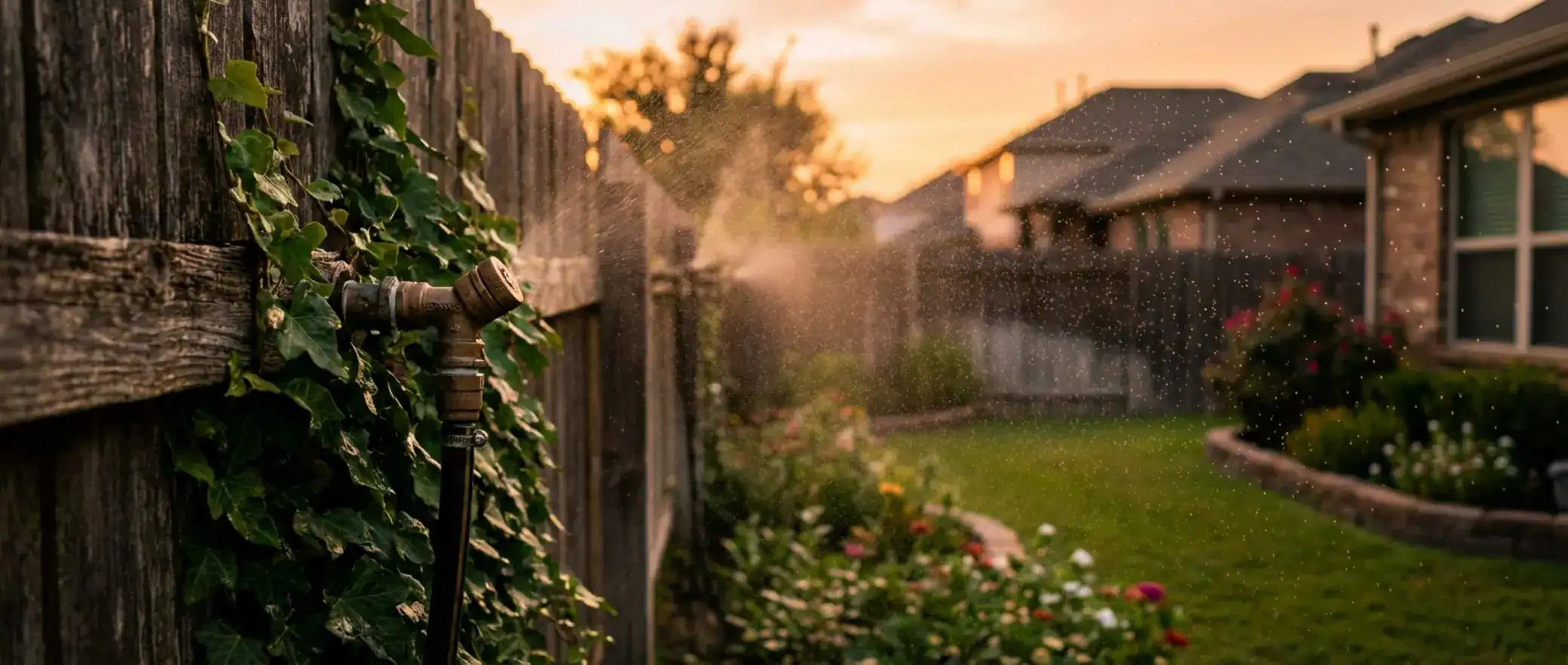
Think of it as a sprinkler system for insect control. An automated mosquito misting system is a network of nozzles strategically placed around the perimeter of your yard, connected by tubing to a central reservoir. This reservoir holds a diluted insecticide solution. On a pre-set schedule-typically at dawn and dusk when mosquitoes are most active-a high-pressure pump activates, pushing the solution through the tubes and out of the nozzles as an ultra-fine mist. This mist settles on the surrounding foliage, killing or repelling any mosquitoes that come into contact with it.
The primary benefits are clear:
- Automated Protection: The system works on a timer, so you don’t have to remember to spray every day.
- Effective Control: It can reduce mosquito populations in your yard by up to 90%.
- Reclaimed Space: You can finally enjoy your deck, pool, and garden without being swarmed.
The Total Cost Breakdown of DIY Mosquito Misting Systems vs. Professional Installation
The biggest decision you’ll face is whether to install the system yourself or hire a professional. The mosquito misting system installation cost is the main differentiator, with labor for a standard 30-nozzle system running between $400 and $700. Let’s break down the numbers to give you a clear picture of the mosquito repellent system cost.
| Item / Service | DIY Cost Range | Professional Installation Cost Range | Key Notes |
| Complete System Kit (Drum-Based) | $999 – $1,800 | $2,000 – $3,600 (includes labor) | Kits include the pump, 55-gallon drum, timer, tubing, and ~30 nozzles. |
| Tankless System | N/A (Generally Pro-Install Only) | $4,000+ | High-end, app-controlled option with no manual refills needed. |
| Individual Nozzles | $5 – $20 each | Included in Pro Quote | Needed for expanding coverage or replacing clogged parts. |
| Initial Insecticide Fill | $100 – $300 | Often included in the initial price. | Cost depends on the type and concentration of the chemical. |
| Installation Labor | $0 (Your time) | $400 – $1,000 | Hourly rates for pros are typically $50 – $100. |
| Total Estimated Cost | $1,100 – $2,100 | $2,500 – $4,500+ | DIY saves you an average of 50-70%. |
Factors that influence the final insect misting system cost include the size of your property (which determines the number of nozzles and length of tubing), the type of system (drum-based vs. tankless), and regional labor rates. For example, homeowners in states like Florida or Texas may see a 20% premium due to high demand and specific regulations.
Common Components of a DIY Mosquito Misting System
Building your own system requires a handful of key components. While you can buy complete kits, purchasing parts individually can sometimes lead to more affordable mosquito misting systems if you source them correctly.
✓ Reservoir (Drum or Tank): A 55-gallon drum is standard. This holds the water and insecticide mixture.
✓ Pump & Motor: The heart of the system. It pressurizes the liquid to create the fine mist.
✓ Timer/Controller: The brain. This allows you to set automatic misting schedules. Modern versions often include a remote control or app integration.
✓ Tubing: High-pressure nylon tubing carries the insecticide from the reservoir to the nozzles. You’ll need enough to run along your entire perimeter.
✓ Nozzles: These atomize the liquid into a mist. You’ll need one every 10-15 feet for effective coverage. Nickel-plated brass nozzles are durable and resist clogging.
✓ Fittings & Connectors: Tees, elbows, and clamps are needed to connect the tubing and nozzles into a cohesive circuit.
✓ Insecticide: The active ingredient. Pyrethrin-based solutions are the most common.
Step-by-Step Mosquito Misting System Installation Guide
Installing a DIY insect misting system is a manageable weekend project for someone with basic tool skills. Here’s a simplified breakdown of the process.
Step 1: Plan Your Layout
Before you buy anything, map out your yard.
- Measure the Perimeter: Walk the perimeter of the area you want to protect (e.g., along fence lines, roof eaves, and garden beds). This tells you how much tubing you’ll need.
- Determine Nozzle Placement: Plan to place a nozzle every 10 to 15 feet. Mark these locations on your map. A standard quarter-acre yard will typically require 30-40 nozzles. The goal is to create an uninterrupted barrier.
- Locate the Reservoir: Find a discreet, level spot for the 55-gallon drum, ideally near an outdoor electrical outlet and a water source.
Step 2: Assemble the Components
With your plan in hand, it’s time to build. You’ll need basic tools like a drill, tubing cutter, ladder, and safety glasses.
- Set Up the Reservoir: Place the drum on a stable base and install the pump and motor according to the manufacturer’s instructions.
- Run the Tubing: Starting from the reservoir, run the nylon tubing along your planned route. Secure it to fences, eaves, or stakes using clamps every few feet to prevent sagging.
- Install the Nozzles: At each marked location, cut the tubing and insert a “tee” fitting. Attach a short piece of tubing to the tee, and then connect your nozzle. Ensure nozzles are mounted at a height of at least 8 feet and angled slightly downwards and outwards.
Step 3: Mix and Test the System
This is where you handle the chemicals. Always wear gloves and eye protection.
- Choose Your Insecticide: Pyrethrin-based insecticides derived from chrysanthemums are common. Permethrin is a synthetic, longer-lasting alternative. Eco-friendly options like rosemary or peppermint oil-based solutions are available, but their effectiveness can be lower.
- Mix the Solution: Fill the reservoir with water and add the insecticide concentrate according to the label’s dilution instructions. Mixing ratios are critical for both safety and effectiveness.
- Prime and Test: Power on the system to prime the pump and fill the lines. Manually trigger a misting cycle and walk the perimeter to check for leaks and ensure every nozzle is spraying a fine, even mist. Adjust angles as needed.
The Hidden Reality: Maintenance and Upkeep Costs of Mosquito Misting Systems
The initial mosquito misting spray system price is only part of the equation. Ongoing maintenance is required to keep the system running effectively.
- Insecticide Refills: This is your biggest recurring expense. A 55-gallon drum will typically last 2-4 months, depending on the frequency and duration of your misting cycles. Expect to spend $100 to $300 per refill, or around $200-$600 annually.
- Nozzle Cleaning and Replacement: Over time, nozzles can get clogged by mineral deposits or debris. They should be cleaned seasonally. Some will inevitably need replacement at a cost of $5 to $20 each.
- Pump and Filter Maintenance: The pump’s filter needs to be cleaned regularly to prevent clogs that can damage the motor.
- Winterization: In colder climates, the system must be drained and winterized to prevent lines from freezing and cracking. This is a simple DIY task, but professional services charge $50-$100 per visit.
The average cost of a professional repair is a staggering $490. Because of this, staying on top of simple DIY maintenance can save you a significant amount of money and prevent system failure.
Effectiveness of DIY Systems vs. Professional Options
When installed correctly, a DIY system can be just as effective as a professionally installed one, achieving a 90% reduction in mosquito activity. The effectiveness of DIY systems compared to commercial options hinges entirely on the quality of the installation.
The primary advantage of a professional installation is expertise. A pro knows exactly how to space nozzles for optimal coverage, avoiding common DIY pitfalls like uneven misting or placing nozzles where the mist will drift into a neighbor’s yard. However, with careful planning and by following instructions, a dedicated DIYer can achieve the same result. The core components-the pump, nozzles, and insecticide-are often identical. Your savings come from providing the labor yourself.
Unseen Dangers: Safety Concerns with Mosquito Misting Chemicals
It’s essential to address the safety concerns with mosquito misting chemicals. The insecticides used, while EPA-approved for residential use, are not harmless.
- Impact on Beneficial Insects: The mist is non-discriminatory. It can kill beneficial pollinators like bees and butterflies, as well as other helpful insects. To mitigate this, only spray at dawn and dusk when bees are least active, and never spray directly onto flowering plants.
- Risks to Pets and Children: While the diluted mist is considered low-risk once settled, you should always keep pets and children away from the area during a misting cycle and for at least 30 minutes afterward to allow droplets to settle. Never place nozzles near play areas or pet bowls.
- Environmental Impact: Chemical runoff can be a concern. Avoid placing nozzles where mist can drift directly into ponds, streams, or vegetable gardens. Some states and municipalities have specific permits or regulations for installing mosquito misting systems in residential areas, so always check with your local authorities before you begin.
Troubleshooting Common Issues with DIY Misting Systems
Even with a perfect setup, you may encounter issues. Here’s a quick guide to fixing the most common problems.
- Problem: Clogged Nozzles
- Solution: Unscrew the nozzle tip and soak it in a vinegar-water solution overnight to dissolve mineral buildup. Use a fine needle to clear any remaining debris.
- Problem: Leaking Fittings
- Solution: The most common cause is a poorly cut tube. Ensure you are making clean, straight cuts with a proper tubing cutter. Re-cut the tube and firmly re-insert it into the fitting.
- Problem: Pump Won’t Turn On
- Solution: Check the basics first. Is it plugged in? Is the GFCI outlet tripped? Is the timer programmed correctly? If those are fine, check the filter for a clog that might be causing the motor to seize.
- Problem: Uneven Misting
- Solution: This usually points to a layout problem. Your nozzles may be too far apart (greater than 15 feet), or there might be a kink in the tubing restricting flow to a certain section.
Tips for Maximizing the Effectiveness of a DIY Mosquito Misting System
To get the most out of your outdoor mosquito misting system cost, follow these pro tips:
- Time it Right: Set your timer for two or three short mists (30-60 seconds each) at dawn and dusk. This is when mosquitoes are most active and pollinators are not.
- Eliminate Standing Water: Your misting system is only one part of an integrated pest management plan. Regularly empty birdbaths, check for clogged gutters, and remove any containers that hold water where mosquitoes can breed.
- Use a Remote Control: A remote is invaluable for triggering a manual misting cycle 30 minutes before you host an outdoor gathering, ensuring your yard is clear when guests arrive.
- Mind the Wind: Install a wind sensor or avoid misting on windy days to prevent the insecticide from drifting out of your target zone.
Reviews of Popular DIY Mosquito Misting Systems on the Market
While many homeowners piece their systems together, several brands offer excellent all-in-one kits that simplify the process.
MistAway Gen 1.3 Drum-Based System
- Overview: MistAway is a leader in the industry, and their DIY kits are robust and reliable. This system features a 55-gallon drum, a digital controller with remote, and enough components for a 30-nozzle circuit.
- Pros: High-quality components, leak detection, easy-to-use controller.
- Cons: Higher end of the DIY price range, typically around $1,500.
- Verdict: Best for homeowners who want professional-grade quality without the professional price tag.
Pynamite Cube Pro Solar
- Overview: This innovative system offers a solar-powered option, making it perfect for locations without easy access to an electrical outlet. It’s a compact, 55-gallon system with app control and a remote.
- Pros: Solar-powered, smart-home compatible, small footprint.
- Cons: The initial mosquito spray system pricing is higher, often starting around $1,750.
- Verdict: Ideal for the eco-conscious or tech-savvy homeowner who needs placement flexibility.
Solutions Pest & Lawn DIY Mosquito Misting System Kit
- Overview: Solutions Pest & Lawn offers one of the most affordable mosquito misting systems on the market. Their basic kit starts around $999 and provides all the essentials for a smaller yard.
- Pros: Excellent value, great entry-level option.
- Cons: Components may not be as heavy-duty as premium brands.
- Verdict: The perfect choice for budget-conscious DIYers with standard-sized yards.
Common Questions About DIY Mosquito Misting Systems: Cost & Installation Guide
Is a mosquito misting system worth the cost?
Yes, for many homeowners, it is worth the investment. The value comes from reclaiming your outdoor living space and gaining consistent, automated protection from mosquitoes. When you compare the one-time mosquito control system DIY cost to the recurring expense and hassle of monthly professional spray services ($70+ per application), a DIY system often pays for itself within a few seasons.
How much does it cost to refill a mosquito misting system?
The cost to refill a standard 55-gallon mosquito misting system is typically between $100 and $300. This cost depends entirely on the type of insecticide concentrate you purchase and its required dilution ratio. A single refill should last anywhere from two to four months, depending on how frequently and for how long you schedule your misting cycles.
Are mosquito misting systems harmful to my garden?
They can be if not used carefully. The insecticides, particularly pyrethroids, are non-selective and can harm beneficial insects like bees that pollinate your plants. The best practice is to avoid placing nozzles where they will spray directly onto flowering plants or vegetable gardens. Additionally, only misting at dawn and dusk helps minimize the impact on pollinators.
What is the ideal timing and frequency for misting?
The ideal schedule is to mist two to four times per day for very short durations of 30 to 60 seconds. The most effective times are at dawn and dusk when mosquitoes are most active. This targeted approach maximizes effectiveness against mosquitoes while minimizing insecticide usage and potential harm to beneficial insects.
Can I use natural or eco-friendly chemicals in my system?
Yes, you can use natural insecticides in most misting systems. There are many eco-friendly options available that are based on essential oils like rosemary, peppermint, and geraniol. However, it’s important to note that while these are safer for pollinators and the environment, they are generally less potent than pyrethrin-based solutions and may require more frequent or longer misting cycles to achieve the same level of effectiveness.
References & Expert Sources
To ensure the accuracy and authority of this guide, we consulted a range of data points and expert resources.
- Fixr.com – Mosquito Misting System Cost Guide
- Angi – How Much Does a Mosquito Misting System Cost?
- HomeAdvisor – Cost to Install a Mosquito Misting System
- Mr. Mosquito – DIY Mosquito Control Systems
- Solutions Pest & Lawn – Mosquito Misting Systems
- U.S. Environmental Protection Agency (EPA) – Mosquito Control Information
- Centers for Disease Control and Prevention (CDC) – Mosquito Control
- Reddit Forums: r/DIY, r/homeowners, and r/pestcontrol for user testimonials and real-world troubleshooting.
- University of Kentucky Entomology – Mosquito Control
- Visiongain – Global Mosquito Repellent Market Projections
Final Thoughts: Is a DIY System Your Ticket to a Mosquito-Free Summer?
Ultimately, the decision to install a DIY mosquito misting system comes down to a balance of cost, effort, and convenience. The numbers are compelling-you stand to save over $1,500 compared to a professional installation. That’s a significant saving that can be reinvested into other parts of your outdoor oasis. However, this path requires a commitment to research, a weekend of hands-on work, and diligent ongoing maintenance.
If you are comfortable with basic tools and are willing to learn the intricacies of your system, the reward is immense: a backyard that is finally yours to enjoy, day and night. By carefully planning your layout and understanding the safety protocols, you can create a highly effective barrier against mosquitoes. The mosquito misting system cost for a DIY project is a smart, one-time investment in countless seasons of outdoor enjoyment.