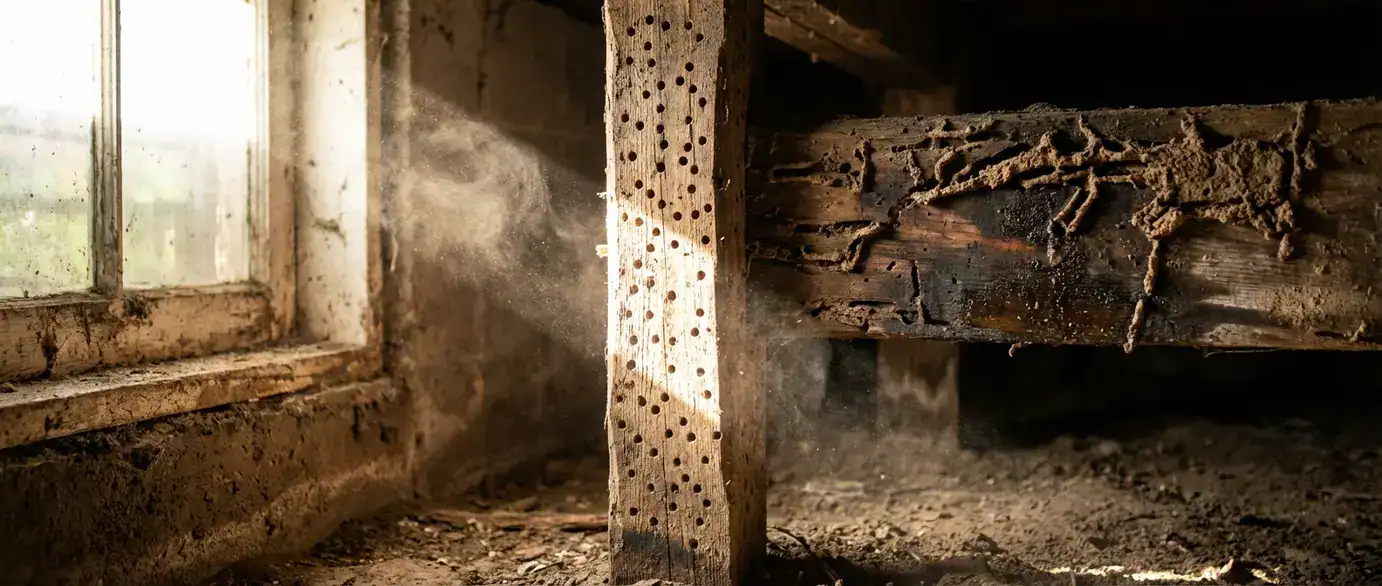
That sinking feeling in your stomach when the pest inspector points to tiny mud tubes or sawdust-like droppings is unforgettable. Suddenly, your home’s structural integrity is in question, and you’re facing a slew of complex decisions, none more daunting than the potential termite tenting cost. Is encasing your entire house in a brightly colored tarp and pumping it full of gas truly worth the price and disruption, or are there better ways to protect your biggest investment?
How much does termite tenting cost?
The average cost of tenting a house for termites ranges from $2,000 to $8,000, or $1 to $4 per square foot. For a typical 2,500 sq. ft. home, homeowners can expect to pay around $2,500 to $7,750, with prices varying based on location, infestation severity, and home design.
What is Termite Tenting and How Does It Work?
Termite tenting, known professionally as structural fumigation, is a comprehensive method for eradicating drywood termite infestations. It’s the “nuclear option” of pest control, designed to eliminate entire colonies that may be hidden deep within the walls, attics, and foundations of your home. Unlike spot treatments that target specific areas, tenting treats the whole structure at once.
The fumigation process is meticulous and requires licensed professionals. Here’s a breakdown of the steps:
- Preparation: Homeowners must vacate the property for 24 to 72 hours. This includes removing all people, pets, and plants. Food and medication must be sealed in special bags or removed entirely.
- Sealing the Structure: A large, heavy-duty vinyl tarp is draped over the entire house and sealed tightly to the ground. This creates an airtight enclosure to contain the fumigant.
- Gas Introduction: A licensed fumigator releases a precise amount of a gaseous pesticide, most commonly Vikane (sulfuryl fluoride), into the tent. The gas is measured based on the home’s cubic footage, temperature, and the specific type of pest.
- Dwelling Period: The gas penetrates every crack and crevice in the wood, suffocating the termites. This phase typically lasts for 18 to 48 hours.
- Aeration and Clearance: After the dwelling period, the tarps are removed, and the house is aired out using powerful fans. A professional will then use sophisticated detection equipment to test the air quality and ensure all residual pesticides are gone before certifying the home is safe for reentry.
This method is considered one of the most effective termite treatment options for widespread drywood termite and Formosan termite colonies because it reaches pests that other methods cannot.
The Full Breakdown of Your Termite Tenting Cost
The cost of termite fumigation is not a one-size-fits-all figure. It’s a complex calculation influenced by your home’s size, location, and the severity of your termite problem. Understanding these factors is key to budgeting for this significant home maintenance expense.
National Average Costs by Home Size
The most significant factor determining the final termite tenting price is the size of your home, typically measured in square or cubic feet. Larger homes require more materials, more fumigant gas, and more labor.
Here is a general estimate of fumigation costs for households based on square footage:
| Home Size (Square Feet) | Average Cost Range |
| 1,000 sq. ft. | $1,000 – $4,000 |
| 1,500 sq. ft. | $1,500 – $6,000 |
| 2,000 sq. ft. | $2,000 – $8,000 |
| 2,500 sq. ft. | $2,500 – $10,000 |
| 3,000+ sq. ft. | $3,000 – $12,000+ |
Keep in mind that the termite tenting cost per square foot can range from $1 to $4, but complex rooflines, multiple stories, or attached garages can increase the total cubic footage and push the price higher.
How Location Dramatically Affects Pricing
Where you live plays a massive role in the final bill. Regional labor rates, state regulations, and the local prevalence of termites all impact the cost of pest control tenting.
California, for instance, has some of the highest rates in the country due to strict regulations and a high incidence of drywood termites. In California, pricing is often quoted per linear foot (the perimeter of your home). Costs can range from $3.36 to as high as $18.40 per linear foot. A homeowner in San Jose might see average costs between $348 and $1,064, while someone in Southern California could face a bill several times that for a similar-sized home. In contrast, states with a lower risk of drywood termites, like those in the Midwest, will generally have lower prices.
The Hidden Costs Associated with Fumigation
The quote from your pest control company is just the beginning. The high costs associated with traditional pest control methods like tenting extend beyond the service itself. Failing to account for these can lead to serious budget overruns.
- Initial Inspection Fee: While many companies offer free inspections, some charge between $100 and $300. This fee may or may not be applied to the final treatment cost.
- Relocation Expenses: You cannot stay in your home for 2-3 days. This means budgeting for a hotel, food, and potentially boarding for your pets. These costs can easily add $500 to $1,500 to your total expense.
- Landscape Damage: Crews need access around your entire foundation. This can lead to trampled flower beds or damaged shrubs. Some delicate plants near the foundation may need to be removed or might not survive the fumigant.
- Gas Line Shutdown/Re-light: The gas company must shut off service before fumigation and re-light pilot lights after. This may involve a service fee.
- Post-Fumigation Repairs: Tenting kills existing termites but doesn’t fix the damage they’ve already caused. Repairing damaged wood can range from a few hundred dollars for cosmetic fixes to over $6,000 for significant structural issues.
Is Tenting the Most Effective Option? Weighing the Benefits
Despite the significant cost and inconvenience, structural fumigation remains the gold standard for a reason. Its effectiveness is unmatched for widespread infestations.
The primary benefit of tenting is its comprehensive nature. It boasts an effectiveness rate of over 99% for killing drywood termites within the structure. Because the gas permeates the entire home, it eliminates colonies in inaccessible areas that other treatments would miss. Additionally, tent fumigation can simultaneously eradicate other pests like bed bugs, cockroaches, and wood-boring beetles, offering a complete home “detox.”
Exploring Alternative Termite Treatment Options
Tenting isn’t your only choice. Depending on the type of termite and the extent of the infestation, more cost-effective termite treatment options may be suitable. It’s crucial to understand the termite tenting vs treatment cost and effectiveness.
Heat Treatment (Thermal Remediation)
Instead of chemicals, this method uses propane heaters to raise the interior temperature of your home to between 120-140°F for several hours. This heat is lethal to termites and can be just as effective as fumigation for a single structure.
- Pros: Chemical-free, requires you to be out of the home for only a few hours (not days), and is effective against all life stages of termites.
- Cons: Can be slightly less expensive or equally priced as fumigation ($1 to $3 per sq. ft.). The intense heat can potentially damage sensitive electronics, plastics, and veneers if not properly protected. It also may not penetrate deep into concrete slabs or foundation wood.
Liquid Soil Treatment & Barriers
This is the primary method for treating subterranean termites, which live in the ground and build mud tubes to access your home. Tenting is ineffective against this species. A termite barrier treatment involves digging a trench around the foundation and applying a liquid termiticide to the soil, creating a continuous chemical barrier that kills termites on contact.
- Pros: Highly effective for subterranean termites and provides long-term protection (often 5+ years).
- Cons: Does not treat drywood termites already inside the home’s structure. It can be disruptive to landscaping around the foundation. Costs range from $4 to $16 per linear foot.
Bait Systems
Bait systems like Sentricon use strategically placed stations around the property. These stations contain a slow-acting bait that termites carry back to the colony, eventually eliminating the entire population, including the queen.
- Pros: Less invasive than liquid treatments, environmentally friendly, and effective for colony elimination.
- Cons: Can take several months to work and requires ongoing monitoring and an annual contract, which can cost $300 to $800 per year. Initial installation costs range from $1,500 to $3,000.
| Treatment Method | Best For | Average Cost | Pros | Cons |
| Structural Fumigation (Tenting) | Widespread Drywood Termites | $2,000 – $8,000+ | Highest efficacy (99%+); treats entire structure. | High cost; must vacate home; uses chemicals. |
| Heat Treatment | Localized to Widespread Drywood Termites | $2,000 – $6,000 | Chemical-free; faster re-entry. | Can damage sensitive items; may not penetrate all materials. |
| Liquid Barrier | Subterranean Termites | $1,000 – $3,000 | Long-term prevention; kills on contact. | Invasive to landscape; not for drywood termites inside. |
| Bait Systems | Subterranean Termites | $1,500 – $3,000 (Install) + Annual Fee | Non-invasive; colony elimination. | Slow-acting; requires ongoing contract. |
Why DIY Termite Treatments Are a Bad Idea
While the comparison of tenting costs vs DIY termite treatments might seem appealing, attempting to handle a termite infestation yourself is extremely risky. Over-the-counter products lack the potency of professional-grade termiticides. More importantly, without professional training, you are likely to miss the full extent of the colony, allowing them to continue causing silent, expensive damage. The importance of hiring licensed professionals for tenting and other treatments cannot be overstated; it’s a job where expertise directly impacts the safety and value of your home.
Addressing Critical Safety and Health Concerns
The idea of filling your home with toxic gas understandably raises many questions. Addressing the concerns about safety during and after tenting is paramount.
- Human Health: The primary fumigant, sulfuryl fluoride, is highly toxic if inhaled. This is why vacating the premises is non-negotiable. After the aeration process, a licensed professional must clear the home before it is safe to re-enter. There should be no lingering chemical residues posing long-term health risks when the job is done correctly.
- Potential Impacts on Pets and Plants: All pets, including fish, must be removed. The gas is lethal to them. Houseplants must also be taken outside. While most outdoor plants will be fine, those directly against the house may suffer from contact with the tarps or residual gas during aeration.
- Food Safety: Any food, feed, or medication not removed or sealed in special Nylofume bags provided by the fumigator must be thrown away. This includes items in your refrigerator and freezer.
A reputable pest control company will provide you with a detailed checklist of everything you need to do to prepare your home and ensure the safety of your family and belongings.
The Emotional Toll and Financial Anxiety of Termites
The homeowner anxiety over potential damage from termites is real and profound. Termites don’t just eat wood; they consume your peace of mind. Discovering an infestation can trigger immense stress, fueled by fears of costly repairs and a decline in property value.
This is a common sentiment. The disruption, the unexpected financial blow, and the uncertainty create a significant emotional distress of potential home losses due to termites. It underscores the importance of making an informed, confident decision about treatment rather than a panicked one.
Will Your Insurance Cover the Cost?
This is one of the first questions homeowners ask, and the answer is almost always disappointing. Standard homeowners’ insurance policies explicitly exclude damage and treatment for termites and other wood-destroying insects. The reasoning is that a termite infestation is considered a preventable maintenance issue, not a sudden and accidental event like a fire or storm.
Therefore, you should expect the full termite removal costs to be an out-of-pocket expense. Some pest control companies offer financing plans to help manage the high upfront cost. Checking your specific policy is always wise, but do not count on termite tenting insurance coverage to save you from the bill.
Life After Tenting: Post-Treatment Care and Prevention
Once the tent is off and you’re back home, the work isn’t over. Follow these steps to protect your investment long-term.
- Inspect for Damage: Now that the termites are gone, have a contractor assess the damage. Prioritize repairs to structural elements like beams, joists, and sill plates.
- Establish a Prevention Plan: Tenting doesn’t prevent future infestations. Consider signing up for an annual termite bond or protection plan. For about $300-$800 per year, a company will conduct regular inspections and provide treatment for any new infestations that appear.
- Control Moisture: Termites are attracted to moisture. Ensure your gutters are clean, fix leaky pipes, and make sure your crawl space is dry and well-ventilated.
- Remove Food Sources: Keep firewood, lumber, and other cellulose debris stacked away from your foundation. Ensure there’s no wood-to-soil contact anywhere around your home’s exterior.
Common Questions About Is Tenting Your House Worth the Cost? Fumigation Guide
How long does termite treatment last?
The fumigation itself offers no residual protection. Tenting is designed to eliminate 100% of the current termite population in your home. However, it does not prevent new colonies from infesting the property in the future. The effectiveness and duration of termite treatments like liquid soil barriers can last for five years or more, providing long-term prevention.
Is tenting really necessary for termites?
Tenting is necessary for widespread drywood termite infestations. For smaller, localized colonies, less invasive methods like spot treatments with chemicals or heat may be sufficient. For subterranean termites, tenting is ineffective; a soil treatment or bait system is the required professional solution.
How do I prepare my house for termite tenting?
You will receive a detailed checklist from the fumigation company. Key preparations include removing all people, pets, plants, and unsealed food/medications. You must also extinguish all pilot lights and make arrangements for your family to stay elsewhere for up to three days.
What are the long-term effects of chemical fumigation?
When performed correctly, there are no long-term effects. The fumigant gas used, sulfuryl fluoride, is a non-residual chemical. This means it completely dissipates from the home during the aeration process and does not leave behind harmful residues on surfaces. Your home is certified safe before you are allowed to re-enter.
Does tenting a house kill all bugs?
Yes, structural fumigation is lethal to most living organisms inside the tent. This includes not only termites but also other pests like cockroaches, bed bugs, spiders, and rodents. It is a comprehensive pest elimination method, although it is primarily used for wood-destroying insects.
References & Expert Sources
- University of California Agriculture and Natural Resources Statewide Integrated Pest Management Program
- Termites: How to Identify and Control Them – U.S. EPA
- Structural Fumigation – National Pesticide Information Center (NPIC)
- EPA: Sulfuryl Fluoride – Additional Safety Measures
- How Much Does Termite Treatment Cost? – HomeGuide
- How Much Does Termite Treatment Cost? – ConsumerAffairs
- Tentless Termite Treatment Cost – Fixr
- Terminix – Termite Control Services
- Orkin – Termite Treatment Solutions
- Reddit r/HomeImprovement – Homeowner Discussions
Final Thoughts: Is Tenting the Right Choice for Your Home?
Deciding whether to tent your house is a major financial and logistical decision. The termite tenting cost, which can easily run into thousands of dollars, must be weighed against the catastrophic damage an unchecked infestation can cause. For widespread drywood termite colonies, structural fumigation is undeniably the most effective, albeit disruptive, solution available. It provides a clean slate and the invaluable peace of mind that your home is truly pest-free.
However, it is not a silver bullet. Tenting is ineffective against subterranean termites and offers no future protection. Before you commit, get multiple inspections and quotes from reputable, licensed professionals. Discuss all available termite control alternatives, like heat treatments or localized spot treatments, to see if a less invasive option can solve your specific problem. Ultimately, the worth of tenting depends on the scale of your infestation and your long-term goals for protecting your property. Take immediate action by scheduling a professional termite inspection today to get a clear picture of what’s happening inside your walls.