The silent, unseen destruction caused by termites costs U.S. homeowners over $5 billion annually, a figure that underscores a critical, often misunderstood fact: not all termites are created equal. The battle between drywood vs subterranean termites is one of biology, behavior, and fundamentally different battle plans for eradication. Choosing the wrong treatment isn’t just ineffective; it’s a costly mistake that gives these wood-destroying organisms more time to compromise the structural integrity of your most valuable asset.
What is the main difference between drywood and subterranean termites?
The primary difference is their habitat. Subterranean termites build colonies in the soil and require constant contact with moisture, traveling into homes through mud tubes to feed. In contrast, drywood termites live entirely inside the dry wood they infest, needing no soil contact and getting moisture from the wood itself. This distinction dictates completely different treatment strategies.
The Two Faces of Wood-Destroying Organisms
Understanding your enemy is the first step in effective pest management for termites. While both are destructive, drywood and subterranean termites operate like two entirely different armies, each with its own unique characteristics, strategies, and vulnerabilities. Getting a proper termite identification is the non-negotiable first step.
What are Drywood Termites?
Drywood termites (Kalotermitidae family) are stealthy invaders that establish colonies directly within sound, dry wood. Unlike their subterranean cousins, they are completely self-sufficient, extracting all the moisture they need from the cellulose they consume. This independence allows them to infest areas far from the ground, such as attics, roof sheathing, door frames, and even wooden furniture.
- Size and Appearance: Drywood termite swarmers (alates) are typically ⅜ to one inch long with reddish-brown heads. The worker termites, which are rarely seen, are smaller and creamy white.
- Colony Size: Their colonies are relatively small, typically numbering a few thousand individuals. Consequently, the damage they cause is slower and more localized compared to subterranean species, but it can still be severe over several years.
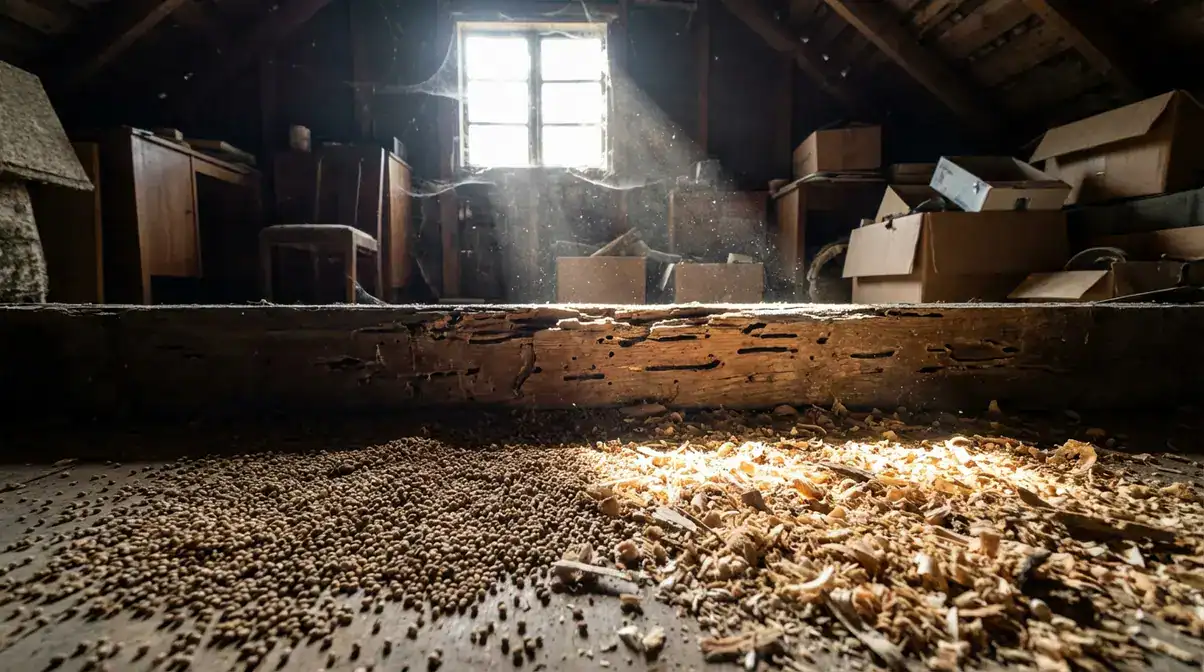
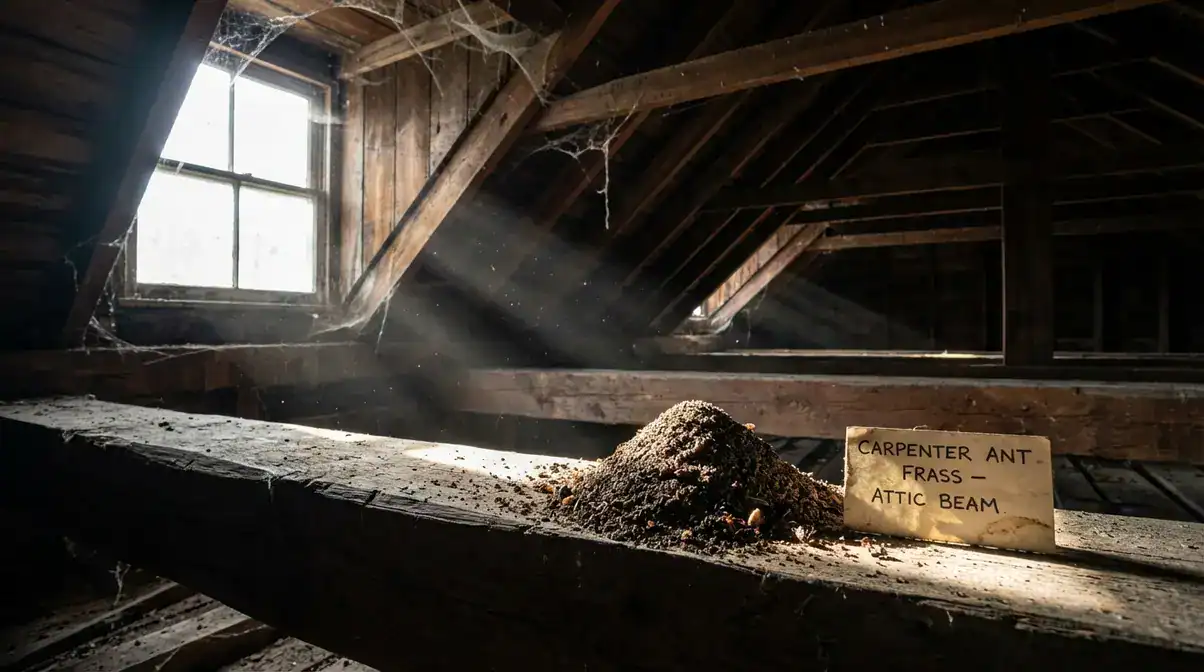
- Key Behavior: A defining characteristic of drywood termites is their meticulous housekeeping. They create “kick-out” holes to expel their fecal pellets, known as frass. This frass, which looks like tiny, hexagonal grains of sand or coffee grounds, is often the first and most obvious sign of a drywood termite infestation.
What are Subterranean Termites?
Subterranean termites (Rhinotermitidae family) are the most common and destructive type of termite in the United States. True to their name, they live underground in vast, sprawling colonies that can number from several hundred thousand to millions of individuals, especially in the case of the invasive Formosan subterranean termite. They are found in every state except Alaska.
- Size and Appearance: Subterranean workers are about a quarter-inch long and have a creamy, translucent appearance. The soldiers have larger, darker heads with powerful mandibles.
- Colony Structure: These termites are highly dependent on moisture. Their central colony is located in the soil, and they build intricate networks of tunnels to forage for food.
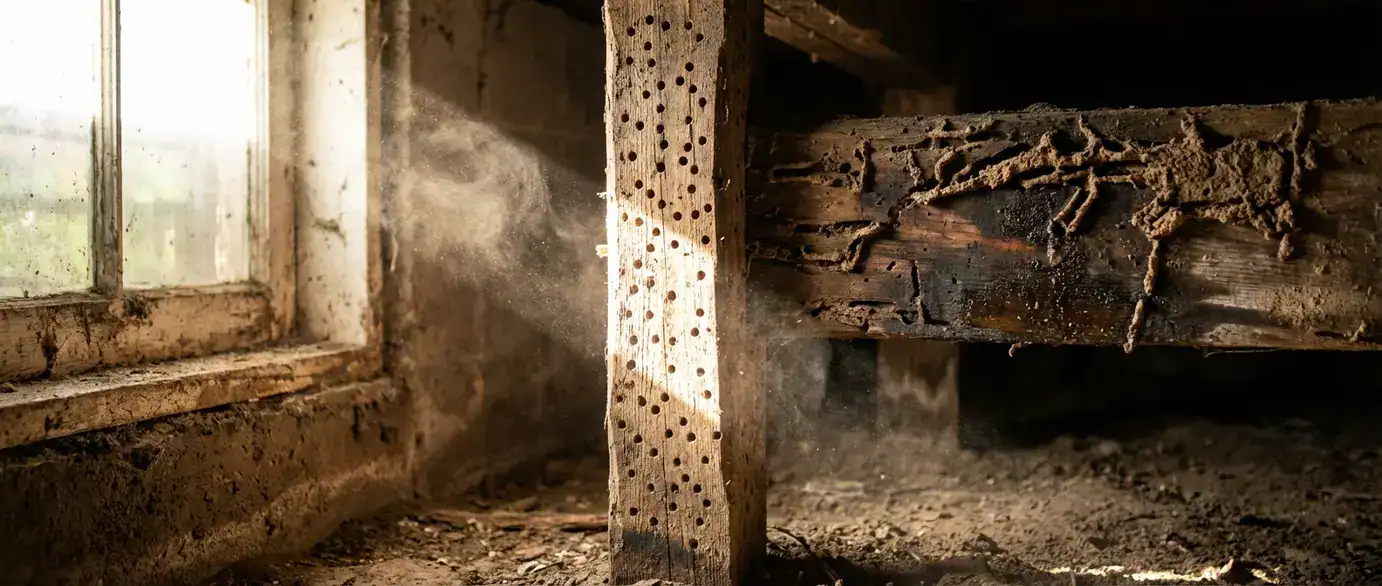
- Key Behavior: The most telling sign of subterranean termites is their construction of mud tubes. These pencil-sized tunnels are made from soil, wood particles, and saliva. They protect the termites from predators and dehydration as they travel from their underground nest to the wooden structures of a home. Finding these tubes on your foundation, walls, or crawl space is a definitive sign of subterranean termite behavior. Researchers at the University of Florida have even noted the emergence of hybrid termites in South Florida, where different subterranean species are interbreeding, potentially creating more resilient “super-termites.”
Critical Differences: Drywood vs Subterranean Termites
Misidentifying the type of termite you have is a recipe for disaster, as treatment methods are not interchangeable. The core differences between drywood and subterranean termites lie in their nesting habits and the evidence they leave behind.
Habitat & Nesting Differences
The most fundamental distinction is where they live. This single factor influences their biology, behavior, and, most importantly, how we treat them.
- Drywood Termites: They live an isolated life inside wood. A pair of swarmers can fly directly to a piece of exposed wood, bore a hole, and start a new colony. This means infestations can pop up anywhere in a home, from the rafters to a window frame, completely disconnected from the ground. They don’t need soil; the wood is their food, water, and shelter.
- Subterranean Termites: They are tied to the earth. Their survival depends on constant contact with the moisture in the soil. They build their nests deep underground and must maintain a connection to this central colony. To eat the wood in your home, they must commute, building their protective mud tubes from the ground up to reach the sill plate, joists, and framing. A home with a concrete slab foundation is not immune; they can enter through cracks as small as 1/32 of an inch.
| Attribute | Drywood Termites | Subterranean Termites |
| Colony Location | Directly inside dry wood (attics, furniture, frames) | Underground in the soil |
| Colony Size | Smaller (up to ~5,000 members) | Massive (100,000 to millions) |
| Moisture Needs | Low – obtained from wood | High – must maintain contact with soil |
| Primary Evidence | Hexagonal fecal pellets (frass) | Mud tubes on foundation/walls |
| Damage Pattern | Smooth galleries, eats across the wood grain | Layered galleries, eats with the wood grain |
Behavioral Differences & Infestation Signs
Because of their different lifestyles, each type of termite leaves a unique calling card. Learning to read these signs is crucial for early detection.
Signs of Drywood Termites
The signs of drywood termites are often subtle and can go unnoticed for years.
- Frass: This is the most common indicator. Piles of these tiny, six-sided pellets accumulate below kick-out holes. The color can vary depending on the type of wood being eaten.
- Swarmers & Discarded Wings: During swarming season (often late spring or summer), you may see winged termites or find their shed wings on windowsills and near light sources.
- Blistered or Hollow Wood: As they consume wood from the inside out, they can leave a very thin veneer of wood or paint. Tapping on the wood may produce a hollow or papery sound.
- Visible Tunnels (Galleries): If you break open an infested piece of wood, you will see smooth, clean galleries that cut across the grain. These chambers are connected by tunnels.
Signs of Subterranean Termites
The signs of subterranean termites are often more obvious because they involve external structures.
- Mud Tubes: This is the smoking gun. These tubes can be found on foundation walls, piers, and even running up interior walls from behind the baseboards. It’s important to break open a piece of a tube to see if it’s active; you may see worker termites inside.
- Swarmers & Discarded Wings: Like drywood termites, they also swarm to start new colonies, typically in the spring on warm, sunny days after rain.
- Damaged Wood: Subterranean termites eat soft wood along the grain, leaving behind layers of hard wood and soil. The damaged wood appears layered, almost like water damage, and is filled with dirt and debris.
- Sagging Floors or Ceilings: In advanced infestations, the structural damage can become visible through sagging or buckling floors, walls, and ceilings.
Why Termite Treatment Options Are Not One-Size-Fits-All
The fundamental differences in habitat directly dictate the strategy for effective termite extermination methods. You cannot treat a colony living in your attic the same way you treat one living 20 feet underground. Applying the wrong method is like trying to put out a forest fire with a water pistol-it’s a waste of time and money while the damage continues to spread.
Treatments for Drywood Termites
Treating drywood termites involves either targeting the entire structure or zeroing in on localized infestations. The best termite treatment for drywood termites depends on the extent of the problem.
- Whole-Structure Fumigation (Tenting): For widespread or multiple infestations, fumigation is the gold standard. The entire house is enclosed in a tent, and a lethal gas (like sulfuryl fluoride) is pumped in. This gas permeates every piece of wood in the structure, killing all termites. It is highly effective but requires residents to vacate the property for several days. Fumigation costs can vary significantly based on home size.
- Heat Treatment: As an alternative to chemical fumigation, the entire structure can be tented and heated to a core wood temperature of at least 120°F for a minimum of 33 minutes. This method is eco-friendly but can be challenging to implement correctly and may damage sensitive household items.
- Localized “Spot” Treatments: If the infestation is confined to a small, accessible area (like a single window frame), spot treatments can be effective.
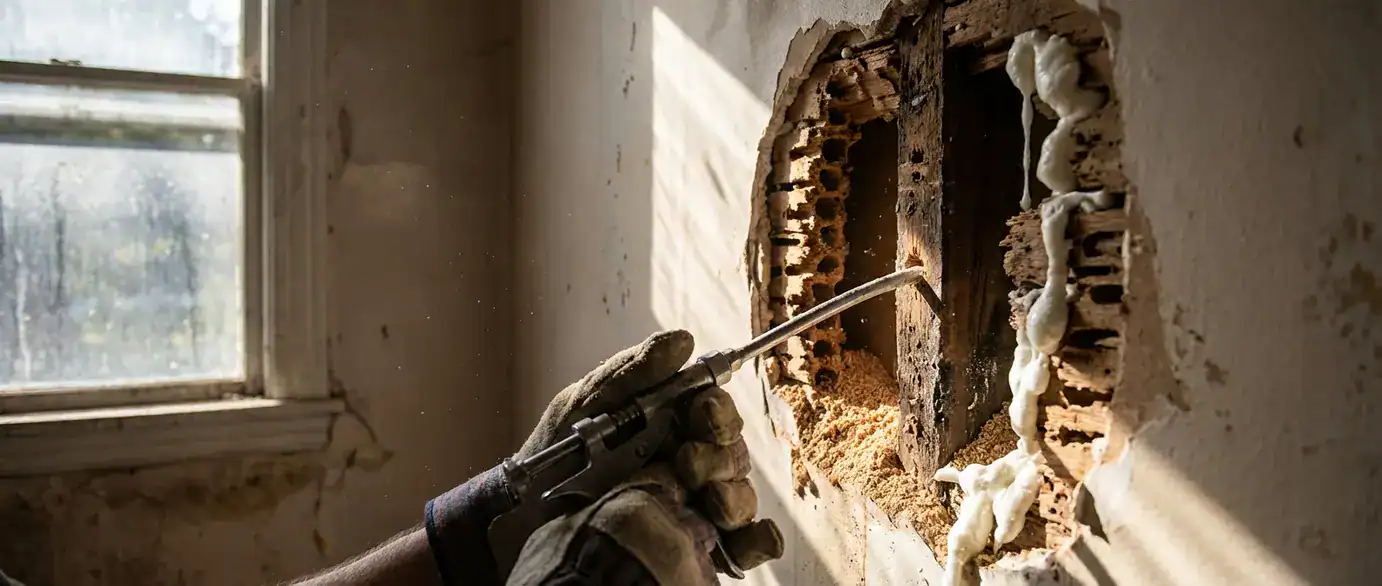
- Wood Injection: A termiticide, such as a borate-based product like Disodium Octaborate Tetrahydrate (DOT), is injected directly into the termite galleries.
- Microwave/Electrocution: Specialized equipment is used to “cook” or electrocute the termites within the wood.
- Botanical Options: Some professionals use orange oil (d-limonene) or plant-based oils containing pinene, which are injected into galleries to kill termites on contact. These are less toxic but offer no residual protection.
Treatments for Subterranean Termites
Because the colony lives outside the house in the soil, subterranean termite control focuses on creating a barrier or eliminating the colony at its source.
- Liquid Soil Treatment: This is the most common method. A trench is dug around the home’s foundation, and a liquid termiticide (such as fipronil-based Termidor HE) is applied to the soil. This creates a continuous chemical barrier that termites cannot cross. As they tunnel through the treated zone, they pick up the chemical and transfer it to other colony members, leading to colony collapse. This method offers long-lasting protection.
- Termite Baiting Systems: This strategy uses the termites’ own biology against them. Bait stations containing a desirable food source (cellulose) mixed with a slow-acting insect growth regulator (like bistrifluron, found in the Sentricon system) are placed in the ground around the home. Foraging termites find the bait, consume it, and carry it back to the colony. The toxicant prevents them from molting, gradually killing the entire colony, including the queen. Bait systems are considered more eco-friendly but can take longer to achieve full colony elimination.
Prevention: Your First and Best Line of Defense
The most affordable termite treatment is the one you never need. Implementing effective prevention methods for drywood and subterranean termites involves making your home less attractive to them.
Effective Prevention Methods for Drywood Termites
Because drywood termites can fly directly to your home, prevention focuses on sealing their entry points.
- Seal & Paint: Seal all cracks and crevices in fascia boards, roof eaves, and foundations. A good coat of paint or varnish on exposed wood can also deter them.
- Screen Vents: Install fine mesh screens (1/20 inch) over attic and foundation vents to block swarmers.
- Inspect Wood: Carefully inspect any secondhand furniture, picture frames, or lumber before bringing it into your home.
- Regular Inspections: Have a professional inspect your attic and other vulnerable areas annually for signs of frass.
Effective Prevention Methods for Subterranean Termites
For subterranean termites, prevention is all about moisture control and eliminating wood-to-soil contact.
- Control Moisture: Fix all leaky faucets, pipes, and HVAC units. Ensure gutters and downspouts divert water away from the foundation.
- Maintain Clearance: There should be at least an 18-inch clearance between any wood on your home (siding, porch steps, etc.) and the soil.
- Landscaping: Keep mulch, firewood, and dense vegetation several feet away from your foundation. These materials retain moisture and provide a hidden pathway for termites.
- Proactive Treatment: Consider a preventative soil treatment or the installation of a monitoring bait system, especially in areas with high termite risk factors or a history of infestations.
The Environmental Impact of Termite Treatments
Concerns over the environmental impact of termite treatments have grown over the years. Early termiticides were highly persistent in the soil, leading to long-term contamination. However, the pest control industry has made significant strides in developing more targeted and eco-friendly solutions.
Modern liquid termiticides like fipronil and imidacloprid are non-repellent and bind tightly to soil particles, reducing the risk of groundwater leaching. They are also used at much lower concentrations than older chemicals.
Baiting systems represent one of the most significant advancements in environmentally conscious pest control. They use very small amounts of a specific insect growth regulator placed in secure stations, targeting only the termites that feed on them and minimizing impact on the surrounding ecosystem. Similarly, options like heat treatment and botanical oils for drywood termites offer effective control with zero chemical residue, though they lack the long-term residual protection of other methods. Understanding the environmental concerns with termite treatment chemicals allows homeowners to have an informed conversation with their pest control provider about the best approach for their property and values.
Common Questions About Drywood vs. Subterranean Termites: Why Treatment Differs
Which type of termite causes more damage?
Subterranean termites are responsible for the vast majority of termite damage in the U.S., accounting for over 80% of the $5 billion annual cost. This is due to their massive colony sizes (often in the millions) and aggressive foraging habits. While drywood termite colonies are smaller and cause damage more slowly, a widespread or long-term infestation can still result in significant structural failure.
Is tenting (fumigation) necessary for all termite treatments?
No, tenting is a specific treatment for widespread drywood termite infestations. It is not used for subterranean termites because their colony lives in the soil, outside the tented structure. Subterranean termites require soil treatments or baiting systems to control the colony at its source.
Can I use the same treatment for both types of termites?
Absolutely not. Using a soil treatment designed for subterranean termites will do nothing for a drywood termite colony living in your attic. Conversely, fumigating a house for drywood termites will not eliminate a subterranean colony in the ground, which will simply re-infest the structure once the tent comes down. The treatment must match the termite species.
How do I treat both subterranean and drywood termites if I have them at the same time?
This unfortunate situation requires a dual-treatment approach. A professional would likely recommend whole-structure fumigation to eliminate the drywood termites throughout the home, combined with a liquid soil treatment or baiting system around the foundation to eradicate the subterranean termite colony.
Does homeowners insurance cover termite damage?
In most cases, no. Standard homeowners insurance policies consider termite damage to be preventable through routine home maintenance. Therefore, the cost of repairs and treatment typically falls on the homeowner. This makes the importance of regular termite inspections for homeowners even more critical.
How does climate affect drywood and subterranean termite activity?
Climate is a major factor. Subterranean termites thrive in warm, moist climates, which is why they are so prevalent in the Southeast. Drywood termites are also common in warm coastal areas, such as California, Florida, and the Gulf Coast. Both types become less active in colder weather, but they can remain active year-round inside heated structures.
What are the signs of termites in furniture?
Signs of termites in furniture almost always point to drywood termites. The key indicator is finding small piles of frass (tiny, sand-like pellets) underneath or inside the furniture. You may also see tiny “kick-out” holes on the wood surface or find shed wings nearby.
References & Expert Sources
- University of Florida, Department of Entomology and Nematology. (entnemdept.ufl.edu)
- University of California, Integrated Pest Management Program (UC IPM). (ipm.ucanr.edu)
- National Pest Management Association (NPMA). (pestworld.org)
- Sentricon® Termite Colony Elimination System. (sentricon.com)
- Termidor® Termite Defense. (termidorhome.com)
- Arrow Exterminators, Inc. (arrowexterminators.com)
- Rockit Pest. (rockitpest.com)
- Optimum Pest Control. (optimumpestcontrol.com)
Final Thoughts: Empowering Homeowners with Knowledge
The distinction between drywood vs subterranean termites is more than an academic exercise; it is the cornerstone of effective pest control and home protection. Understanding that one lives in the soil while the other lives in the wood clarifies why their signs are different and why their treatments must be worlds apart. By learning to spot the subtle clues-frass versus mud tubes, hollow wood versus layered damage-you empower yourself to act quickly and decisively. Never hesitate to consult a licensed pest control professional. Their expertise in identifying the specific termite species and assessing the extent of an infestation is your best investment in choosing the right treatment, protecting your home, and securing your peace of mind.