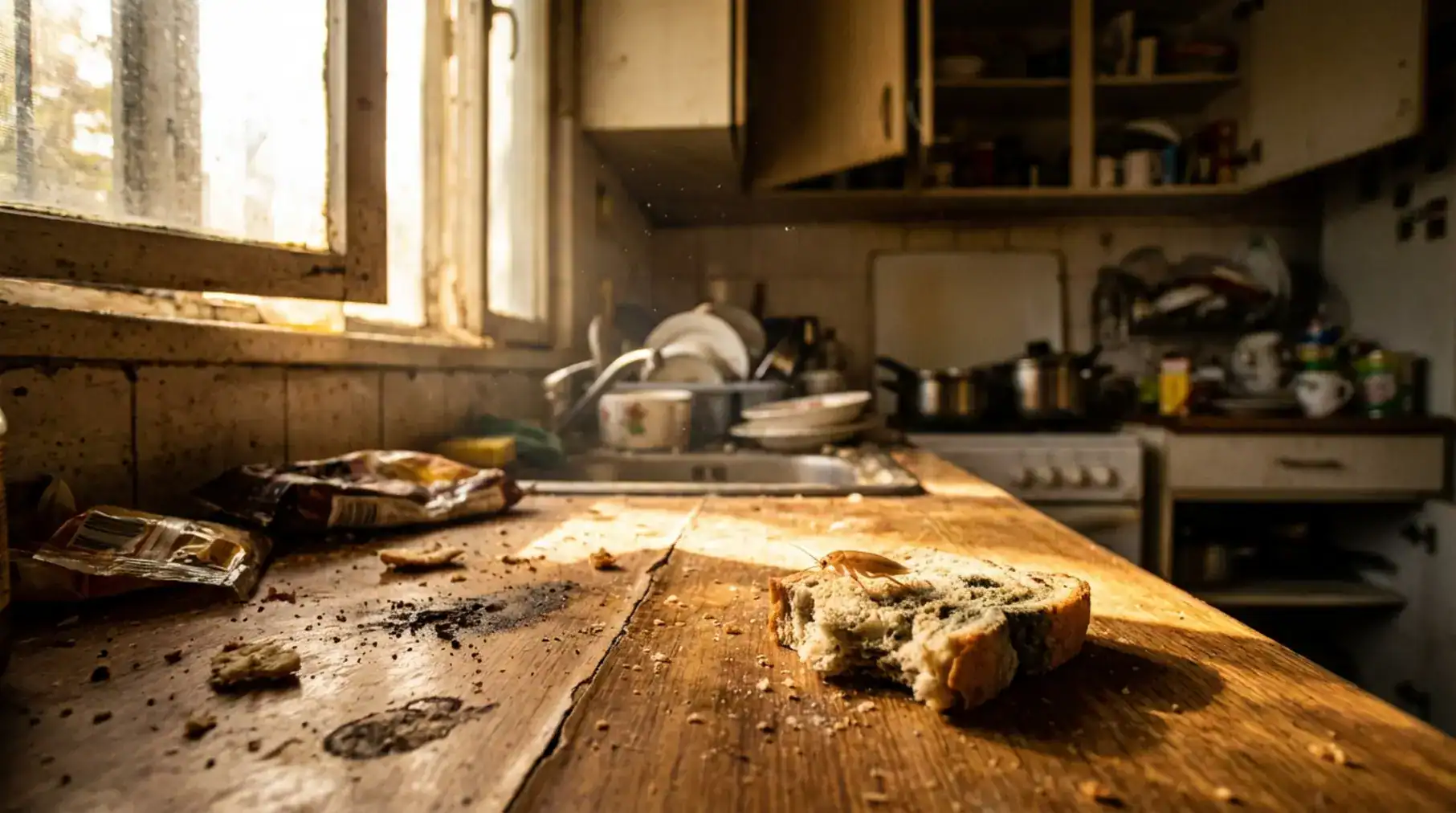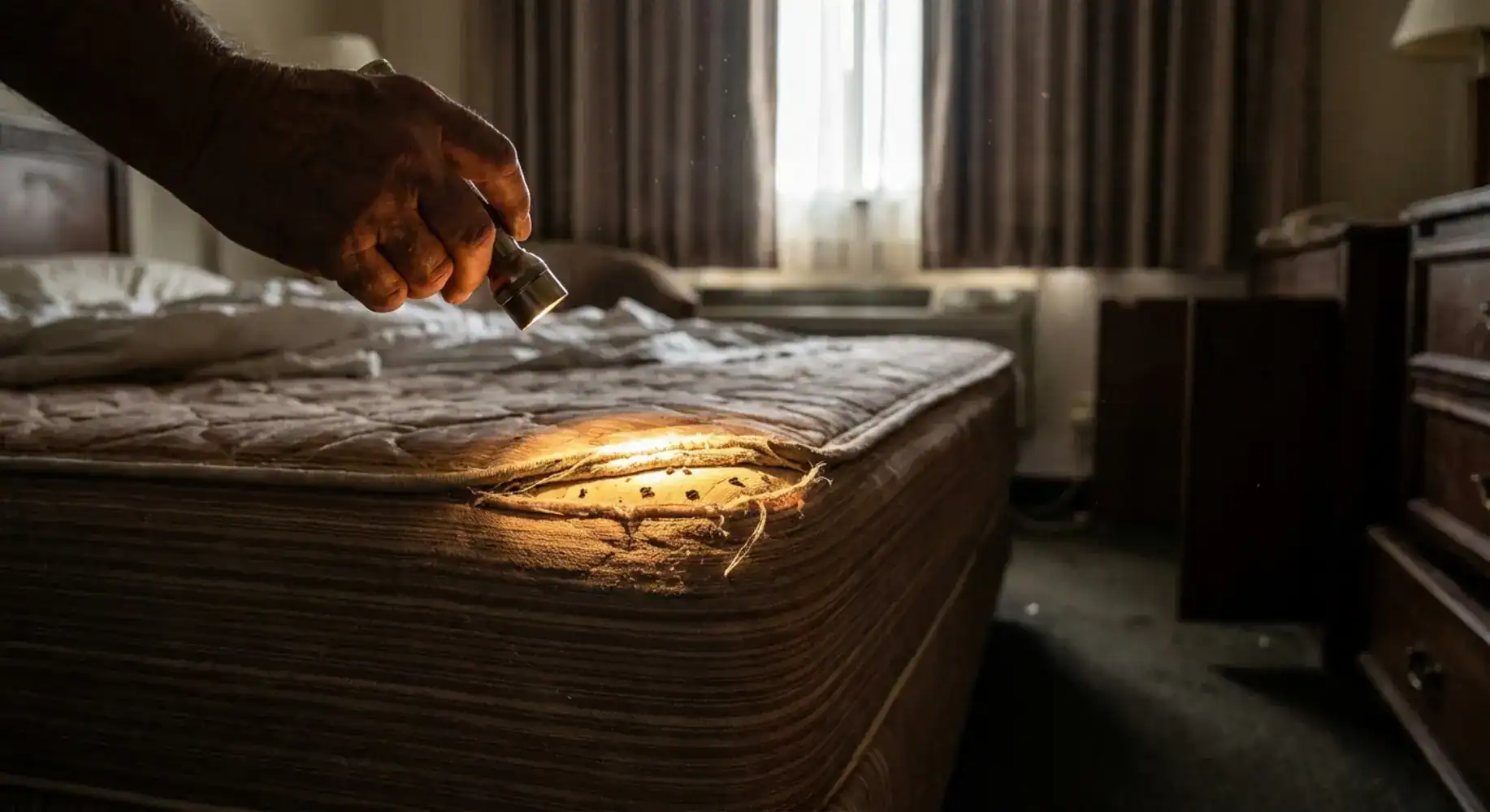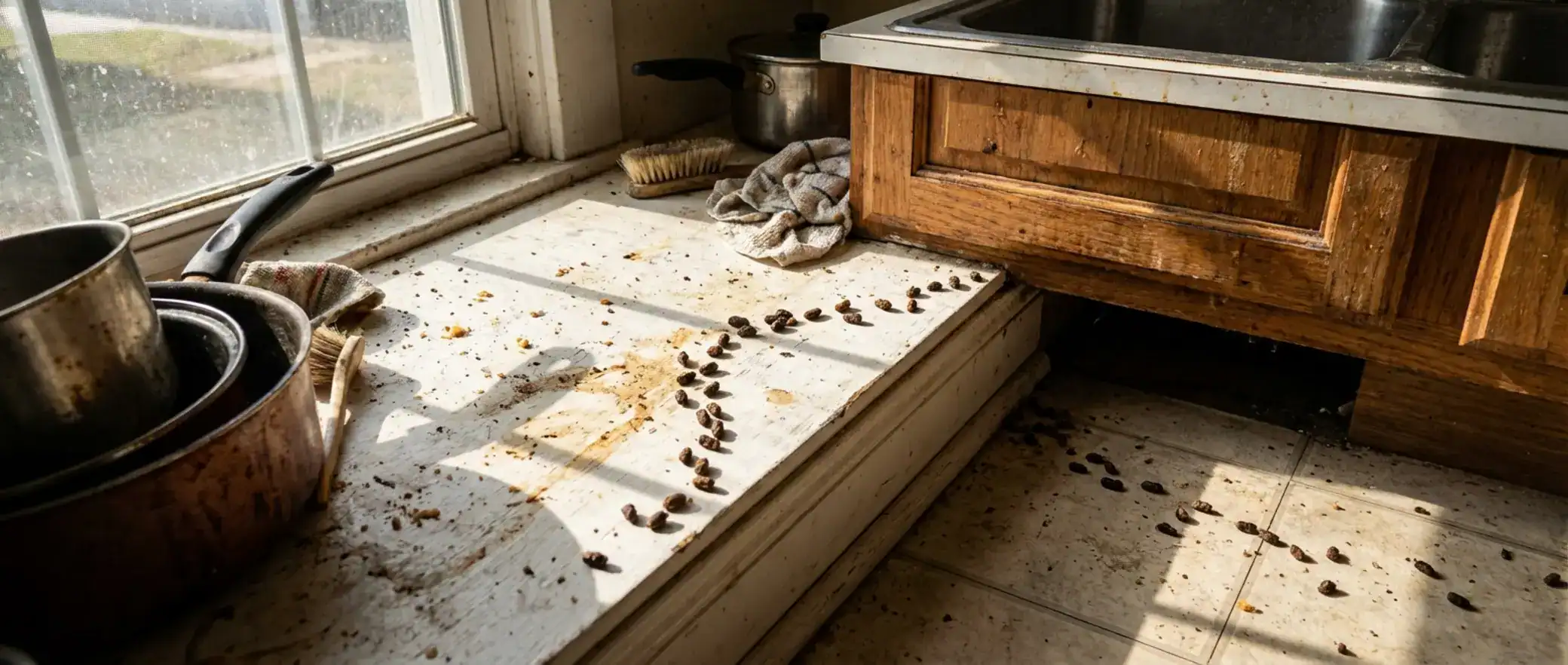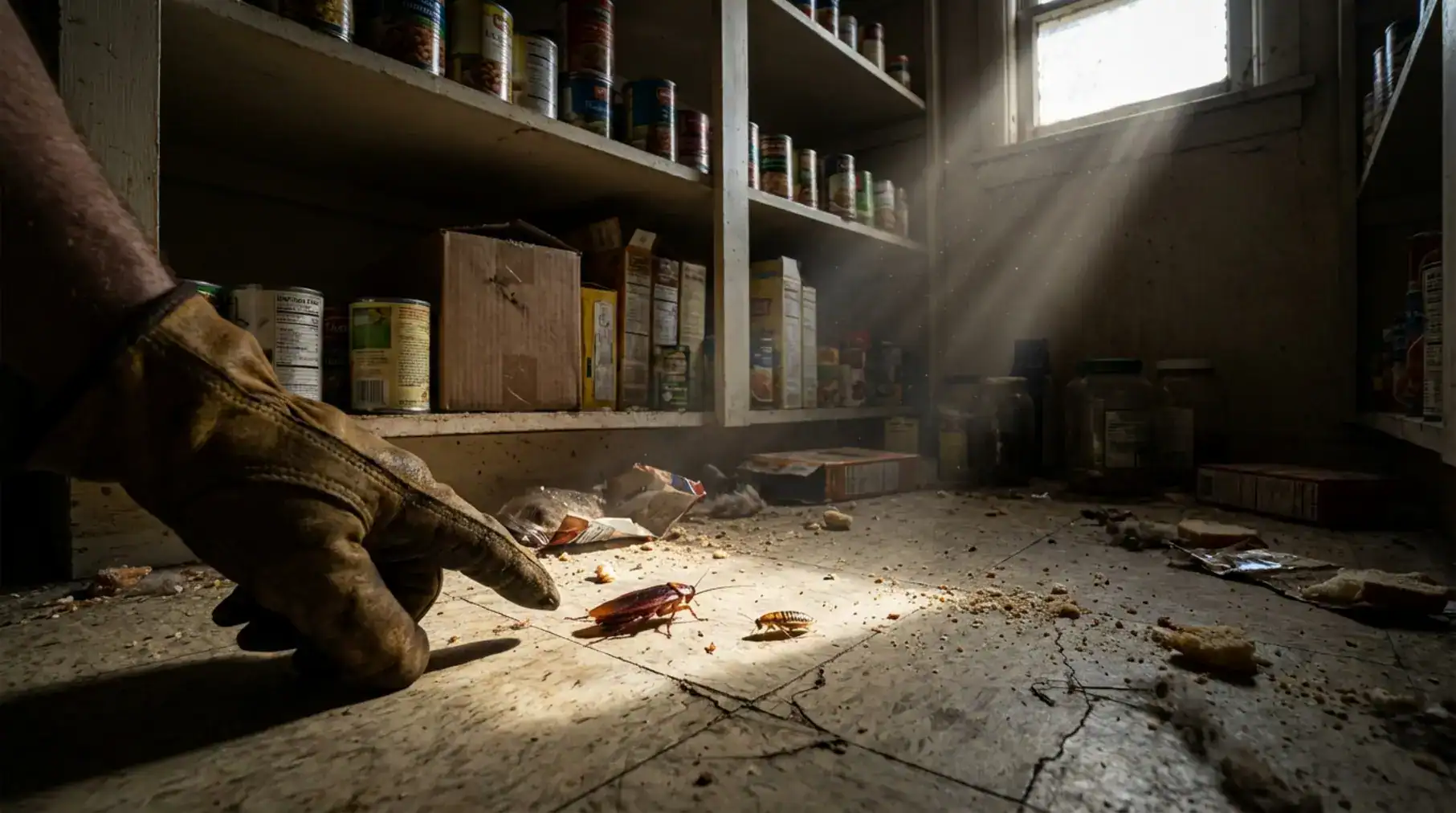
It’s a startling fact that over 80% of indoor cockroach infestations in the U.S. are caused by German roaches, a species known to breed four times faster than their larger counterparts. This makes the classic american vs german roach debate more than just a matter of curiosity; it’s a critical piece of intel for protecting your home. Have you ever flipped on a light and wondered exactly which type of invader just scurried into the shadows?
How can you tell the difference between American and German roaches?
The primary difference between American and German roaches is size and markings. German roaches are small (about ½ inch) with two dark, parallel stripes behind their head. In contrast, American roaches are much larger (1.5-2 inches) and reddish-brown, often with a pale yellow figure-eight pattern on their head.
Knowing the difference between the American roach (Periplaneta americana) and the German roach (Blattella germanica) is the first and most important step in effective pest management. These two household pests have vastly different behaviors, habitats, and reproductive cycles, meaning a control strategy that works for one will likely fail against the other. Are you prepared to eliminate these unwelcome guests once you identify them?
A Tale of Two Roaches: Visual Identification Guide
The most reliable way to differentiate these invaders is by their appearance. While a fleeting glimpse in a dark kitchen might not be enough, getting a clear look reveals undeniable tells. Misidentification is the number one reason DIY pest control efforts fail, so let’s get specific.
| Characteristic | German Cockroach (Blattella germanica) | American Cockroach (Periplaneta americana) |
|---|---|---|
| Size | Small: ½ to ⅝ inch long (about the size of a thumbnail). | Large: 1.5 to 2 inches long (about the size of a thumb). |
| Color | Light brown or tan. | Reddish-brown with a glossy finish. |
| Key Markings | Two dark, parallel stripes running down the pronotum (the shield-like plate behind the head). This is the most definitive feature. | A pale yellow or light brown band shaped like a figure-8 or halo on the pronotum. |
| Wings & Flight | Has wings but rarely flies. Prefers to run and scurry at incredible speeds (up to 3 feet per second). | Has fully developed wings and is a capable flier. Both sexes can fly short distances, often gliding from a higher point to a lower one. |
| Nymphs (Babies) | Very small, dark brown to black, with a single light tan stripe down their back. Wingless. | Larger than German nymphs, initially gray-brown, turning reddish-brown with each molt. Wingless. |
German Cockroach Characteristics Up Close
The two dark stripes are your smoking gun for identifying German roaches. These marks are present from the nymph stage all the way to adulthood. Because of their small size, they can hide in the tiniest cracks-think the seam of a countertop, the space behind an outlet cover, or the motor housing of your refrigerator.
American Cockroach Characteristics in Detail
Often mistakenly called a “water bug” or “palmetto bug,” the American cockroach is one of the largest species you’ll find indoors. Its size is its most obvious trait. That pale yellow figure-8 band behind its head is the other key identifier. If you see a large, reddish-brown roach that takes flight when startled, you are almost certainly dealing with an American roach.
Can you spot the stripes or the figure-8 band? Taking a moment to confirm these features will save you weeks of frustration and wasted effort.
Where They Live: Habitat and Infestation Hotspots
A roach’s location is a huge clue to its identity. Each species has a strong preference for certain environments, dictated by its need for food, water, and specific temperatures. This difference in cockroach behavior and habits dictates where you’ll find them and where you should place your traps.
The German Roach: A Kitchen and Bathroom Specialist
German roaches are the quintessential indoor pest. They thrive in the warm, humid conditions typically found in kitchens and bathrooms. Because of this, they are almost exclusively found indoors and are often transported from one place to another in grocery bags, cardboard boxes, or used appliances.
Common hiding spots for a German roach infestation include:
- Behind and under appliances like refrigerators, dishwashers, and stoves.
- Inside cabinets and pantries, especially in the dark corners.
- In cracks and crevices around sinks and plumbing.
- Within the voids of walls and under loose wallpaper.
These roaches prefer a temperature between 70-90°F. They stick close to their food and water sources, so an infestation is usually concentrated in one or two rooms rather than spread throughout the house.
The American Roach: Master of Drains and Basements
The American roach, by contrast, is more of an outdoor invader that moves inside seeking food or shelter from extreme weather. It prefers dark, damp, and undisturbed areas. While it can survive indoors, it’s most comfortable in environments that mimic its natural habitat of decaying trees and leaf litter.
An American roach infestation is most common in these areas:
- Basements, cellars, and crawl spaces.
- Sewer systems and storm drains (they often enter homes through floor drains).
- Boiler rooms, steam tunnels, and around pipes.
- Attics, especially during hot, humid weather.
What areas of your home could be potential hiding spots? A quick inspection of these key zones can help you confirm which species you’re up against.
The Alarming Math of Roach Reproduction
Here’s where the difference between American and German roaches becomes truly terrifying. Their reproductive strategies are vastly different, which explains why a German roach problem can escalate from a single sighting to a full-blown infestation in a matter of weeks.
German Roach: The Rapid Breeder
The German roach lifecycle is built for speed and efficiency. A single female can produce up to 400 offspring in her lifetime.
- Egg Case (Ootheca): The female produces a light brown, ridged egg case containing 30-40 eggs.
- Unique Behavior: She carries this ootheca with her until just 1-2 days before the eggs are ready to hatch. This protects them from predators and environmental hazards, ensuring a high survival rate.
- Maturation: Nymphs mature into reproductive adults in as little as 60 days under ideal conditions.
This rapid reproductive cycle is why experts warn that for every one German roach you see, there could be hundreds more hiding. Answering the question of how fast do German roaches reproduce reveals why immediate action is non-negotiable.
American Roach: The Slow and Steady Producer
The American roach reproduces at a much slower pace. While still a formidable pest, an infestation takes significantly longer to establish.
- Egg Case (Ootheca): The female produces a dark brown, smoother ootheca containing about 14-16 eggs.
- Placement: She does not carry the egg case. Instead, she glues it to a hidden surface in a warm, protected location.
- Maturation: The roach lifecycle for an American roach is much longer, with nymphs taking anywhere from 200 to 400 days to reach adulthood.
While less explosive, an American roach problem shouldn’t be ignored. Their longer lifespan (over a year for adults) means they can persist for a long time if not properly managed.
Health Risks, Allergens, and Why You Should Care
Beyond the “ick” factor, both cockroach species are significant threats to human health. They travel through unsanitary areas like sewers, garbage disposals, and bathrooms, picking up pathogens on their legs and bodies. These germs are then transferred to your countertops, food, and dishes.
Both species can spread bacteria that cause:
- Salmonella
- E. coli
- Gastroenteritis
- Dysentery
However, the health risks posed by American and German cockroaches are not identical. The German roach poses a unique and serious threat, especially to vulnerable individuals.
The German Roach and Asthma: A Dangerous Connection
The most significant health risk associated with German roaches is their ability to trigger asthma and allergic reactions. The potential allergens from German roaches come from their saliva, shed skins, and fecal matter. These tiny particles become airborne and can be inhaled.
This connection makes identifying German roaches a critical health priority, not just a pest control issue.
Cockroach Pest Control: Tailoring Your Attack
Now that you can identify your invader, you can select the right weapons. Because of their different behaviors and biology, a one-size-fits-all approach to cockroach pest control is doomed to fail.
Best Methods to Eliminate German Roaches
German roaches are notoriously resilient. They have developed resistance to many common over-the-counter insecticides, and their rapid breeding can quickly overwhelm simple traps. A multi-pronged approach is essential.
- Bait Gels: This is the gold standard for how to get rid of German roaches effectively. Professional-grade baits like Advion Syngenta gel contain a slow-acting poison that roaches consume and carry back to their nests, eliminating the colony from within. Place tiny dabs in cracks, crevices, and under appliances where you’ve seen activity.
- Insect Growth Regulators (IGRs): Products like Gentrol Point Source don’t kill adult roaches but act as a form of birth control. They prevent nymphs from maturing into reproductive adults, breaking the lifecycle. IGRs are a crucial long-term component for managing a German roach problem.
- Sticky Traps: Use these for monitoring, not elimination. Placing sticky traps under sinks and behind the fridge will help you gauge the severity of the infestation and confirm if your baiting strategy is working.
Effective Pest Control Methods for American Roaches
Because American roaches are larger and often enter from outside, the strategy is different. It focuses more on exclusion and direct contact treatments.
- Sealing Entry Points: This is the most important step. Inspect your home’s foundation, windows, and doors for cracks. Seal any gaps larger than 1/16 of an inch with caulk. Ensure floor drains have proper covers.
- Boric Acid: This fine powder can be applied to out-of-the-way places like behind baseboards, under appliances, and in wall voids. When roaches walk through it, the powder clings to their bodies and is ingested during grooming, causing dehydration.
- Perimeter Sprays: Applying a residual insecticide spray around the foundation of your home can create a barrier that kills American roaches before they get inside.
- How to Trap American Roaches: Large sticky traps placed in basements, crawl spaces, and near potential entry points can be effective at catching these occasional invaders.
Which method suits your situation? Let’s explore your options by weighing the pros and cons of handling it yourself.
DIY Solutions vs. Professional Extermination
The eternal question for homeowners facing a pest problem is whether to tackle it alone or call for backup. The answer largely depends on the cockroach species you’re fighting.
The Case for DIY Roach Control
- Pros: DIY methods are significantly less expensive, with baits and traps costing between $15 and $50. They offer immediate action and can be effective for minor or isolated incidents, particularly with American roaches.
- Cons: For a German roach infestation, DIY often provides a false sense of security. Common store-bought sprays can scatter the roaches, making the problem worse. Without professional-grade products and knowledge of their hiding spots, you’re unlikely to eradicate the entire population. This is a battle you could be fighting for months or years.
When to Call a Professional Exterminator
- Pros: Professionals have access to more effective and targeted insecticides, including advanced baits and non-repellent sprays. They are trained to find the source of the infestation and apply treatments directly to harborage areas. A good exterminator offers a guarantee, ensuring the problem is fully resolved. The cost, typically $200-$500 for an initial treatment, often saves money in the long run.
- Cons: The primary drawback is the higher upfront cost. It also requires scheduling and allowing someone into your home.
The general consensus among pest control experts: For a single American roach sighting, DIY is a reasonable first step. For any confirmed signs of a German roach problem in your home, calling a professional is the smartest, fastest, and most effective long-term solution.
Roach-Proof Your Home: Actionable Prevention Strategies
Whether you’ve just won a battle against roaches or want to prevent one from ever starting, prevention is your best defense. Roaches need three things to survive: food, water, and shelter. Removing these will make your home far less attractive.
Key Cockroach Prevention Strategies
- Eliminate Food Sources:
- Store all food, including pet food, in airtight containers.
- Clean up crumbs and spills immediately.
- Wipe down stovetops and counters nightly.
- Take out the trash regularly and use a can with a tight-fitting lid.
- Cut Off Water Access:
- Fix leaky faucets and pipes promptly.
- Wipe down sinks and tubs before bed.
- Use a dehumidifier in damp basements or crawl spaces to control humidity. The role of temperature and humidity in roach behavior is significant; they thrive in moist environments.
- Destroy Their Shelter:
- Seal cracks and crevices in walls, floors, and around pipes with caulk.
- Declutter your home. Piles of newspapers, magazines, and cardboard boxes are ideal roach hiding places.
- Keep outdoor areas clean. Move firewood piles away from the house and trim back vegetation that touches the walls.
Take a moment to assess your home. Are there places where you can immediately improve? A few small changes can make a huge difference in tips for preventing roach infestations.
Common Questions About American vs. German Roaches: Identifying the Invader
What do baby German roaches look like?
Baby German roaches, or nymphs, are very small, about 1/8 of an inch long. They are dark brown to almost black and wingless, with a single, distinct light tan stripe running down the middle of their back. Seeing these tiny pests is a sure sign of an active and breeding infestation.
Are American or German roaches more dangerous?
Both are dangerous as they can spread pathogens, but German roaches are generally considered a greater health risk. This is because they live and breed exclusively indoors in close proximity to humans, and their droppings and shed skins are a major trigger for asthma and allergies, especially in children.
Why are German roaches so hard to eliminate?
German roaches are notoriously difficult to get rid of for three main reasons. First, they reproduce incredibly fast, with one female producing hundreds of offspring. Second, they are experts at hiding in tiny, hard-to-reach places. Finally, they have developed resistance to many common pesticides, making professional-grade products a necessity for effective control.
Do American roaches fly?
Yes, American roaches do fly. Both males and females have fully developed wings and are capable of short flights. They are not graceful fliers but will often use their wings to glide from a high perch to a lower surface, which can be quite startling if you’re not expecting it.
What attracts American roaches to my house?
American roaches are primarily attracted to moisture and decaying organic matter. Common attractants include damp basements, leaky pipes, clogged gutters filled with leaves, and garbage areas. They often enter homes during extreme weather-heavy rain or drought-in search of more stable conditions.
Is it normal to see just one cockroach?
Seeing one American roach might be an isolated incident of one wandering in from outside. However, seeing a single German roach almost always indicates an infestation. Because they are nocturnal and secretive, seeing one during the day can be a sign of a very large population competing for resources.
References & Expert Sources
To provide the most accurate and authoritative information, this guide draws upon data and expertise from leading pest management organizations and entomological resources.
- National Pest Management Association (NPMA) – Cockroach Facts & Prevention Tips – pestworld.org
- Orkin – American vs. German Cockroaches – German vs American Cockroaches
- Better Call Bug Tech – How to Tell the Difference Between German and American Cockroaches – bettercallbugtech.com
- Palmetto Exterminators – German Cockroaches vs American Cockroaches – palmettoexterminators.com
- Native Pest Management – German Roach vs. American Roach: What’s the Difference? – American vs. German Cockroaches Guide
- University of Florida, Department of Entomology – German Cockroach Profile – entnemdept.ufl.edu
- Environmental Protection Agency (EPA) – Cockroaches and Public Health – cockroach control and identification
- Reddit Pest Control Forum (r/pestcontrol) – Community discussion on bait effectiveness – reddit.com
- Better Termite & Pest Control – German vs American Roaches: What’s The Difference? – bettertermite.com
- National Institute of Environmental Health Sciences – Cockroach Allergens and Asthma – NIEHS allergens information
Final Thoughts on Winning the War Against Roaches
The battle between american vs german roach is fought on two very different fronts. The large, occasional American roach is a perimeter control issue, while the small, prolific German roach is an internal siege that requires targeted, strategic warfare. Your ability to correctly identify the invader is the single most powerful tool in your arsenal. It dictates your strategy, your choice of products, and your decision on whether to call in professional reinforcements. Now that you know the differences, you can take control of your home and ensure these unwelcome guests are evicted for good.