Finding a great deal on a beautiful piece of second-hand furniture feels like a huge win, but that excitement can turn into a nightmare if you don’t know how to properly check furniture for bugs. That perfect vintage sofa or antique dresser could be harboring a costly secret, turning your frugal find into a financial disaster that requires professional pest control. This guide provides the definitive inspection checklist to ensure your next purchase is safe, sound, and pest-free.
What is the best way to inspect furniture for pests?
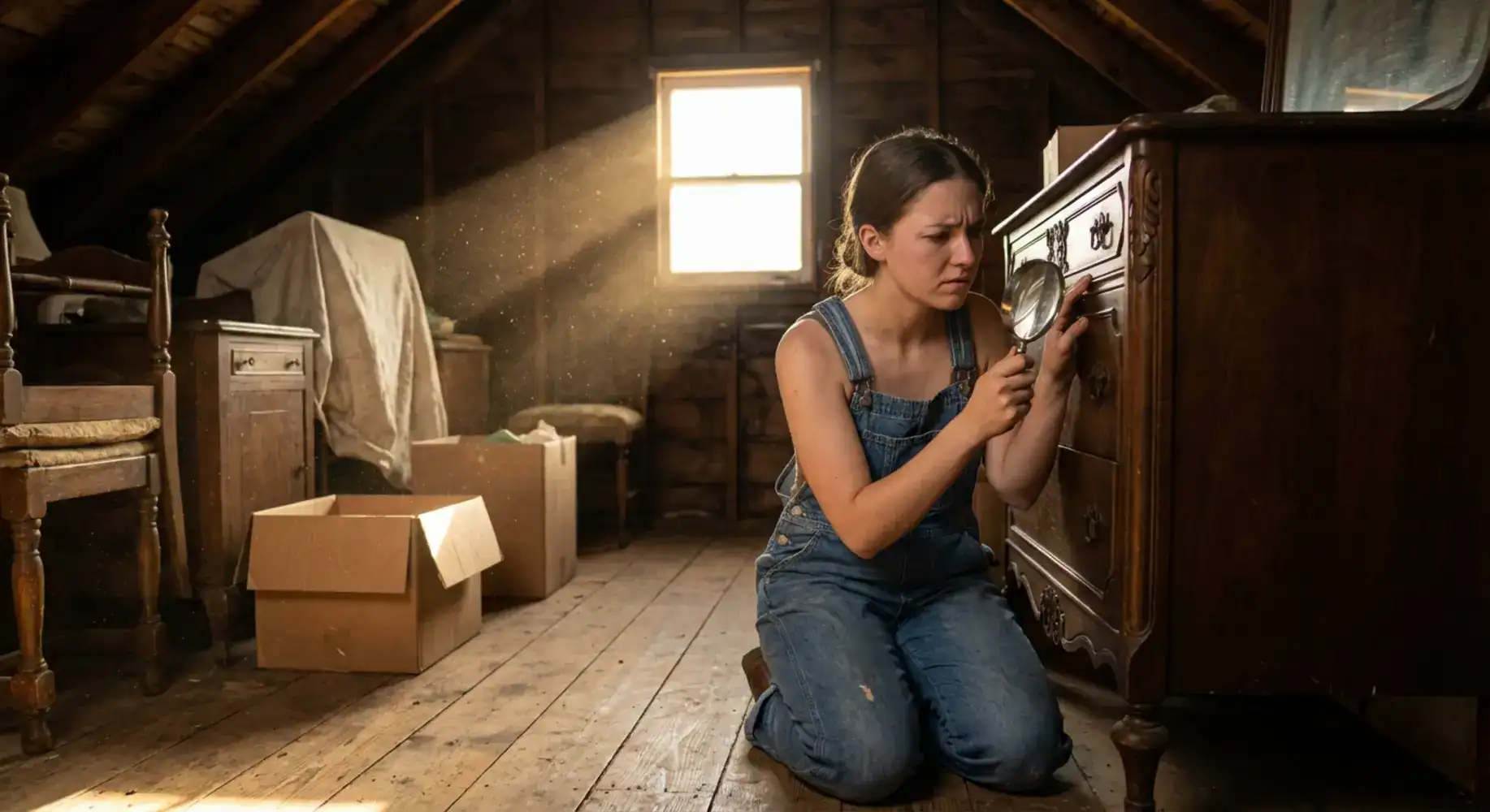
The most effective way to inspect used furniture is to use a high-powered flashlight and a magnifying glass to meticulously examine all seams, crevices, joints, and undersides. Flip the item over, remove cushions and drawers, and look for signs like fecal spots, shed skins, tiny eggs, or live insects before bringing it into your home.
The Hidden Risks and Soaring Costs of Uninspected Furniture
Buying used furniture is a fantastic way to save money and find unique pieces, but the stakes have never been higher. Recent news highlights a significant rise in pest infestations linked directly to the booming second-hand market. According to Yelp data, nationwide searches for bed bug extermination have surged by 53%. This isn’t just a nuisance; it’s a serious financial risk.
A single infested item can quickly contaminate your entire home. Professional bed bug extermination costs range from $500 to over $4,000 for a full heat treatment. That “bargain” $100 armchair suddenly becomes a multi-thousand-dollar problem.
Beyond the financial strain, dealing with an infestation can cause significant stress and potential health risks from bites. This is why a thorough inspection isn’t just recommended- it’s essential for your peace of mind and your wallet. The most common types of bugs found in used furniture include bed bugs, termites, powderpost beetles (woodworms), fleas, and even cockroaches.
The Essential Pre-Purchase Checklist: Beyond the Bugs
Before you even begin the detailed pest inspection, a general quality check can reveal red flags. A piece of furniture that has been poorly maintained is more likely to have hidden problems, including pests. This initial once-over helps you decide if the item is even worth the deep dive.
Step 1: The Visual Inspection
First, simply look at the piece from a distance and then up close.
- Stains and Discoloration: Are there unusual dark spots on the upholstery or rust-colored stains? These can be tell-tale bedbug infestation signs. Water stains on wood can indicate potential mold or environments where wood-boring insects thrive.
- Rips, Tears, and Fraying: Examine the fabric closely. While minor wear is expected, significant damage can provide pests with easy entry points into the furniture’s interior.
- Surface Damage on Wood: Look for scratches, dents, or peeling veneer. Also, check for tiny, unexplained holes, which could be exit holes from woodworms.
Step 2: The Physical and Structural Test
Next, get hands-on with the furniture.
- Stability Check: Does it wobble? Press down firmly on tables, sit carefully in chairs, and gently push on dressers. Unstable furniture often has loose joints, which are perfect hiding spots for bugs.
- Joints and Seams: Run your hands along all joints and seams. Are they tight and secure, or can you feel gaps? On upholstered items, press along the piping and tufts, as these are primary hiding places for bed bugs. According to one Ohio State study, bed bugs are found in an astonishing 25% of thrifted sofas and chairs.
- Functionality: Open and close every drawer. Do they slide smoothly? Test all doors and hardware. Difficulty here could point to warping from moisture, another condition pests love.
Step 3: The Odor Check
Your nose is one of your best inspection tools. A strong, persistent odor is a major warning sign.
- Musty or Mildew Smells: This indicates the furniture was likely stored in a damp, poorly ventilated area like a basement or garage. This environment is ideal for mold, mites, and wood-boring beetles.
- Sweet or Sickly Odor: A heavy bed bug infestation is sometimes described as having a sweet, musty odor, often compared to coriander or almonds. If you smell something oddly sweet, be extremely cautious.
- Pet or Smoke Odors: While not a sign of pests, these smells can be incredibly difficult to remove and may signal that the furniture wasn’t well-cared for.
Step 4: Research the Seller
Finally, consider the source.
- Reputable Stores: Thrift stores or consignment shops with clear cleaning and inspection policies are generally lower risk. Ask about their process for examining furniture for infestations.
- Private Sellers: When buying from an individual on Facebook Marketplace or Craigslist, try to gauge the cleanliness of the home environment if you’re picking it up. Low-risk sources are typically 70% less likely to be infested.
How to Check Furniture for Bugs: A Forensic Deep Dive
If the piece passes the initial checks, it’s time for the critical pest inspection. For this, you will need a few essential tools: a high-powered flashlight (the LED kind on your phone is good, but a dedicated one is better), a magnifying glass, and a pair of disposable gloves. A credit card or stiff piece of plastic is also helpful for checking tight crevices.
Examining Upholstered Furniture (Sofas, Chairs, Mattresses)
Upholstered pieces are the highest risk for bed bugs and fleas. Your inspection must be systematic.
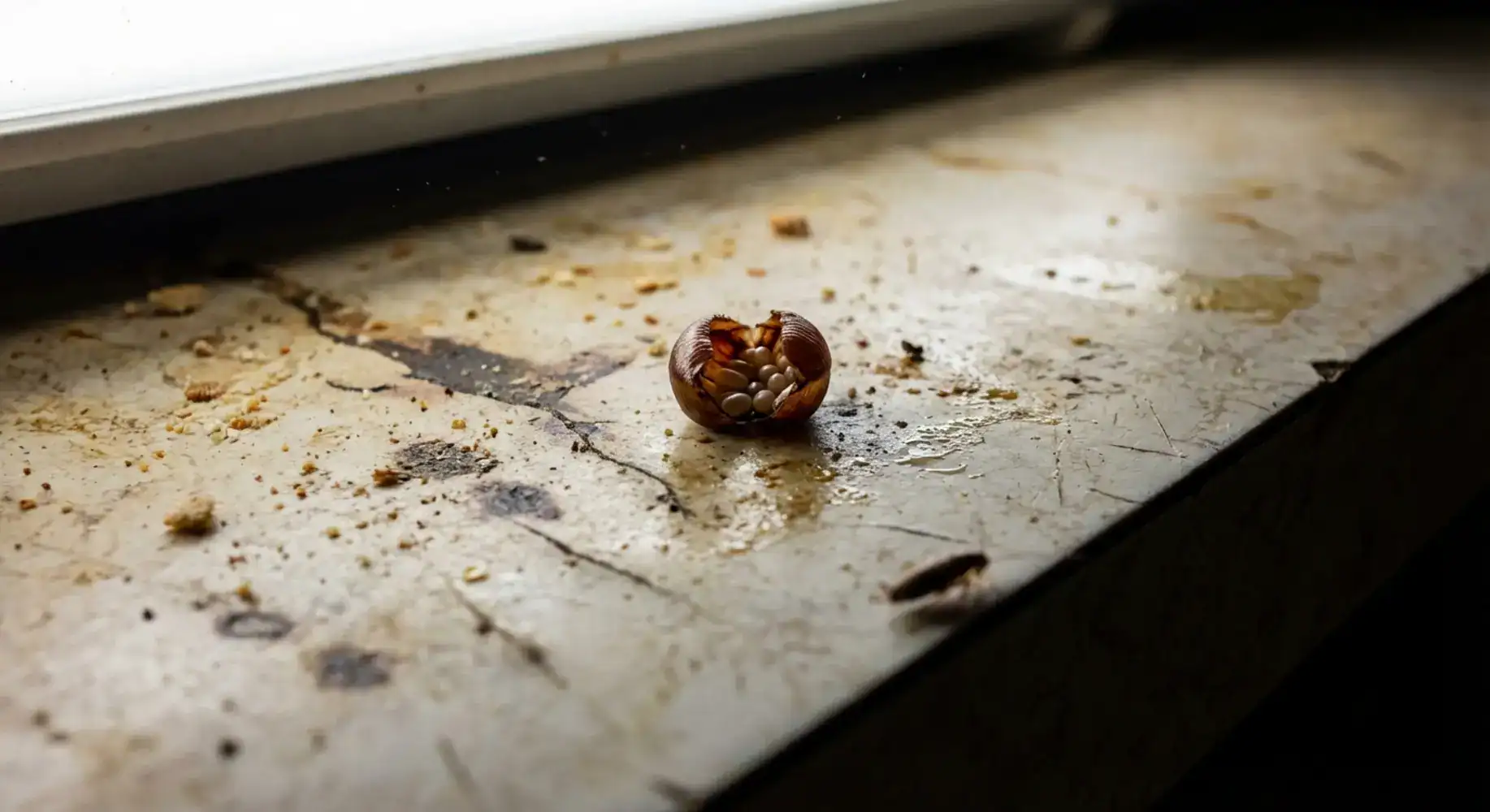
- Start with the Seams: This is where 80% of bed bugs hide. Use your flashlight and magnifying glass to slowly trace every seam, tuft, and fold in the fabric. Look for live bugs, tiny white eggs (about 1mm), or black fecal spots that look like someone dotted the fabric with a fine-point marker.
- Remove All Cushions: Inspect the cushions themselves, paying close attention to the zippers. Then, shine your light deep into the sofa’s frame where the cushions sit. Check every corner and crevice.
- Flip It Over: This step is non-negotiable. The EPA notes that 70% of infestations are missed without turning furniture over. Carefully flip the sofa or chair upside down. Examine the dust cover (the thin black fabric on the bottom). Look for rips or any of the signs mentioned above. If possible, gently pull back a corner of the dust cover to inspect the wooden frame and springs inside. This is a prime hiding spot.
- Check the Legs and Frame: Inspect where the legs join the body of the furniture. Also check any other exposed wood or plastic components.
Inspecting Wooden Furniture (Dressers, Tables, Bed Frames)
Wooden furniture is primarily at risk for termites and wood-boring beetles like powderpost beetles.
- Look for Exit Holes: Search for small, round holes, typically 1-2mm in diameter. These are a classic sign of a past or present woodworm infestation.
- Check for “Frass”: Frass is the waste left behind by wood-boring insects. For powderpost beetles, it looks like a very fine, flour-like powder or sawdust, often found in small piles underneath or near the exit holes. For drywood termites, the frass consists of tiny, 0.5-1mm wood-colored pellets. If you find sawdust-like heaps in or under drawers, it’s a huge red flag.
- The Tap Test: Tap firmly on different areas of the wood. If you hear a hollow or papery sound where it should be solid, it could indicate that termites have eaten away the wood from the inside out. Drywood termite activity can sometimes be detected by a hollow sound at a 200-500Hz pitch.
- Examine Drawers and Joints: Remove all drawers completely. Inspect the inside of the dresser cavity, especially the corners and drawer runners. Check all furniture joints, as these are common entry points and hiding places.
A Visual Guide to Common Infestation Signs
Knowing exactly what you’re looking for makes the process much faster and more effective. Here’s a breakdown of the evidence left by different pests.
| Pest Type | Primary Visual Signs | Key Locations |
| Bed Bugs | – Black or rusty fecal spots (1-3mm).
– Tiny, 1mm pearly-white eggs in clusters. – Pale, translucent shed skins (4-5mm). – Live, apple-seed-sized reddish-brown bugs. |
Seams, tufts, zippers, box springs, undersides of furniture, and behind headboards. |
| Termites (Drywood) | – Piles of frass (tiny, hexagonal wood pellets).
– Wood that sounds hollow when tapped. – Blistered or peeling paint surfaces. |
Inside wooden frames, legs, dressers, and antique furniture. Often hidden from view. |
| Woodworms / Beetles | – Small, round “shot holes” in the wood.
– Powdery sawdust (frass) near holes. – Crumbly or weak wood edges. |
Any unfinished wood surface, including the backs of dressers, drawer interiors, and chair legs. |
| Fleas | – “Flea dirt” (tiny black specks that turn red when wet).
– Small, jumping insects. – Tiny white eggs deep in carpet or upholstery fibers. |
Deep within upholstery fibers, pet bedding, and carpets often stored with furniture. |
Found Bugs? Your Immediate Action Plan
Discovering pests during an inspection is disappointing, but it’s far better than finding them in your home. If you find definitive signs of an infestation, the safest course of action is to walk away. The risk is simply not worth the potential cost and stress.
However, if you discover pests after you’ve already brought the item home, you need to take time-sensitive actions immediately.
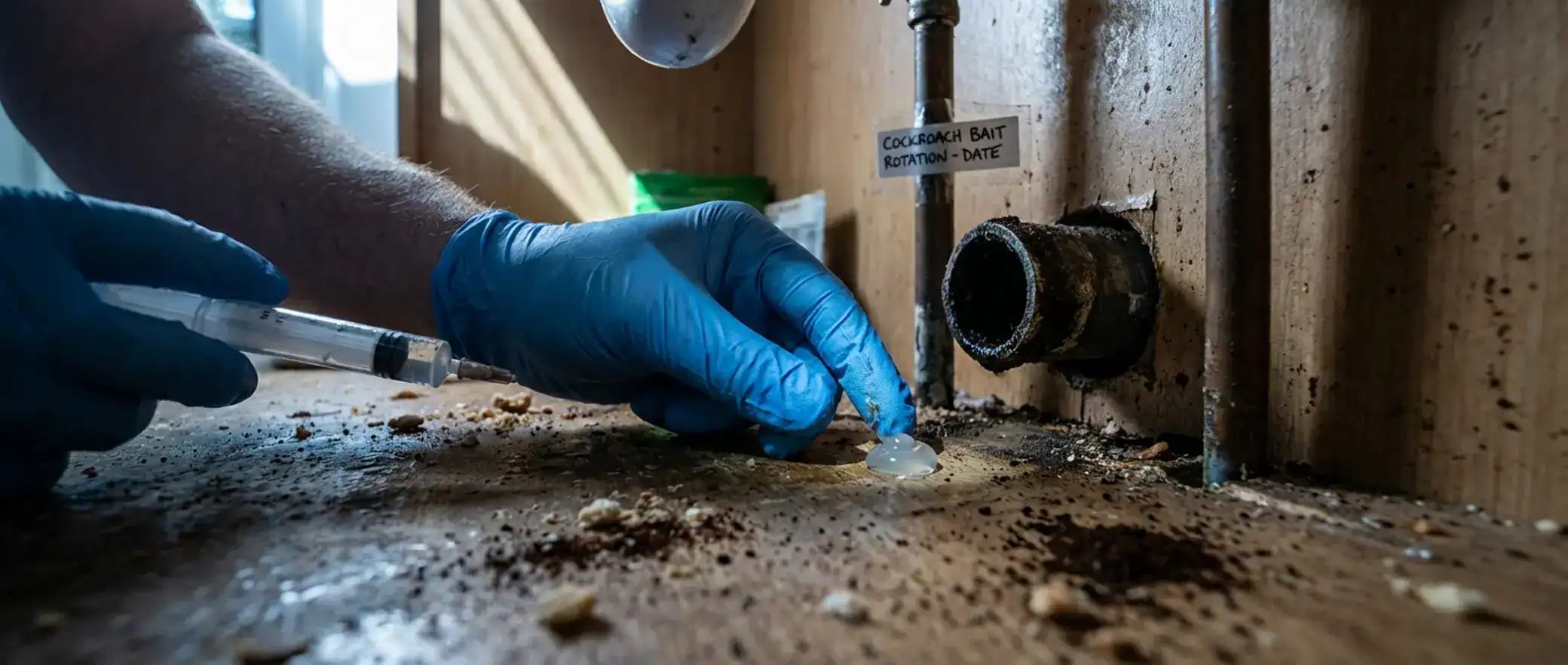
- Quarantine the Item: Immediately isolate the piece. If possible, move it to a garage, balcony, or an isolated room. Place it on a plastic sheet to prevent anything from crawling out and spreading. Do not let it touch any other furniture or walls.
- Inspect Surrounding Areas: Using your flashlight, check all nearby furniture, baseboards, and outlets for signs that the pests have already spread. Bed bugs can travel quickly.
- Decide on Treatment vs. Disposal:
- Disposal: For a heavily infested piece, especially upholstered furniture, disposal is often the smartest choice. If you dispose of it, wrap it completely in heavy-duty plastic (6-mil sheeting is standard) and label it clearly as “infested with bed bugs” to prevent someone else from taking it.
- Treatment: For a lightly infested item or a valuable piece, you can consider treatment. This leads to the next crucial step.
- Disposal: For a heavily infested piece, especially upholstered furniture, disposal is often the smartest choice. If you dispose of it, wrap it completely in heavy-duty plastic (6-mil sheeting is standard) and label it clearly as “infested with bed bugs” to prevent someone else from taking it.
Furniture Bug Treatment Options and Prevention
If you decide to treat the furniture, you have two paths: DIY methods or professional help.
DIY Methods for Minor Issues
These methods are best for preventing bugs in second-hand furniture or tackling a very small, localized problem.
- Thorough Vacuuming: Use a vacuum with a crevice tool to meticulously clean every seam, joint, and surface of the furniture. Immediately seal the vacuum bag in plastic and dispose of it outside. This can remove up to 95% of adult bugs.
- Steam Cleaning: A high-temperature steamer (over 120°F / 49°C) can kill bugs and eggs on contact. Move the steamer nozzle slowly over every surface, forcing steam deep into crevices.
- Diatomaceous Earth (DE): This natural powder can be lightly dusted into joints and crevices (do not use on visible upholstery surfaces). It dehydrates and kills insects that walk through it but is not an instant solution.
When to Call Professional Pest Control
DIY methods have their limits. You should call a professional if:
- You see signs of a widespread infestation.
- The pests are termites or wood-boring beetles, which require specialized treatment.
- You have tried DIY methods and are still seeing signs of bugs.
- You want absolute certainty that the problem is eliminated.
Professional treatments like targeted heat chambers or fumigation are far more effective than anything you can do at home and are the only guaranteed way to solve a serious problem.
The Fine Print: Understanding Warranty and Return Policies for Used Furniture
Before you pay, always clarify the return policy. While private sales are almost always “as-is,” many thrift stores and consignment shops have a limited return window. Ask specifically: “If I find signs of a pest infestation, can I return this item for a full refund?” Get the policy in writing on your receipt if possible. Some sellers may be unaware of an issue and willing to work with you, but you must protect yourself by understanding their policies before the purchase is complete.
Common Questions About Buying Used Furniture: The Inspection Checklist
How can you tell if used furniture has bugs?
You can tell if furniture has bugs by looking for physical evidence. Key signs include live insects, black fecal spots, tiny white eggs in crevices, translucent shed skins, or unexplained sawdust-like powder (frass) under wooden items. A musty or sickly-sweet odor can also indicate a heavy infestation.
What are the signs of infestation in second-hand furniture?
The most common signs are visual. For upholstered items, look for dark stains on seams (bed bug droppings) and check for live bugs. For wooden furniture, look for small exit holes, fine powder (frass), and hollow-sounding spots, which suggest termites or woodworms.
Is it safe to buy second-hand furniture?
Yes, it can be safe if you take the proper precautions. The key is performing a meticulous inspection before bringing any item into your home. Prioritizing items from clean, reputable sources and avoiding high-risk pieces like mattresses or heavily worn sofas can significantly reduce your risk.
Can you get bed bugs from used furniture?
Absolutely, used furniture is one of the most common ways bed bugs spread. Bed bugs are expert hitchhikers and can hide deep within sofa seams, mattress crevices, and wooden bed frames for months without a food source, waiting to infest a new home.
How do you treat furniture for pests?
Treatment depends on the pest and severity. For minor issues, thorough vacuuming and high-temperature steam cleaning can be effective. For woodworms or termites, or for any significant bed bug infestation, professional pest control services using heat treatments or fumigation are strongly recommended for complete eradication.
What precautions should you take when buying used furniture?
Always inspect before you buy. Bring a flashlight and gloves, check all seams and joints, and flip the furniture over. After purchase, a good practice is to quarantine the item in a garage for a few days and give it a thorough cleaning or steam treatment before bringing it inside.
Can you see bugs in furniture?
Yes, but you often need to look very closely. Adult bed bugs are about the size of an apple seed and are visible to the naked eye, but their eggs and nymphs are much smaller and harder to spot. Termites live inside wood, so you are more likely to see the evidence they leave behind (frass, damaged wood) than the insects themselves.
References & Expert Sources
- Comprehensive Guide to Inspecting Used Furniture for Bed Bugs
- How to Check Used Furniture for Termites – The Termite Boys
- Bed Bugs Biology and Public Health Risk
- Bed Bugs and Used Furniture – Oklahoma State University Extension
- How to Find Bed Bugs
- CDC Bed Bugs Information
- National Pest Management Association (NPMA)
- Yelp Inc. (for search trend data)
- 7 Things to Inspect Before Buying Used Furniture – Rent-A-Center
- 7 Must-Know Tips for Buying Used Furniture
Final Thoughts: Empower Yourself with Knowledge
The allure of a unique, affordable piece of furniture is strong, but the potential for bringing home unwanted pests is a serious reality. Your greatest defense is knowledge and diligence. By using this used furniture inspection checklist, you transform from a hopeful buyer into an empowered consumer, capable of spotting the red flags that others might miss. You have the responsibility to protect your home. So next time you go thrift shopping or browse online marketplaces, remember the tools, the techniques, and the tell-tale signs. Take the extra ten minutes to check furniture for bugs– it could save you thousands of dollars and countless sleepless nights.