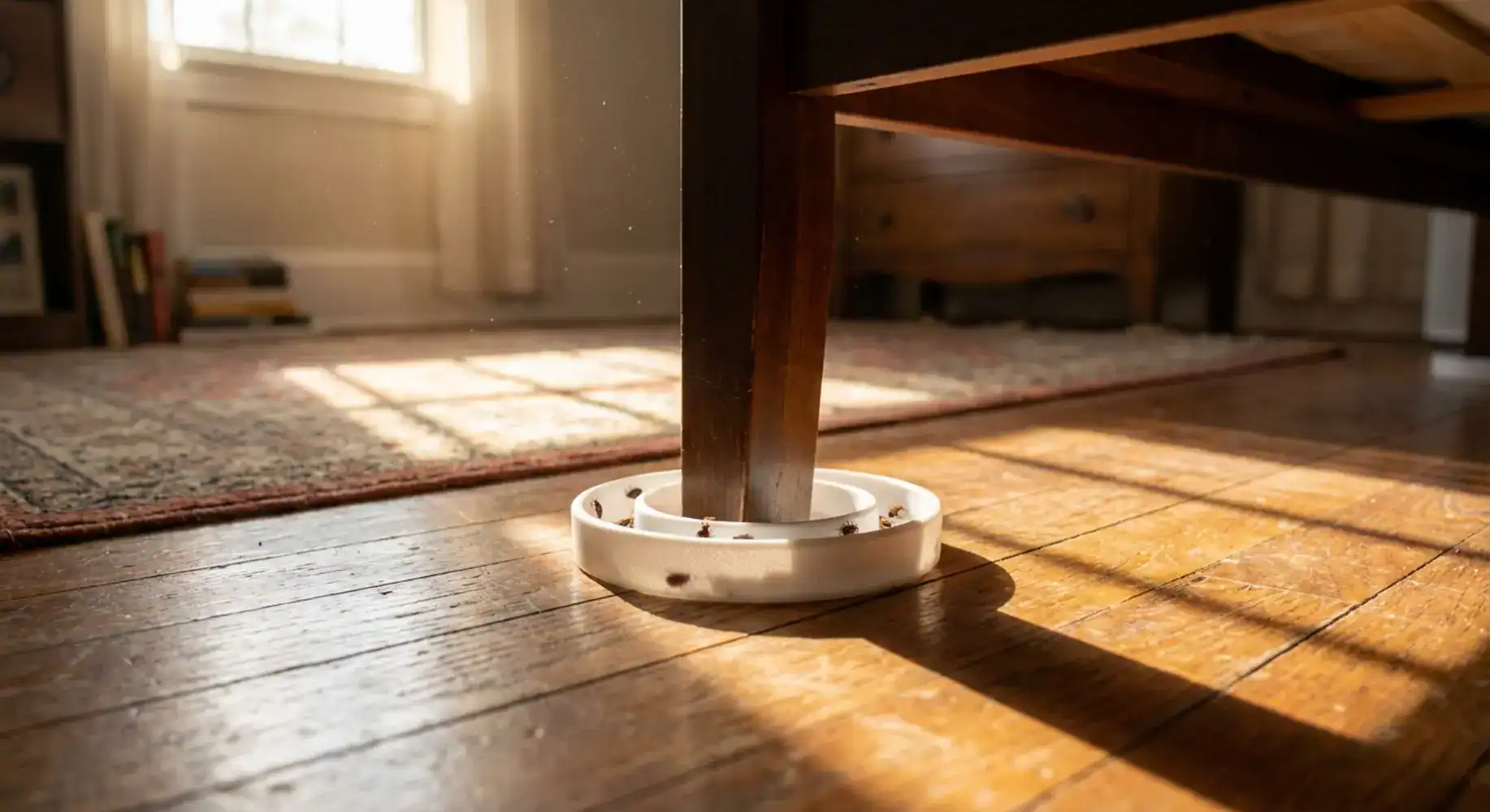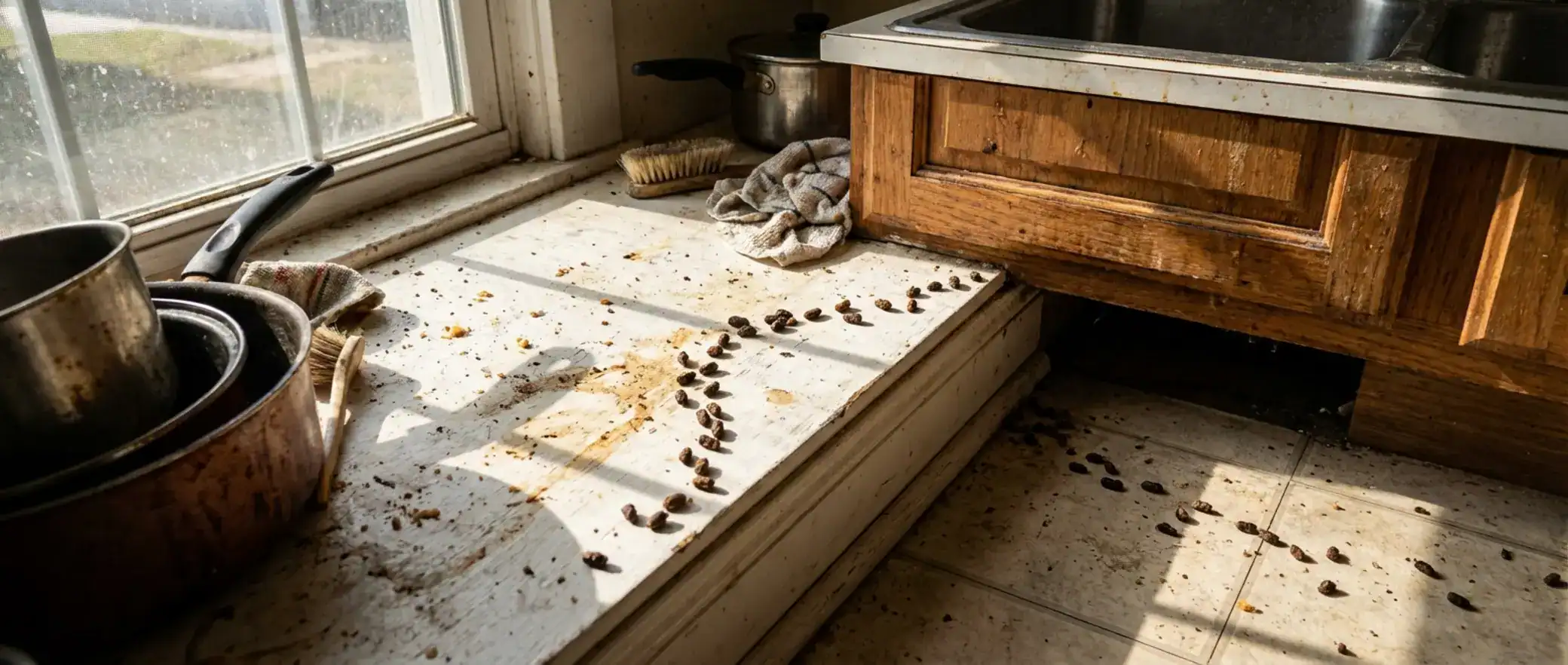
You’ve sprayed, you’ve baited, and you’ve cleaned, yet the roaches keep coming back. The hidden enemy in your home seems invincible, especially when you learn a single group of German cockroaches can explode into eight new generations in just one year. To win this war, you need to think beyond just killing the adults you see; you need a powerful insect growth regulator to stop their entire life cycle cold.
What is an insect growth regulator for roaches?
An insect growth regulator (IGR) is a specialized chemical that disrupts the life cycle of cockroaches and other pests. Instead of killing adult insects directly, it mimics their natural hormones to prevent eggs from hatching and stops young roaches (nymphs) from maturing into reproductive adults, effectively ending the infestation.
The Science of Roach Birth Control: What Are Insect Growth Regulators (IGRs)?
Think of IGRs not as a poison, but as a form of “roach birth control.” Traditional pesticides are designed for a quick knockdown, killing insects on contact. An insect growth regulator, however, works on a more strategic level. These compounds are a class of insect life cycle disruptors that interfere with the hormonal processes insects need to grow and reproduce.
Specifically, most IGRs used for roach control are juvenile hormone analogs. In simple terms, they mimic an insect’s juvenile hormone. In a normal roach life cycle, the levels of this hormone drop at specific times, signaling the nymph that it’s time to molt and mature into an adult. When an IGR is introduced, it floods the nymph’s system with a synthetic version of this hormone.
The result? The roach’s development is thrown into chaos. It can’t properly mature, becomes sterile, or dies during the molting process. This breaks the cycle of infestation at its root, preventing the next generation from ever emerging.
How Do Insect Growth Regulators Work to Stop an Infestation?
The power of IGRs and pest control lies in their patient, systematic approach. They don’t offer the immediate satisfaction of seeing dead roaches, but their effects are far more devastating to the population over time. Here’s a breakdown of the mechanics.
Disrupting the Molting Process
A cockroach nymph must shed its exoskeleton (molt) several times before reaching adulthood. IGRs keep the juvenile hormone levels artificially high, effectively trapping the nymph in its immature state. This leads to several outcomes:
- Failed Molting: The nymph may be unable to shed its old skin properly, leading to death.
- Deformities: If it survives a molt, it often develops physical deformities. The most common sign is twisted, crinkled wings that render it unable to reproduce.
- Sterilization: The most critical effect. The roach becomes sterile, incapable of laying viable eggs.
After about one to two weeks of exposure, you may start seeing roaches with these tell-tale crinkled wings. This is the first visible proof that the IGR is working and the roach population’s reproductive future is collapsing.
Preventing Egg Viability
Even if an adult female roach is exposed to an IGR, the product can prevent her eggs from hatching. The IGR interferes with the formation of the egg case (ootheca) and the development of the embryos inside. Because of this, the eggs she produces will be non-viable, ensuring no new nymphs join the infestation.
| Life Cycle Stage | Without IGR | With IGR Exposure |
| Egg (Ootheca) | Hatches successfully, releasing dozens of nymphs. | Fails to hatch or produces non-viable nymphs. |
| Nymph | Molts multiple times, successfully reaching adulthood. | Cannot molt properly, develops deformities (crinkled wings), and becomes sterile. |
| Adult | Mates and produces hundreds of offspring. | Becomes sterile and lays non-viable eggs. Population growth stops. |
The Overwhelming Benefits of Insect Growth Regulators
Why choose a slow-acting product over a fast-killing spray? The benefits of insect growth regulators extend far beyond their unique mechanism, making them a cornerstone of modern, environmentally friendly pest control.
- Targeted and Safer: IGRs mimic hormones found only in insects. Consequently, they have very low toxicity to mammals, birds, and fish. This makes insect growth regulator safety a major advantage, especially in homes with children and pets.
- Long-Term Residual Effect: Many IGR formulations, like point-source disks, can remain effective for months (e.g., Gentrol stations last for 90 days). This long-lasting action provides continuous pressure on the pest population without frequent reapplication.
- Prevents Resistance: Cockroaches are notorious for developing resistance to traditional insecticides. Because IGRs have a completely different mode of action, they are effective against roach populations that have become immune to other chemicals. This is key to the role of IGRs in preventing resistance in pest populations.
- Enhances Other Treatments: Surprisingly, some IGRs can stimulate roach feeding behavior. When combined with baits, this makes the bait more attractive, leading to faster consumption and a more effective kill of the adult population.
- Cost-Effective: While the initial cost might be similar to traditional pesticides, the long residual life and ability to prevent future infestations make IGRs a more economical choice over the long term. You’ll spend less on repeated emergency treatments.
IGRs vs. Traditional Pesticides: A Head-to-Head Comparison
Understanding the fundamental differences between IGRs and conventional insecticides is critical for setting the right expectations. Many DIY pest control efforts fail because users misunderstand this distinction. The most significant of the common misconceptions about insect growth regulators and their usage is that they should provide an instant kill.
Here’s a clear comparison of IGRs against chemical pesticides in terms of health and environmental impact:
| Feature | Insect Growth Regulators (IGRs) | Traditional Pesticides (Adulticides) |
| Mode of Action | Disrupts growth, molting, and reproduction (hormonal). | Attacks the nervous system for a quick kill (neurotoxic). |
| Speed of Results | Slow (weeks to months for full population collapse). Visible signs in 1-2 weeks. | Fast (minutes to hours for knockdown of visible pests). |
| Target | Primarily eggs and nymphs. Sterilizes adults. | Primarily adult insects and nymphs on contact. |
| Safety Profile | Very low toxicity to humans, pets, and non-target organisms. | Can be toxic to humans and pets if not used correctly. Broad-spectrum. |
| Resistance | Low risk of resistance due to its unique mode of action. | High risk of resistance, a common problem with roaches. |
| Residual Effect | Long-lasting, often for several months. | Varies, but often degrades more quickly than IGRs. |
| Best Use Case | Long-term population control, prevention, and breaking the life cycle. | Immediate knockdown of active infestations. |
The Best Insect Growth Regulators for Roach Control
When you’re ready to start using IGRs for cockroach infestations, a few products stand out for their reliability and effectiveness. The market for insect growth regulators for home use is dominated by a few key active ingredients.
Gentrol IGR (Active Ingredient: Hydroprene)
Overview
Gentrol is arguably the most recognized brand in IGRs for roach control. Its active ingredient, hydroprene, is highly effective against cockroaches, stored product pests, and drain flies. It’s known for its low odor and flexible application methods.
- Rating: 9.8/10
- Key Features:
- Available as a liquid concentrate, aerosol, and point-source disk.
- The point-source disks provide 90 days of protection over a 75-square-foot area.
- Photostable, meaning it doesn’t break down quickly in light.
- Approved for use in sensitive areas, including kitchens and food handling establishments.
- Pros:
- Extremely long-lasting and easy to use, especially the disks.
- Excellent safety profile.
- Specifically targets roaches effectively.
- Cons:
- Can be more expensive than other options.
- Verdict: Gentrol is the best insect growth regulator for homeowners seeking a simple, set-and-forget solution, especially for kitchens and bathrooms where roaches congregate. The point-source disks are foolproof.
Tekko Pro IGR (Active Ingredients: Pyriproxyfen & Novaluron)
Overview
Tekko Pro is a professional-grade concentrate that brings a two-pronged attack. It contains pyriproxyfen, a classic juvenile hormone analog, and novaluron, a chitin synthesis inhibitor that prevents the exoskeleton from forming correctly.
- Rating: 9.5/10
- Key Features:
- Dual-action formula attacks the roach life cycle in two different ways.
- Broad-spectrum, effective on roaches, fleas, ants, and more.
- Photostable for use in areas with some sunlight exposure.
- Highly concentrated formula treats a large area.
- Pros:
- Dual active ingredients reduce the already low chance of resistance.
- Very effective for severe or stubborn infestations.
- Economical for treating large homes or multiple areas.
- Cons:
- Requires careful mixing and application with a sprayer.
- Slightly more complex for beginners compared to Gentrol disks.
- Verdict: Tekko Pro is the top choice for serious DIYers tackling a large or particularly resistant cockroach problem. Its dual-action formula provides an extra layer of insurance for complete life cycle disruption.
How to Apply IGRs for Maximum Effectiveness
Applying an IGR correctly is essential for success. Because these are not contact killers, placement is everything. You need to apply the product where nymphs live and travel. Here are the duration and frequency of application for optimal results.
Step 1: Identify Roach Hotspots
Cockroaches crave warmth, moisture, and darkness. Focus your application in these key areas:
- Kitchens: Under sinks, behind refrigerators, inside cabinets and pantries, around microwaves and coffee makers.
- Bathrooms: Under sinks, behind toilets, around pipe collars, and inside vanities.
- Other Areas: Near water heaters, in laundry rooms, and any other dark, cluttered spaces.
Step 2: Choose Your Application Method
- Point-Source Devices (e.g., Gentrol Point Source): This is the easiest method. Simply activate the disk by pressing the vial and place it in a hotspot. It releases a silent, odorless vapor that covers about 75 square feet. Replace every 90 days.
- Aerosol Sprays (e.g., Gentrol Aerosol): Perfect for crack-and-crevice treatments. Use the included straw to spray directly into gaps under baseboards, behind appliances, and inside wall voids.
- Liquid Concentrates (e.g., Tekko Pro): Mix the concentrate with water according to the label directions in a pump sprayer. Apply a light, even spray to surfaces where roaches travel. This method is best for broad coverage.
Step 3: Follow Safety Precautions
While the insect growth regulator safety profile is excellent, always follow the label.
- Wear gloves during application.
- Keep pets and children away from treated areas until the spray has dried completely.
- Do not apply directly to food preparation surfaces.
- Store products in their original container away from children and pets.
The Professional Strategy: Integration into Pest Management Plans
Relying on a single product is rarely the best approach for a severe infestation. The most effective pest management strategies use an Integrated Pest Management (IPM) approach. This means combining multiple tactics for a comprehensive attack.
The professional standard is to combine pest growth inhibitors with adulticides.
- The One-Two Punch: First, apply a fast-acting adulticide, such as a high-quality bait gel (like Advion) or a non-repellent insecticide spray. This will immediately reduce the number of adult roaches.
- The Follow-Up: Simultaneously, apply your chosen IGR. The IGR will work in the background, ensuring that any surviving roaches, their offspring, or newly hatched nymphs cannot continue the infestation.
1. Sanitation: First, you deep clean the kitchen, removing all food debris and grease. You store all food in airtight containers.
2. Adulticide Application: You apply dots of Advion Cockroach Gel Bait in the corners of cabinets, behind the microwave, and under the sink where you’ve seen activity.
3. IGR Application: You place a Gentrol Point Source disk under the kitchen sink and another behind the refrigerator.
4. Result: The bait quickly kills many of the adult roaches. The Gentrol vapor spreads throughout the area, sterilizing any survivors and preventing nymphs from maturing. Within a few weeks, the population crashes completely.
Troubleshooting: Why IGRs Might Not Be Working for You
“I’ve been using an IGR for a month, and I still see roaches!” This is a common complaint found on pest control forums. Troubleshooting IGR effectiveness usually comes down to one of three issues.
- Impatience and Misunderstanding: The number one reason for perceived failure is expecting an instant kill. IGRs take time. You will continue to see adult roaches until they die of old age. The key is that you should see fewer and fewer small nymphs over time.
- Not Using a Combination Treatment: For anything beyond a very minor issue, an IGR alone is not enough. You must reduce the adult population with baits or a non-repellent spray. Without this, the adults will continue to live for months, making it seem like the treatment isn’t working.
- Poor Sanitation or Application: IGRs are a powerful tool, not a magic wand. If you are not cleaning up food sources, sealing entry points, and reducing clutter, you are creating an environment where roaches can thrive faster than your treatments can work. Likewise, if you apply the IGR in the wrong places, it will never reach the nymphs.
Common Questions About IGRs (Insect Growth Regulators): The Secret to Roach Control
Do IGRs kill adult roaches?
No, IGRs do not kill adult roaches directly. Their primary function is to disrupt the life cycle of immature insects and sterilize the adults. The adult roaches you see will live out their natural lifespan but will be unable to produce viable offspring, causing the population to die off over time.
Are insect growth regulators safe to use around pets and children?
Yes, IGRs are considered very safe for use in homes with pets and children. They target hormones specific to insects and have very low toxicity to mammals. However, it’s always critical to read and follow the product label’s instructions, including keeping pets and children out of treated areas until sprays have dried.
How long does it take for IGRs to work on roaches?
You should start seeing visible effects-like roaches with crinkled, deformed wings-within 1 to 2 weeks. However, it can take several weeks to a few months for the entire population to collapse, as you must wait for the existing adult roaches to die off naturally.
Can I use IGRs as a standalone treatment for roaches?
For a very light or preventative treatment, an IGR alone might be sufficient. But for any active or moderate-to-severe infestation, it is highly recommended to combine an IGR with an adulticide (like bait gel or a contact spray) for faster and more effective results.
What are the best types of insect growth regulators for German cockroaches?
Products containing hydroprene (like Gentrol) or pyriproxyfen (found in Tekko Pro) are among the best insect growth regulators for German cockroaches. These active ingredients have a proven track record of disrupting their life cycle and managing even resistant populations effectively.
References & Expert Sources
- PCT Magazine: A Technical Review of Insect Growth Regulators
- DoMyOwn.com: Benefits of Using Insect Growth Regulators (Video)
- NPIC Insect Growth Regulators Overview
- Syngenta Pest Management: Advion Trio Product Information
- Gentrol Point Source Roach Control
- Bayer CropScience: Product News and Information
- Corteva Agriscience: Sustainable Pest Solutions
- SNS Insider: IGR Market Growth Report
- Oregon State University: Integrated Pest Management (IPM) Resources
- United States Environmental Protection Agency (EPA): IPM Principles
Final Thoughts: Taking Back Control for Good
Winning the battle against cockroaches requires more than just reacting to the pests you see. It demands a forward-thinking strategy that attacks the infestation at every stage of its life cycle. An insect growth regulator is the secret weapon that allows you to do just that. By preventing reproduction and stopping young roaches in their tracks, you move from a cycle of endless spraying to a position of long-term control. When integrated into a smart pest management plan, IGRs are the key to ensuring that once the roaches are gone, they stay gone for good. Share your own experiences with IGRs for roach control in the comments below.