If you’ve ever caught a whiff of a strange, musty odor in your kitchen that you just can’t place, the answer might be hiding in plain sight. With recent reports indicating that nearly 25% of urban homes host cockroaches, understanding the early signs of roach infestation has never been more critical. That persistent, oily scent is more than just an annoyance; it’s a direct warning signal of a hidden danger that can impact your health and peace of mind.
What are the clearest signs of a heavy roach infestation?
The most definitive signs of a heavy roach infestation are a persistent, musty or oily odor from pheromones, visible brown or reddish smear marks along walls and baseboards, and an accumulation of droppings resembling coffee grounds or black pepper in kitchens and bathrooms. Seeing roaches during the day is also a critical indicator.
Decoding the Unmistakable Roach Infestation Smell
Before you see a single roach scuttling across the floor, your nose often detects the problem first. The distinct roach infestation smell is one of the most reliable, yet frequently misunderstood, signs of roach presence. This isn’t just the smell of a dirty house; it’s a complex cocktail of chemical signals and waste products that points to a growing colony.
The primary source of this odor is aggregation pheromones. Cockroaches release these chemicals through their feces and from glands in their mouths to communicate with each other, signaling safe harborage areas and food sources.
Consequently, the stronger the smell, the larger the population. A single roach is unlikely to produce a noticeable scent, but once a population reaches 50 or more individuals, the odor becomes apparent. In cases of heavy roach infestation symptoms, this smell can permeate fabrics, food packaging, and even the air in entire rooms.
What Does a Cockroach Infestation Smell Like?
Homeowners and pest control professionals describe the scent in several ways. It’s not just one note, but a layered and unpleasant aroma.
- Musty and Oily: This is the most common description. Think of a damp, neglected basement, old wet cardboard, or stale coffee grounds. The oily component comes from fatty acids, like oleic acid, released from both living and decaying cockroaches.
- Sweet and Musky: Some species, particularly the German cockroach, can produce a slightly sweet, almost soy-sauce-like odor when their populations are dense. This is often mixed with the mustier base notes.
- Stale and Pungent: As an infestation grows, the smell from feces, shed skins, and dead roaches combines to create a powerfully pungent and stale environment. This odor clings stubbornly to surfaces and is difficult to eliminate with standard cleaning products.
It’s a common misconception that the smell only comes from dead roaches. In reality, the pheromones from a live, thriving colony are the main contributors. If you suspect a roach infestation based on smell alone, your intuition is likely correct. This odor is a direct communication from the pests themselves, telling you they’ve established a significant presence.
The Telltale Signature: Identifying Roach Smear Marks
While the smell is an invisible warning, smear marks are the physical evidence that proves roaches are active in your home. These unsightly streaks are a clear sign of a well-established infestation and provide crucial clues about the pests’ travel routes and nesting locations.
Roach smear marks are typically irregular, greasy-looking brown or reddish-brown streaks. They are not random dirt; they are created when cockroaches crawl through areas with high moisture and drag their filth-covered bodies along surfaces. These marks are a combination of liquid feces, regurgitated food, and the oily secretions from their bodies. You’ll find these cockroach trails and odor hotspots in specific areas.
Where to Find Roach Smear Marks
Because roaches need water to survive and prefer dark, secluded pathways, you are most likely to find smear marks in these locations:
- At Floor-Wall Junctures: Check the baseboards and the corners where the wall meets the floor, especially in the kitchen and bathrooms.
- Behind and Under Appliances: The areas behind refrigerators, dishwashers, stoves, and microwaves are roach havens. They provide warmth, darkness, and are close to food crumbs and moisture.
- Inside Cabinets and Pantries: Look along the interior corners of cabinets, particularly those under sinks where plumbing enters the wall.
- Around Sinks and Drains: The constant moisture makes these areas prime real estate for roaches, leaving behind visible smears.
The presence of smear marks is a serious indicator. It signals that a large number of roaches are using the same path repeatedly, which usually means a nest or aggregation point is nearby. Research from urban pest management studies indicates that homes with humidity levels above 60% are twice as likely to have visible smear marks, making this one of the most important roach infestation indicators in humid climates. A UV blacklight can be a powerful tool here; the organic materials in roach smears and droppings often fluoresce under UV light, revealing trails that are invisible to the naked eye.
Roach Droppings and Odor: The Gritty Evidence
Along with smells and smears, roach droppings are one of the most common signs of pest infestation. Properly identifying this evidence is key to understanding the scope of your problem. Many people mistake roach feces for mouse droppings or simple household dirt, delaying effective action.
The appearance of roach droppings, also known as frass, varies depending on the species and size of the cockroach.
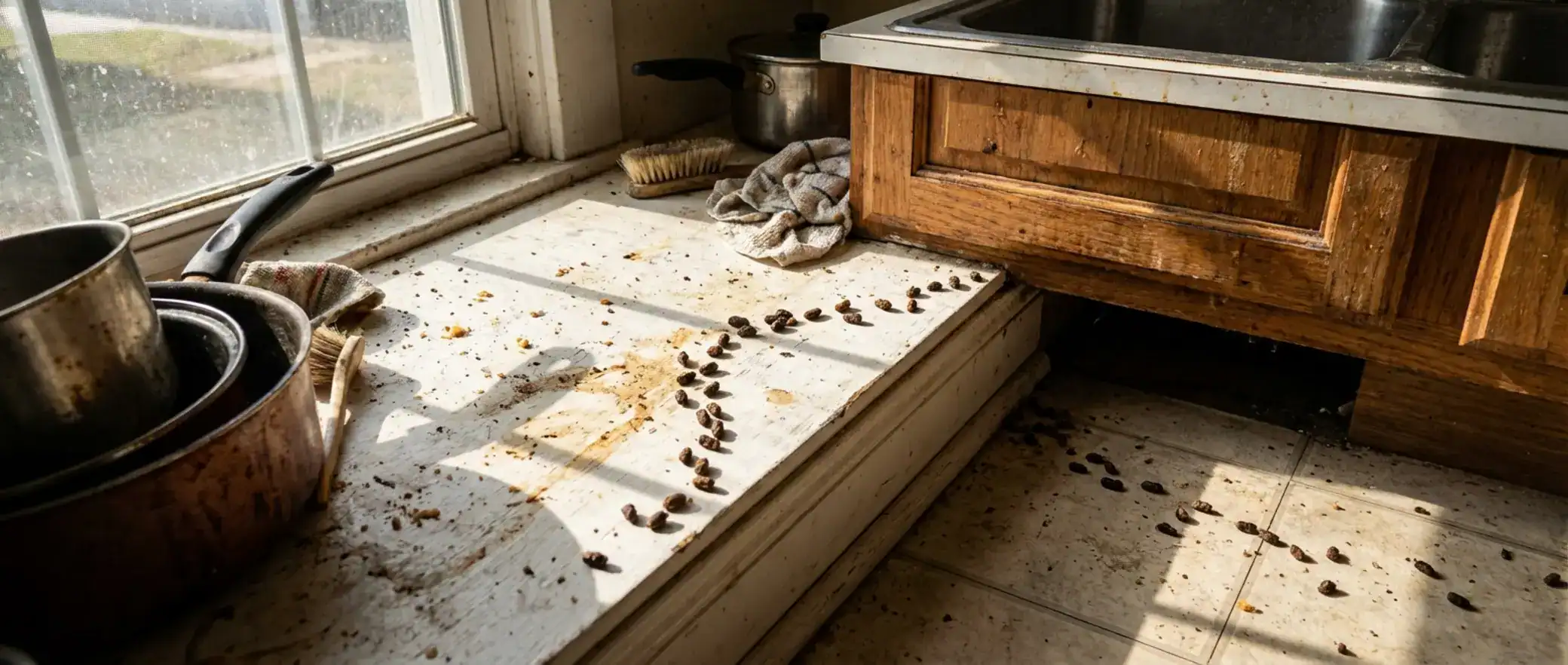
- Small Roaches (e.g., German Cockroach): Their droppings look like small specks of black pepper or dark coffee grounds. These 1-2mm particles will be scattered in areas of high activity, such as inside drawers, on countertops, and along the tops of cabinets. In a heavy infestation, you might find so much of it that it looks like a fine layer of black dust.
- Large Roaches (e.g., American Cockroach): These pests produce larger, cylindrical droppings that are dark brown or black. They are about 3mm long with blunt ends and ridges on the sides, often mistaken for mouse droppings. The key difference is that mouse droppings are tapered at the ends and may have hairs mixed in.
Finding droppings is a direct confirmation of roach presence. The quantity of droppings can help you gauge the severity of the infestation and pinpoint their primary hiding spots. A heavy accumulation of frass is not just unsightly- it contains the same aggregation pheromones that cause the roach infestation smell, attracting even more roaches to the area.
Beyond Disgust: The Serious Health Risks of a Roach Infestation
The presence of cockroaches is more than just a nuisance; it poses significant health risks associated with a roach infestation. These pests are vectors for a variety of pathogens, and their byproducts can trigger severe allergic reactions. The very smells and smears we use to detect them are laden with dangerous substances.
Allergens and Asthma Triggers
Cockroaches produce potent allergens found in their saliva, feces, shed skins, and dead bodies. These microscopic particles easily become airborne and can be inhaled, triggering allergic reactions and asthma attacks. According to the National Pest Management Association (NPMA), cockroaches are a leading cause of year-round allergies.
For instance, studies have shown that exposure to roach allergens can lead to a 20% increase in asthma-related hospitalizations in children living in infested urban homes. The proteins in their waste are powerful sensitizers, meaning that continued exposure can cause a person to develop an allergy even if they didn’t have one before.
Spread of Dangerous Bacteria
Cockroaches thrive in unsanitary environments like sewers, drains, and garbage disposals. Their bodies and legs pick up bacteria, which they then transfer to every surface they touch, including your food, countertops, and utensils.
They are known to carry and spread dozens of types of bacteria, including:
- Salmonella: Can cause severe food poisoning, with symptoms like fever, diarrhea, and abdominal cramps.
- E. coli: A common cause of urinary tract infections and intestinal illness.
- Staphylococcus and Streptococcus: Responsible for a range of infections from skin boils to pneumonia.
Research indicates that up to 80% of roach droppings found near food preparation areas contain harmful bacteria. This makes sanitation in pest control not just about cleanliness, but a critical public health measure.
How Environmental Factors Fuel Roach Infestations
Roach populations are not static; they are heavily influenced by environmental conditions. Understanding these factors can help you anticipate seasonal peaks of roach activity and prevention tips can be tailored accordingly. Climate change and increasing urbanization are creating ideal conditions for these pests to thrive.
Mild winters and hotter, more humid summers extend the breeding season for cockroaches. In southern states, for example, mild weather allows roach populations to build up year-round, leading to more frequent and severe infestations. The El Niño weather pattern, which brings increased humidity, is often correlated with a spike in roach-related pest control calls.
Urban areas provide the perfect trifecta for cockroaches: abundant food, water, and shelter. Apartment buildings, with their shared walls and plumbing, allow infestations to spread rapidly from one unit to another. The “urban heat island” effect, where cities are warmer than surrounding rural areas, further helps roaches survive colder months. These environmental pressures make long-term strategies to prevent roach infestations in urban areas a community-wide effort.
Effective Methods for Detecting and Eliminating Infestations
When you’ve confirmed the common signs of roaches, the next step is to act decisively. A combination of traditional methods and modern technology offers the most effective methods for detecting and eliminating infestations.
Traditional Detection and Control
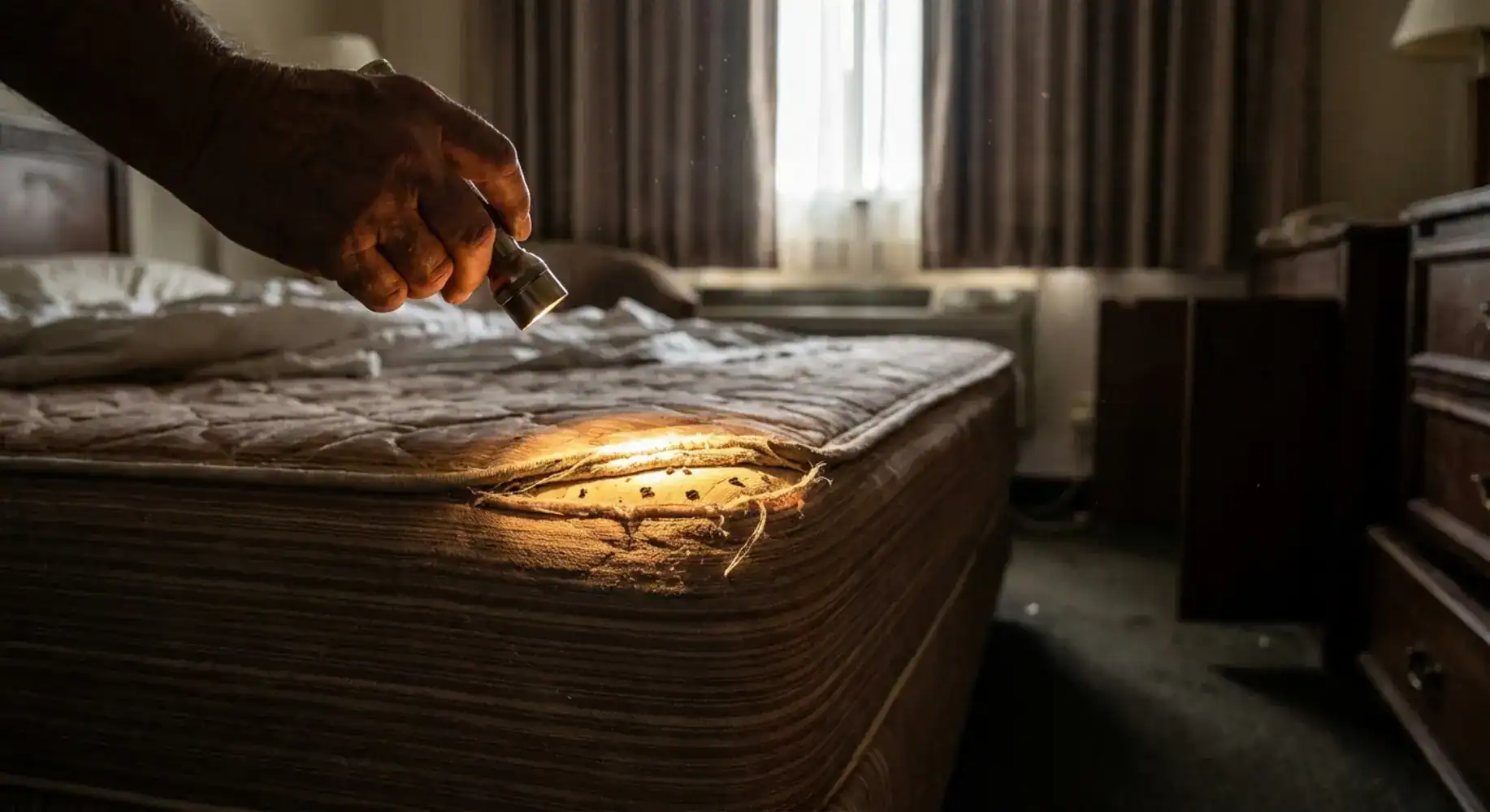
- Visual Inspection: Your most powerful tool is a flashlight. Conduct a thorough inspection of the high-risk areas mentioned earlier: under sinks, behind appliances, in pantries, and along baseboards. Look for live or dead roaches, droppings, smear marks, and egg cases (oothecae), which are small, brown, pill-shaped capsules.
- Sticky Traps: Placing glue traps in suspected areas is an excellent way to monitor activity. Place them flat against walls behind your refrigerator or under the sink. They not only capture roaches, helping to reduce their numbers, but also confirm their presence and identify hotspots.
- Bait Stations: Modern roach baits are highly effective. Roaches consume the poison and carry it back to the nest, where it spreads to others in the colony. Products like Advion Cockroach Gel Bait have a 90% kill rate within seven days. However, be aware that some roach populations are developing resistance; an estimated 30% of U.S. roaches are now bait-resistant.
When to Call a Professional
While DIY roach infestation treatment options can work for minor problems, a heavy infestation requires professional intervention. If you notice any of the following, it’s time to call an exterminator:
- You see roaches during the day. Cockroaches are nocturnal. Seeing them in daylight is a strong sign that their hiding places are overcrowded, indicating a massive population of 100+ roaches.
- The infestation smell is strong and persistent. A powerful odor means the population is large and well-established.
- You’ve tried DIY methods without success. If baits and traps aren’t working, you may be dealing with a bait-resistant strain or an infestation source you haven’t located.
Professional pest control services have access to commercial-grade insecticides and specialized equipment. The cost of professional pest control for roach infestations typically ranges from $100 for a simple treatment to over $600 for a severe, multi-visit extermination plan. Considering the health risks and the rapid breeding cycle of roaches, this investment is often necessary.
Long-Term Prevention: Your Best Defense Against Roaches
Eradicating an existing infestation is only half the battle. Preventing roach infestations requires ongoing vigilance and proactive measures. The importance of sanitation in pest control cannot be overstated.
Key Prevention Strategies
- Maintain Cleanliness: Clean up crumbs and spills immediately. Store food in airtight containers. Wash dishes promptly and don’t leave pet food out overnight. Regularly clean under and behind appliances.
- Eliminate Moisture: Fix leaky pipes and faucets. Use a dehumidifier in damp basements or crawl spaces. Ensure proper ventilation in bathrooms.
- Seal Entry Points: This is one of the most crucial steps. Use caulk to seal cracks and crevices in walls, around pipes, and along baseboards. Install door sweeps to block the gap under exterior doors. The cost is minimal ($5-$20 for caulk) but the impact is enormous.
- Declutter: Remove stacks of newspapers, cardboard boxes, and other clutter that provides hiding places for roaches.
Regular inspections are a cornerstone of prevention. Once a month, use a flashlight to check the common roach hotspots. If you live in an apartment, coordinated efforts with neighbors and property management are essential, as roaches can easily travel between units.
Common Questions About Signs of Heavy Roach Infestation: Smell and Smears
What does a heavy roach infestation smell like?
A heavy roach infestation has a very distinct musty, oily, and sometimes slightly sweet odor. This smell is caused by the aggregation pheromones in their feces and bodily secretions, as well as the oleic acid from decaying roaches. Many compare it to the scent of a damp basement, wet cardboard, or stale coffee.
Are roach smear marks dangerous?
Yes, roach smear marks can be dangerous. These greasy streaks are composed of roach feces and bodily fluids, which can carry harmful bacteria like Salmonella and E. coli. Touching these surfaces and then touching your mouth or food can lead to illness. They also contain potent allergens that can trigger asthma and allergic reactions.
How do you know if you have a bad roach infestation?
You know you have a bad roach infestation if you see roaches during the daytime, notice a strong, persistent musty odor, find large quantities of droppings resembling black pepper, and see dark smear marks along walls and in cabinets. A large number of roaches seen at once when a light is turned on is also a definitive sign of heavy infestation.
How fast can a roach infestation take to develop?
A roach infestation can develop alarmingly fast due to their rapid breeding cycle. A single German cockroach female can produce up to 400 eggs in her short lifetime. Because of this, a small problem can escalate into a major infestation with hundreds or thousands of roaches in just a few months if left untreated.
Will roaches go away on their own?
No, roaches will not go away on their own. As long as they have access to food, water, and shelter, their population will continue to grow exponentially. Ignoring the initial signs of a roach problem will only allow the infestation to become more entrenched and difficult to eliminate.
What are the first signs of a roach problem?
The very first signs of a roach problem are often subtle. You might find small, unexplainable droppings that look like coffee grounds in your cabinets, or you may detect a faint musty odor in your kitchen or bathroom. Finding a single live or dead roach or an empty egg casing are also early warnings that should not be ignored.
Does cleaning remove the roach smell?
Standard cleaning can help reduce the roach smell, but it often isn’t enough to eliminate it completely, especially in a heavy infestation. The pheromone-laden odor seeps into porous materials like wood baseboards and drywall. To truly get rid of the smell, you must eliminate the entire roach population and then use enzyme-based cleaners that break down the organic odor-causing molecules.
References & Expert Sources
- EPA Safe Pest Control Guide
- Pests and Public Health – CDC Vector Control
- Cockroach Guide – National Pest Management Association (NPMA)
- Signs of Cockroach Infestation
- Cockroach Facts & Identification – Terminix
- 7 Signs Of A Roach Infestation – Veterans Pest Control
- What Do Cockroach Droppings Look Like? – Candor Pest Control
- Common Signs Of A Roach Infestation – Bug Man Pest Service
- Common Signs Of A Cockroach Infestation – Affinity Pest Control
- Cockroach Exterminator Cost Guide
- r/pestcontrol Subreddit – Reddit User Experiences
Final Thoughts: Take Action at the First Sign
Understanding the subtle yet significant signs of roach infestation, particularly the distinct smell and telltale smears, is your first and best line of defense. These indicators are not just unpleasant- they are urgent warnings about a hidden threat to your home’s hygiene and your family’s health. Ignoring a faint musty odor or dismissing a few dark streaks can allow a small problem to spiral into a full-blown crisis that is more difficult and costly to resolve.
Do not wait for the problem to become undeniable. If you notice any of the heavy roach infestation symptoms discussed, it is time for immediate action. Conduct a thorough inspection of your home today. If what you find confirms your suspicions, do not hesitate to contact a pest control professional. Proactive detection and swift intervention are the keys to reclaiming your home and ensuring a safe, pest-free environment.