Imagine finding your pet’s favorite sleeping spot teeming with microscopic hitchhikers you didn’t see coming. If you’ve only focused on your dog’s neck or your cat’s tail, you’re missing 95% of the battle currently living in their pillows and blankets, making a pet safe flea spray your most important tool this season.
What is the best pet safe flea spray for pet bedding?
The most effective pet safe flea spray for bedding utilizes botanical ingredients like cedarwood oil or synthetic Insect Growth Regulators (IGRs) such as Pyriproxyfen to break the flea life cycle. For household safety, choose products that target eggs and larvae specifically. Always verify that sprays for cat environments are phenol-free, as felines lack the liver enzymes to process certain essential oils.
The 95% Rule: Why Bedding is the Real Battlefield
Most pet owners believe a flea infestation is an “on-animal” problem. However, biological data proves that adult fleas on your pet represent only 5% of the total population. The remaining 95% – consisting of eggs, larvae, and pupae – live deep within the fibers of pet bedding, rugs, and furniture. This environment provides the perfect humidity and temperature for these parasites to thrive.
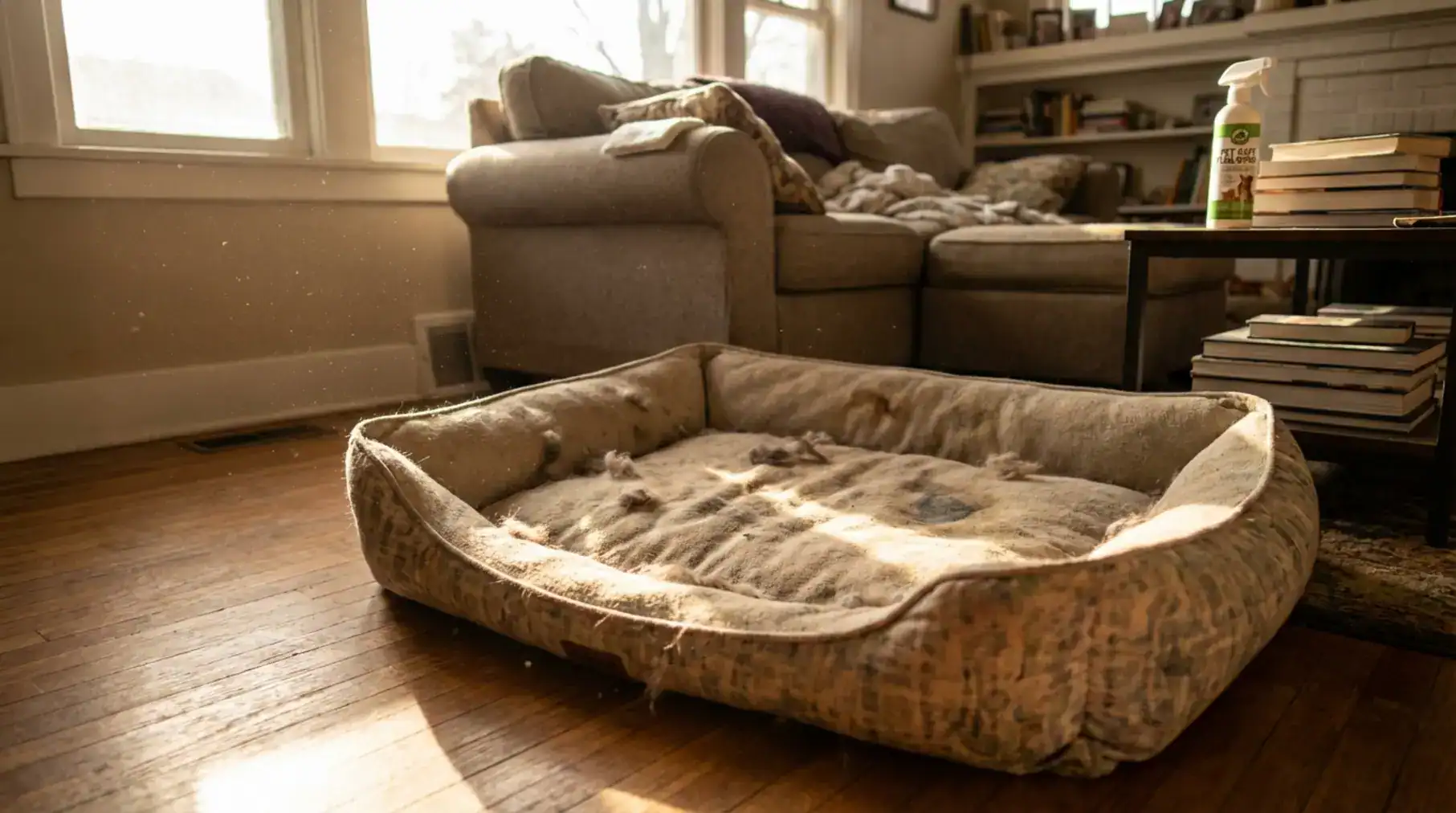
If you don’t use a specialized flea treatment for pet bedding, you are essentially allowing a nursery to grow in your living room. Flea eggs are not sticky; they fall off the pet wherever the animal rests. Because of this, the bed is the primary reservoir for future generations.
A recent February 2026 study from VetAgro Sup in France highlighted a shift in how we approach this. Researchers found that oral flea medications (isoxazolines) leave toxic residues in pet waste for over 100 days. This discovery is pushing more owners toward localized non-toxic flea spray for pets that treats the home environment rather than just the animal’s internal system.
Understanding Flea Life Cycles and Treatment Timing
To win this war, you must understand the enemy’s timeline. A single female flea can lay up to 50 eggs per day. These eggs hatch into larvae within 2 to 14 days, depending on the room’s climate.
Larvae are light-avoiding creatures. They crawl deep into the stuffing of a dog bed or the crevices of a cat tree. They eventually spin a cocoon and become pupae. This is the “black hole” of flea control. Flea pupae are encased in a protective silk that is nearly impenetrable to most household insecticides.
Actually, the pupal stage can lay dormant for up to 12 months. They only hatch when they feel vibrations or heat from a passing host. This is why many people find fleas in a home that has been vacant for months. To break this cycle, your best flea spray for pets must include an Insect Growth Regulator (IGR) like Nylar (Pyriproxyfen) or Methoprene. These chemicals mimic juvenile hormones, preventing larvae from ever reaching adulthood.
Concerns About Toxicity in Traditional Flea Sprays
Pet parents are increasingly cautious about safe household insecticides. Historically, many home sprays relied on permethrin or organophosphates. While effective, these chemicals come with significant baggage.
The FDA issued a formal alert regarding the isoxazoline class of drugs, which includes popular oral treatments like Bravecto and Nexgard. These products have been linked to neurological adverse events, including tremors and seizures. Similarly, the National Resources Defense Council (NRDC) has petitioned the EPA to ban Tetrachlorvinphos (TCVP), a common ingredient in older flea collars and sprays.
For cats, the risk is even higher. Felines possess a unique biology; they lack the liver enzyme glucuronosyltransferase (UGT). Because of this, they cannot metabolize phenols found in many “natural” essential oils or synthetic permethrin. Using the wrong flea and tick spray for pets near a cat can lead to acute liver failure or tremors.
Why Choose Natural and Eco-Friendly Flea Solutions?
Switching to an eco-friendly flea spray for pets isn’t just about being “green.” It is about targeted efficacy without systemic risk. Botanical solutions often use cedarwood, peppermint, or lemongrass oils to kill adult fleas on contact.
Cedarwood oil, for instance, works by leaching moisture from the flea’s exoskeleton, effectively dehydrating them. It also interferes with their pheromone receptors, making it a powerful pet-safe insect repellent.
However, you must be careful with “greenwashing.” A product labeled “natural” might still contain high concentrations of clove oil (eugenol), which can irritate a pet’s skin. The best approach is often a hypoallergenic flea spray for dogs that has been vet-tested for sensitivity.
| Product Feature | Natural Botanical Sprays | Synthetic IGR Sprays |
| Primary Action | Kills adult fleas on contact | Prevents eggs from hatching |
| Residual Effect | Short (24-48 hours) | Long (up to 7 months) |
| Environmental Safety | High; biodegradable | Moderate; stable in soil |
| Feline Safety | Depends on oil concentration | Usually high once dry |
Recommended Products for Safe Flea Treatment
Finding the best flea sprays for pets requires looking closely at the active ingredient list. Here are several vetted options for treating pet bedding and household surfaces.
Wondercide Natural Flea & Tick Control
Wondercide is a leader in the natural flea spray for cats and dogs market. It relies on high-quality cedarwood oil to disrupt the life cycle of pests.
- Rating: 9.2/10
- Key Features: Kills adults, eggs, and larvae. No artificial fragrances.
- Pros: Safe for direct use on bedding and upholstery. Pleasant woodsy scent.
- Cons: Requires frequent re-application during heavy infestations.
- Verdict: Best for households seeking a 100% toxin-free environment.
Vet’s Best Cat Flea & Tick Home Spray
This is a vet-approved flea treatment specifically formulated for the feline-sensitive home. It uses a low-concentration blend of peppermint oil and clove extract.
- Rating: 8.8/10
- Key Features: Non-staining formula. Safe for kittens 12 weeks or older.
- Pros: Affordable price point (roughly $14.99). Widely available.
- Cons: Strong aromatic smell that some cats may dislike initially.
- Verdict: A reliable, budget-friendly choice for cat owners.
Virbac Knockout E.S. Area Treatment
This is often considered the gold standard for flea control products for household use. It contains both a contact killer and an IGR (Pyriproxyfen).
- Rating: 9.5/10
- Key Features: Covers up to 2,100 square feet. Reaches fleas hidden in carpet fibers.
- Pros: Extremely effective at stopping re-infestations for up to 7 months.
- Cons: Contains permethrin (toxic to cats while wet).
- Verdict: Best for heavy infestations in dog-only homes or multi-pet homes where cats can be relocated during treatment.
TropiClean Natural Flea + Tick Home Spray
This organic flea spray for cats and dogs uses a combination of essential oils to create a repellent barrier.
- Rating: 8.5/10
- Key Features: Uses lemongrass and cinnamon oils for a fresh scent.
- Pros: Effective at repelling new fleas for up to two weeks.
- Cons: Oil-based formula can be slightly slippery on hard floors.
- Verdict: Great for maintenance and prevention between deep cleans.
The Application Protocol: How to Treat Pet Bedding
Simply spraying a non-toxic flea spray for pets on a dirty bed won’t solve the problem. You need a structured routine to ensure no life stages survive.
Step 1: Remove and Wash Linens
Strip all covers and blankets. You must wash them in hot water at exactly 140°F (60°C). This temperature is the lethal threshold for flea eggs and larvae. Dry them on the highest heat setting for at least 20 minutes.
Step 2: Spray the Foundation
While the linens are in the wash, treat the “mattress” or the foam insert of the pet bed. Use your chosen flea treatment for pet bedding to saturate the crevices and the bottom side. Don’t forget to spray the floor underneath the bed, especially if it is carpeted.
Step 3: Allow for Complete Drying
This is a critical safety step. Most safe flea control products are only fully safe once the carrier liquid has evaporated. Keep your pets out of the room for 2 to 4 hours.
Step 4: The 7-Day Vacuum Rule
This is the secret weapon. You must vacuum the area around the bedding every day for a full week. The vibrations from the vacuum mimic the footsteps of a host, which triggers dormant pupae to hatch. Once they emerge, they will encounter the residual pet safe flea spray you applied earlier and die.
Feline-Specific Considerations
Cat owners must be extra vigilant when finding safe products for sensitive pets. Because cats groom themselves constantly, any residue on their bedding will eventually be ingested.
Avoid any product containing permethrin if you have a cat. While permethrin is a common ingredient in hypoallergenic flea spray for dogs, it is a potent neurotoxin for felines. Even “secondary contact,” such as a cat sleeping on a dog bed that was recently treated with permethrin, can result in an emergency vet visit.
Look for flea remedies for dogs and cats that are labeled specifically as “Cat Safe.” These usually replace heavy phenols with safer alternatives like Sodium Lauryl Sulfate or diluted cedarwood oil. If you notice your cat drooling, stumbling, or acting lethargic after a treatment, wash the area immediately and consult a professional.
The Importance of Preventing Re-Infestation
Treating the bedding is only half the battle. To ensure long-term effectiveness of natural flea sprays, you must look at the home as a whole ecosystem. Fleas love baseboards, the gaps between floorboards, and the areas under heavy furniture where pets like to hide.
Re-infestation often occurs because owners stop treatment too soon. Because the pupae can stay dormant for so long, you might think the problem is gone, only to have a new “hatch” occur three weeks later.
Consistent safe flea prevention for pets involves monthly checks with a flea comb and regular hot-water washing of all household textiles. If you have a multi-pet household, every animal must be treated simultaneously. Treating the dog but ignoring the cat is a recipe for a perpetual flea cycle.
Proper Application Techniques for Flea Sprays
To get the most out of your flea repellent products for pets, follow these technical tips:
- Distance Matters: Hold the spray bottle about 12 to 18 inches away from the surface. This ensures an even mist rather than a soaking wet spot.
- Focus on Shadow Zones: Larvae hate light. Focus your natural pest control for pets on the undersides of cushions and deep within fabric folds.
- Test for Colorfastness: Before spraying your expensive velvet sofa, test the product on a hidden corner. Some essential oils can leave faint stains on delicate fabrics.
- Ventilate the Space: Open windows to allow fresh air to circulate. This helps the spray dry faster and prevents the buildup of strong botanical scents that might overwhelm your pet’s nose.
Comparison of Various Flea Treatment Methods
When deciding how to treat pet bedding for fleas, it helps to compare the different “tools” in your arsenal.
- Steam Cleaning: Highly effective at killing eggs and larvae using pure heat. However, it doesn’t provide any residual protection, meaning a flea could jump back on the bed an hour later.
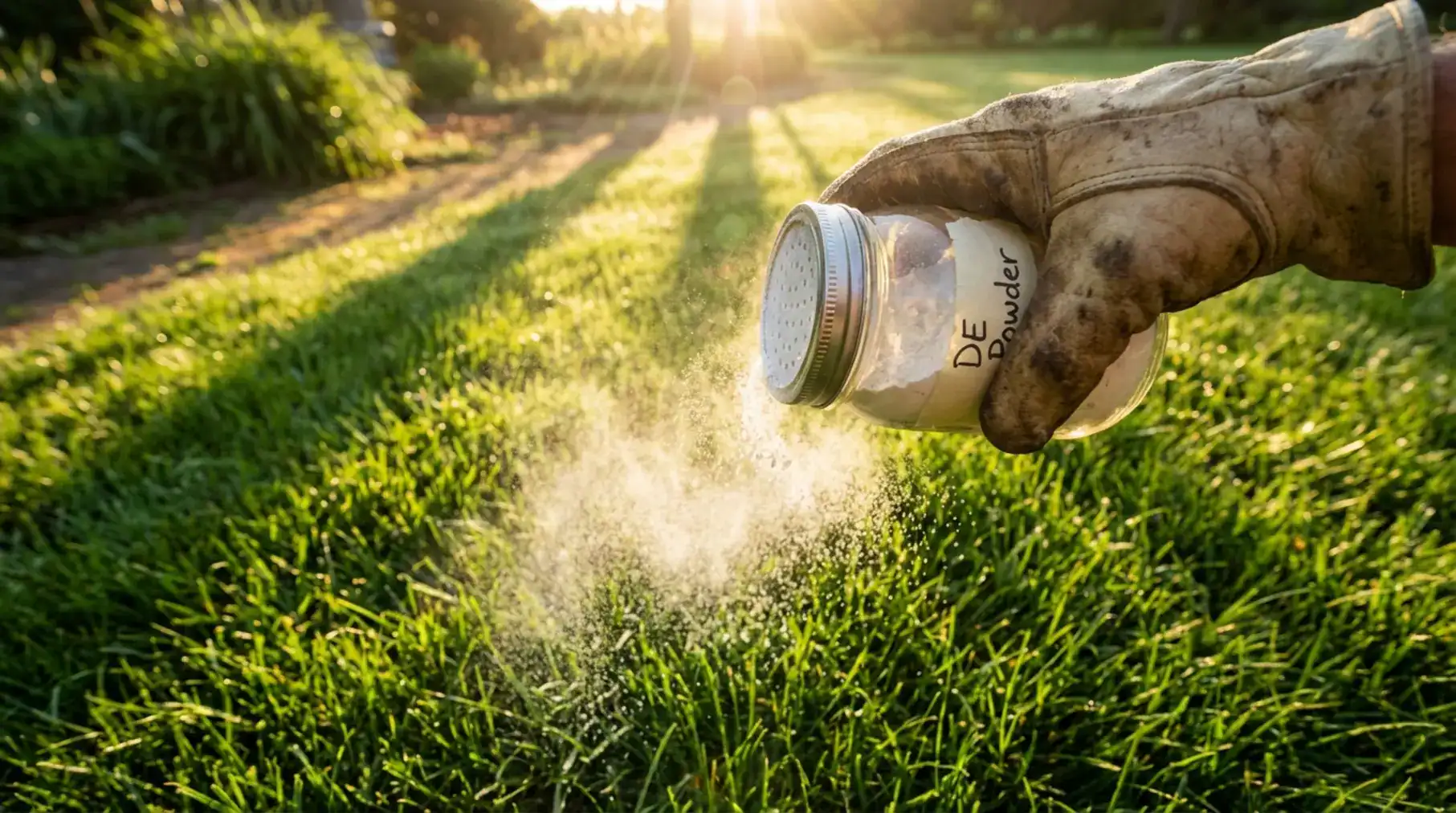
- Diatomaceous Earth: A popular alternative flea treatments for pets. It is a dry powder that shreds the flea’s shell. Safety First: You must use food-grade DE and be very careful not to let pets inhale the dust, as it can cause respiratory issues like silicosis.
- Chemical IGRs: The most reliable way to stop a massive infestation. They have a long shelf life on the fabric but require careful application.
- Essential Oil Sprays: Excellent for daily maintenance and repelling new “hitchhikers” from the yard. They are the best organic flea spray for cats and dogs for those who want to avoid synthetics entirely.
Common Questions About Treating Pet Bedding: Safe Products for Cats & Dogs
Is flea spray safe for pet bedding?
Yes, most sprays designed for the home are safe once they have dried completely. You should always look for a pet safe flea spray that explicitly states it is for use on furniture and fabrics. Avoid using sprays intended for “outdoor use only” inside the home, as these are often much more concentrated and toxic.
Can I use human flea spray on my dog?
No, you should never use human flea spray on pets. Human-grade repellents often contain DEET, which is highly toxic to both dogs and cats if ingested or absorbed through the skin. Always use products specifically formulated for veterinary use.
What temperature kills fleas in the washing machine?
To kill all life stages of fleas, including the hardy eggs, you must use a water temperature of at least 140 degrees Fahrenheit (60 degrees Celsius). A standard warm wash is usually not enough to penetrate the protective coating of the eggs.
How often should I apply flea treatment to bedding?
During an active infestation, you should treat the bedding once a week in conjunction with the 7-day vacuum rule. For prevention, applying a natural flea spray for cats and dogs once every two to three weeks is usually sufficient to keep pests at bay.
Does baking soda kill fleas on carpets and beds?
Baking soda can help by dehydrating flea larvae, but it is not a complete solution. It is most effective when mixed with salt and brushed deep into the fibers, then vacuumed up after 24 hours. However, it will not kill the pupal stage.
Are natural flea sprays effective for dogs and cats?
Natural sprays are highly effective as contact killers and repellents. However, because they lack the long-term residual power of synthetic IGRs, they require more diligent application. They are an excellent non-toxic flea solution for households with small children or sensitive animals.
References & Expert Sources
- FDA Fact Sheet on Isoxazoline Adverse Events
- NRDC: Report on Toxic Tetrachlorvinphos
- EPA Pet Spot-on Evaluation
- VetAgro Sup: Environmental Impact of Veterinary Medicines Study
- PetMD: Essential Oils Safe for Dog Fleas?
- American Humane: Flea Prevention Strategies
- ASPCA: Animal Poison Control Center
- AVMA: Flea and Tick Treatment Guidelines
- Cornell University: Feline Sensitivity to Phenols
- Wondercide: Botanical Efficacy Reports
Final Thoughts
The real battle against parasites isn’t fought on your pet’s back; it’s fought in the places where they sleep, play, and hide. By choosing a high-quality pet safe flea spray and following a strict application protocol, you can eliminate the 95% of the population that most owners ignore.
Actually, the move toward botanical IGRs and high-heat washing represents a smarter, more sustainable way to care for our animals. While the convenience of a pill is tempting, the long-term safety of environmental treatment often wins out for the health of our pets and our homes. Take a moment today to check your current flea products. Ensure they are safe for your specific pet’s biology, especially if you have cats. If you are currently dealing with an infestation, start the 140 degree wash and the 7-day vacuuming routine immediately to reclaim your home. Your pets deserve a comfortable, itch-free sanctuary to call their own.