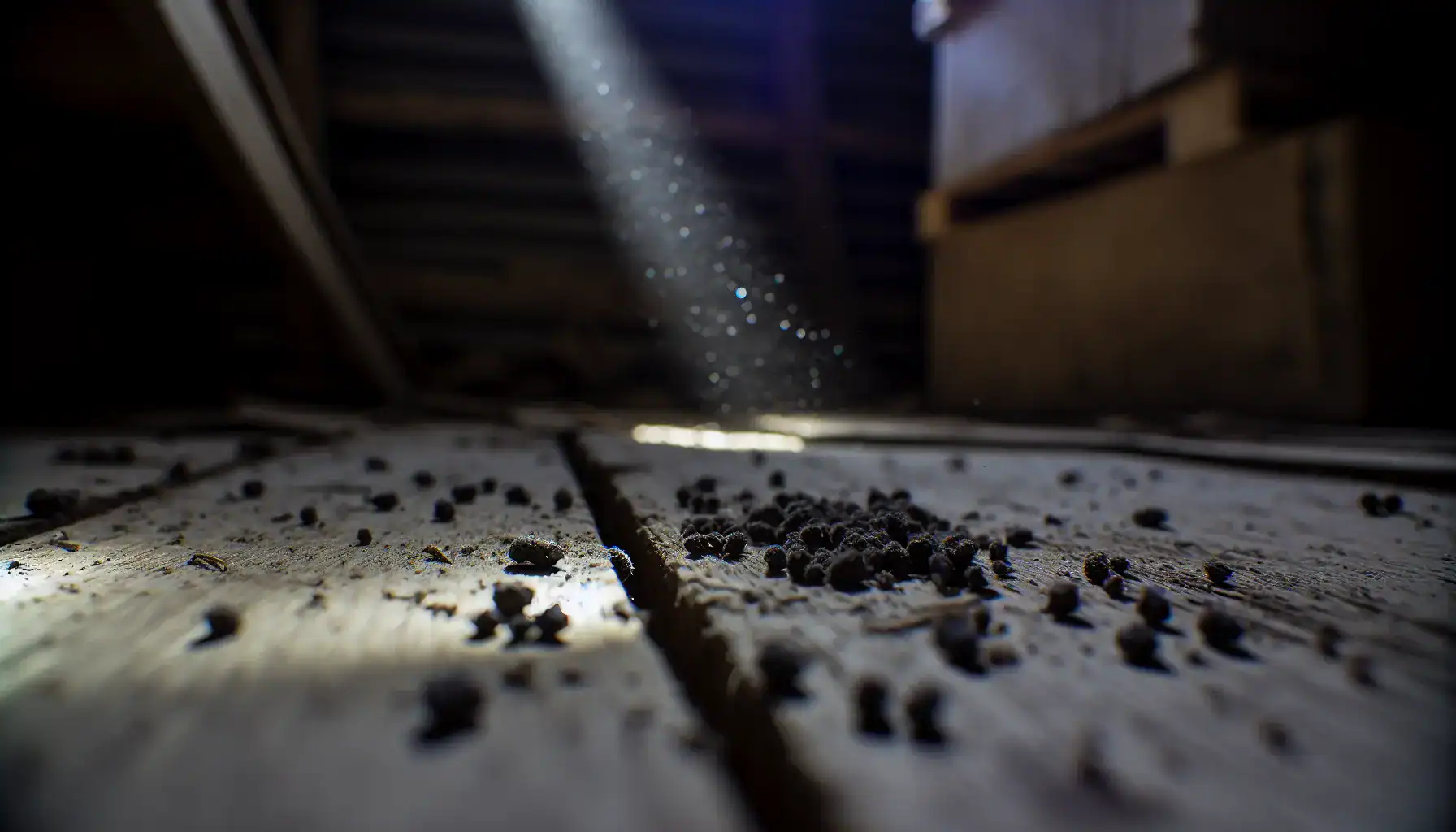
If your first instinct upon seeing a rodent mess in the shed is to grab the shop vacuum, stop right now. Learning the exact procedures for cleaning mouse droppings safely is a matter of severe biological security. CDC cleaning guidelines You are about to turn a localized floor hazard into an invisible airborne threat if you proceed blindly. Actually, cleaning mouse droppings requires strict wet-cleaning methods to prevent the aerosolization of fatal pathogens. EPA-registered disinfectants We will break down exactly how to protect your lungs, sanitize your home, and eliminate this zoonotic threat permanently.
March 2026 Hantavirus Case Ignites Urgent Need for Safe Cleaning
The first confirmed United States hantavirus case of 2026 in Santa Fe County New Mexico Department of Health report proves that handling rodent waste requires rigorous biological safety measures. A simple mistake during spring cleaning can lead to immediate and severe respiratory consequences.
Recent updates from the Pan American Health Organization highlight a startling reality heading into 2026. Specifically, the Americas recorded 229 cases and 59 deaths throughout 2025 . Consequently, this yields a staggering 26 percent mortality rate. The health risks of mouse droppings are not theoretical. They are a documented, fatal hazard. Furthermore, California officials recently detected the virus in a Western harvest mouse during routine inspections. Because of this, public health agencies are stressing extreme caution.
Hantavirus Pulmonary Syndrome (HPS) is defined as a severe, sometimes fatal, respiratory disease in humans caused by infection with hantaviruses. Aerosolized particles serve as the primary transmission vector. CDC hantavirus overview When you disturb a dry nest, microscopic virus particles launch into the air. Adhering to updated hantavirus prevention cleaning protocols is absolutely mandatory. You cannot treat this like standard household dust.
Why You Must Take Hantavirus Risk Seriously: Disease Overview
Hantavirus carries a historical fatality rate of over 30 percent in the United States, making proper contamination protocols highly critical. Understanding the severe effects of hantavirus from mouse droppings ensures you respect the hazard before starting any cleanup.
According to the Centers for Disease Control and Prevention, inhaling fresh rodent waste dust triggers the infection . The virus targets the lungs directly. Initial symptoms include fever, severe muscle aches, and extreme fatigue. Eventually, the disease progresses to severe respiratory distress. The incubation period ranges anywhere from one to eight weeks. As a result, many patients fail to connect their illness to that day they swept out the garage.
Safety Note: Never assume an old, dried-out nest is harmless. The exact survival time of the virus on surfaces remains uncertain, so you must treat all waste as actively infectious.
You must grasp the profound dangers of hantavirus when cleaning mouse droppings. There is no vaccine. There is no specific cure. Treatment remains entirely supportive. Think of it like a biological landmine. It sits silently on the floor, waiting for physical agitation to trigger an invisible explosion.
Immediate Action: Quick-Start Checklist for Safe Cleaning
Executing the right immediate actions prevents dangerous virus aerosolization before you even touch a sponge or paper towel. Proper ventilation and gathering the correct protective gear form the absolute foundation of all cleaning rodent droppings guidelines.
If you find a nest today, do not panic. Instead, follow these immediate triage steps to secure the environment.
- Open all doors and windows to cross-ventilate the space for a minimum of 30 minutes.
- Keep children, pets, and vulnerable individuals out of the area entirely.
- Gather your personal protective equipment, including nitrile gloves and an N95 respirator mask.
- Mix a fresh batch of 10 percent bleach solution in a standard spray bottle.
- Spray the waste heavily until it is completely saturated.
- Wait a full five to ten minutes before attempting any removal.
Knowing how to clean mouse droppings starts with patience. The virus does not die instantly upon contact with bleach. It requires a specific dwell time to break down the viral envelope.
Full Protocol: Step-by-Step Guide to Safe Cleanup of Mouse Waste
Following a rigid, wet-cleaning method eliminates the risk of inhaling aerosolized pathogens. This step-by-step guide to safe cleanup of mouse waste guarantees maximum sanitation with minimal human exposure.
Industry experts agree that agitation is the enemy. You must follow these chronological steps perfectly to master these specific hantavirus cleaning procedures.
- Ventilate the Space: Open windows and doors for 30 minutes before entering.
- Suit Up: Put on your N95 respirator, eye protection, and disposable nitrile gloves.
- Mix the Disinfectant: Combine 1.5 cups of household bleach with one gallon of water to create a 10 percent solution.
- Saturate the Area: Spray the droppings, urine trails, and nesting materials heavily.
- Wait for the Dwell Time: Let the bleach solution soak the area for exactly five to ten minutes.
- Wipe Up carefully: Use disposable paper towels to scoop up the wet waste without crushing it.
- Execute Proper Disposal: Place all soiled paper towels into a heavy-duty plastic trash bag.
- Mop the Hard Surfaces: Once the physical waste is gone, mop the entire floor with fresh disinfectant.
Proper safe disposal of mouse droppings requires double-bagging the waste. Tie the first bag tightly, place it inside a second bag, and seal that one as well. This prevents cross-contamination in your outdoor trash bin. These targeted mouse droppings removal techniques keep the virus pinned to the floor. Additionally, mastering how to disinfect mouse droppings correctly protects the local sanitation workers who handle your trash.
Cleaning in Special Settings: Vehicles, Upholstery, Cabins, and Severe Infestations
Different environments require customized approaches to rodent feces cleanup because airflow and material porosity vary wildly. Tailoring your specific sanitation methods to the setting prevents cross-contamination across your property.
Vehicles and Tight Spaces
Automobiles present a unique challenge. Do not turn on the car’s heater or air conditioning system. Doing so will blow viral dust directly into your face. Instead, roll down all windows and let the vehicle air out for 20 minutes . Use a spray bottle to apply disinfectant to the floor mats and under the seats.
Upholstery and Soft Items
Porous materials require aggressive temperature control. You cannot simply spray bleach on a couch. Wash exposed clothing or bedding in hot water. Specifically, the water must reach between 115 and 135 degrees Fahrenheit. Add a cup of ammonia or an enzyme cleaner to the load. Never mix ammonia and bleach together. For non-washable furniture, steam cleaning is the preferred method for safe cleaning tips for mouse infestations.
Dealing with Severe Rodent Infestations
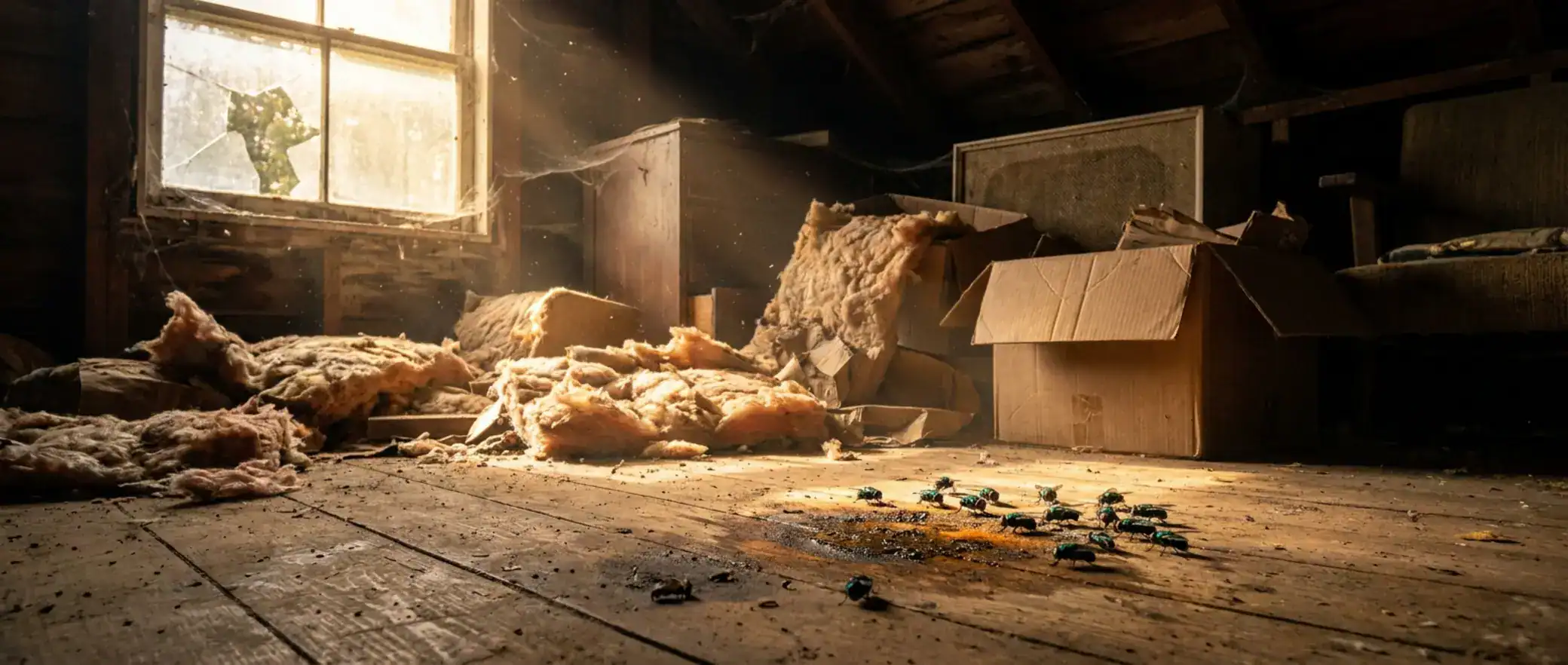
Large attic or crawlspace nests require professional intervention. Dealing with severe rodent infestations often involves heavily contaminated insulation and chewed electrical wires. Professional biohazard cleanup costs typically range from 495 to 4000 dollars depending on the square footage. Professional teams utilize commercial air scrubbers and ultraviolet blacklights to locate dried urine pillars.
PPE Demystified: What to Wear for Light, Moderate, and Heavy Cleaning
Scaling your personal protective equipment to match the infestation severity is the only way to ensure total respiratory safety. The importance of wearing protective gear during cleanup cannot be overstated when handling any level of biological waste.
For a light infestation, which usually means finding a few isolated droppings in a kitchen cabinet, standard gear is acceptable. You must wear nitrile gloves and a well-fitted N95 mask. Safety glasses are also recommended to prevent accidental splashes when spraying bleach.
For a moderate to heavy infestation, you must escalate your gear. Heavy contamination in an attic demands Tyvek coveralls and rubber overboots. A standard N95 mask is no longer sufficient.
A Powered Air-Purifying Respirator (PAPR) is defined as a battery-operated blower system that provides positive-pressure filtered air to a tight-fitting facepiece. According to workplace safety standards, heavy biohazard cleanups require either a PAPR or a half-mask elastomeric respirator with P100 HEPA cartridges . Knowing the essential tools and supplies for cleaning rodent droppings bridges the gap between amateur mistakes and professional-grade safety.
Safety Note: A respirator only works if it forms a perfect seal against your skin. Facial hair completely breaks this seal, rendering standard masks useless against viral particulates.
Mythbusters: Common Misconceptions About Cleaning Mouse Droppings
Relying on internet myths about mouse excrement sanitation can literally cost you your lung function. Separating scientific facts from common misconceptions about mouse droppings and disease ensures you do not make fatal errors during your property cleanup.
The most dangerous myth is that using a vacuum with a HEPA filter is perfectly safe. Actually, this is entirely false. The Centers for Disease Control explicitly forbids vacuuming of any kind. The mechanical agitation of the vacuum brush kicks up more dust than the filter can instantly capture. Any dry sweeping violates all safe handling of mouse waste protocols.
Another widespread myth involves natural cleaners. Many users assume that vinegar, baking soda, or essential oils can sanitize biohazards. They cannot. You must use an EPA-registered disinfectant or a strict 10 percent bleach dilution. Furthermore, people often believe that hantavirus dies within 24 hours. Research shows the survival rate is highly dependent on humidity and temperature, meaning old droppings remain highly suspect.
After Cleanup: Prevention, Monitoring, and Long-Term Hygiene Strategies
True safety extends beyond the initial wipe-down by focusing heavily on exclusion and long-term environmental control. Implementing strict post-cleanup sanitation and prevention strategies guarantees the rodents do not return to spread new diseases.
Once the area is biologically safe, you must seal the perimeter. Mice can squeeze through gaps as small as a quarter of an inch. Use silicone caulk and steel wool to plug holes around foundation vents and pipe penetrations. This is a critical component of environmental health considerations in rodent control.
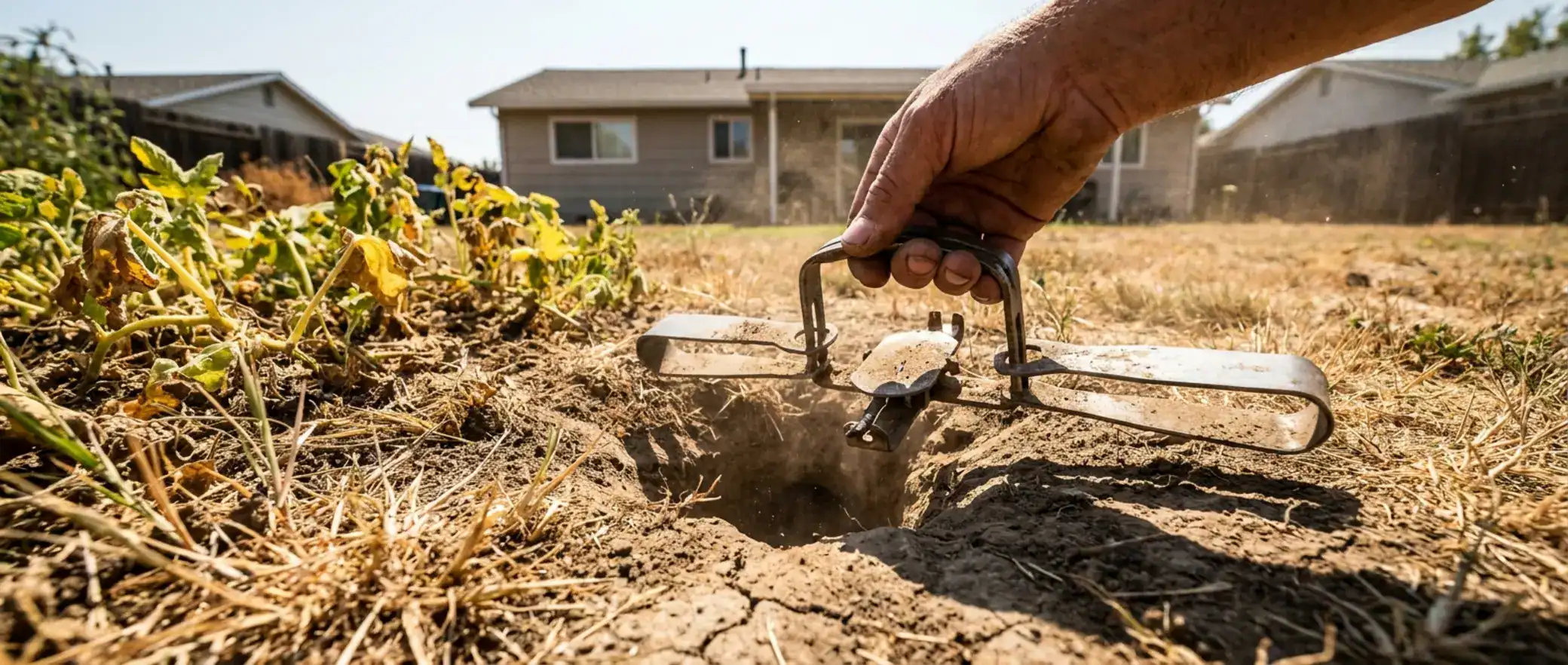
Next, deploy safe trapping methods. Use traditional wooden snap traps rather than glue traps. Glue traps cause mice to urinate in terror, which only creates fresh biohazards for you to clean later. These preventative measures for rodent diseases significantly lower your future risk profile.
Finally, monitor your own health. The incubation period for hantavirus is lengthy. If you develop a high fever or severe muscle aches weeks after the cleanup, go to the emergency room immediately. Tell the triage nurse exactly what you were doing. Maintaining perfect rodent droppings hygiene protects your family, but remaining vigilant about prevention measures for hantavirus saves your life.
Bonus: The Material Decision Matrix and Resource Guide
Knowing exactly which contaminated items to save and which to throw away prevents lingering pathogen exposure. This decision matrix removes the guesswork from dealing with stubborn contamination from rodent droppings on various household materials.
Format your disposal strategy using this simple matrix:
Material Type Action Required
Cardboard Boxes Trash immediately
Attic Insulation Trash immediately
Wooden Cutting Boards Trash immediately
Solid Plastics Save and disinfect
Metal Cookware Save and disinfect
High-Temp Washable Fabrics Save and launder
Porous materials absorb urine deep into their fibers. You simply cannot sanitize a cardboard box. Do not let sentimentality cloud your judgment regarding biological safety.
If you feel overwhelmed by the scale of the damage, seek outside help. Many community resources for rodent control and cleanup assistance exist at the county level. Local health departments frequently offer free property inspections and can provide lists of certified biohazard remediation contractors in your immediate area.
Common Questions About Clean-Up Safety: Hantavirus Prevention Protocols
What should I do if I accidentally vacuumed mouse droppings?
If you already vacuumed the waste, immediately leave the room and close the door behind you. Let the airborne dust settle for several hours, then re-enter with an N95 respirator to carefully dispose of the vacuum bag or thoroughly disinfect the bagless canister using wet-cleaning methods.
What is the exact bleach ratio for disinfecting rodent waste?
The required mixture is one part bleach to nine parts water, which equates to about 1.5 cups of bleach per gallon of water. This specific concentration guarantees that disinfecting rodent waste is completely effective against enveloped viruses.
Can I use 70 percent isopropyl alcohol instead of bleach?
While alcohol does break down some viruses, it evaporates far too quickly to satisfy the mandatory five-minute dwell time. Therefore, stick to bleach or commercial quaternary ammonium products to execute proper rodent infestation cleanup tips.
What are the early signs of hantavirus infection?
Early symptoms closely mimic a severe case of the flu, featuring profound fatigue, high fever, and deep muscle aches, particularly in the thighs and back. These long-term health risks related to rodent droppings can appear up to eight weeks after your initial exposure.
How long does hantavirus survive on indoor surfaces?
The exact survival time varies based on diet, indoor humidity, and temperature, but the virus can remain viable for several days in dark, damp environments. You must always assume the nest is active and infectious.
References and Expert Sources
Relying on verified epidemiological data forms the backbone of all safety protocols. The following institutions provide the baseline facts for managing these biological hazards.
- CDC Official Rodent Cleanup Guidelines
- CDC Hantavirus Pulmonary Syndrome Fact Sheet
- PAHO 2025 Epidemiological Alert for Hantavirus
- Washington State University EH&S Hantavirus Safety Policy
- New Mexico Department of Health Hantavirus Updates
- CDPH Hantavirus Prevention Toolkit
- Interior Health B.C. Rodent Cleanup Safety
- National Park Service Hantavirus Risk Management
- EPA Registered Disinfectants for Biohazards
- OSHA Respiratory Protection Standard Guidelines
Final Thoughts
Mastering these biological safety protocols ensures that a simple weekend chore does not escalate into a medical emergency. Eradicating a rodent nest is rarely glamorous, but applying strict chemical dwell times and utilizing proper respiratory protection will keep your lungs entirely secure. You must respect the microscopic threat that these animals leave behind.
By strictly avoiding dry sweeping, sealing your property’s exterior, and discarding heavily saturated porous materials, you permanently break the chain of zoonotic transmission. Proper preparation is your greatest weapon against this invisible hazard. When you focus heavily on cleaning mouse droppings safely, you guarantee a healthier, pathogen-free home for your entire family. Take action today by inspecting your dark storage spaces and securing your protective gear before you ever need it.