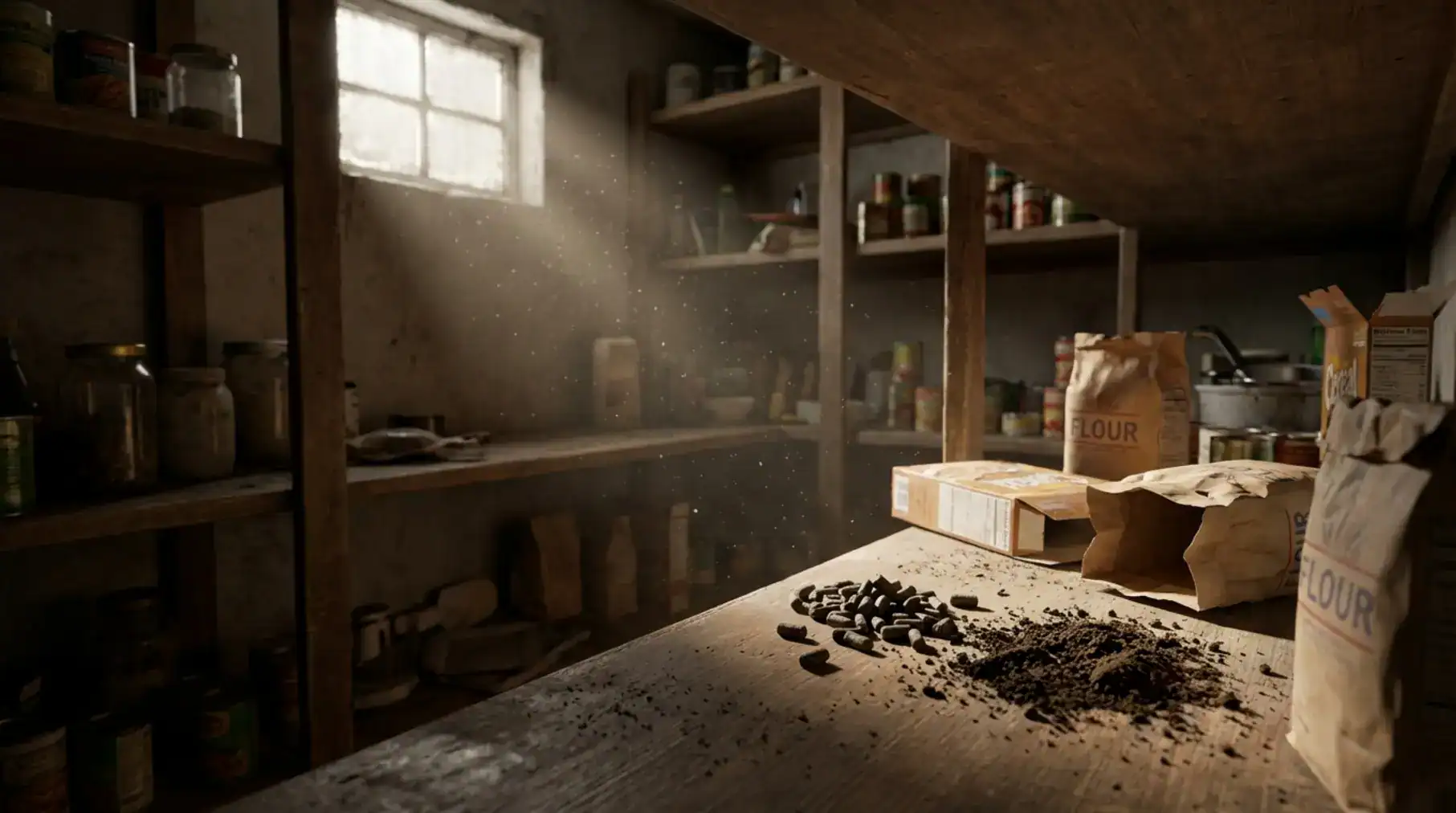
Imagine you are reaching into the back of your kitchen pantry for a bag of flour, only to find a scattered trail of dark, oblong specks. Your heart sinks. You find yourself staring at these mysterious granules, wondering if you are looking at harmless potting soil tracked in from the garden or a high-stakes health hazard. The distinction between mouse droppings vs dirt is not just a matter of household cleanliness; it is a vital diagnostic step that determines whether your home is currently a breeding ground for viral pathogens. If you make the wrong call, you could unknowingly aerosolize dangerous viruses while trying to tidy up.
How can you tell the difference between mouse droppings and dirt?
Mouse droppings are typically 3-7mm long, spindle-shaped with pointed ends, and have a uniform, dark brown or black color. Unlike dirt, which is irregular and jagged, mouse feces will smear into a dark paste when wet and often contain microscopic rodent hairs. If the specks are uniform in size and clustered near baseboards, it is likely an infestation.
The Visual Forensics of Mouse Droppings Appearance
When you are trying to identify mouse droppings, you have to look past the initial “gross factor” and analyze the physical specs like a forensic investigator. Dirt is chaotic. It comes in various shapes, sizes, and textures because it is composed of minerals, decayed organic matter, or tracked-in mud. Biological waste, specifically rodent feces, is a manufactured product of a digestive system, meaning it follows a predictable blueprint.
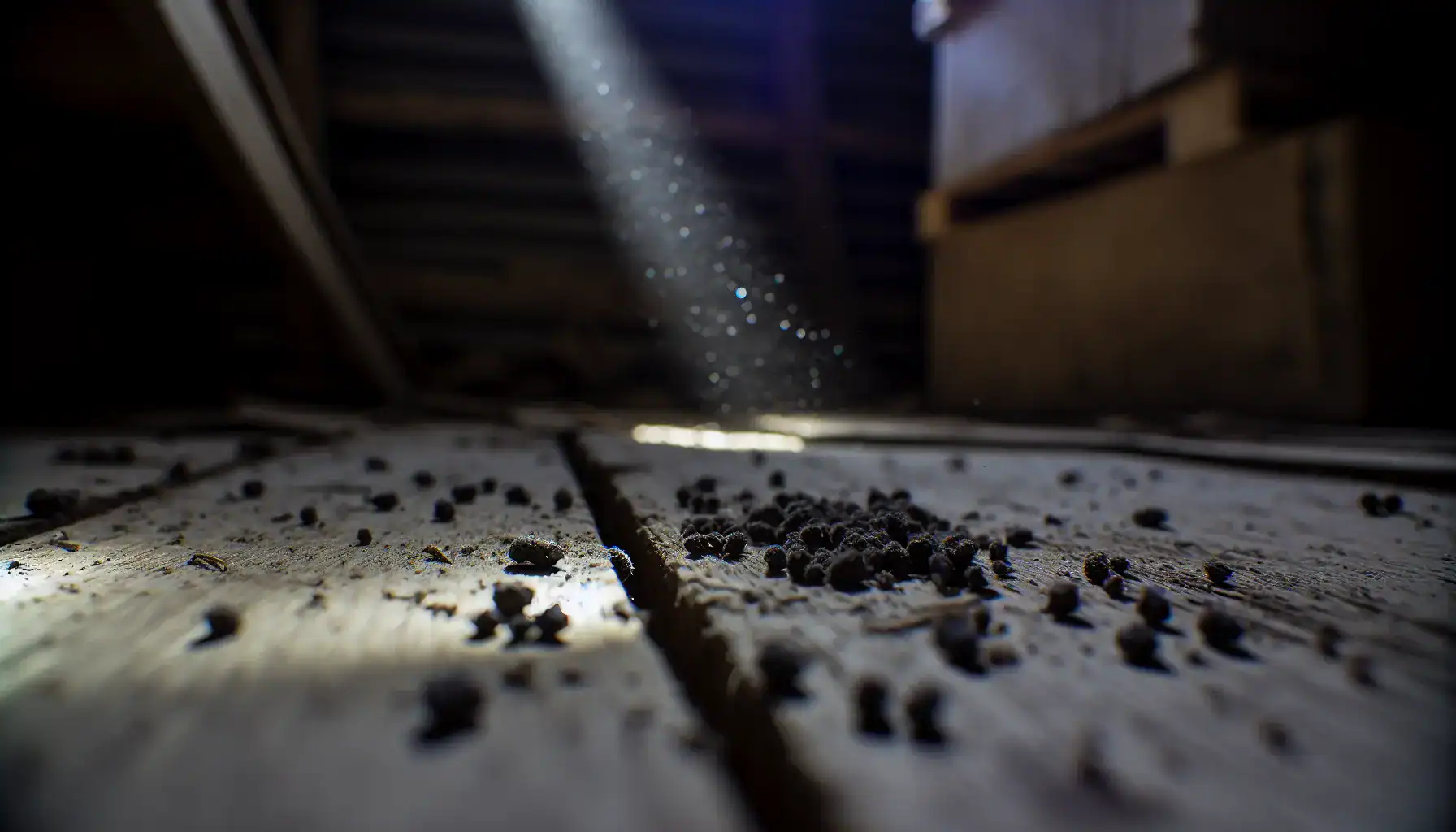
Mouse droppings usually measure between 3 to 7 millimeters, which is roughly the size of a grain of rice . If the specks you found are significantly larger, perhaps the size of an olive pit (10-20mm), you are likely looking at rat feces. If they are smaller and look like coarse black pepper or coffee grounds, you might be dealing with a cockroach infestation rather than rodents.
The shape is the biggest giveaway. A house mouse (Mus musculus) produces droppings that are cylindrical or spindle-shaped, often tapering to a sharp point at one or both ends. Dirt, by contrast, is rarely spindle-shaped. Potting soil might look like dark granules, but under a magnifying glass, those granules will appear jagged, irregular, or perfectly round like perlite.
| Feature | Mouse Droppings | Household Dirt / Soil |
| Shape | Spindle-shaped, tapered ends | Irregular, jagged, or round |
| Size | 3-7 mm (rice grain) | Varies from dust to large clumps |
| Color | Dark brown to deep black | Varies (tan, brown, grey, reddish) |
| Consistency | Pasty when fresh, crumbly when old | Gritty, sandy, or fibrous |
| Placement | Along walls, in corners, near food | Random or near entryways |
Differences Between Mouse Droppings and Dirt: The Physical Tests
If you are still unsure after a visual inspection, there are two physical tests you can perform to distinguish rodent waste from inert debris. Before you touch anything, you must put on non-absorbent rubber or nitrile gloves and a mask. Never use your bare hands to handle suspicious specks in your home.
The Paper Towel Smear Test
This is the most definitive way to confirm the presence of biological rodent feces. Take a white, damp paper towel and pick up one of the specks. Using your gloved thumb, apply firm pressure to the speck against the towel.
- If it is dirt: The speck will likely crumble into grit or sand. It may leave a faint brown stain if it was mud, but the texture will feel “stony” or fibrous.
- If it is mouse poop: The speck will either smear into a thick, dark, pasty streak (if fresh) or crumble into a dark, dusty powder that leaves a distinct organic stain on the towel.
If you look very closely at the smeared remains, you will often see tiny, microscopic hairs embedded in the paste. These are hairs the mouse swallowed while grooming itself . Dirt does not contain groomed rodent fur.
The UV Light Hack for Pest Identification
Mice are “leaky” creatures. They do not just leave droppings; they constantly dribble small amounts of urine as they navigate your home to mark their runways. While dirt is just dirt, a mouse infestation leaves a trail of biological evidence that is invisible to the naked eye but glows under specific conditions.
Purchase a 365nm UV blacklight flashlight. Turn off the kitchen lights and shine the beam over the area where you found the black specks. If the surrounding area or the specks themselves glow a fluorescent yellow-green or blue-white, you are looking at rodent waste. Mouse urine contains proteins and phosphorus that fluoresce under UV light . Dirt, dust, and potting soil will typically remain dark or look “flat” under the light.
Identifying Mouse Droppings by Location and Context
Context is everything when you are trying to distinguish between droppings and dirt. If you find dark specks in the middle of your entryway rug after a rainy day, it is almost certainly tracked-in mud. However, if you find those same specks inside a closed silverware drawer, in the back of a linen closet, or on top of a water heater, dirt has no logical reason to be there.
Mice are creatures of habit and fear. They rarely travel across open spaces, preferring to stay within a few inches of walls and baseboards. This is why you will find signs of rodents concentrated in “runways.” These paths are often marked by sebum smears—dark, greasy rub marks left by the oils in the mouse’s fur as it brushes against the wall. If you see dark specks accompanied by these greasy marks, you are looking at a high-traffic mouse highway.
Common household pests like mice also love specific hotspots:
- Behind the kickplates of kitchen appliances (ovens and dishwashers).
- Inside the “hidden” corners of pantries near grain-based food packages.
- In the attic, specifically tucked into the insulation.
- Near pet food bowls, which are a primary food source.
Health Risks Associated with Mouse Droppings
The urgency in identifying mouse droppings vs dirt stems from the severe health risks associated with rodent feces. While dirt might contain bacteria or allergens, it rarely carries the lethal potential of rodent-borne diseases. In North America, the primary concern is Hantavirus Pulmonary Syndrome (HPS).
Hantavirus is shed in the droppings, urine, and saliva of infected rodents, particularly the Deer Mouse (Peromyscus maniculatus). When the droppings dry out, the virus remains viable. If you sweep or vacuum these dry droppings, you kick up a “lethal mist” of dust that contains the virus. When you breathe that dust in, the virus enters your lungs. HPS has a staggering fatality rate, often ranging between 35% and 40% .
Other significant health risks include:
- Salmonella: Mice can carry these bacteria in their digestive tracts and contaminate food surfaces as they crawl over them.
- Leptospirosis: A bacterial disease spread through contact with water or soil contaminated by rodent urine.
- Lymphocytic Choriomeningitis (LCMV): A viral infection that can cause neurological issues or birth defects if a pregnant woman is exposed.
The first signs of hantavirus usually appear 1 to 8 weeks after exposure. They mimic the flu—fever, muscle aches, and fatigue—but quickly progress to severe shortness of breath as the lungs fill with fluid. If you have been cleaning up what you thought was dirt and suddenly develop these symptoms, you must seek medical attention immediately and mention the potential rodent exposure.
Safe Removal and Disposal of Mouse Droppings
If your inspection confirms that you are dealing with rodent waste rather than dirt, your cleaning method must change instantly. Put down the broom and the vacuum cleaner. These tools are the primary cause of aerosolizing pathogens.
The Wet Cleaning Method
The CDC mandates a “wet cleaning” protocol to ensure that no dust enters the air. Here is the step-by-step guide to removing mouse droppings safely:
- Gear Up: Wear a well-fitting N95 or P100 respirator mask and rubber, latex, or nitrile gloves.
- Prepare the Solution: Mix a 10% bleach solution (1 part bleach to 9 parts water) or use a commercial disinfectant labeled as “tuberculocidal.”
- Soak the Droppings: Spray the droppings and the surrounding area until they are completely saturated. Let the disinfectant sit for at least 5 minutes to kill any active viruses .
- Wipe, Don’t Sweep: Use a paper towel to pick up the soaked droppings. Place them in a plastic bag.
- Scrub the Area: Use another disinfectant-soaked towel to scrub the surface where the droppings were found.
- Double-Bag and Dispose: Seal the plastic bag, place it inside another bag, and put it in a covered outdoor trash can.
- Wash Your Hands: Before removing your mask, wash your gloved hands in the bleach solution. Then, remove the gloves, dispose of them, and wash your bare hands thoroughly with soap and warm water.
Mouse Droppings vs Other Animal Droppings
Confusion often arises when trying to identify mouse droppings versus other common household pests. While dirt is the most frequent misidentification, other animal waste can look similar.
- Rat Droppings: These are significantly larger (12-20mm) and often have blunt, rounded ends rather than points. A single rat can produce 40-50 pellets a day.
- Cockroach Droppings: Very small, resembling black pepper. However, larger roaches produce droppings with distinct ridges on the sides, which you won’t find on mouse feces.
- Bat Guano: These look very similar to mouse poop but are more “shimmery” because they are made up of crushed insect wings. If you crush bat guano, it will turn into a dry, sparkly dust .
- Termite Frass: Termites push out wood “pellets” that are very small (about 1mm) and have six distinct flat sides. They often form a “kick-out” pile that looks like a tiny mound of sand or sawdust.
How to Determine the Severity of a Mouse Problem
A single house mouse can produce 50 to 80 droppings in a single 24-hour period. If you find a cluster of 10 to 20 specks, you are likely looking at the work of one mouse over a single night. However, if you find hundreds of droppings scattered throughout multiple rooms, you are facing a severe infestation.
| Number of Droppings | Infestation Severity | Recommended Action |
| 1 – 5 Specks | Potential “Scout” or old sign | Clean, monitor with traps, and seal entries |
| 20 – 50 Specks | Active moderate infestation | Aggressive trapping and food sanitation |
| 100+ Specks | Heavy, established infestation | Call a professional exterminator immediately |
Keep in mind that for every mouse you actually see, there are likely 20 to 25 more hiding in the walls . Mice are social animals; they rarely live alone for long. Finding fresh, moist, shiny droppings means the mice were there within the last few hours. If the droppings are grey, dull, and crumbly, they are old, and the mice may have moved on—though you shouldn’t count on it.
Preventative Measures for Mouse Infestations
Once you have identified and cleaned the area, you must ensure the problem doesn’t return. Dirt will always find its way into a home, but mice only enter when they find an invitation.
Sealing the Entry Points
Mice can squeeze through a hole the size of a dime or a gap the thickness of a pencil. Use steel wool and caulking to seal gaps around plumbing pipes, under sink cabinets, and near dryer vents. Unlike plastic or wood, mice cannot chew through steel wool.
Eliminate the “Grocery Store”
Cleanliness is the best DIY pest control method. Store all grains, cereals, and pet foods in airtight glass or heavy plastic containers. Cardboard boxes are no match for a mouse’s teeth. If you have tracked-in dirt or spills, clean them up immediately, as they provide nesting material and camouflage for real rodent waste.
The Cost of Professional Help
If your efforts to distinguish droppings from dirt reveal a massive problem, you may need to look at professional intervention. In 2026, the average national cost for a mouse extermination ranges from $350 to $525 . This typically includes an inspection, sealing entry points (exclusion), and a follow-up visit. While this is more expensive than a bag of potting soil, it is a small price to pay for the safety of your family’s health.
Common Questions About Signs of Mice: Distinguishing Droppings from Dirt
How do you test if black specks are mouse poop or dirt?
The most reliable test is the smear test. Using gloves and a damp white paper towel, pick up a speck and crush it. If it turns into a pasty, dark smear with microscopic hairs, it is mouse poop. If it crumbles into gritty sand or feels fibrous, it is likely dirt or potting soil.
Does mouse poop look like coffee grounds?
Smaller mouse droppings can resemble coffee grounds, but cockroach droppings are a more common match for that description. Mouse feces are typically larger (3-7mm) and shaped like grains of rice, whereas coffee-ground-sized specks are usually under 1mm.
Can I vacuum up mouse droppings if I have a HEPA filter?
No. Standard household vacuums, even those with HEPA filters, can still leak microscopic particles during the suction process. The CDC strictly forbids vacuuming or sweeping dry rodent waste because it can aerosolize Hantavirus. Always use the wet cleaning method with a bleach solution.
What looks like mouse droppings but is not?
Common look-alikes include potting soil, caterpillar frass, dried mud clumps, and termite frass. In older homes, bits of crumbly black insulation or burnt food crumbs can also mimic the appearance of rodent feces.
Does dried mouse poop still carry diseases?
Yes. Pathogens like Hantavirus can remain active in dried droppings for several days depending on temperature and humidity. Even if the droppings are old and grey, they should be treated as a biohazard and cleaned using the wet method to avoid breathing in contaminated dust.
References & Expert Sources
- CDC rodent cleanup guidelines
- EPA: Controlling Rodents and Rodenticide Safety
- National Pest Management Association (NPMA)
- University of California IPM: House Mouse Management
- CDC: Hantavirus Pulmonary Syndrome Information
- Minnesota Department of Health: Rodent-Borne Diseases
- PestWorld: House Mouse Identification and Habits
- Terminix: Identifying Rodent Droppings
- Orkin Mouse Droppings Guide
- Pest Control Technology (PCT) Magazine
Final Thoughts
Distinguishing between mouse droppings vs dirt is a skill every homeowner should possess, not for the sake of trivia, but for the safety of their household. When you find those suspicious black specks, resist the urge to panic or reach for the broom. Instead, put on your protective gear, grab your UV light, and perform the smear test. If you confirm an infestation, follow the wet cleaning protocol precisely and begin sealing your home against these persistent intruders. Taking swift, informed action today can prevent a minor nuisance from turning into a major medical or financial crisis. Acting quickly and correctly is the only way to ensure your pantry stays a place for food, not for filth.