In the battle against rodents, what you might think is safe can lead to devastating consequences for your family and the local ecosystem. Every year, thousands of household pets and non-target wildlife species suffer from accidental ingestion because homeowners choose the best rat poison based on speed rather than safety. Modern pest control has shifted toward chemicals that are significantly more dangerous to dogs and cats than the traditional options of the past.
What is the difference between anticoagulant and neurotoxin rat poisons?
Anticoagulant rat poisons work by preventing blood from clotting, leading to slow internal bleeding; they have a reliable antidote, Vitamin K1. Neurotoxin rat poisons, such as Bromethalin, attack the central nervous system to cause brain swelling and seizures. Unlike anticoagulants, neurotoxins have no medical antidote, making accidental pet ingestion much more likely to be fatal.
The Antidote Paradox: Why Retail Choices Are Getting Deadlier
A strange shift occurred in the pest control market over the last decade. To reduce long-term environmental persistence, regulatory bodies like the EPA restricted many older anticoagulant rat poison products from retail shelves . Consequently, hardware stores now primarily stock neurotoxins like Bromethalin. While this chemical doesn’t stay in the environment as long, it creates a terrifying medical reality for pet owners.
If your dog eats an anticoagulant, a veterinarian can administer Vitamin K1 and likely save the animal. If your dog eats a neurotoxin, there is no “cure” pill. Treatment is limited to supportive care, such as induced vomiting and reducing brain swelling, which can cost thousands of dollars in emergency fees. Understanding this distinction is the first step toward true rat poison safety.
Understanding Anticoagulant Rat Poisons
Anticoagulants have been the standard in rodent control for decades. These chemicals work by inhibiting the enzyme Vitamin K epoxide reductase. This process prevents the liver from recycling Vitamin K, which is essential for producing blood-clotting factors. Without these factors, the rodent eventually dies from internal hemorrhaging. This death is not immediate; it usually takes three to seven days after the initial feeding.
First-Generation vs. Second-Generation Anticoagulants
Pest control professionals categorize these poisons based on their potency and how many feedings it takes to kill the rodent.
- First-Generation Anticoagulants (FGARs). These include Warfarin, Chlorophacinone, and Diphacinone. Rodents must eat these baits multiple times to receive a lethal dose. Because they break down relatively quickly in animal tissue, they pose a lower risk of secondary poisoning to owls or hawks that might eat a dead rat.
- Second-Generation Anticoagulants (SGARs). These include Brodifacoum and Bromadiolone. These are “single-feed” poisons. A rodent only needs one nibble to die. However, SGARs are highly persistent in the liver. A rat that eats a single-feed poison can wander around for days with five times the lethal dose in its system, becoming a “poison pill” for any predator that catches it .
Why Professionals Still Prefer Anticoagulants
Despite the risks, many experts consider these the best rat poison for heavy infestations because of “bait shyness.” Because the poison takes days to work, the rats don’t associate the bait with feeling sick. They continue to eat and bring the bait back to the nest. Additionally, the availability of a direct antidote makes them a “controlled” risk in professional settings where bait stations can be secured.
The Rise of Neurotoxic Rat Poisons
Neurotoxins represent a completely different chemical approach. The most common active ingredient in retail neurotoxin rat poison is Bromethalin. This substance works by uncoupling oxidative phosphorylation in the mitochondria. In simpler terms, it stops the cells from producing energy, specifically in the central nervous system.
When a rodent eats Bromethalin, its cells can no longer maintain the proper balance of sodium and water. This leads to fluid buildup in the brain and spinal cord, known as cerebral edema. The resulting pressure on the brain causes paralysis, seizures, and eventually death, usually within 24 to 48 hours.
| Feature | Anticoagulants | Neurotoxins (Bromethalin) |
| Primary Mechanism | Internal Bleeding | Brain Swelling |
| Time to Death | 3-7 Days | 1-2 Days |
| Antidote Available | Yes (Vitamin K1) | No |
| Secondary Risk | High (SGARs) | Moderate to High |
The Dangers of Bromethalin for Pets
Many users believe that because a product is sold in a plastic station, it is a rat poison safe for pets and children. This is a dangerous misconception. A standard 10-pound cat only needs to ingest about 2 grams of Bromethalin bait to reach a lethal dose. That is a portion roughly the size of a sugar cube. Because there is no antidote, your vet must act within the first hour to induce vomiting and administer activated charcoal to prevent the poison from reaching the bloodstream.
Environmental Impact of Rodenticides
The environmental impact of rodenticides extends far beyond the four walls of your home. When you put out toxic bait, you are entering a complex local food web. Rats do not die immediately. They become lethargic, making them easy targets for natural predators like barn owls, hawks, foxes, and bobcats.
Recent studies have shown staggering rates of contamination in wildlife. In California, over 80 percent of tested mountain lions and raptors showed traces of at least one anticoagulant in their systems . This is often called “the circle of poison.” By trying to solve a pest problem, homeowners inadvertently kill the very animals that provide natural rodent control.
If you are looking for the best rat poison on the market that minimizes this risk, you must look toward first-generation anticoagulants or non-toxic alternatives. Using poisonous bait for rats outdoors is almost always a recipe for ecological damage unless the bait is used in a tamper-resistant, bolted-down station.
Recent Legislative Changes and the 2026 Landscape
The laws surrounding legal regulations on rat poison use are changing rapidly to address these environmental concerns. As of January 1, 2026, the United Kingdom has implemented some of the world’s strictest rules. Professional pest controllers in the UK must now present a certified training credential to even purchase SGARs, and their use is strictly limited to building perimeters .
In the United States, California remains the leader in restriction. The California Ecosystem Protection Act has effectively banned the use of most second-generation anticoagulants by consumers, with very few exceptions for agricultural use. These current rat poison bans are designed to protect endangered species, but they have also pushed more people toward using neurotoxins, which, as we’ve established, carry their own set of risks for domestic pets.
Safe and Humane Alternatives to Rat Poison
Many homeowners are moving away from chemical rat poison entirely. If you want humane rat poison options, you should look into mechanical and biological methods that eliminate the risk of accidental poisoning.
Eco-Friendly Options and Corn Gluten Meal
One of the most effective alternatives to traditional rat poison is corn gluten meal, sold under brand names like RatX. This product works through a physical mechanism rather than a chemical one. The corn gluten meal coats the rodent’s stomach lining, which interferes with the signals the brain sends to tell the animal it is thirsty.
The rodent stops drinking, becomes dehydrated, and dies peacefully in its sleep. Because this is a biological process specific to rodents, it is completely harmless to dogs, cats, and birds of prey. This is widely considered the best rat poison for home use when pets are present.
Integrated Pest Management (IPM)
True rodent control isn’t about the poison you use; it’s about the barriers you build. Here are effective prevention methods for rat infestations that every homeowner should follow:
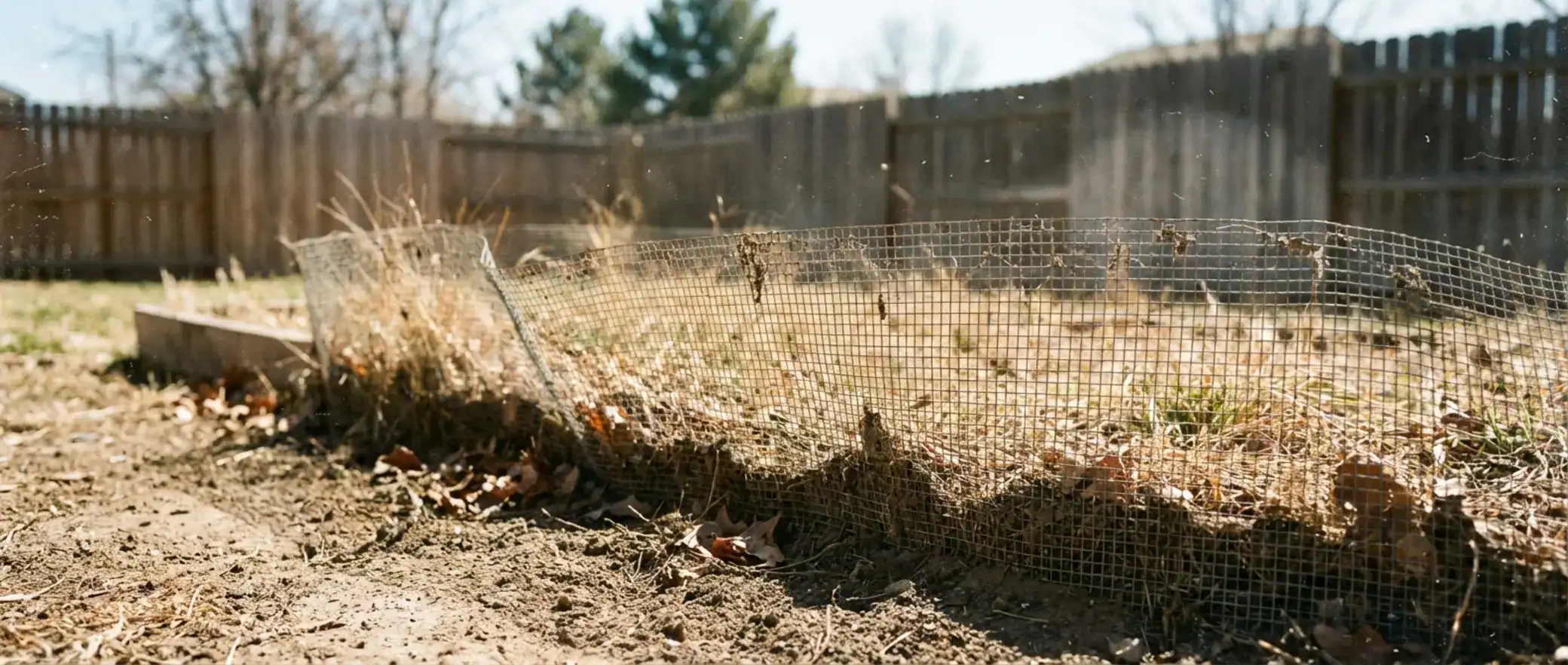
- Seal all entry points. Rats can squeeze through a hole the size of a quarter. Use steel wool and caulk to seal gaps around pipes and vents.
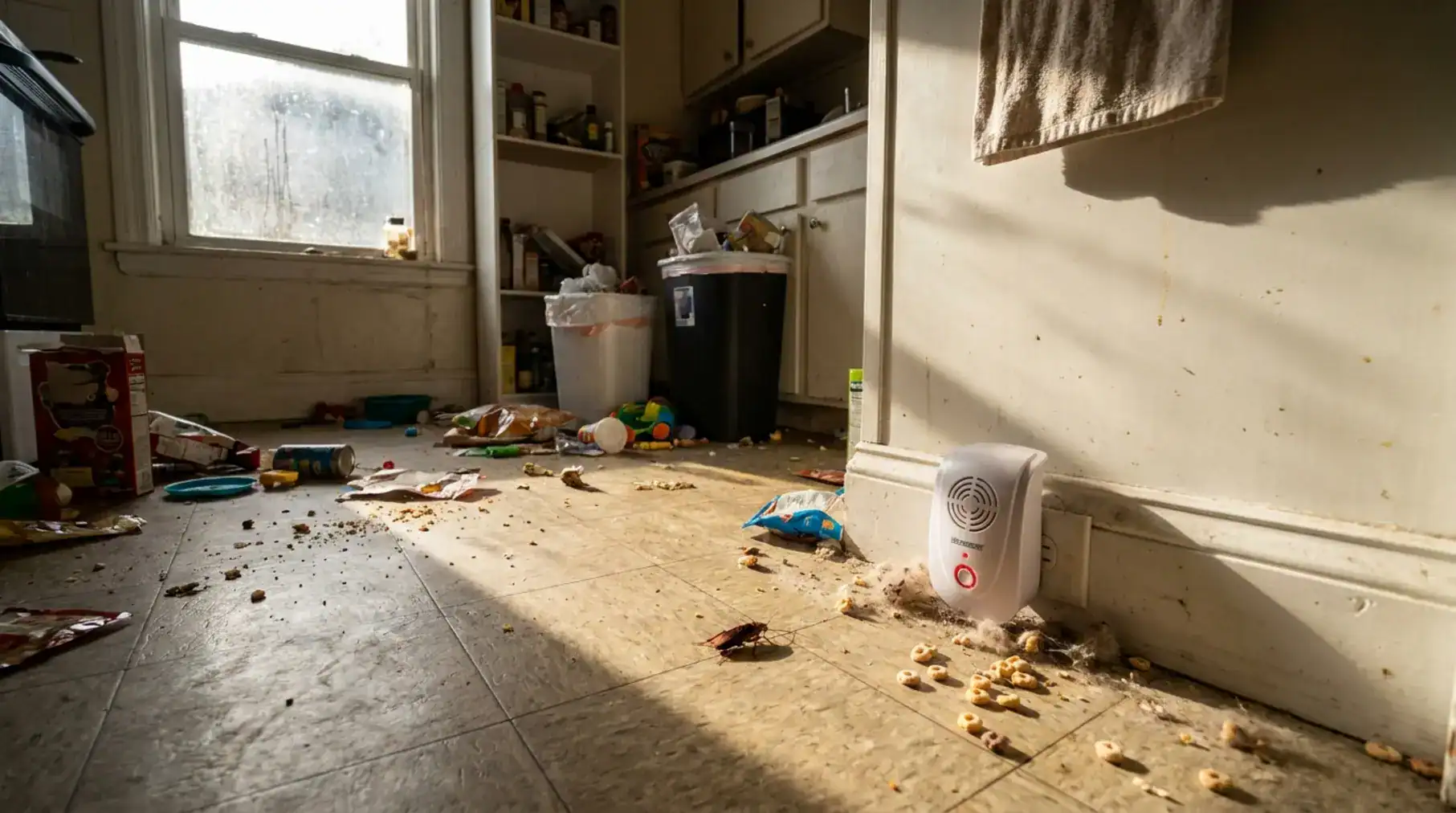
- Eliminate food sources. Store pet food in airtight metal containers and keep your trash bins tightly sealed.
- Remove clutter. Rats love to nest in woodpiles, tall grass, and stacks of old cardboard.
- Use mechanical traps. Snap traps and CO2-powered traps (like the Goodnature A24) provide a quick, toxin-free kill with zero risk of secondary poisoning to wildlife.
Signs of Rat Poisoning in Pets and Humans
Knowing the signs of rat poisoning in humans and pets can save a life. The symptoms vary wildly depending on which class of poison was ingested.
Symptoms of Anticoagulant Ingestion
Because this poison affects clotting, symptoms often don’t appear for 2 to 5 days. Look for:
- Pale gums (a sign of internal bleeding).
- Lethargy or extreme weakness.
- Difficulty breathing or coughing (blood in the lungs).
- Nosebleeds or bloody stools.
- Bruising under the skin that appears for no reason.
Symptoms of Neurotoxin (Bromethalin) Ingestion
These symptoms appear much faster, usually within 2 to 24 hours. They include:
- Muscle tremors or “paddling” of the legs.
- Hyper-excitability or sudden aggression.
- Loss of coordination or a drunken gait.
- Full-body seizures.
- Permanent paralysis, usually starting in the hind legs.
Emergency Measures if Rat Poison is Ingested
If you suspect pet eats rat poison, do not wait for symptoms to appear. By the time a cat or dog shows signs of neurotoxicity, the brain damage may already be irreversible.
- Call a Professional. Immediately contact the ASPCA Animal Poison Control Center or your local emergency vet.
- Identify the Bait. If possible, bring the original packaging of the rodent bait to the clinic. Vets need to know if they are treating for blood loss or brain swelling.
- Do Not Induce Vomiting Unless Instructed. Certain poisons can cause more damage if they are brought back up, especially if the animal is already acting lethargic.
How to Use Rat Poison Safely
If you determine that toxic bait is your only option, you must follow strict rat poison precautions. Using these chemicals incorrectly is not just dangerous; in many jurisdictions, it is illegal.
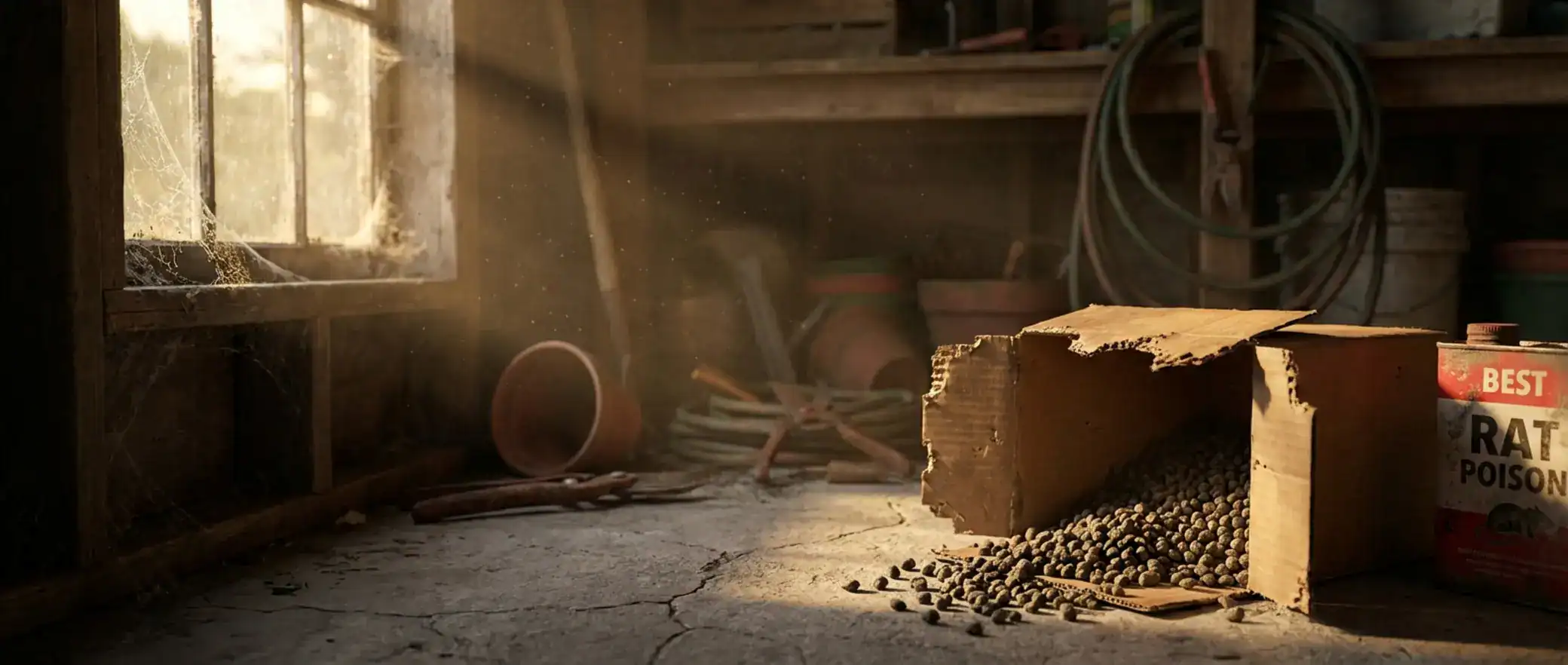
- Always Use Bait Stations. Never scatter loose pellets or “place packs.” You must use a Tier 1 bait station that is weather-resistant and tamper-resistant for children and pets.
- Map Your Stations. Keep a written record of where every bait station is located so you can check them weekly and remove them once the infestation is gone.
- Wear Protective Gear. You should always wear gloves when handling poisonous bait for rats to prevent skin absorption and to keep your human scent off the bait, which can cause “bait shyness.”
- Dispose of Carcasses Properly. Wear gloves, double-bag any dead rodents, and place them in a secured outdoor trash can to prevent scavengers from eating them .
Common Questions About Rat Poison Safety: Anticoagulants vs. Neurotoxins
Is there a rat poison that is truly safe for dogs?
No chemical rodenticide is 100 percent safe if ingested, but corn gluten meal products are the closest. Products like RatX are biologically inert to non-rodents, meaning they will not harm your dog even if eaten directly. However, standard chemical rat poison must always be treated as a lethal threat to pets.
How long does it take for rat poison to work?
The timeline depends on the active ingredient. Neurotoxin rat poison typically kills within 24 to 48 hours, while anticoagulant rat poison requires 3 to 7 days. Some first-generation anticoagulants may take up to two weeks if the rodent doesn’t feed on the bait consistently.
Can a dog die from eating a poisoned rat?
Yes, this is known as secondary poisoning. If a rat eats a second-generation anticoagulant, the poison remains active in its liver for weeks. If your dog eats that rat, they ingest the poison too. While the risk is lower with neurotoxins, it is still a documented medical concern in veterinary toxicology .
What is the best rat bait to use in a trap?
If you are using mechanical traps instead of poison, the best rat bait is usually high-protein food. Peanut butter, hazelnut spread, or even a small piece of bacon are far more attractive to rats than grain-based poison blocks. This allows you to achieve rodent control without introducing toxins into your environment.
Are you allowed to use rat poison outdoors?
Laws vary by state and country, but generally, you cannot use second-generation anticoagulants outdoors for residential use in places like California. Always check the legal regulations on rat poison use in your specific area. If you do use poison outdoors, it must be inside a secured bait station that is anchored to the ground.
Final Thoughts
Choosing the best rat poison for your home requires a delicate balance between efficacy and the safety of your family and the surrounding environment. While neurotoxins offer a faster kill, the lack of an antidote makes them a high-stakes gamble for pet owners. Anticoagulants offer a safety net through Vitamin K1 but pose a significant threat to local wildlife through secondary poisoning. By prioritizing exclusion and non-toxic alternatives like corn gluten meal, you can protect your home from infestations without becoming an accidental threat to the ecosystem. Always read the rat poison ingredients carefully and choose the safest rat poison for your home based on the specific needs of your household.