Dealing with a bed bug infestation feels like a relentless, sanity-draining battle, and finding the right weapon is crucial for winning the war. After countless hours of research and speaking with homeowners, this definitive bed bug heater review is designed to cut through the noise and guide you to the most effective DIY solutions for 2026. You need a tool that works, and you need to reclaim your home now.
What is the best bed bug heater for DIY home treatment?
The best bed bug heater for most DIY home treatments is a high-output electric model like the Elite 46K Versapro, which balances power for whole-room treatments with user-friendly safety features. For smaller tasks like luggage and personal items, the ZappBug Heater offers unmatched portability and convenience.
The Alarming Resurgence of Bed Bug Infestations
Did you know that bed bug infestations have surged by a staggering 62% in some urban areas? These pests, once thought to be a problem of the past, are back with a vengeance. They are incredibly resilient, capable of hiding in the tiniest crevices of your mattress, furniture, and walls. A single female can lay up to 500 eggs in her lifetime, turning a small issue into a full-blown crisis in just a few weeks. This is why understanding how to prevent bed bug infestations and having a plan for an effective bed bug treatment is more critical than ever. While chemical treatments have long been the standard, many bed bug populations have developed insecticide resistance, making them less reliable. This is where heat treatment effectiveness becomes a powerful, non-toxic alternative.
The Unforgiving Science of Thermal Extermination
The principle behind high-temperature bed bug treatment is simple but deadly effective. Bed bugs, at every stage of their lifecycle from egg to adult, cannot survive exposure to high temperatures. By raising the ambient temperature of a room or container to between 120°F and 155°F (49°C to 68°C), you create an environment that is lethal to them.
Specifically, research shows that bed bugs must be exposed to 120°F for at least 90 minutes to ensure 100% mortality. Their eggs are even more resilient and often require sustained temperatures of 130°F or higher. When performed correctly, a professional-grade or high-quality DIY bed bug heat treatment boasts a success rate of over 95%, significantly outperforming many chemical methods that fail against resistant strains. This method penetrates furniture and kills bugs in places sprays can’t reach, making it one of the most thorough bed bug extermination solutions available.
Top-Rated Bed Bug Heaters for 2026: A Head-to-Head Comparison
Choosing the right bed bug heater for home use depends on your specific needs- from treating a single suitcase to an entire master bedroom. Here is a breakdown of the leading models you should consider in 2026.
| Model | BTU Output | Coverage Area | Price Range | Best For |
|---|---|---|---|---|
| ZappBug Heater | N/A (Chamber) | Personal Items, Luggage | $250 – $350 | Travelers & Small Items |
| Dr. Infrared Heater DR-122 | N/A (Chamber) | Multiple Small Items | $400 – $600 | De-bugging multiple items at once |
| ThermalStrike Ranger | ~5,100 BTU | Up to 150 sq. ft. (Spot Treatment) | $300 – $450 | Apartments & Small Rooms |
| Elite 46K Versapro | 46,000 BTU | Up to 900 sq. ft. | $1,200 – $1,500 | Whole-Room DIY Treatments |
| HeatMate Pro | ~13,600 BTU | Up to 300 sq. ft. | $700 – $900 | Budget-Conscious Room Treatment |
ZappBug Heater
- Overview: The ZappBug Heater is a collapsible, tent-like heat chamber designed specifically as a portable bed bug heater. You place infested items like luggage, shoes, books, and clothing inside, zip it up, and let the integrated heater raise the internal temperature to a lethal level.
- Rating: 8.8/10
- Key Features: It’s incredibly easy to set up and store. The unit comes with a timer and a wireless thermometer to monitor the temperature without opening the chamber, ensuring a complete kill cycle.
- Pros & Cons:
- Pros: Excellent for treating items after travel to prevent an infestation. It’s lightweight, portable, and one of the most affordable options.
- Cons: Not designed for room treatment. For a significant infestation, you will need to run many cycles, which can be very time-consuming.
- Verdict: This is the perfect preventative tool for frequent travelers and an essential first-response device for treating personal belongings when an infestation is first discovered.
Dr. Infrared Heater DR-122
- Overview: Similar to the ZappBug, the Dr. Infrared DR-122 is a heat chamber, but it features a more rigid structure with a built-in two-tier rack. This design allows for better heat circulation around multiple items.
- Rating: 8.5/10
- Key Features: The internal rack system is a major advantage, preventing items from clumping together and creating cold spots. Its dimensions (38″x38″x26″) provide ample space for pillows, electronics, and other bulky items.
- Pros & Cons:
- Pros: The rack ensures more reliable and even heat distribution. It’s a robust and durable unit for repeated use.
- Cons: Heavier and less portable than the ZappBug. It requires more dedicated space for setup and operation.
- Verdict: Ideal for homeowners who need to treat a large volume of personal items and want a more structured, reliable chamber than a simple pop-up tent.
ThermalStrike Ranger
- Overview: The ThermalStrike Ranger is a compact yet powerful electric bed bug heater designed for treating smaller spaces like bedrooms, dorm rooms, or hotel rooms. It’s a true room heater, not just an item chamber.
- Rating: 8.2/10
- Key Features: It’s designed for efficiency in enclosed spaces, using a specially engineered fan to circulate hot air effectively. Its compact size makes it easier to position in cluttered rooms.
- Pros & Cons:
- Pros: Very efficient for its size. More affordable than professional-grade room heaters. Relatively easy to transport and set up.
- Cons: Limited to smaller areas (around 150 sq. ft.). A larger infestation or bigger room would require multiple units or a more powerful heater.
- Verdict: A great entry-level room heater for apartment dwellers or for those tackling a localized infestation in a single, small-to-medium-sized bedroom.
Convectex Elite 46K Versapro
- Overview: This is a professional-grade electric bed bug heater designed for the serious DIYer. With a massive 46,000 BTU output, the Elite 46K can heat rooms up to 900 sq. ft. to lethal temperatures, making it one of the most effective bed bug heaters on the market.
- Rating: 9.7/10
- Key Features: This system includes the heater, high-temperature fans for air circulation, and often a monitoring system. It’s built for power and efficiency, drastically reducing the time it takes to reach and maintain the kill temperature.
- Pros & Cons:
- Pros: Immense power capable of handling large rooms and severe infestations. It achieves professional-level results in a single treatment.
- Cons: Comes with a professional-grade price tag. It also requires specific electrical circuits (often 240V) that may not be standard in all homes.
- Verdict: For homeowners with large spaces, recurrent problems, or those committed to a non-chemical, long-term solution, the Elite 46K is the ultimate DIY weapon. It is a significant investment but delivers unparalleled results.
HeatMate Pro
- Overview: The HeatMate Pro strikes a balance between the smaller spot heaters and the expensive professional models. It’s designed to be a cost-effective solution for treating standard-sized bedrooms without requiring special electrical modifications.
- Rating: 8.9/10
- Key Features: It typically runs on standard 120V outlets, making it accessible for any home. The unit is built with safety in mind, featuring automatic shut-off and overheat protection.
- Pros & Cons:
- Pros: Excellent value for its power output. Easy to use for the average homeowner and doesn’t require an electrician.
- Cons: Lower BTU output means it will take longer to heat a room compared to the Elite 46K. It may struggle in poorly insulated rooms or on very cold days.
- Verdict: This is the best all-around choice for the average person facing a moderate infestation in a standard bedroom. It provides enough power to get the job done without the high cost and electrical requirements of a commercial unit.
The Ultimate DIY Bed Bug Heater Treatment: A Step-by-Step Guide
Simply buying one of the best bed bug heaters is not enough; success lies in meticulous execution. Following this step-by-step guide to using a bed bug heater successfully is critical to eradicating the pests completely.
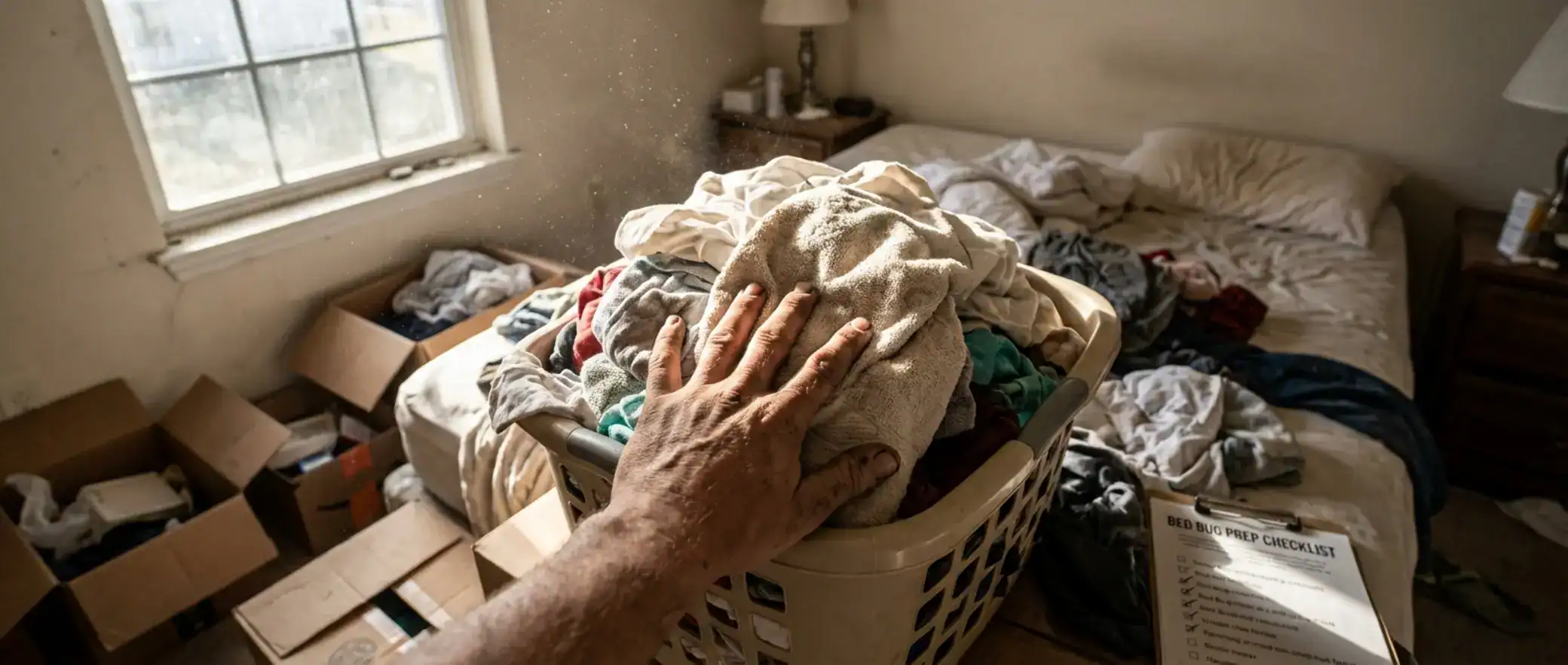
- Prepare the Battlefield: This is the most crucial step. Reduce clutter in the room to improve airflow. Empty closets and drawers, placing items in the center of the room. Bag and seal items that cannot be heat-treated (e.g., aerosols, candles, vinyl records, medications) and remove them. Launder all bedding, curtains, and clothing in hot water and dry on the highest heat setting before bagging them to prevent re-infestation.
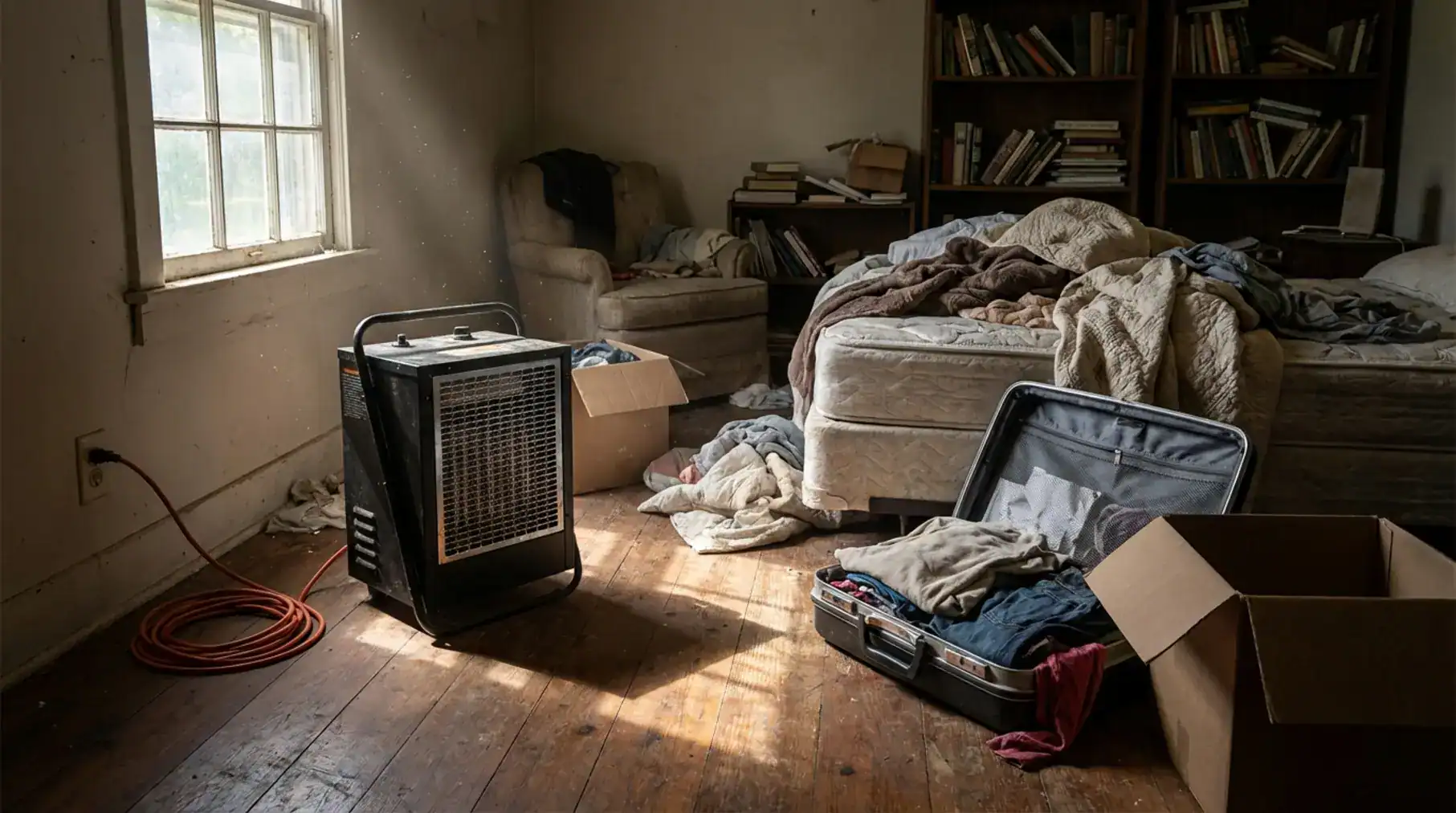
- Set Up Your Equipment: Position the heater in the center of the room, following the manufacturer’s instructions. Crucially, place high-temperature fans to create a vortex of circulating air. This prevents “cold spots” where bed bugs can survive. Seal the room by closing windows and placing towels under doors to retain as much heat as possible.
- Monitor the Temperature: Do not guess. Use multiple wireless thermometers placed in hard-to-heat areas- like inside a dresser drawer, between the mattress and box spring, and deep within the closet. Your goal is to ensure these areas reach and maintain at least 122°F (50°C) for a minimum of 90 minutes. The entire treatment process, from heating up to cooling down, will likely take 6 to 8 hours.
- Execute Post-Treatment Procedures: After the treatment is complete and the room has cooled, perform a thorough inspection. Vacuum all surfaces, paying close attention to seams, crevices, and baseboards to remove dead bugs and shed skins. Consider installing mattress and box spring encasements to trap any potential survivors and make future inspections easier. For severe infestations, a follow-up treatment two weeks later is a wise precaution.
Electric vs. Propane Heaters: Which is Right for You?
When researching pest control heaters, you’ll encounter two main types: electric and propane. Understanding their differences is key to making the right choice for your situation.
Electric Bed Bug Heaters
An electric bed bug heater is the most common choice for DIY home treatment. They are designed for indoor use and are considered safer because they don’t produce open flames or dangerous emissions.
- Pros:
- Safe for indoor use without ventilation concerns.
- Quieter operation.
- More precise temperature control.
- No need to haul and refill propane tanks.
- Cons:
- High-powered models may require special 240V outlets.
- Can significantly increase your electricity bill for the duration of the treatment.
- May take longer to heat larger or poorly insulated spaces.
Propane Bed Bug Heaters
Propane heaters are powerhouses, generating immense BTUs that can heat large areas very quickly. However, they are primarily designed for professional use and come with significant safety risks.
- Pros:
- Extremely high heat output for fast treatment times.
- Effective for large homes, commercial spaces, and outdoor items.
- Operates independently of the building’s electrical system.
- Cons:
- CRITICAL SAFETY HAZARD: Propane heaters produce carbon monoxide and cannot be used inside an occupied structure without specialized venting. They are a serious fire and asphyxiation risk if used improperly.
- Require heavy propane tanks.
- Less environmentally friendly due to fossil fuel combustion.
Verdict: For virtually all DIY home scenarios, an electric bed bug heater is the safer and more practical choice. Propane should be left to trained professionals with the proper safety equipment.
From the Trenches: Real User Experiences and Reviews
Online forums like Reddit offer a raw, unfiltered look into the reality of DIY bed bug heater treatment. The consensus is that while it can be highly effective, it’s far from a “plug and play” solution.
Common complaints often center on underestimating the prep work and failing to achieve uniform heat. Users who try to cut corners by not using fans or proper monitoring frequently report failure.
These user experiences with bed bug heaters highlight that the user’s diligence is just as important as the quality of the heater itself.
Critical Safety Concerns When Using Pest Control Heaters
The most significant aspect of any DIY bed bug heater treatment is safety. You are intentionally raising a room’s temperature to levels that can damage property and pose a fire risk if not managed correctly.
- Fire Hazards: Remove all flammable and combustible materials from the treatment area. This includes aerosols, lighters, oil paintings, wax items, and certain plastics. Keep the heater away from curtains, bedding, and furniture. Never leave the unit unattended.
- Damage to Belongings: Heat can damage electronics, vinyl records, musical instruments, and anything held together by heat-sensitive glue. Always check the manufacturer’s recommendations for what can and cannot be treated.
- Children and Pets: The treatment area must be completely inaccessible to children and pets for the entire duration, including the cool-down period. The high temperatures can cause severe burns in seconds.
- Electrical Safety: Ensure your home’s wiring can handle the load, especially for powerful heaters. Never use extension cords unless they are heavy-duty and rated for the heater’s amperage. Overloading a circuit is a major fire risk.
Answering the question, “Is it safe to use a bed bug heater around pets?“- the answer is an emphatic NO. Pets must be removed from the home entirely during treatment.
Cost Comparison: DIY Heat Treatment vs. Professional Extermination
One of the primary motivations for choosing a DIY bed bug heater treatment is cost savings. Let’s break down the numbers.
- Professional Heat Treatment: The cost typically ranges from $1 to $3 per square foot. For a 1,500 sq. ft. home, you can expect a bill between $1,500 and $4,500. For a single room, costs often start around $800.
- DIY Heat Treatment: The initial investment is the cost of the heater.
- Low-End (Chamber): $300
- Mid-Range (Room Heater): $800
- High-End (Pro-Grade): $1,500+
- Additional Costs: High-temperature fans ($50-$100 each), wireless thermometers ($30).
The cost comparison of bed bug heaters to professional extermination clearly shows that if you are willing to invest the time and effort, the DIY route can save you thousands of dollars, especially if you face a recurrence and can reuse the equipment.
Longevity and Upkeep: Maintenance for Bed Bug Heaters
To ensure your investment remains effective for years, proper maintenance and care for bed bug heaters is essential.
- Cleaning: After each use, allow the heater to cool completely. Wipe down the exterior with a damp cloth. Check the air intake and fan blades for dust and debris buildup, as this can restrict airflow and cause overheating. Use a soft brush or compressed air to clean vents.
- Inspection: Before each use, inspect the power cord for any signs of fraying or damage. Ensure all safety features, like the tip-over switch and overheat sensor, are functioning correctly.
- Storage: Store the heater in a clean, dry place. If you have a collapsible model like the ZappBug, ensure it is completely dry before folding it to prevent mold or mildew. Keep the original packaging or a dedicated dust cover for protection.
Following these simple steps will ensure your bed bug removal tools are ready to perform when you need them most.
Ethical Considerations in DIY Pest Control
When you live in a multi-unit dwelling like an apartment or condominium, your pest problem can quickly become your neighbor’s. One of the key ethical considerations in DIY pest control is containment. Bed bugs will flee intense heat and can easily travel through wall voids, electrical conduits, and plumbing passages into adjacent units.
Before starting a DIY treatment in a shared building, it is your responsibility to:
- Notify Your Landlord or Building Management: They may have specific protocols or restrictions. They also need to be aware of the situation to inspect neighboring units.
- Ensure Proper Sealing: Take extra precautions to seal any gaps along baseboards, outlets, and plumbing fixtures to prevent the pests from escaping.
- Consider the Community: A failed DIY treatment can spread the infestation, making the problem worse for everyone. If you are not confident in your ability to perform the treatment flawlessly, hiring a professional is the more responsible choice for the community.
Common Questions About Best Bed Bug Heaters for DIY Home Treatment (2026)
How effective is heat treatment for bed bugs?
Heat treatment is extremely effective, with a success rate of over 95% when done correctly. It is one of the few methods that kills bed bugs at all life stages, including eggs, and is particularly useful against insecticide-resistant populations. The key is achieving and sustaining a lethal temperature throughout the entire treatment area.
What temperature kills bed bugs instantly?
While temperatures of 122°F (50°C) will kill bed bugs over a couple of hours, they die almost instantly when exposed to temperatures of 140°F (60°C) or higher. For DIY treatments, the goal is not instant death but sustained heat to ensure penetration into cracks, furniture, and mattresses where they hide.
Can I just use a regular space heater to kill bed bugs?
No, you cannot use a standard space heater. Regular heaters are not designed to raise an entire room’s temperature to 120°F+ and lack the necessary safety features for such high-heat operation. Using one poses a significant fire hazard and will likely fail to eliminate the infestation due to uneven heating.
Is it better to heat treat or chemically treat for bed bugs?
This depends on the situation. Heat treatment is faster (often one day), non-toxic, and highly effective against resistant bugs. Chemical treatments can be less expensive upfront and provide a residual effect that kills bugs that may hatch later, but they can require multiple visits and may not work on all bed bug strains. Many professionals now use an integrated approach, combining heat with a light application of residual chemicals.
What are the most common mistakes in DIY bed bug treatment using heaters?
The most common mistakes are inadequate preparation, poor air circulation, and insufficient temperature monitoring. People often fail to reduce clutter, don’t use high-velocity fans to eliminate cold spots, or guess at the temperature instead of using multiple thermometers in hard-to-reach places. These errors are the primary cause of treatment failure.
Who is responsible for bed bug treatment, the landlord or the tenant?
Laws vary by state and municipality, but in many places, the landlord is responsible for providing a pest-free living environment. This often includes paying for and arranging extermination. Tenants, however, have a responsibility to report infestations promptly and cooperate with treatment protocols. Always check your local landlord-tenant laws.
References & Expert Sources
- U.S. Environmental Protection Agency (EPA). (n.d.). Bed Bugs: Get Them Out and Keep Them Out. Retrieved 2026, from https://www.epa.gov/bedbugs
- U.S. Environmental Protection Agency (EPA). (2013). Controlling Bed Bugs Using Integrated Pest Management (IPM).
https://www.epa.gov/bedbugs/controlling-bed-bugs-using-integrated-pest-management-ipm - Miller, D. (Virginia Tech). (n.d.). Using Heat to Kill Bed Bugs. Virginia Department of Agriculture and Consumer Services.
https://www.vdacs.virginia.gov/pdf/bb-heat1.pdf - Centers for Disease Control and Prevention & U.S. Environmental Protection Agency. (2010). Joint Statement on Bed Bug Control in the United States.
Best Bed Bug Heater Reviews - Orkin. (2025). 2025 Worst Cities for Bed Bugs.
https://www.orkin.com/press-room/worst-cities-for-bed-bugs-annual-rankings - PESTKILL. (2025). 5 Best Bed Bug Heaters of 2025: Complete Buyer’s Guide.
https://pestkill.org/bed-bugs/heaters/ - Convectex. (2020). Bed Bug Heater Review: Convectex Heat Packages Compared.
https://convectex.com/blogs/blog/bed-bug-heater-reviews
Final Thoughts
Choosing the best bed bug heater for your home is a significant step toward reclaiming your peace of mind. For targeted treatment of luggage and personal items, the ZappBug Heater is an invaluable, affordable tool. For those facing a full-room infestation and seeking a definitive DIY solution, the HeatMate Pro offers the best balance of power, price, and ease of use for the average homeowner. However, this bed bug heater review underscores a critical truth: the success of any treatment hinges on meticulous preparation, patient monitoring, and an unwavering commitment to safety. Armed with the right knowledge and the right equipment, you can turn up the heat and end the nightmare of bed bugs for good.