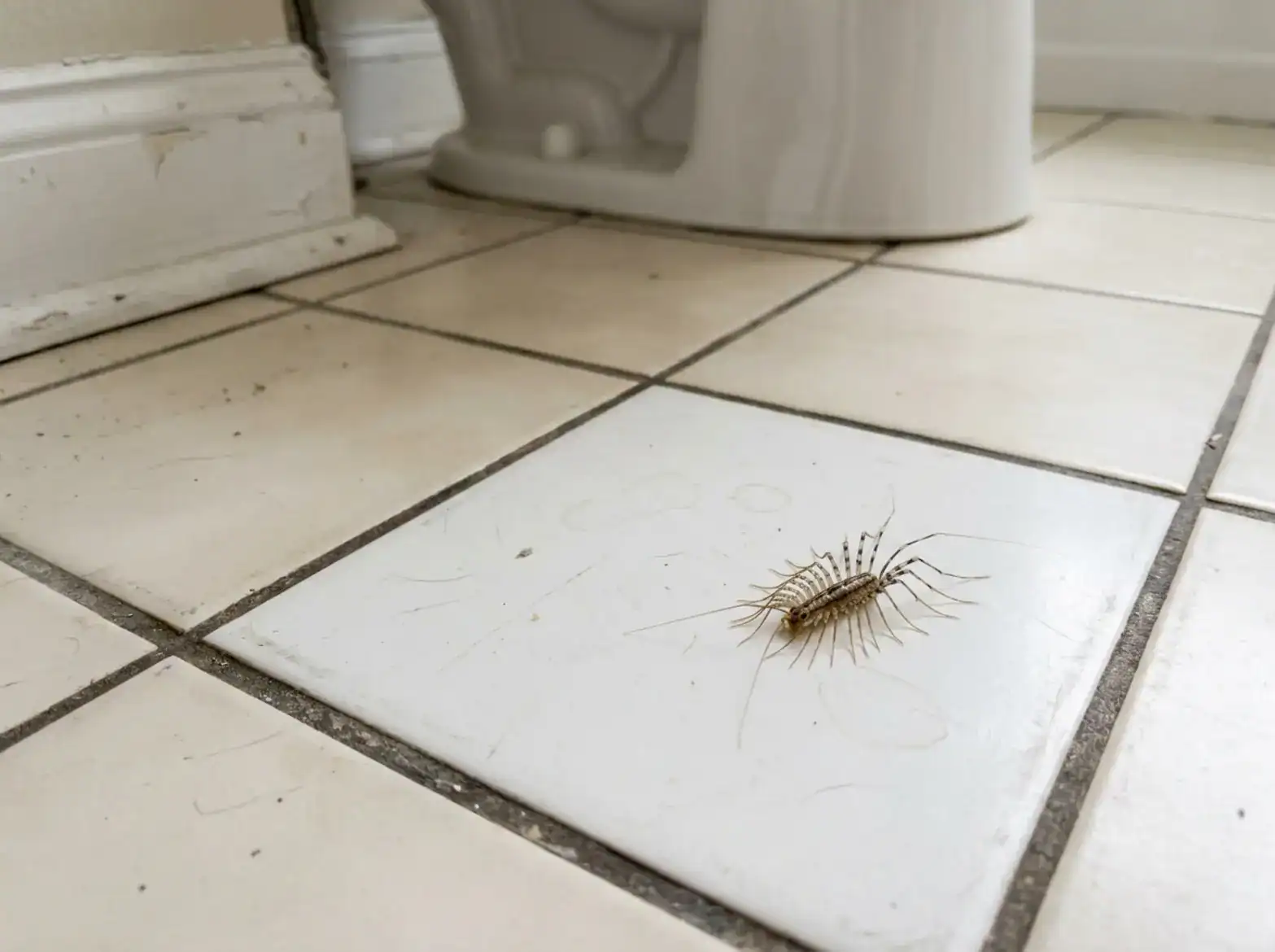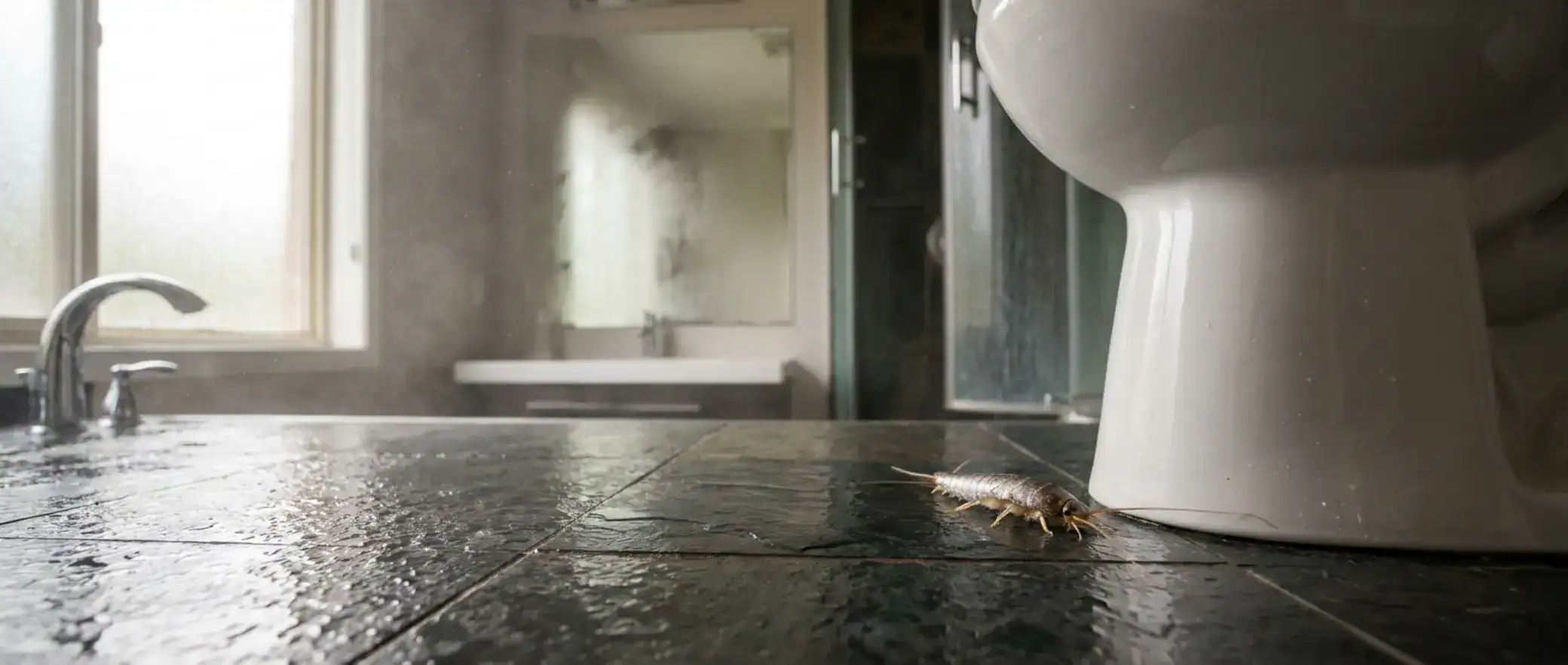
Pests like weevils and Indian meal moths rarely sneak through your kitchen window – they arrive hidden inside your grocery bags. Protecting your pantry from these invisible invaders requires immediate action and the right hardware. Upgrading to high-quality airtight food containers is the only proven way to block oxygen, prevent cross-contamination, and save hundreds of dollars in wasted dry goods.
The Hidden Threat in Your Groceries
Understanding the lifecycle of common pests that invade kitchen food storage reveals exactly why standard paper packaging always fails to protect your food. You cannot rely on the original cardboard boxes from the supermarket.
Here is the thing about pantry moths and saw-toothed grain beetles. They possess mandibles strong enough to chew directly through thin polyethylene film and aluminum foil. Nearly 20% of stored grains worldwide are lost to insect infestations before they ever reach a plate . The eggs of these insects often survive the commercial supply chain. They sit dormant in bags of flour or rice until they reach your warm, humid cabinets.
Once hatched, a single pregnant weevil can ruin a massive stockpile in weeks. The average household loses between $100 and $300 in discarded dry goods during a single infestation event. Consequently, investing in pest-resistant food storage is not just an aesthetic choice. It is a necessary financial defense mechanism. True food preservation containers must offer heavy-duty, chew-proof walls and secure latches to stop cross-contamination in its tracks.
Navigating the 2026 Chemical Packaging Bans
Impending legislation targeting forever chemicals is forcing consumers to upgrade their kitchen storage to compliant, toxin-free materials. The era of cheap, flexible plastics is ending.
The European Union officially enacted the Packaging and Packaging Waste Regulation (PPWR) early this year. Stringent limits on per- and polyfluoroalkyl substances (PFAS) take full legal effect on August 12, 2026 . Simultaneously, US states like Illinois, Maine, and Minnesota are rolling out massive bans on PFAS in food packaging. The FDA has already confirmed the phase-out of 35 grease-proofing substances containing PFAS for food contact.
Safety Note: As of 2026, you must ensure your pantry systems use verified BPA-free airtight containers and PFAS-free materials to avoid long-term chemical leaching.
Because traditional grease-resistant cardboard will disappear from store shelves, grocery items will become even more vulnerable to insects. Food safety containers made from vetted, safe materials are now mandatory. Shoppers must migrate to decanting their groceries immediately upon bringing them home.
Material Wars: Glass vs. Plastic vs. Stainless Steel
Evaluating the differences between plastic and glass food containers helps you select the perfect barrier against bugs and oxygen. No single material is perfect for every single household.
Airtight glass food containers remain the gold standard for health-conscious buyers. Borosilicate glass withstands extreme temperature swings and contains zero synthetic chemicals. Bugs cannot chew through it. Unfortunately, glass is heavy and presents a shatter risk on hard kitchen floors.
High-quality plastics, specifically Tritan, offer excellent alternatives. Tritan is shatter-resistant, lightweight, and completely free of BPA and PFAS. It resists staining and odors beautifully. However, some users report that plastic can warp if placed on the bottom rack of a hot dishwasher.
Stainless steel bins provide maximum durability. They create dark environments that extend the shelf life of light-sensitive goods. They excel as large airtight food containers for bulk grains. However, they hide their contents from view, which makes inventory tracking slightly harder.
| Material Type | Pest Resistance | Toxin Free (2026 Ready) |
|---|---|---|
| Borosilicate Glass | 100% Secure | Yes (Zero PFAS/BPA) |
| Tritan Plastic | 99% Secure | Yes (BPA Free) |
| Standard Ziploc Bags | 0% Secure | Varies heavily by brand |
Top Pest-Proof Food Storage Reviewed
Rigorous lab testing and direct user feedback highlight the top market options for keeping your pantry completely secure. These selections represent the absolute best airtight food containers available today.
Rubbermaid Brilliance 10-Piece Set
Rubbermaid Brilliance dominates the market for lightweight, ultra-secure plastic storage. It utilizes thick, BPA-free Tritan plastic alongside a highly effective dual-latch system.
Rating: 9.5/10
These units routinely pass submersion and drop tests without popping open . The 360-degree crystal-clear design makes spotting early contamination incredibly easy. They stack perfectly, maximizing vertical cabinet space.
- Total leak-proof guarantee
- Shatter-resistant Tritan material
- Excellent modular stacking
- Lids can trap water if not disassembled correctly
- Slightly more expensive than budget plastics
Verdict: This is the definitive choice for anyone needing durable food containers that completely block out humidity and critters.
Pyrex FreshLock 8-Piece Set
Pyrex FreshLock serves as the heavy-duty champion for those avoiding plastic entirely. The set features thick borosilicate glass bodies paired with locking lids.
Rating: 9/10
Glass naturally blocks all volatile organic compounds and odors. You can move these dishes directly from the freezer to the oven without shattering. They create incredibly strong hermetic food storage environments that no insect can breach.
- Will never stain or absorb odors
- Microwave and oven safe (glass only)
- 100% compliance with new chemical laws
- Heavy and difficult to transport
- Glass can chip if dropped on tile
Verdict: Buy this set if you want the absolute safest, chemical-free environment for long-term grain storage.
OXO Good Grips POP 5-Piece Set
OXO POP containers are famous for their aesthetic appeal and convenient push-button vacuum-style seals. They look fantastic on open shelving.
Rating: 7.5/10
While OXO sets the standard for kitchen aesthetics, they harbor a known weakness. Flour dust can easily clog the silicone gasket. When this happens, the lid mechanism loses its grip and fails to maintain a true vacuum sealed food containers environment.
- Beautiful, clean design
- Easy one-handed operation
- Very space-efficient square shapes
- Fine powders compromise the seal easily
- Not ideal for highly humid climates
Verdict: Choose OXO for organizing large snacks or pasta, but skip them for storing fine baking powders.
Snapware Total Solution Glass 18-Piece Set
Snapware provides an excellent entry point for buyers looking to overhaul their kitchen on a budget. This massive set utilizes tempered glass and standard four-latch plastic lids.
Rating: 8.5/10
You get a massive amount of volume for under $50. The four-hinge locking lids create a secure physical barrier against ants and moths. They are highly functional reusable airtight food containers that handle daily meal prep perfectly.
- Outstanding value for the piece count
- Very strong latching mechanism
- Nestable design saves cabinet space
- Latch hinges can weaken after a few years
- Lids are not microwave safe
Verdict: This is the smartest budget buy for families needing to decant groceries rapidly without spending hundreds of dollars.
How to Choose the Right Food Storage Container for Your Needs
Selecting the ideal storage system depends heavily on your specific ingredients, kitchen space, and local humidity levels. You must match the hardware to the task.
Start by assessing what you buy most often. Proper airtight storage for flour and sugar requires absolute moisture control. Sugar turns into a brick if exposed to ambient humidity, while flour turns rancid if exposed to oxygen. For these items, prioritize latched glass or Tritan plastic. Standard friction-fit lids will fail you.
Next, consider your bulk purchases. Airtight pet food containers require massive volume and heavy-duty latches to keep out mice and larger pests. Look for stackable airtight food containers with rolling wheels and heavy silicone gaskets for dog kibble. Avoid cheap, thin plastic bins that rats can chew through in a single night.
Finally, measure your shelving. Square and rectangular bins eliminate wasted empty space between jars. Round jars look nice but waste up to 25% of your available shelf volume. Choosing modular airtight storage bins allows you to customize your layout effortlessly.
DIY Pest-Proofing Strategies for Food Storage
Combining premium containers with proactive quarantine methods guarantees a completely bug-free pantry environment. Hardware alone is only half the battle.
You must implement the 72-hour freezer protocol. Immediately upon returning from the grocery store, place all new bags of flour, rice, and grains into your freezer for three to four days. A deep freeze at 0°F kills any dormant weevil eggs hiding inside the product . Once the quarantine period ends, decant the food into your pest-proof food containers.
Additionally, use natural deterrents inside the bins. Dropping one or two dried bay leaves into a bin of flour acts as a natural insect repellent without altering the taste of your baked goods. For bulk grains, use iron-powder oxygen absorbers. These small packets eat up remaining oxygen, completely stopping the oxidation process and suffocating any microscopic pests.
Clean your gaskets regularly. Best practices for sealing food in airtight containers require fully dismantling the lid once a month. Mold thrives inside damp silicone rings. Wash them in warm soapy water, air dry them completely, and reassemble them to ensure a perfect fit.
The Importance of Airtight Containers in Maintaining Freshness
A hermetic seal does more than stop bugs; it actively prevents oxidation and humidity from destroying your expensive ingredients. Air is the enemy of flavor.
When coffee beans or spices sit in unsealed jars, volatile aromatic oils evaporate rapidly. This renders your expensive spices tasteless. True odor-proof food containers trap these volatile compounds inside the jar. They keep your coffee tasting bold and your cinnamon smelling sharp.
Furthermore, moisture-proof food containers stop the staling process entirely. Crackers go soft because they absorb ambient water from the kitchen air. Cereal loses its crunch for the exact same reason. By utilizing properly latched storage, you create a controlled micro-climate. The financial savings from extended shelf life will easily pay for the cost of the containers within a year.
Common Questions About Pest-Proof Food Storage: Best Containers Reviewed
Do airtight containers prevent pantry moths?
Yes. Quality containers with silicone gaskets completely block adult moths from accessing your food to lay eggs. If you freeze your flour first to kill hidden eggs, an airtight setup guarantees your pantry stays moth-free.
How do weevils get into sealed flour?
Weevils almost always arrive straight from the grocery store. They lay microscopic eggs inside the grain before it ever gets milled and packaged. Long-term food storage tips using airtight containers always include freezing flour first to neutralize these hidden eggs.
Are plastic food containers safe in 2026?
Only specific plastics will remain compliant with new health regulations. You must choose BPA-free airtight containers made from safe materials like Tritan. Impending laws will heavily restrict older plastics containing PFAS forever chemicals.
Does glass keep food fresher than plastic?
Borosilicate glass offers a slightly superior barrier against oxygen exchange over decades. However, for everyday use, thick Tritan plastic performs just as well. Most differences between plastic and glass food containers come down to weight, durability, and aesthetics.
What is the best way to clean silicone lid gaskets?
You must remove the silicone ring entirely from the plastic lid. Wash it by hand with warm soapy water and let it air dry for 24 hours. If you trap moisture under the gasket, mold will quickly form and ruin your critter-proof food storage setup.
References and Expert Sources
- FDA Phase-Out of PFAS in Food Packaging
- EU PPWR 2026 Legislative Requirements
- Penn State Extension Guide to Pantry Pests
- Consumer Reports Food Storage Container Testing Protocols
- EPA Guidelines on Chemical Exposure in Kitchen Products
- Rubbermaid Commercial Product Specifications
- OXO Good Grips Product Care Instructions
- National Center for Home Food Preservation Grain Tips
- World Resources Institute on Global Food Waste
- American Chemistry Council on Tritan Material Safety
Final Thoughts
Securing your kitchen against pests and premature spoilage requires immediate, decisive action. Grocery store packaging simply cannot protect your expensive dry goods from oxygen, humidity, or invasive insects. Upgrading to high-quality airtight food containers solves these problems instantly while ensuring your kitchen remains compliant with emerging health and safety regulations.
Your best defense involves combining the 72-hour freezer quarantine rule with heavy-duty storage hardware. Whether you choose the rugged reliability of Rubbermaid Brilliance or the chemical-free purity of Pyrex FreshLock, making the switch guarantees fresher food and zero wasted groceries. Take control of your pantry today by decanting your staples into secure, locking containers before the next infestation strikes.