Imagine opening your kitchen appliance to find a bug crawling across a supposedly clean plate. Spotting roaches in dishwasher compartments triggers immediate panic, disgust, and serious health concerns. You are definitely not alone in facing this nightmare. Pest technicians report a massive surge in appliance-based infestations, requiring specific mechanical teardowns rather than random spraying.
How do you get rid of roaches in a dishwasher?
To eliminate roaches in a dishwasher, avoid spraying toxic pesticides inside the washing tub. Instead, sanitize the interior with a high-heat vinegar cycle. Next, safely remove the bottom kickplate and the front door clamshell panel. Finally, apply 0.25-gram dots of professional gel bait and moisture-resistant insect growth regulators directly into these dry mechanical voids.
Why Cockroaches Nest in Dishwashers and Kitchen Appliances
Dishwashers provide the perfect combination of dark warmth, excessive moisture, and organic food debris that cockroaches need to thrive and breed rapidly. Specifically, these insects do not live inside the wet washing tub where water flows. Instead, they harbor in the dry, heated cavities immediately surrounding the tub. German cockroaches prefer temperatures around 80 degrees Fahrenheit and 80 percent humidity. Consequently, the internal insulation blankets and the area under the toe-kick become ideal breeding grounds.
Appliances and cockroaches create a disastrous combination for your wallet. Roaches actively seek out the Printed Circuit Board located inside the front door panel. Because of this, their bodies and acidic feces frequently cause hard electrical shorts. This specific damage ruins the control board entirely. Therefore, the impact of cockroaches on appliance performance and hygiene extends far beyond dirty dishes. It frequently turns a minor pest problem into an expensive appliance replacement bill .
Signs of Cockroach Infestation in Your Dishwasher
Identifying a cockroach infestation in dishwasher units requires looking beyond live bugs to spot hidden egg casings, fecal spotting, and unexplained electrical malfunctions. You rarely see the adults during the day. German cockroaches are strictly nocturnal and highly evasive. If you see one running across the kitchen floor at noon, you likely have a severe overpopulation problem pushing them out of their hiding spots.
Look for tiny black specks resembling coffee grounds along the rubber door gaskets. Additionally, check for dark smears near the top exhaust vent. These are fecal droppings. Another major warning sign involves frequent tripping of your kitchen Ground Fault Circuit Interrupter outlets. When cockroaches cross the wiring terminals behind the kickplate, they create small electrical shorts. Furthermore, a distinct oily or musty odor emanating from the machine indicates a heavy presence of breeding adults. Understanding these signs of cockroach infestation in kitchen appliances helps you act before the electronics completely fail.
Immediate Safety Steps Before Treating Cockroaches in Dishwasher
Unplugging your appliance and avoiding harsh chemical sprays inside the wash tub are mandatory steps to prevent electrical shocks and toxic food contamination. Many frustrated homeowners grab a can of aerosol bug spray and blast the interior of the machine. You must never do this. Chemical residues bake onto the plastic tub and transfer directly to your plates, cups, and baby bottles during the next wash cycle.
Safety Note: You must completely disconnect the dishwasher from its power source before attempting any mechanical pest control steps. Flip the breaker switch in your electrical panel if you cannot reach the wall plug.
Using bleach to clean dishwasher cockroaches is another dangerous mistake. Bleach physically degrades the rubber door seals and destroys the internal pump hoses. Also, avoid throwing bug bombs or foggers into the kitchen. Foggers do not penetrate the 0.5-inch gaps of appliance voids. As a result, they simply push the surviving bugs deeper into your wall cavities . Effective dishwasher pest control requires surgical precision, not explosive chemical clouds.
How to Get Rid of Cockroaches in Dishwasher: The 3-Zone Eradication Process
Eradicating these pests requires a systematic teardown of the appliance’s three main zones to bypass physical barriers and apply professional-grade baits directly into nesting cavities. Treating cockroaches in dishwasher environments fails if you only clean the visible parts. You must target the hidden mechanical voids.
1. Sanitize the internal wash tub
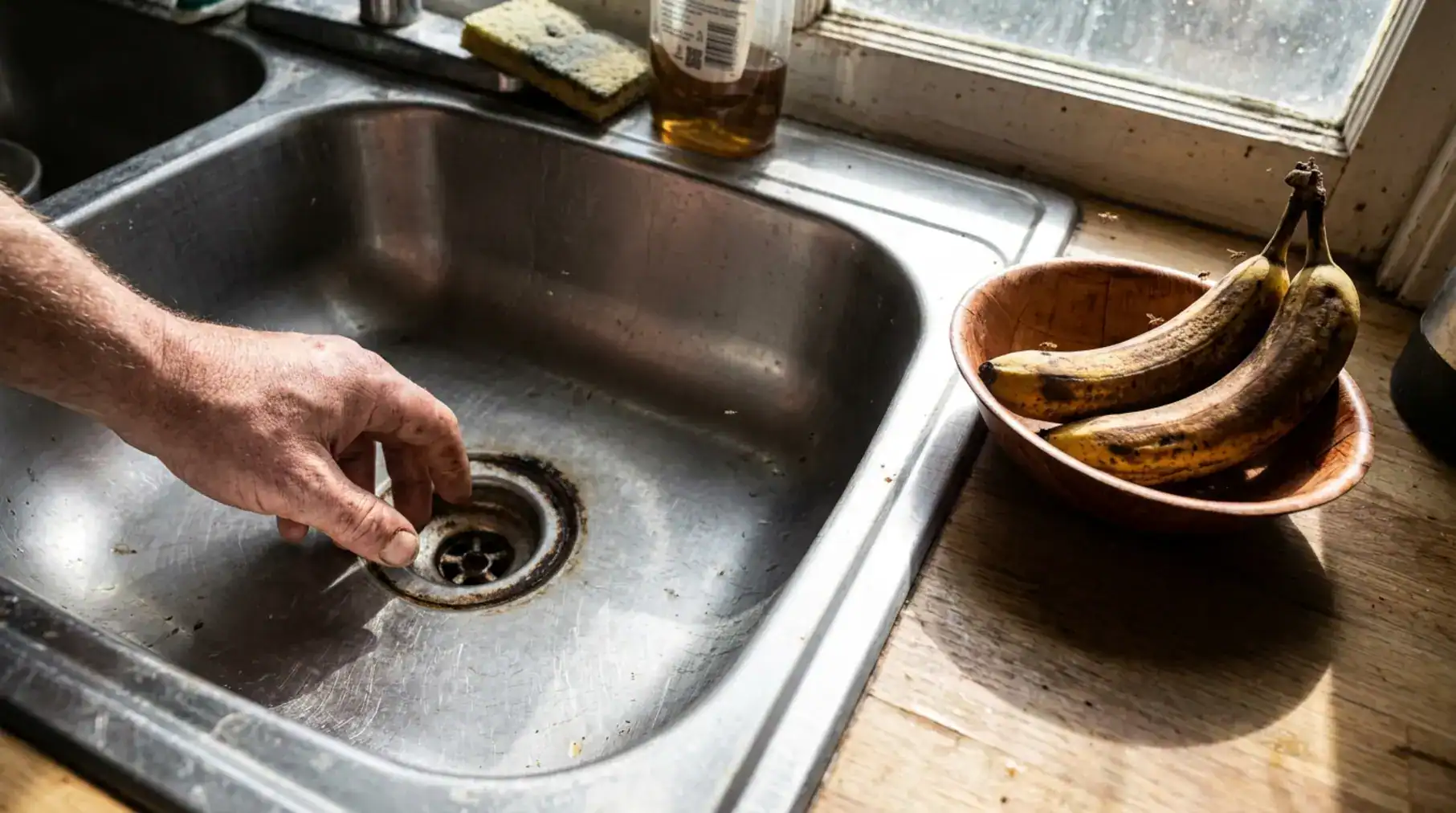
Start your kitchen pest control routine by completely emptying the machine. Remove the bottom spinning arm and pull out the sump filter. Wash this filter in the sink with hot, soapy water to remove accumulated grease. Next, pour one cup of white vinegar into a dishwasher-safe bowl on the top rack. Run the machine on its highest heat setting.
A hot cycle reaching 160 degrees Fahrenheit kills 70 percent of adults trapped in the filter area. However, it will not kill the bugs hiding outside the tub. The vinegar physically strips 85 percent of the organic grease that attracts the bugs . This step ensures your subsequent chemical baits become the only food source available.
2. Remove and treat the kickplate void
Locate the access panel at the very bottom of your machine near the floor. Unscrew the two fasteners holding this kickplate in place and pull it away. Vacuum up any dead insects, dust, and egg sacs using a crevice tool. Do not apply thick layers of insecticidal dust here. Heavy piles of dust act as a repellent, causing the bugs to simply walk around it.
Apply small, 0.25-gram dots of Syngenta Advion gel bait along the floor edges and the metal frame. Think of this application like decorating a cake with tiny drops of icing. Place one Gentrol Insect Growth Regulator disc underneath the unit. This disc releases a localized vapor that sterilizes juvenile roaches, halting the breeding cycle within a 75-square-foot radius .
3. Open the dishwasher door clamshell
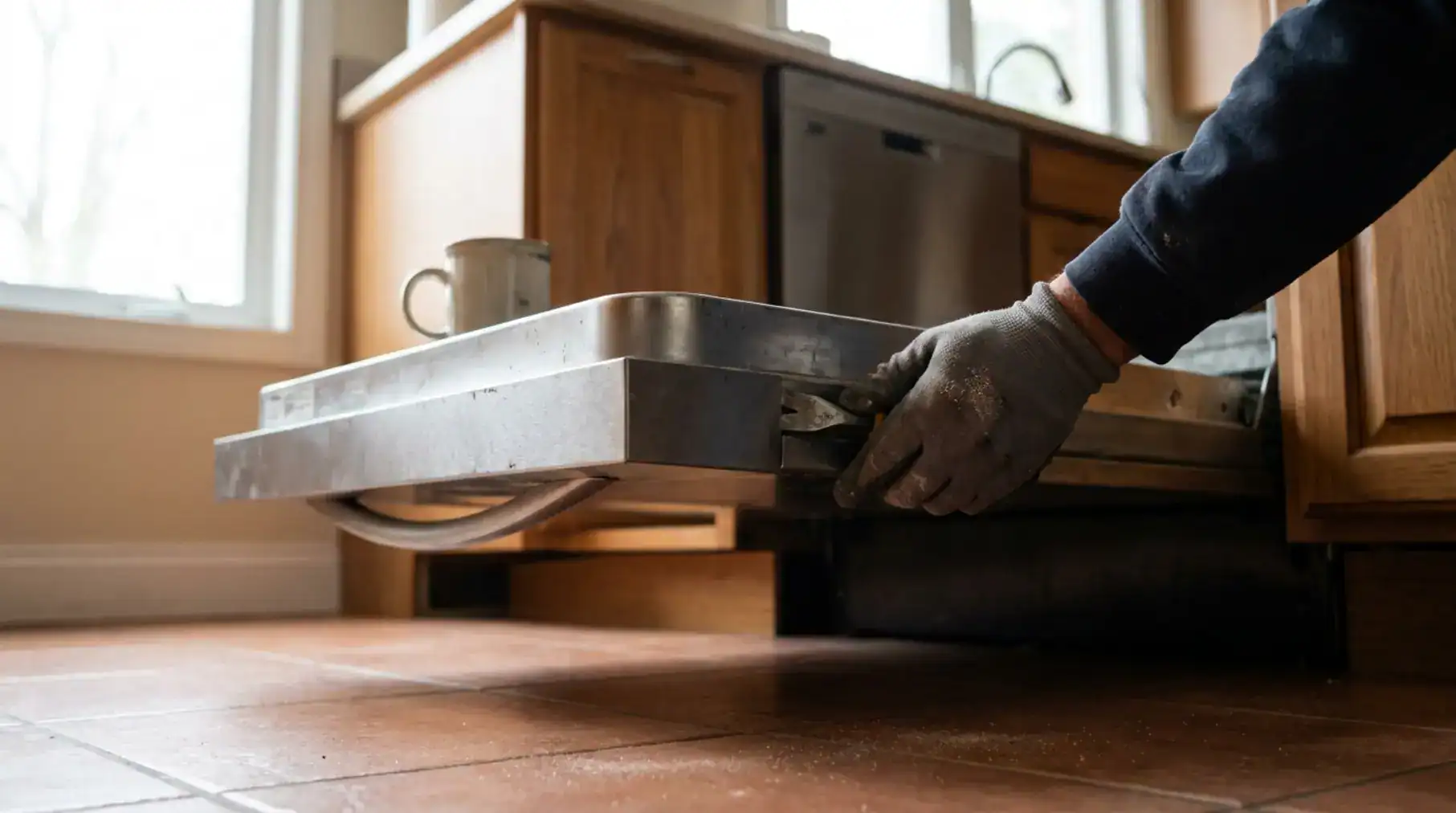
The hollow door panel acts like a heated luxury bunker for these pests. Keep the power off. Open the door halfway and remove the Torx screws lining the inner edge. Carefully separate the front metal skin from the inner plastic tub. You will see an insulation blanket and a wiring harness.
Vacuum this void thoroughly. Place 3 to 5 tiny dots of gel bait strictly on the plastic edges, far away from the wiring. Never spray liquid Alpine WSG or aerosols into this specific void, as moisture destroys the electronic control board. Reassemble the door tightly.
4. Seal connective plumbing
Your machine drains directly into the kitchen sink garbage disposal. Roaches use this corrugated drain hose as a superhighway between appliances. Pull your machine slightly out from the cabinet. Apply food-safe silicone caulk around the holes where the plumbing and electrical lines pass through the cabinetry. This physical barrier stops them from migrating.
Comparing Chemical vs. Natural Pest Treatments for Dishwashers
A direct comparison of chemical vs. natural pest treatments for dishwashers reveals that targeted synthetic baits drastically outperform home remedies in high-moisture appliance environments. Many homeowners prefer organic methods. However, natural products frequently fail against severe German roach colonies.
| Treatment Type | Efficacy in High Moisture | Safety Near Appliances | Estimated Cost |
|---|---|---|---|
| Advion Gel Bait (Chemical) | High – Attracts starving bugs | Safe if placed outside wash tub | $25 – $35 |
| Alpine WSG (Chemical spray) | High – Non-repellent | Unsafe near PCB wiring | $30 – $40 |
| Boric Acid Dust (Natural) | Low – Clumps in humidity | Inhalation risk if airborne | $10 – $15 |
| Diatomaceous Earth (Natural) | Low – Fails when wet | High silicosis hazard | $12 – $20 |
| White Vinegar (Natural) | Zero – Cleans grease only | Safe for internal tub | $3 – $5 |
While natural diatomaceous earth is often the top choice for organic gardeners, many pest technicians find it overkill and completely ineffective for humid dishwasher cavities. The powder absorbs water immediately, neutralizing its cutting edges. Furthermore, using chemical cockroach traps for dishwasher areas near the kickplate yields much faster results than waiting for essential oils to repel them. Synthetics kill the colony, whereas natural repellents just push them to the refrigerator motor.
Long-Term Prevention Strategies for Keeping Appliances Roach-Free
Consistent long-term prevention strategies for keeping appliances roach-free rely on weekly filter maintenance, moisture reduction, and sealing physical entry points. Eliminating roaches from appliances is only half the battle. You must alter the environment so they never return.
Start by cleaning your sump filter every single Sunday. Trapped food particles rot quickly, sending a powerful scent signal through your kitchen plumbing. Next, practice the door-open method. Leaving the machine cracked open for two hours after a wash cycle cuts internal mildew and trapped humidity by 40 percent. This dramatic drop in moisture makes the appliance highly unappealing to scouting insects.
Additionally, you must understand how to seal and protect kitchen appliances from roaches permanently. Inspect the rubber door gaskets monthly. If you notice tears or degraded rubber, replace the seal immediately. Cockroaches easily flatten their bodies to slip through gaps smaller than 1/16 of an inch. Practicing strict hygiene in kitchen appliances starves out new stragglers before they can drop an egg sac.
Troubleshooting Common Dishwasher Pest Control Failures
Resolving persistent household pest issues often involves correcting poor bait placement, managing excessive moisture, or fixing degraded door gaskets. Even with the best intentions, DIY treatments sometimes stall out. If you are still seeing live bugs after two weeks of active treatment, you need to adjust your strategy.
- Replace melted bait dots.
High temperatures radiating from the wash tub easily melt standard gel baits. If your bait turns into a liquid puddle, wipe it up. Apply fresh bait further away from the heating element. Place the new dots lower on the floor near the kickplate. - Remove heavy dust piles.
If you coated the underside of the machine in thick white powder, you accidentally created a physical barrier. Roaches actively avoid walking through heavy dust. Vacuum the entire area completely clean. Reapply an invisible, micro-thin layer using a professional bulb duster, or switch entirely to gel baits. - Check adjacent sink plumbing.
Appliance infestations rarely exist in isolation. If the bugs keep returning, they are likely walking over from a leaking sink trap. Inspect the cabinet directly next to the dishwasher. Fix any dripping pipes and apply gel bait to the sink hinges. Effective DIY solutions for roach removal in dishwashers require treating the adjacent cabinetry simultaneously.
Common Questions About Cockroaches in Appliances: Treating the Dishwasher
Can I run my dishwasher if there are roaches inside?
Yes, you can run the cycle, but it only solves part of the problem. A high-heat cycle kills insects trapped inside the wet tub, but it does not reach the adults hiding safely in the dry mechanical voids or insulation blankets.
Are there specific health risks associated with roaches in appliances?
Absolutely. Cockroach feces and shed skins contaminate clean dishes and eating utensils. This exposure triggers severe asthma attacks and transmits dangerous bacteria, making immediate pest infestation in appliances a critical health hazard.
Is white vinegar an effective cockroach control method?
Vinegar is a powerful cleaning agent, but it is not an insecticide. It successfully dissolves the heavy grease and food residues that attract bugs, but it has zero lethality against live roaches or their eggs.
How often should I perform dishwasher cleaning for pests?
You must remove and wash the bottom debris filter at least once a week. The importance of regular dishwasher maintenance to prevent pests cannot be overstated, as standing food debris is the primary attractant for scavengers.
Should I just throw my infested dishwasher away?
You usually do not need to discard the machine unless the pests have completely destroyed the electronic control board. Proper roach removal from dishwasher voids combined with professional baits will salvage the appliance at a fraction of replacement costs.
What is the fastest way to stop an active cockroach infestation in dishwasher units?
The fastest exterminating roaches method is baiting the hidden cavities. Skip the bug bombs. Open the kickplate, apply 0.25-gram dots of Syngenta Advion gel, and place an insect growth regulator underneath the unit to crash the breeding population within 14 days.
Final Thoughts
Discovering roaches in dishwasher components is an incredibly stressful experience, but you now possess the exact blueprint to take back your kitchen. Treating cockroaches in dishwasher environments effectively comes down to understanding appliance mechanics. By ignoring the useless home remedies and focusing directly on the kickplate and door voids, you bypass the physical barriers protecting the nest.
Remember, prevention is the ultimate cure for pest prevention in kitchen zones. Keep your plumbing dry, clean your filters weekly, and never let food debris rot in the sump trap overnight. Act quickly to apply your gel baits today, and you will secure a clean, pest-free home without risking the safety of your family or your wallet.