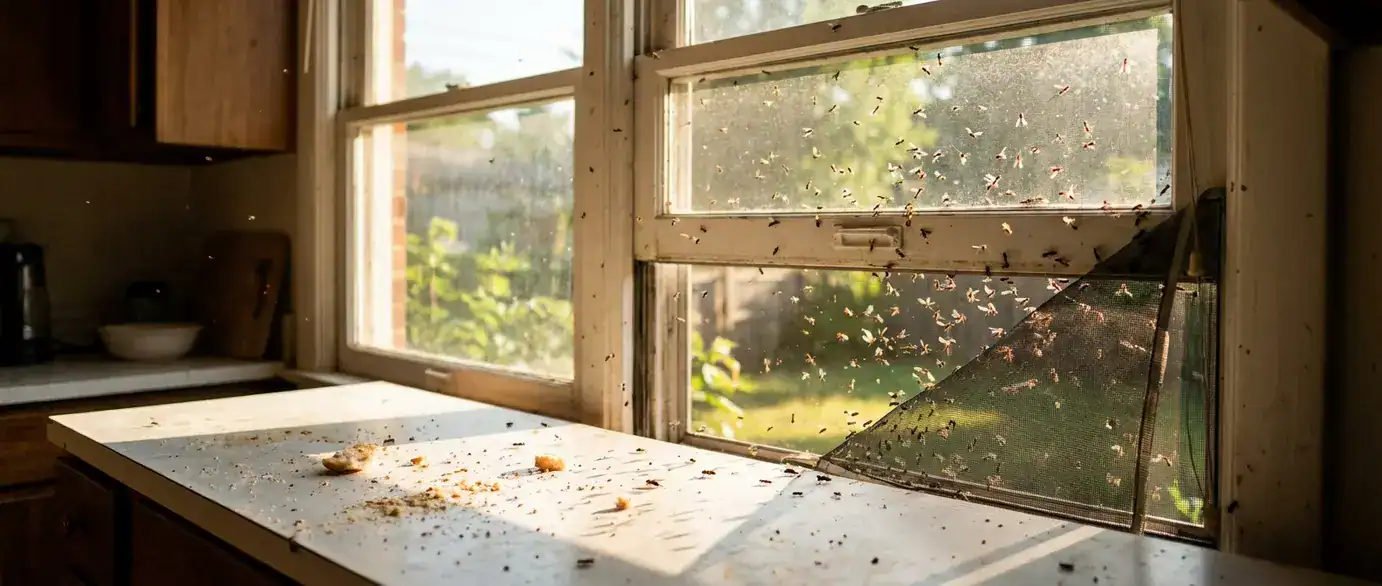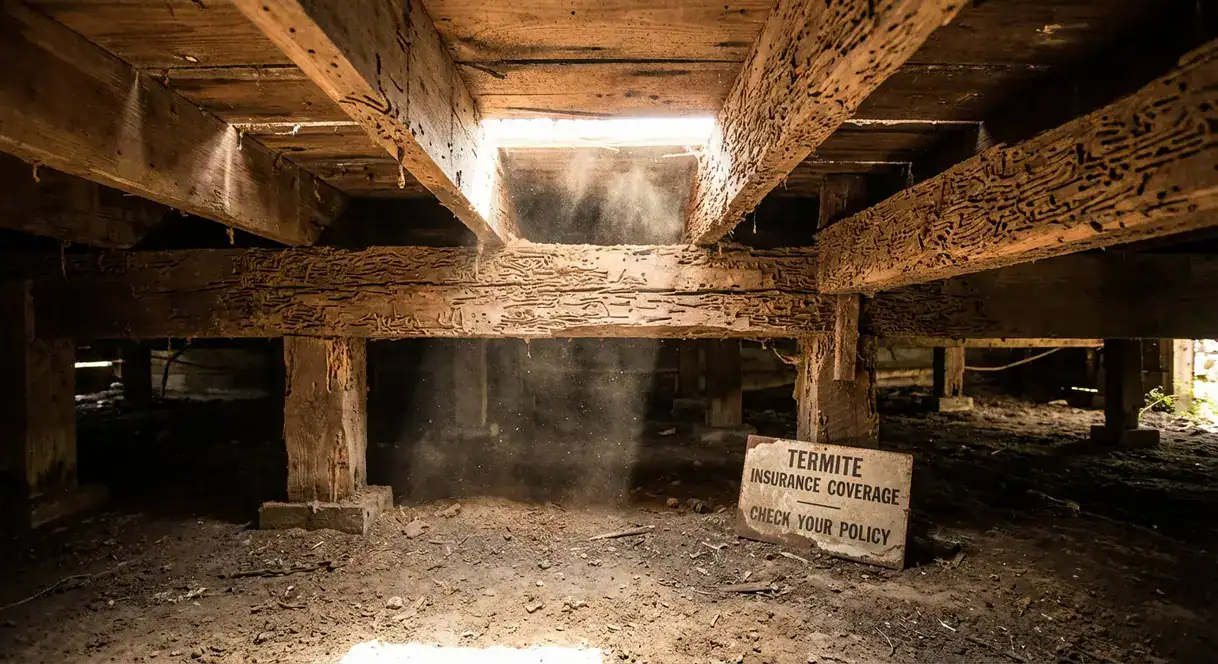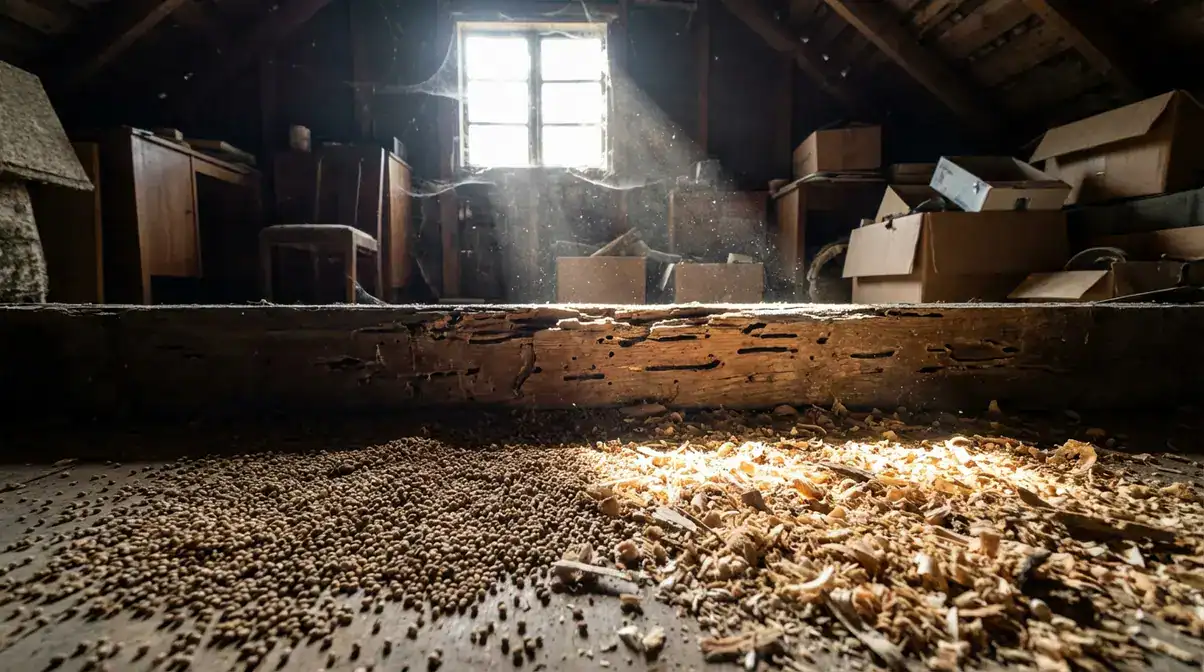
Are you unknowingly hosting wood-destroying villains in your home? The discovery of winged insects swarming indoors can be alarming, often leaving homeowners wrestling with a critical question: is it a termite vs carpenter ant infestation? While both pests pose a significant threat to your property’s structural integrity, mistaking one for the other can lead to ineffective treatments and costly, escalating damage. This comprehensive termite identification guide will equip you with the knowledge to distinguish between these two formidable foes, focusing on the definitive visual clues found in their wings and waists.
How can you tell the difference between a termite and a carpenter ant?
The quickest way to differentiate termites and carpenter ants is by examining three key features. Termites have straight, beaded antennae, a broad waist, and two pairs of equal-length wings. In contrast, carpenter ants have elbowed antennae, a distinctly narrow or “pinched” waist, and front wings that are noticeably longer than their hind wings.
Understanding the Two Main Wood-Destroying Pests
Before we compare their features, it’s essential to understand the fundamental nature of each insect. Accurate insect identification is the first and most critical step in effective pest control. Getting this wrong means wasting time, money, and allowing the real culprit to continue its destructive work unchecked.
What Does a Termite Look Like?
Termites are social insects often called “silent destroyers” because of their ability to chew through wood, flooring, and even wallpaper undetected for years. They are biologically more related to cockroaches than ants. A termite’s body is soft, typically pale or creamy-white in color, and lacks a defined waist, appearing more like a single, uniform segment.
Key features of a termite include:
- Straight, beaded antennae: Their antennae look like a string of tiny beads.
- Broad waist: There is no visible constriction between their thorax and abdomen.
- Soft, light-colored body: Worker termites, the most numerous caste, are rarely seen in the open.
The winged reproductive termites, known as swarmers or alates, are the ones most often confused with carpenter ants. These are darker in color and are sent out from the colony to mate and establish new nests.
What Does a Carpenter Ant Look Like?
Carpenter ants are one of the most common ant species found in homes. Unlike termites, they do not eat wood for nutrition. Instead, they excavate and tunnel through it to create nests and galleries for their colonies. This process can still cause significant structural damage over time.
Key features of a carpenter ant include:
- Elbowed antennae: Their antennae have a distinct bend or “elbow” in the middle.
- Narrow waist: A very thin, constricted waist (called a petiole) separates the thorax from the abdomen, giving them a segmented appearance.
- Hard exoskeleton: Their bodies are typically reddish-black or solid black. Carpenter ants can range in size from 1/4 to 3/4 inch.
Understanding these foundational differences is crucial before moving on to the more specific visual guide for differentiating termites and carpenter ants.
The Definitive Visual Guide to Wings
During spring and early summer, both termite and carpenter ant colonies produce swarmers. This is the stage when you are most likely to see them and confuse them. The wings are one of the most reliable indicators for identification.
Termite Wings vs Carpenter Ant Wings: A Clear Distinction
When you encounter a winged insect you suspect is a wood-destroying pest, take a close look at the wings. The differences are striking once you know what to look for.
Termite Swarmer Wings:
- Equal Size: A termite has two pairs of wings (four total) that are all equal in length and shape. They appear symmetrical.
- Vein Pattern: The wings are paddle-shaped and have a simple, milky-white appearance with few visible veins.
- Fragility: Termite wings are designed to snap off easily after a short flight. Consequently, a common sign of a termite infestation is finding piles of identical, discarded wings on windowsills or near baseboards.
Carpenter Ant Swarmer Wings:
- Unequal Size: A carpenter ant also has two pairs of wings, but the front pair is significantly longer than the back pair. This is the most telling difference.
- Vein Pattern: Their wings are more transparent and have a more prominent, well-defined vein structure compared to termite wings.
- Durability: Carpenter ant wings remain attached to the body for a longer period and are not designed to break off as easily.
Can you spot the difference? The symmetrical, equal-length wings of the termite are a stark contrast to the longer front wings of the carpenter ant. This single feature is often enough for a positive carpenter ant identification.
The Second Telltale Sign: An Insect’s Waistline
If you find an insect without wings, or if the wings are damaged, the next best place to look is the waist. The body shape provides an undeniable clue for understanding the visual differences between termites and carpenter ants.
The Broad Waist of a Termite
A termite’s body is composed of a head, thorax, and abdomen, but there is no clear separation between the thorax and abdomen. This gives the insect a thick, blocky, and uniform appearance. Think of its body as a single, rectangular capsule with no “pinched” section in the middle. This broad-waisted look is a primary characteristic of all termite castes, from workers to swarmers.
The Pinched Waist of a Carpenter Ant
In stark contrast, the carpenter ant has a classic insect body plan that is clearly segmented. Its thorax and abdomen are separated by a very narrow, constricted petiole. This gives the ant a distinct “pinched-waist” appearance, similar to that of a wasp. This feature is a hallmark of the ant family (Formicidae) and is completely absent in termites. If the insect you are looking at has a defined waist, you can be confident it is an ant, not a termite.
Behavioral Insights: How They Live and Destroy
Beyond physical appearance, their habits and behaviors offer further clues. Understanding carpenter ant behavior and termite behavior and nesting can help you identify the pest and the nature of the threat to your home.
Diet and Nesting Habits
The most significant behavioral difference lies in their relationship with wood.
- Termites are xylophages, meaning they eat wood. They consume cellulose, the primary component of wood, as their food source. As they eat, they excavate galleries that are rough, ragged, and often packed with soil, mud, and fecal matter. This is because subterranean termites, the most common type, bring soil from the ground into the wood they are infesting.
- Carpenter ants do not eat wood. They are excavators. They chew through wood to create smooth, clean, and sandpaper-like galleries for nesting. Because they don’t consume the wood, they must discard the shavings. This byproduct, known as frass, looks like fine sawdust and often contains parts of dead insects. Finding small piles of frass is a key sign of a carpenter ant infestation.
What Attracts Termites and Carpenter Ants to a Home?
Both pests are drawn to similar conditions, which is why prevention often involves addressing the same environmental factors.
- Moisture: This is the single biggest attractant. Leaky pipes, poor drainage, clogged gutters, and damp basements or crawl spaces create the perfect environment. Carpenter ants prefer to nest in wood that has already been softened by moisture or decay, while subterranean termites require constant moisture to survive.
- Wood-to-Ground Contact: Any wooden part of your home that directly touches the soil, such as porch steps, deck posts, or siding, provides a hidden highway for subterranean termites to enter.
- Cracks in the Foundation: Small cracks and gaps in your home’s foundation offer entry points for both pests.
Can Termites and Carpenter Ants Live Together?
It is highly unlikely for termites and carpenter ants to coexist peacefully in the same piece of wood. Carpenter ants are predators and will often attack and consume termites if their territories overlap. However, it is possible for a home to have separate infestations of both pests in different locations, especially if the underlying moisture issues are widespread.
A Comparative Look at the Damage They Cause
While both are wood-destroying pests, the scope and speed of the damage they inflict differ significantly. The importance of accurate identification for pest control is never more apparent than when assessing the potential financial impact.
Termites are responsible for over $5 billion in property damage annually in the United States alone. A large subterranean termite colony, which can number up to a million individuals, can consume wood 24 hours a day, leading to rapid and severe structural failure. In contrast, carpenter ant damage is typically slower and less extensive, but a large, mature colony can still hollow out critical structural components over several years.
| Feature | Termite Damage | Carpenter Ant Damage |
|---|---|---|
| Appearance of Wood | Wood feels soft, may appear crushed at structural joints. Damage often follows the grain of the wood. | Wood has smooth, “sandpapered” galleries that are clean of debris. Small holes may be visible where frass is ejected. |
| Galleries/Tunnels | Tunnels are rough, jagged, and filled with layers of mud, soil, and excrement (droppings). | Tunnels are clean and polished, like they’ve been sanded. There is no soil or mud inside. |
| Byproducts | Drywood termites produce small, hexagonal pellets (droppings). Subterranean termites leave behind mud tubes. | Piles of coarse sawdust-like material (frass) containing wood shavings and insect parts. |
| Structural Impact | High. Can cause rapid and severe damage, compromising the structural integrity of the home. | Moderate to High. Damage occurs more slowly but can become severe over several years if left untreated. |
Top Signs of Infestation: What to Look for in Your Home
Regular inspections can help you catch an infestation early. Knowing what to look for is your best defense. Here is how to inspect your home for termites and carpenter ants.
Common Termite Infestation Signs
- Mud Tubes: Subterranean termites build pencil-sized tubes of mud and soil to travel from their underground colony to the wood source in your home. Check the foundation walls, support piers, and floor joists.
- Discarded Wings: After a swarm, you’ll find piles of identical wings near windows, doors, and light sources.
- Damaged or Hollow-Sounding Wood: Tap on wooden beams and baseboards. If they sound hollow, it could indicate termites have eaten the wood from the inside out.
- Blistered or Darkened Paint: This can indicate moisture buildup in the wood behind the paint, which could be caused by termite activity.
- Frass (Drywood Termites): Drywood termites, common in warmer climates, push small, pellet-like droppings out of their tunnels.
Telltale Signs of Carpenter Ants
- Piles of Frass: Finding piles of fine sawdust is the most definitive sign. Look for it beneath small holes in woodwork, in crawl spaces, basements, and attics.
- Faint Rustling Sounds: In a quiet house, you may be able to hear a faint crinkling or rustling sound coming from inside walls or woodwork as the ants excavate their nests.
- Visible Ants: Seeing large, black ants foraging for food in your kitchen or other areas of the house can indicate a nearby nest.
- “Windows” in Wood: Carpenter ants create small openings, or “windows,” through which they expel frass and debris from their galleries.
- Winged Swarmers: Seeing large winged ants emerging from walls, ceilings, or crawl spaces is a clear sign of a mature infestation.
Effective Pest Control Solutions for Wood-Destroying Insects
Once you have identified the pest, the next step is treatment. The approach for termites is vastly different from that for carpenter ants.
Natural vs Chemical Pest Control Solutions
For minor issues or as a preventative measure, some natural methods can be effective.
- Moisture Control: The most crucial prevention method for termite and carpenter ant infestations. Fix all leaks, ensure proper drainage, and use dehumidifiers in damp areas.
- Debris Removal: Remove woodpiles, stumps, and other cellulose debris from near your home’s foundation.
- Sealing Entry Points: Caulk cracks in the foundation and seal gaps around utility lines.
However, for an active and established infestation, professional intervention is almost always necessary.
- Termite Treatments: These are highly specialized. Subterranean termites often require a liquid barrier treatment applied to the soil around the foundation or the installation of baiting systems. Drywood termites may require spot treatments or whole-structure fumigation. These are not DIY tasks.
- Carpenter Ant Treatments: A professional will first need to locate the main nest and any satellite colonies. Treatment may involve applying targeted insecticides (dusts, baits, or sprays) directly into the nest galleries. Simply spraying the ants you see foraging will not eliminate the colony.
Due to the complexity and potential for extensive damage, consulting with licensed pest control services is the most reliable course of action. A professional can provide a thorough inspection, confirm the pest identification, and recommend the most effective and safest treatment plan for your specific situation.
Common Questions About Termite vs. Carpenter Ant: Visual Guide to Wings & Waists
How can you tell the difference between a termite and a carpenter ant?
The easiest way is by checking the waist, wings, and antennae. A carpenter ant has a narrow, pinched waist, front wings longer than its back wings, and bent (elbowed) antennae. A termite has a broad, straight body, four wings of equal size, and straight, beaded antennae.
What does termite damage look like?
Termite damage often appears as hollowed-out wood with rough, messy galleries filled with mud and soil. The wood may look crushed or layered, and you might see mud tubes on foundation walls. In contrast, carpenter ant damage features smooth, clean, sandpapered galleries with no mud.
Are carpenter ants worse than termites?
Generally, termites are considered worse because they cause more extensive and rapid structural damage. A large termite colony can compromise a home’s integrity in just a few years. While carpenter ants are destructive, their damage typically progresses more slowly over a longer period.
Do carpenter ants eat wood?
No, carpenter ants do not eat wood for food. They excavate tunnels and galleries within wood to create their nests. They discard the wood shavings as a sawdust-like material called frass, which is a key sign of their presence. Termites, on the other hand, consume the wood as their primary food source.
What does it mean when you see swarming termites?
Seeing swarming termites, which are the winged reproductives, means there is a mature, established termite colony nearby. These “swarmers” emerge to mate and start new colonies. Finding them indoors, or finding their shed wings, is a red flag indicating a probable infestation in or very near your home.
Can I treat a termite or carpenter ant infestation myself?
While some minor ant issues can be handled with DIY products, wood-destroying insect infestations almost always require professional help. Termite treatments, in particular, are complex and require specialized equipment and materials. Misidentification or improper treatment can lead to the infestation worsening and causing more costly damage.
How fast do termites cause damage?
The speed of damage depends on the size and species of the termite colony. A mature colony of aggressive subterranean termites, like the Formosan termite, can cause significant damage in as little as six months. More common species may take a few years to cause noticeable structural harm, but they are constantly active.
References & Expert Sources
- “Carpenter Ants,” University of Minnesota Extension.
- “Subterranean Termite Control,” Texas A&M AgriLife Extension.
- “Distinguishing Between Ants and Termites,” University of California Agriculture & Natural Resources.
- “Termites: How to Identify and Control Them,” U.S. Environmental Protection Agency (EPA).
- “Carpenter Ant Management Guidelines,” University of California Statewide IPM Program.
- “Biology of Eastern Subterranean Termites,” Virginia Cooperative Extension.
- “Termites,” National Pest Management Association.
- “Carpenter Ants,” PennState Extension.
- “Homeowners Guide to Wood Destroying Insect Report,” North Carolina Department of Agriculture & Consumer Services.
- “Entomology Research Guide: Web Resources,” Iowa State University Library (Iowa State University).
- “Pest Management Guide for Commercial Production and Maintenance of Trees and Shrubs,” Cornell Cooperative Extension (structural and household pest management section).
Final Thoughts: Your First Line of Defense is Knowledge
The termite vs carpenter ant debate is one where accurate information is your most powerful tool. By learning to spot the key differences-the equal wings and broad waist of a termite versus the unequal wings and pinched waist of a carpenter ant-you can move from a state of alarm to one of empowered action. Remember, the signs of infestation are often subtle, from faint rustling in the walls to a small pile of sawdust-like frass on the floor. Regular vigilance and knowing what to look for can save you thousands of dollars in repairs. If you suspect an infestation of either of these wood-boring insects, do not hesitate. Contact a certified pest management professional immediately for a definitive inspection and a strategic plan to protect your most valuable asset: your home.