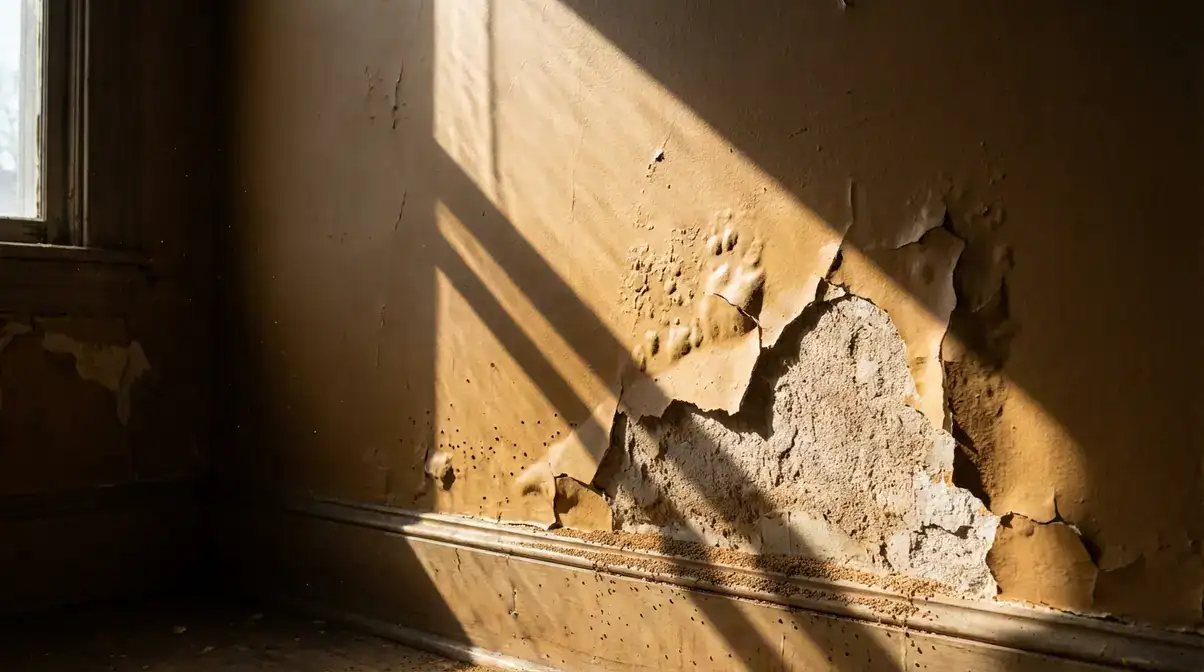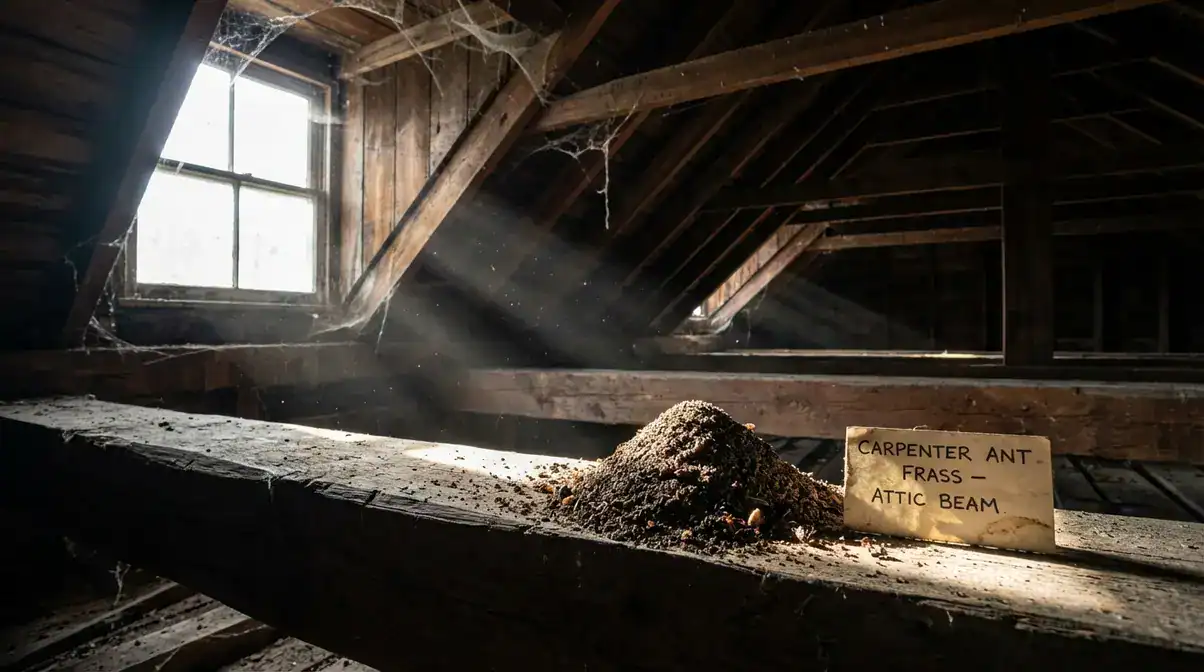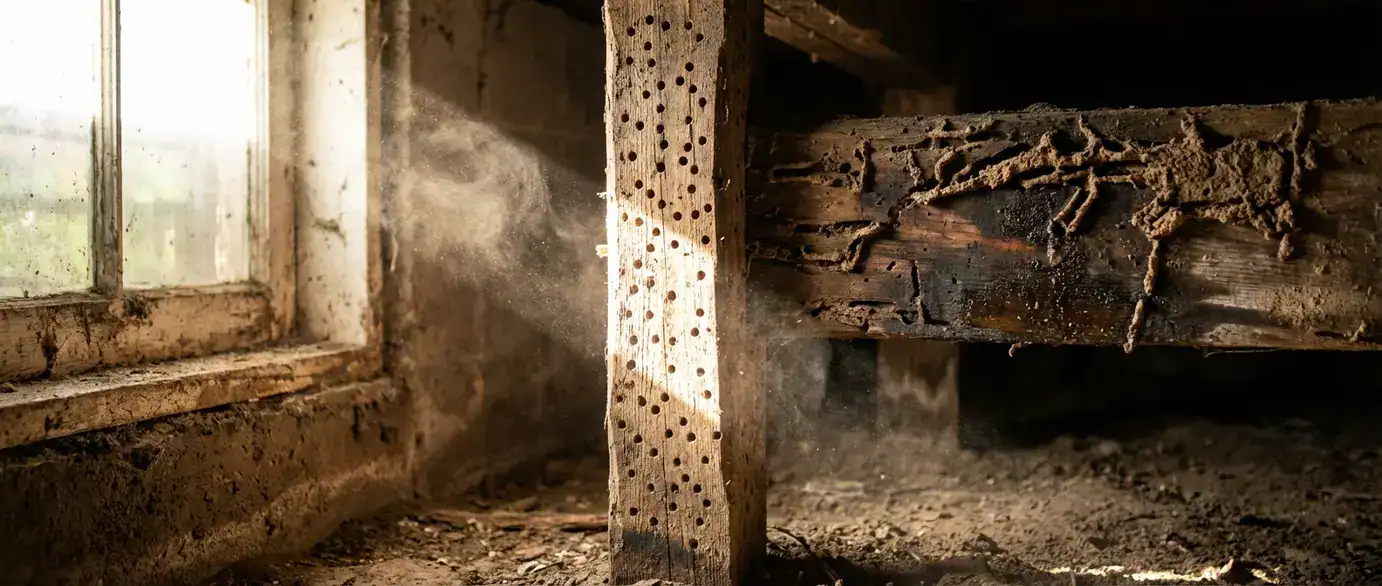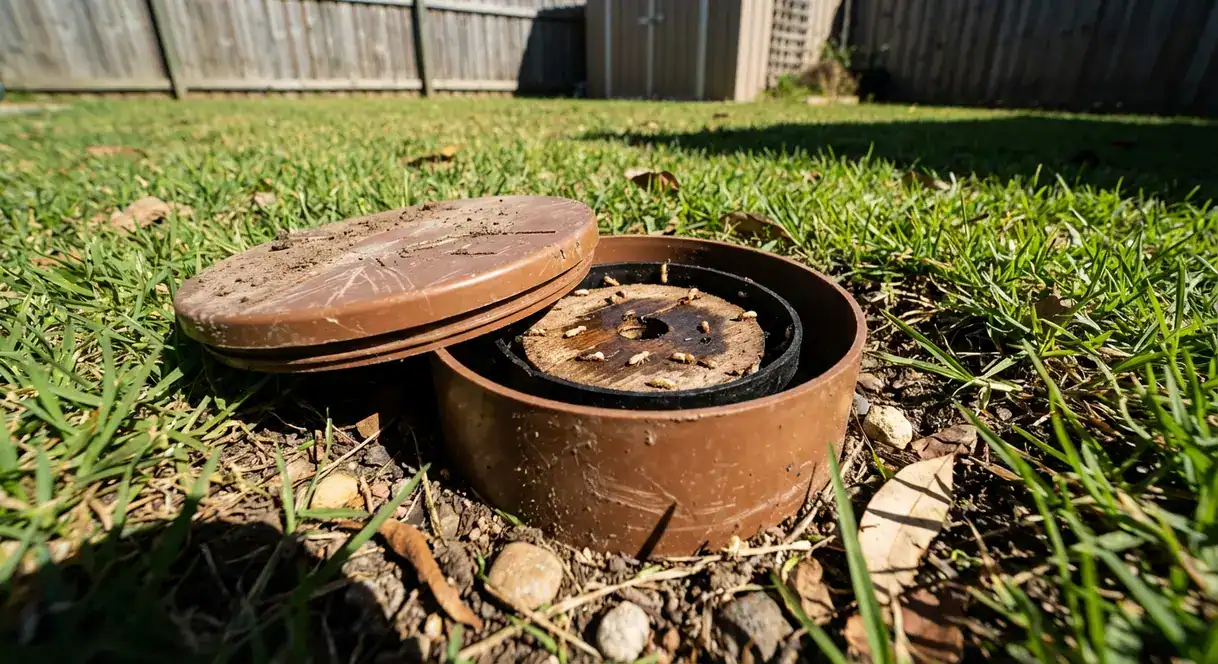
The thought of termites silently chewing through the structural heart of your home is a uniquely unsettling fear for any homeowner. You’re not just worried about pests; you’re worried about catastrophic damage that insurance often won’t cover. Choosing from the best termite bait stations is your first line of defense. But the market can be confusing, pitting industry titans like Trelona and Advance against each other.
Which is the best termite bait station: Trelona or Advance?
Trelona ATBS is definitively the best termite bait station for homeowners today. Its modern “Always Active” baiting strategy, proven colony elimination with novaluron, and cost-saving annual inspection label make it superior. Because the Advance system has been discontinued, Trelona is the clear successor and the most reliable choice.
Understanding the Battlefield: How Termite Bait Stations Work
Before we compare Trelona and Advance directly, it’s crucial to understand the ingenious strategy behind baiting systems for termites. Unlike liquid chemical barriers that create a toxic perimeter around your home, bait stations work like a Trojan horse. They are a far more targeted and strategic termite management solution.
The process is based on termite biology:
- Installation: Plastic stations containing a cellulose material (termite food) are installed in the ground every 10-15 feet around your home’s foundation.
- Interception: As subterranean termites forage for food, they discover these stations and begin feeding on the bait matrix. They find the bait even more palatable than the wood in your home.
- Contamination: The bait contains a slow-acting insect growth regulator (IGR), a type of termiticide. For Trelona, this active ingredient is novaluron.
- Colony Elimination: The foraging workers carry this toxic bait back to the colony and share it with other termites through a process called trophallaxis (social feeding). Because the IGR is slow-acting, it spreads throughout the entire colony-including the queen-before its effects are felt. It works as a chitin synthesis inhibitor, preventing termites from properly molting (shedding their exoskeletons), which ultimately leads to the collapse and elimination of the entire colony.
This termite baiting technique is considered one of the most effective and environmentally conscious ways to achieve total colony kill. That’s different from a chemical barrier, which only eliminates the workers that happen to cross it.
Trelona vs. Advance: A Head-to-Head Comparison
Both Trelona ATBS (Advanced Termite Bait System) and the Advance Termite Bait System were developed by BASF, a leader in the pest control industry. However, they represent two different generations of baiting philosophy. The Advance system is the legacy product, while Trelona is the modern, more efficient successor.
Here is a quick overview of how they stack up:
| Feature | Trelona ATBS | Advance Termite Bait System |
| Current Status | Actively Manufactured | Discontinued (Limited Stock) |
| Baiting Strategy | “Always Active” – Bait installed from day one. | Monitoring – Wood base installed first, bait added after activity is found. |
| Active Ingredient | Novaluron (0.5%) | Novaluron (used in Trelona cartridges, which fit Advance stations) |
| Inspection Frequency | Annual | Quarterly (or every 120 days) |
| Time to “Hit” | Faster colony contact due to pre-baited stations. | Slower; requires termites to find wood, then a pro to add bait. |
| Labor Costs | Lower due to annual inspections. | Higher due to more frequent inspections. |
| Ownership | You own the stations (unlike some competitors). | You own the stations. |
Trelona ATBS Annual Bait Stations
Trelona represents the cutting edge of termite baiting technology. It’s designed for maximum efficiency and effectiveness with minimal disruption to the homeowner.
- Overview: The Trelona system is an “Always Active” solution. This means the compressed termite bait cartridges, containing the active ingredient novaluron, are placed in the stations from the very first day of installation. There is no two-step monitoring process. Termites find the station and immediately begin consuming the lethal bait, accelerating the colony elimination timeline.
- Rating: 9.8/10
- Key Features:
- Annual Inspection Label: This is a huge advantage. Professionals only need to check the stations once a year, significantly reducing the long-term maintenance costs and inconvenience for homeowners.
- Superior Station Design: The ATBS stations are larger and feature vertical slots that mimic the natural pathways termites create. Research from the University of Delaware showed this design is discovered by termites faster than competitor stations like Sentricon.
- Proven Colony Elimination: The novaluron bait is highly palatable and has been proven in numerous studies to achieve complete colony elimination. For instance, studies on termite-infested trees showed no activity at 4 and 24 months post-treatment with Trelona.
- Pros & Cons:
- Fast colony engagement with “Always Active” bait.
- Lower long-term costs due to annual inspections.
- You own the system outright, with no licensing fees.
- Backed by extensive scientific research and the power of BASF.
- Higher initial upfront cost for DIY kits compared to basic monitoring stakes.
- Like all bait systems, it does not provide an instant kill for active infestations inside the home.
- Verdict: Trelona is the best outdoor termite bait station for homeowners seeking a powerful, low-maintenance, and scientifically-backed professional-grade solution. Its design saves money over time and provides peace of mind that your home is protected 24/7.
Advance Termite Bait Stations
The Advance system was a revolutionary product in its time and laid the groundwork for Trelona’s success. However, its technology and methodology are now outdated.
- Overview: Advance uses a two-step monitoring process. First, stations are installed with a Termite Monitoring Base (TMB) made of wood and a Termite Inspection Cartridge (TIC) with a Puri-Cell monitoring matrix. A pest control professional must check these stations quarterly. Only when termite activity is confirmed do they replace the TIC with a bait cartridge.
- Rating: 6.5/10
- Key Features:
- Shared Station Design: It uses the same highly effective ATBS station housing as Trelona, which encourages termite entry.
- Proven Bait: While the system is discontinued, the Trelona bait cartridges are designed to be backwards-compatible, so existing Advance users can still achieve colony elimination.
- Targeted Bait Use: The monitoring-first approach means the active ingredient is only deployed when and where it’s needed, which some see as an environmental benefit.
- Pros & Cons:
- Uses the same effective ATBS station body.
- Lower initial material cost as you don’t buy bait for every station at once.
- Discontinued: This is the biggest drawback. Finding new stations is difficult, and homeowners are reliant on dwindling stock.
- Slower to act, as it requires two steps: termite discovery and professional intervention.
- Higher long-term labor costs due to the need for quarterly inspections.
- Verdict: The Advance Termite Bait System is no longer a recommended option for new installations. While effective in its day, its discontinuation and less efficient monitoring model make Trelona the far superior and logical choice for protecting your home. If you have an existing Advance system, you should transition to using Trelona bait cartridges for continued protection.
Data-Driven Decisions: Scientific Studies on Effectiveness
When choosing between termite control solutions, data matters more than marketing. Fortunately, BASF’s baiting systems have been rigorously tested.
A landmark 2023 study in California provided incredible insight into how long termite bait stations last and how environmental factors impact their performance. Researchers found a significant difference in “time-to-hit” (how long it took for termites to find the stations) based on the season of installation.
- Winter Installation: Stations installed in winter were discovered by termites in an average of 194 days.
- Summer Installation: Stations installed in summer took significantly longer, with an average discovery time of 296 days.
This suggests that installing stations during cooler, wetter months when termites are actively foraging closer to the surface can lead to faster results.
Furthermore, a 2012 University of Delaware study directly compared the ATBS station design (used by both Trelona and Advance) to the leading competitor, Sentricon. The results showed termites located and infested the ATBS stations significantly faster, validating the superior design with its larger size and termite-friendly vertical slots.
Installation Guide: DIY Termite Bait Stations vs. Professional Service
One of the most appealing aspects of the Trelona system is its availability in professional-grade DIY kits. This allows homeowners to achieve a high level of protection without the high cost of professional termite treatment contracts. However, proper installation is critical for success.
How to Install Termite Bait Stations Yourself
If you choose the DIY route, follow these steps precisely:
- Plan Your Placement: Stations should be placed 10-15 feet apart around the entire perimeter of your home. They should be installed approximately 2-4 feet away from the foundation wall. Identify and place additional stations in “conducive conditions” like mulch beds, near woodpiles, or areas with known moisture issues.
- Dig the Holes: Use a 2.5-inch auger bit on a drill or a post-hole digger to create holes that are deep enough for the station to sit flush with the ground. This prevents it from becoming a tripping hazard or being damaged by a lawnmower.
- Insert the Station: Place the Trelona ATBS station, pre-loaded with the bait cartridge, into the hole. Ensure the top is level with the soil surface.
- Activate & Secure: Use the provided “Spider Tool” to unlock and open the station lid. This tool is essential for accessing the station without damaging it. Confirm the bait is seated correctly, then lock the lid back into place.
- Map Your Stations: Create a simple map of your property, marking the location of each station. This will make annual inspections much easier.
DIY is a viable option for many. But hiring a professional is the better choice in some situations, especially if you have an active, visible infestation or are uncomfortable handling termiticides.
The Financial Breakdown: A Termite Bait Station Cost Analysis
The cost of termite control can vary widely. Here’s what you can expect with both DIY and professional options.
- DIY Termite Bait Stations: A Trelona ATBS kit with 10-20 stations and bait cartridges typically costs between $300 and $450. This is a one-time upfront cost. Replacement bait cartridges are sold separately and are only needed when the original bait is consumed.
- Professional Termite Bait Systems: A professional installation can range from $800 to over $1,500 for the initial setup. After that, you will likely have an annual service agreement for inspections, which can run from $300 to $600+ per year.
The primary financial benefit of Trelona’s annual inspection label is the reduction in long-term labor costs. With the older Advance system, you would pay for four inspections a year. With Trelona, you only pay for one, saving you hundreds of dollars annually while maintaining top-tier protection.
From the Trenches: Real Homeowner Experiences
Online forums like Reddit and Quora offer a glimpse into the real-world performance of these systems. While many praise the effectiveness of bait stations, there are common themes and challenges that emerge from homeowner experiences with Trelona and Advance products.
Common points of discussion include:
- The “Waiting Game”: Many users express anxiety about how long it takes for termites to find the bait. The California study confirms this can take several months, which can be nerve-wracking for a concerned homeowner.
- High Cost of Professional Treatment: A recurring complaint is the high cost of professional monitoring contracts, which pushes many towards DIY solutions.
- Bypassed Stations: Some users report termites entering their home even with a baiting system in place. This almost always comes down to improper station placement or not having enough stations around the perimeter to intercept all foraging paths.
Are Termite Bait Stations Safe for Pets and Children?
One of the most significant advantages of baiting systems is their safety profile. The safety of termite bait stations is a key selling point for families.
- Contained System: The termiticide is locked inside a durable plastic station that requires a special tool to open. This prevents children and pets from accessing the bait.
- Targeted Action: The active ingredient, novaluron, is an insect growth regulator. It targets a biological process (chitin synthesis) unique to insects and crustaceans, making it very low-risk for mammals like dogs, cats, and humans who do not have this process.
- Minimal Environmental Impact: Because the termiticide is contained within the station, there is no risk of chemical runoff into the soil or groundwater, which is a concern with some liquid termite control methods. This makes it an environmentally responsible choice.
Common Questions About Trelona vs. Advance: Best Termite Bait Stations Reviewed
How long does it take for termite bait stations to work?
It can take several months for termites to find and begin consuming the bait. Based on research, this “hit time” can average 194 to 296 days, depending on the season and local termite pressure. Once they start feeding, colony elimination can take an additional 3-12 months.
Are DIY termite bait stations as effective as professional ones?
Yes, if DIY Termite bait stations are installed correctly. The Trelona ATBS DIY kits contain the exact same stations and bait used by professionals. The effectiveness depends entirely on proper placement around the home’s perimeter and in conducive areas to ensure termites find them.
Can I use Trelona bait cartridges in my old Advance stations?
Yes, you can. BASF designed the Trelona Compressed Termite Bait cartridges to be fully compatible with the older Advance Termite Bait System stations. This provides a clear and effective upgrade path for homeowners with existing Advance installations.
What are the signs that termite bait stations are working?
The clearest sign is seeing live termites inside the station actively consuming the bait. The bait matrix will look visibly eaten away. Over time, you should see a decline in this activity as the colony begins to collapse.
How often do I need to replace termite bait stations?
You only need to replace the bait cartridge when it is mostly or completely consumed by termites. The plastic station housing itself is very durable and should last for many years in the ground unless it is physically damaged.
References & Expert Sources
- Trelona® ATBS® Annual Bait Stations Product Page – BASF Professional & Specialty Solutions
- Advance Termite Bait System Kit – DoMyOwn
- Trelona ATBS Annual Bait Stations – Pest Management Supply
- Installation Season May Significantly Impact Time Required for Subterranean Termite Baits to Be Found and Fed Upon – Insects (MDPI) / PubMed Central
- Trelona® and Advance® baiting solutions from BASF – BASF Pest Control Solutions
- Trelona ATBS: the go-to termite bait system – BASF
- Advanced Termite Bait Station – Outdoor (monitoring station details, spacing, installation)
Final Thoughts: Making an Informed Choice for Your Home
When it comes to the Trelona vs. Advance debate, the verdict is overwhelmingly clear. With the Advance system being discontinued, Trelona ATBS stands alone as the premier choice from BASF and one of the best termite bait stations available on the market. Its “Always Active” technology, proven faster hit rates, and the significant long-term savings from its annual inspection label make it the superior termite control solution for proactive homeowners.
Whether you opt for a professional installation or take on the project yourself with a DIY kit, you are investing in a powerful, scientifically-backed system designed to eliminate the entire termite colony threatening your home. By understanding how these systems work and following proper installation guidelines, you can create a formidable defense against the silent threat of termites and protect your most valuable asset for years to come.