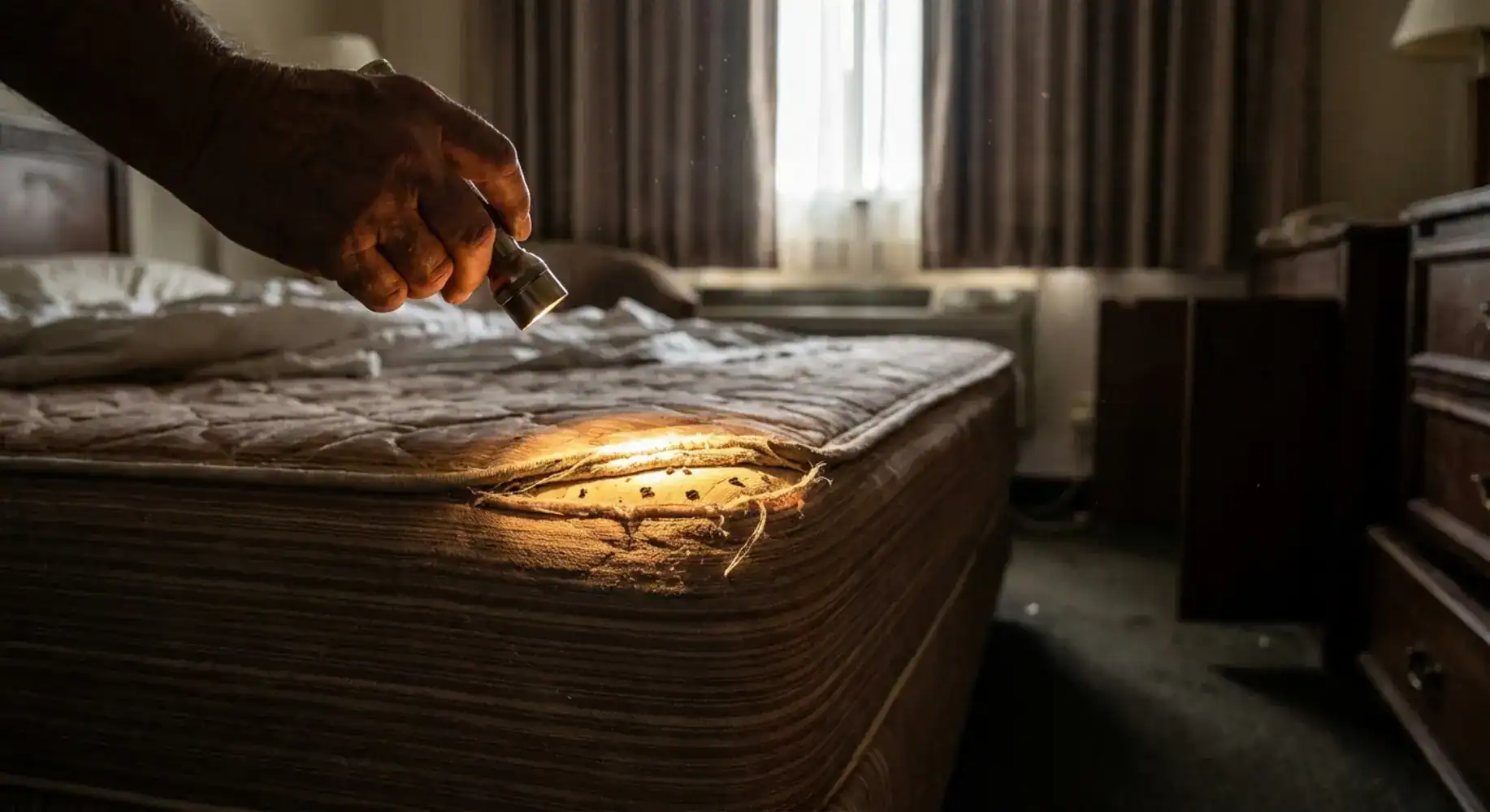
The sickening discovery of tiny, reddish-brown stains on your sheets can trigger a wave of panic few other household problems can match. You’re not just dealing with a pest; you’re facing a resilient intruder that disrupts your sleep and peace of mind. Chemical treatments are a common reaction, but many are failing against pesticide-resistant bugs. That’s why learning how to steam clean bed bugs effectively is no longer an alternative — it’s a frontline defense.
How can you use a steamer to kill bed bugs instantly?
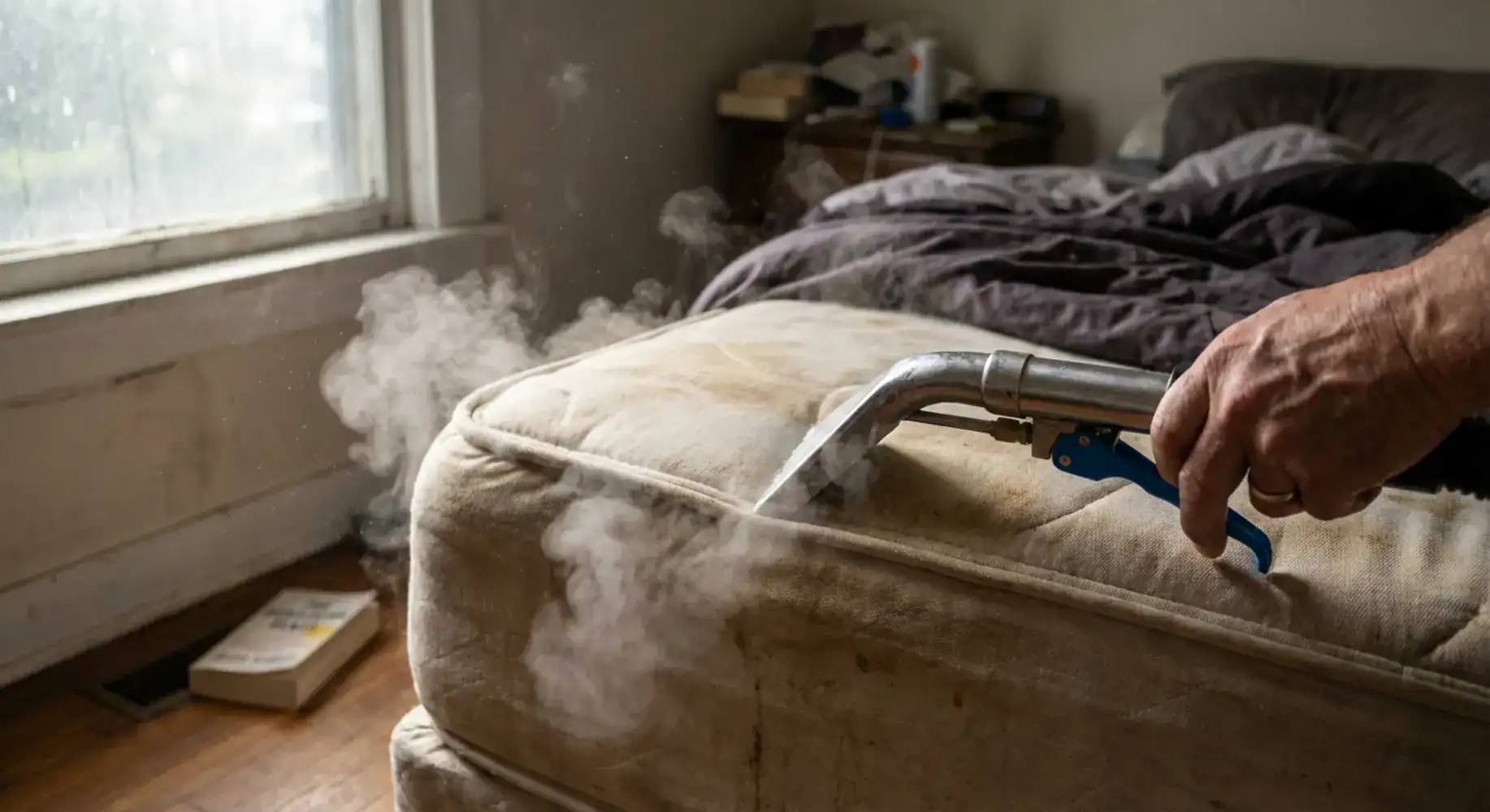
To kill bed bugs instantly with a steamer, you must use a model that produces low-moisture “dry” steam at a surface temperature of at least 160-180°F (71-82°C). Move the nozzle very slowly, about one inch per second, keeping it about a half-inch from the surface. This ensures the lethal heat penetrates cracks, seams, and fabric tufts where bugs and their eggs hide.
Understanding the Enemy: Why Bed Bugs Demand a Thermal Assault
Before we turn up the heat, it’s crucial to understand what makes bed bugs so formidable. These are not creatures of filth but opportunistic hitchhikers. They are small, nocturnal, and masters of concealment, hiding in the tiniest crevices of mattresses, box springs, bed frames, and even behind wallpaper.
This experience is tragically common. The primary reason traditional methods fall short is resistance. Over decades, bed bug populations have developed significant resistance to common pyrethroid insecticides. This means you can douse an infestation with chemicals, and many bugs will simply survive to reproduce, creating an even hardier generation. This is where a heat treatment for bed bugs becomes a superior strategy. Unlike chemicals, bed bugs cannot develop immunity to lethal temperatures.
The Science of Annihilation: How Steam Kills Bed Bugs and Their Eggs
Does steam cleaning kill bed bugs? Yes-and it does so with brutal efficiency. The effectiveness of steam lies in a simple biological principle: the thermal death point. Every stage of the bed bug lifecycle, from egg to adult, is vulnerable to high heat.
According to research from institutions like the Purdue University Extension, here are the critical temperatures you need to know:
- 113°F (45°C): This temperature will kill adult bed bugs after about 90 minutes of continuous exposure.
- 118°F (48°C): This is the magic number for eggs, which are notoriously resilient. They require at least 90 minutes of exposure at this temperature to be neutralized.
- 122°F (50°C) and above: At this temperature, adults and eggs die almost instantly.
A quality pest control steamer doesn’t just reach these temperatures; it far exceeds them. The goal is to deliver steam at 160°F to 180°F directly onto the treatment surface. This overwhelming heat denatures the proteins and enzymes within the bugs’ bodies, causing immediate death on contact. It’s not a slow poison; it’s an instant thermal shock.
Dry Steam vs. Wet Steam: The Critical Difference
A common misconception is that any machine producing hot vapor will work. This is dangerously false. The best steam cleaner for bed bugs produces high-temperature, low-moisture vapor, often called “dry” steam.
- Dry Steam: Produced by high-quality boilers, this steam has very little water content. It kills pests effectively without soaking surfaces, which prevents the growth of mold and mildew. Commercial-grade units with a boiler temperature of 300°F can produce the necessary 180°F output at the nozzle.
- Wet Steam: Produced by cheaper, less powerful units (like many garment steamers or carpet cleaners), this steam has a high water content. It often fails to reach lethal temperatures at the surface and can damage furniture, fabrics, and wood by leaving them saturated.
Using a device that produces wet steam is one of the most common DIY failures. You risk creating a damp environment perfect for mold without actually killing the hidden eggs.
Choosing Your Weapon: The Best Steam Cleaner for Bed Bugs
Selecting the right machine is half the battle. Your success with a DIY steam cleaning bed bugs project depends almost entirely on the capability of your equipment. Here’s a breakdown of the types available.
Handheld Steamers
These are small, portable, and generally inexpensive. While convenient for light tasks, most are unsuitable for bed bug extermination.
- Pros: Low cost, easy to handle.
- Cons: Small water tanks require constant refilling, often fail to maintain lethal temperatures, and produce wet steam that can cause moisture damage.
- Verdict: Avoid for bed bug treatment. They provide a false sense of security.
Canister Steamers
These units offer a good balance of power, capacity, and price, making them the most popular choice for homeowners. A quality canister model is an effective steam cleaner for bed bugs.
- Pros: Larger water tanks for longer continuous use (30-90 minutes), higher boiler temperatures for hotter and drier steam, and multiple attachments for treating different surfaces.
- Cons: More expensive than handhelds ($150-$400), bulkier to move around.
- Verdict: The best choice for most DIY applications. Look for models with at least 1500 watts of power and a boiler that can generate steam well over 220°F to ensure a lethal output temperature. Brands like McCulloch and Dupray are frequently cited by users for their reliability.
Commercial-Grade Steamers
These are the heavy-duty machines used by professionals. They offer the highest temperatures and pressure.
- Pros: Extremely high and consistent heat (often over 300°F), very low moisture content (“dry” steam), and robust construction.
- Cons: Very expensive (often $1,000+), heavy, and may be overkill for a small, localized infestation.
- Verdict: The gold standard, but often available as rentals from tool supply stores for a more cost-effective approach for large-scale infestations.
| Steamer Type | Typical Output Temp | Best Use Case | Our Recommendation |
| Handheld (Garment) Steamer | 120-150°F (Inconsistent) | Removing wrinkles from clothes | Not Recommended |
| Canister Steam Cleaner | 160-200°F (Consistent) | DIY home bed bug treatment | Highly Recommended |
| Commercial-Grade Steamer | 200-250°F+ (Very Dry) | Large infestations, professional use | Best Performance (Consider Renting) |
The Ultimate Guide: How to Steam Clean Bed Bugs Step-by-Step
Proper technique is just as important as the right equipment. Rushing the process or skipping steps will lead to re-infestation. Follow this bed bug steam cleaning method meticulously.
Phase 1: Preparation – Setting the Battlefield
- Declutter the Area. Remove all unnecessary items from the infested room. Every object provides a potential hiding spot. Place items in sealed plastic bags for later inspection and treatment.
- Launder Everything Possible. Strip bedding, curtains, and clothing. Wash them in hot water (at least 120°F) and dry on the highest heat setting for at least 30 minutes. The heat from the dryer is a highly effective killer.
- Dismantle Furniture. Take apart the bed frame completely. Bed bugs love to hide in joints, screw holes, and cracks in the frame and headboard. Lean the mattress and box spring against a wall.
- Vacuum Thoroughly. Using a vacuum with a crevice tool, go over every surface in the room. Focus on mattress seams, tufts, box springs, bed frames, baseboards, and carpet edges. This removes live bugs and eggs, making your steam treatment more effective. Immediately seal the vacuum bag in plastic and dispose of it outside.
Phase 2: Execution – Waging the Steam War
- Equip Your Steamer. Attach a triangular or nozzle attachment. Avoid using a large floor brush, as it diffuses the heat too much. A focused jet of steam is what you need for ensuring thorough steam penetration into bed frames and cracks.
- Heat the Machine Fully. Wait for your steamer to reach its maximum temperature and pressure before you begin.
- Master the Technique. This is the most critical part.
- Pace: Move the nozzle at a snail’s pace-no faster than one inch per second. Professionals use infrared thermometers to confirm the surface reaches 160-180°F. If you move too fast, the surface won’t get hot enough.
- Distance: Keep the nozzle tip approximately one-half to one inch away from the surface you are treating. Holding it too far away causes the steam to cool before it makes contact.
- Angle: Direct the steam into every crack, seam, crevice, and fold.
- Pace: Move the nozzle at a snail’s pace-no faster than one inch per second. Professionals use infrared thermometers to confirm the surface reaches 160-180°F. If you move too fast, the surface won’t get hot enough.
- Systematically Treat All Surfaces. Follow a grid pattern to ensure you don’t miss any spots.
- Mattress: Methodically steam clean mattress for bed bugs, paying extreme attention to seams, tufts, handles, and labels. Do both sides.
- Box Spring: Remove the bottom fabric covering to access the interior frame. Steam every joint and staple.
- Bed Frame & Headboard: Treat every single crack, screw hole, and joint.
- Furniture: Steam couches, chairs, and dressers. Pay attention to the undersides and joints of any steam cleaning furniture for bed bugs project.
- Perimeter: Slowly steam along all baseboards, window frames, and door frames in the room.
- Mattress: Methodically steam clean mattress for bed bugs, paying extreme attention to seams, tufts, handles, and labels. Do both sides.
Phase 3: Post-Treatment – Securing Your Victory
- Allow for Drying. Use fans to circulate air and help all treated surfaces dry completely. This is crucial to prevent mold.
- Vacuum Again. After a few hours, once everything is dry, do another thorough vacuuming to remove any dead bugs and eggs that were dislodged by the steam.
- Install Encasements. Seal your mattress and box spring in high-quality, bite-proof and escape-proof encasements. This will trap any bugs you may have missed and prevent new ones from infesting your bed.
- Monitor Continuously. Place bed bug interceptors under the legs of your bed frame. These devices will help you monitor for any lingering activity. Keep checking for several weeks.
Common Questions About How to Use a Steamer to Kill Bed Bugs Instantly
Can I use a regular steam cleaner for bed bugs?
No, most regular steam cleaners, especially carpet cleaners or garment steamers, are not suitable. They typically produce “wet” steam that doesn’t reach the required 160-180°F at the surface and can cause moisture damage. You need a high-temperature, low-moisture pest control steamer for effective bed bug extermination.
How long does it take for steam to kill bed bugs?
Steam at a temperature of 160°F or higher kills bed bugs and their eggs instantly on contact. The challenge is not the time it takes to kill them. It’s ensuring you move the steamer nozzle slowly enough (about 1 inch per second) to deliver that lethal temperature to all the hidden cracks and crevices where they reside.
What is the best steam cleaner for bed bugs?
The best steam cleaners for bed bugs are canister or commercial-grade models that can produce sustained steam at over 220°F in the boiler. This ensures the steam exiting the nozzle is hot and dry enough for an instant kill. Look for features like continuous steam, high PSI (pressure), and a variety of nozzle attachments.
What should I do after steam cleaning for bed bugs?
After steam cleaning, you must allow all surfaces to dry completely, using fans to speed up the process. Then, perform a thorough vacuuming to remove dead pests and eggs. Finally, install high-quality mattress and box spring encasements and place interceptor traps under bed legs to monitor for any remaining activity.
How often should I steam clean for bed bugs?
For an active infestation, you should perform an initial, incredibly thorough treatment of the entire room. If you continue to see signs of bed bugs after a week, you may need to do a targeted follow-up treatment on specific hotspots. The key is to be meticulous the first time. Regular, preventative steaming is not typically necessary unless you are in a high-risk environment.
Are bed bugs resistant to steam cleaning?
No, bed bugs cannot develop resistance to heat. This is the primary advantage of steam cleaning and heat treatments over chemical methods. While bugs have evolved resistance to many pesticides, no organism can survive once its body temperature is raised beyond its thermal death point.
Is steam cleaning an effective way to get rid of bed bugs?
Yes, steam cleaning is one of the most effective non-chemical methods for getting rid of bed bugs, especially in targeted areas like mattresses and furniture. Its effectiveness depends entirely on using the right machine and proper technique. It kills all life stages on contact without leaving behind chemical residues.
References & Expert Sources
- Thermal Bedbug Heat – Does Steam Kill Bed Bugs?
- Goodway Technologies – Steam Cleaners for Bed Bugs
- Purdue University Extension – Bed Bugs: Biology and Public Health Risk
- Virginia Department of Agriculture and Consumer Services (VDACS) – Bed Bug Heat Treatment Fact Sheet
- JWhiteBBTV – How to Use a Steamer to Treat for Bed Bugs
- United States Environmental Protection Agency (EPA) – Getting Rid of Bed Bugs
- CDC Bed Bugs Overview
- Reddit r/Bedbugs Community Forum
- BedBug Central – Pest Management Professionals Resource
- International Association of Certified Home Inspectors – Bed Bugs: A Nuisance to Eradicate
Final Thoughts: Taking Back Your Home
Using steam is a powerful, eco-friendly, and highly effective bed bug removal technique when executed correctly. It empowers you to take immediate action, targeting the heart of the infestation without filling your home with potentially hazardous chemicals. Remember, success is not just about having a steamer; it’s about having the right steamer and using it with the patience and precision of a surgeon.
The battle against bed bugs is a methodical campaign, not a quick skirmish. By following this comprehensive guide, you can confidently steam clean bed bugs from your life and reclaim your peace of mind. If the infestation is widespread or you feel overwhelmed, don’t hesitate to bring in help. Combine your efforts with a professional pest control company that specializes in integrated pest management.