Imagine waking up at 3 AM to the rhythmic scratching of tiny claws inside your bedroom wall. Your first instinct is likely a mix of disgust and desperation to find a solution that doesn’t involve handling snap traps or scattering toxic pellets. This leads millions of homeowners to purchase an ultrasonic pest repeller, hoping for a clean, high-tech, and humane way to reclaim their home.
Do ultrasonic rodent repellers actually work?
Scientific research and consumer protection agencies confirm that ultrasonic pest repellers are largely ineffective for long-term rodent control. While they may cause temporary avoidance, rodents quickly adapt to the sound through a process called habituation. Furthermore, high-frequency sound waves cannot penetrate walls or furniture, leaving pests completely unaffected in their nesting areas.
The promise of these devices is intoxicatingly simple. You plug a small plastic box into an outlet, and it emits a sound so shrill and annoying to rodents that they flee your property forever. It sounds like the perfect application of modern science. However, the gap between marketing claims and biological reality is wide enough to fit a whole colony of rats. Before you spend another dollar on these gadgets, you need to understand the physics of sound and the sheer adaptability of the common house mouse.
Understanding the Allure of Sonic Rodent Deterrents
The market for home ultrasonic pest repellers has exploded over the last decade. This growth is not because the technology improved, but because our collective desire for non-toxic pest control has reached an all-time high. People want to protect their children and pets from traditional chemical repellents. Consequently, the idea of using “sound pest control” feels like a safe, 21st-century upgrade.
These ultrasonic pest control devices are marketed with various names: electric pest repeller, sonic rodent deterrent, or electronic pest repelling plug-ins. Despite the different branding, they all rely on the same premise. They use a transducer to emit high-frequency sound waves, usually above 20,000 Hertz (20 kHz). This is the threshold where human hearing typically ends. Because we can’t hear it, we assume the silence in our living room means the device is working its magic on the hidden intruders.
The marketing materials often suggest a “force field” effect. Some manufacturers claim their rodent deterrent devices can cover 1,200 square feet or more. For a homeowner struggling with a persistent infestation, this sounds like a bargain at $20 or $30. But to truly answer the question, how do ultrasonic pest repellers work, we have to look past the box and into the auditory world of the rodent.
The Hard Science of Frequency and High-Pitch Sound Waves
To understand why a frequency pest repeller might fail, we must first look at the hearing ranges of different species. Humans generally hear sounds between 20 Hz and 20,000 Hz. In contrast, mice and rats can hear frequencies much higher, reaching up to 70 kHz or even 90 kHz. They use these high-frequency sounds for communication and navigation in the dark.
Most pest control gadgets emit sound in the 25 kHz to 65 kHz range. This is strategically chosen to be loud and distressing to the rodent’s nervous system while remaining silent to the human ear. This is often referred to as an “audiogenic seizure response,” where the noise is supposed to cause enough physical discomfort to force the animal to leave.
However, the physics of high-frequency sound creates a massive problem for residential use. Unlike low-frequency sounds (like the bass from a neighbor’s stereo) that can travel through walls and floors, ultrasonic waves are extremely short. They behave more like light than sound. Specifically, they reflect off hard surfaces and are absorbed by soft ones.
Think of an ultrasonic pest repeller like a flashlight in a dark room full of furniture. The “light” (sound) hits the front of the couch and stops. Everything behind the couch is in a “sound shadow.” Since mice love to travel behind furniture, inside cabinets, and within wall voids, they are almost never exposed to the full intensity of the sound. The very places where mice live and breed are the places where the sound cannot reach.
| Species | Hearing Range (Lower) | Hearing Range (Upper) | Affected by Ultrasound? |
| Human | 20 Hz | 20,000 Hz | No |
| Dog | 67 Hz | 45,000 Hz | Yes (Potential Stress) |
| Cat | 45 Hz | 64,000 Hz | Yes (Potential Stress) |
| House Mouse | 1,000 Hz | 91,000 Hz | Initial Annoyance Only |
| Rat | 200 Hz | 76,000 Hz | Initial Annoyance Only |
Why Rodents Eventually Ignore the Noise: Auditory Habituation
Even if you managed to place a sonic pest control device directly in front of a mouse, you would run into the biological brick wall known as habituation. This is a survival mechanism where an animal stops responding to a stimulus after repeated exposure if that stimulus doesn’t result in actual harm.
Rodents are highly intelligent and adaptable. When a non-toxic pest control sound starts, the mouse might be startled or annoyed for a day or two. But if there is a warm nest and a steady supply of crumbs in the kitchen, the mouse will realize that the “scary” noise isn’t actually biting or hurting it. Within 3 to 14 days, the mouse simply incorporates the noise into the background of its environment.
This explains why many ultrasonic pest repeller reviews are polarized. A customer might plug it in and notice the mice seem to disappear for 48 hours. They rush to Amazon to leave a five-star review. However, two weeks later, the mice are back, and they are literally nesting next to the device. By then, the review is already written and the product has been sold.
The Nightmare of Dead Zones and Acoustic Shadows
The concept of “dead zones” is perhaps the biggest reason ultrasonic rodent repeller effectiveness is so low. In a typical home, the floor plan is a maze of obstacles. Drywall, wooden studs, insulation, and heavy appliances act as impenetrable barriers to ultrasonic frequencies.
If you place a device in your living room, it will have zero impact on the mice living in your kitchen pantry or the rats in your attic. The sound simply bounces off the closed door. To have even a marginal chance of success, you would need to plug an affordable ultrasonic rodent repeller into every single outlet in every room, and even then, the voids inside your walls remain a silent sanctuary for the pests.
Furthermore, soft materials like curtains, carpets, and upholstered furniture absorb the sound energy rather than reflecting it. This reduces the decibel level of the device significantly, making the already weak signal even less effective. Because of this, the “effective range” listed on the packaging is often based on an empty, hard-walled laboratory rather than a real human home.
Are Ultrasonic Pest Repellers Safe for Dogs, Cats, and Pocket Pets?
One of the most common questions is: Are ultrasonic pest repellers safe for pets? Manufacturers often claim these devices are perfectly safe for household animals. While it is true that these sounds won’t kill your dog or cat, they are certainly not “silent” to them.
As shown in the table above, dogs and cats have hearing ranges that overlap significantly with ultrasonic animal repeller frequencies. While a human hears nothing, your dog might be hearing a constant, high-pitched whistle similar to a smoke detector going off. This can lead to unexplained behavioral issues, such as:
- Unexplained pacing or agitation
- Refusing to enter certain rooms
- Excessive whining or barking
- Changes in sleeping patterns
The situation is even worse for “pocket pets.” If you own hamsters, guinea pigs, gerbils, or domestic rats, you must never use these devices. These animals have hearing ranges almost identical to the pests you are trying to repel. Plugging in a frequency pest repeller near a hamster cage is effectively the same as subjecting a human to a 24/7 air horn.
Legal Loopholes and the FTC: The Truth Behind the Marketing
You might wonder: “If these things don’t work, why are they allowed to be sold?” The answer lies in a regulatory loophole. In the United States, chemical pesticides are strictly regulated by the EPA, requiring years of efficacy testing. However, ultrasonic devices are categorized as “pesticide devices.”
Under the Federal Insecticide, Fungicide, and Rodenticide Act (FIFRA), “devices” do not require the same rigorous pre-market proof of efficacy as chemicals. This allows companies to flood the market with pest repelling devices backed by little more than “internal testing” and marketing fluff.
The Federal Trade Commission (FTC) has attempted to intervene. As far back as 2001, the FTC sent warning letters to over 60 manufacturers, stating that claims of effectiveness must be backed by “reliable scientific evidence.”
The most famous legal battle involved the brand Bell & Howell. In a major class-action lawsuit (Case No. 1:15-cv-04804), plaintiffs alleged that the company’s ultrasonic repellers were a scam. A particularly damaging piece of evidence was a photograph showing a mouse sleeping directly on top of an active, plugged-in unit. The court refused to dismiss the case, eventually leading to a multi-million dollar settlement. Despite these legal setbacks, white-labeled versions of the same technology continue to dominate marketplaces like Amazon and TikTok Shop.
Real-World Failures: Why Amazon Reviews Can Be Deceiving
When searching for the best ultrasonic pest repeller for mice, you will encounter products with thousands of glowing reviews. This creates a powerful “social proof” that the technology works. However, you must be wary of how these reviews are generated.
Many low-cost electronics brands use “review hijacking” or “incentivized reviews.” In some cases, a product that was originally a highly rated phone charger is changed to an ultrasonic pest repeller, carrying over the old five-star ratings. Additionally, many users confuse a natural decline in pest activity (such as mice moving outdoors during warm weather) with the effectiveness of the plug-in device.
If you look at ultrasonic pest repeller reviews on neutral forums like Reddit or Quora, where there is no affiliate commission involved, the sentiment is overwhelmingly negative. Professional exterminators almost universally refer to these devices as “expensive nightlights.” If these gadgets actually worked, the multi-billion dollar pest control industry would have adopted the technology decades ago to save on labor and chemical costs.
Proven Alternatives: How to Actually Protect Your Home
If ultrasonic rodent repeller effectiveness is a myth, what actually works? The most effective strategy is called Integrated Pest Management (IPM). This approach focuses on physical barriers and removing the incentives that bring mice inside in the first place.
1. Physical Exclusion (Seal the Entry Points)
Mice can fit through a hole the size of a dime. Rats can squeeze through a quarter-sized opening. Use professional-grade materials like Xcluder fill fabric or steel wool mixed with caulking to seal gaps around pipes, foundation cracks, and vent openings. Unlike mice deterrent technology, a physical wall of steel cannot be ignored or habituated.
2. Sanitation and Food Storage
A mouse’s primary motivation is food. If you have open bags of pet food, crumbs under the stove, or birdseed in the garage, no sound in the world will keep them away. Switch all dry goods to hard plastic or glass containers.
3. Strategic Trapping
While many people want a “humane” solution, allowing an infestation to grow is often more cruel. A single pair of mice can produce dozens of offspring in a few months. Use classic snap traps or electronic traps placed along walls where mice travel. For those seeking non-lethal options, live-catch traps are an option, but you must release the rodents at least a mile away to prevent their immediate return.
4. Professional Exclusion Mesh
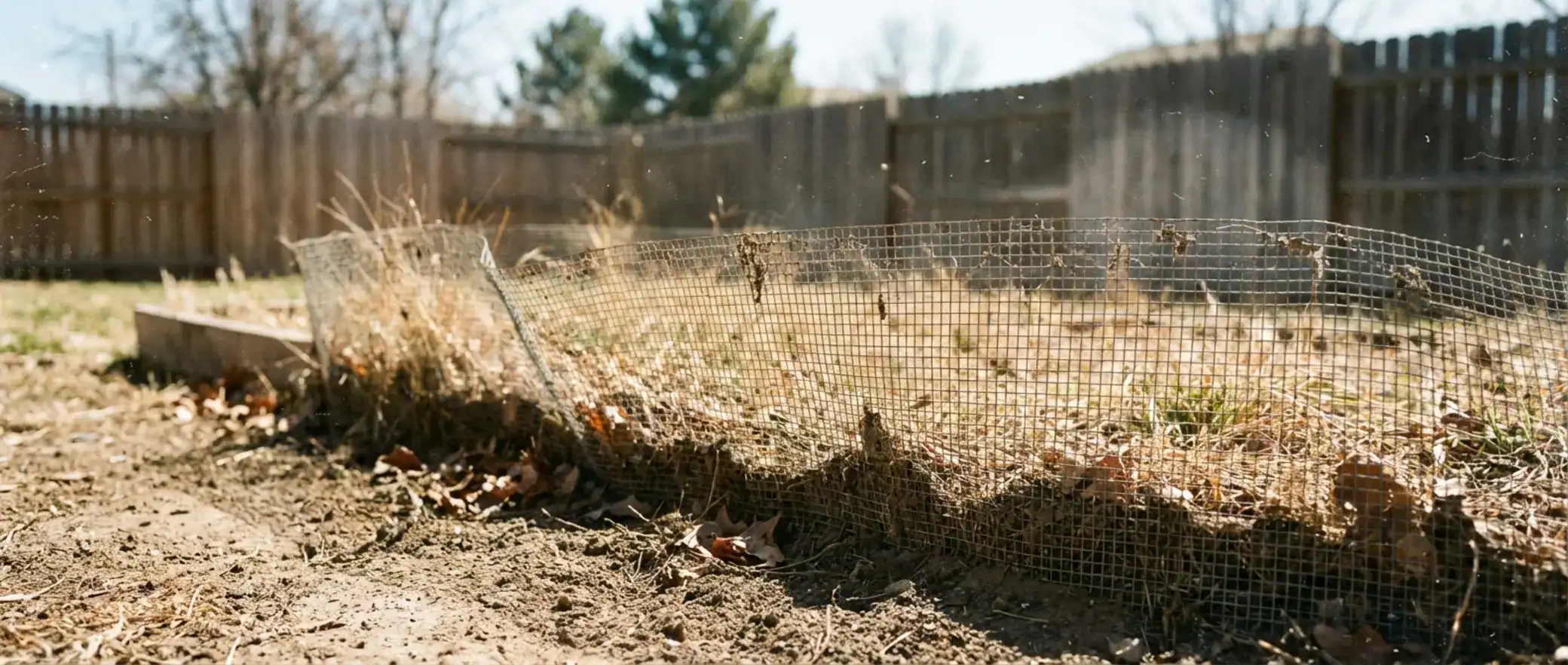
For larger openings like attic vents or crawl space covers, use 1/4 inch hardware cloth. This provides a permanent solution that lasts for years, unlike an electric pest repeller that may burn out or lose frequency calibration over time.
Where Should Ultrasonic Pest Repellers Be Placed for Best Results?
If you already own these devices and still want to try them, placement is everything. Do not hide them behind curtains or furniture. To maximize what little effect they might have, they should be placed:
- In open areas with hard flooring (to reflect the sound).
- Facing the areas where you have seen the most activity.
- In small, enclosed rooms like a pantry (where sound can bounce around).
- Combined with other effective alternatives to ultrasonic pest control methods.
Never rely on them as your sole defense. Think of them as a “nuisance” rather than a “deterrent.” They might make the environment slightly less comfortable for a scout mouse, but they will not stop a hungry mother mouse from finding your cereal boxes.
Common Questions About Ultrasonic Rodent Repellers: Do They Actually Work?
Why do exterminators say ultrasonic repellers don’t work?
Exterminators rely on results-based billing. If they used tools that didn’t work, they would have to return for free “re-treats,” which costs them money. Decades of field experience have shown pros that these devices have a 0% success rate in eliminating established infestations. They prioritize physical barrier techniques and baiting over sound-based gadgets.
Can ultrasonic repellers get rid of spiders and insects?
While some brands market themselves as “all-in-one” solutions, there is even less evidence that ultrasound affects insects like spiders, cockroaches, or bed bugs. Insects have entirely different sensory systems than mammals. Most studies show that ultrasonic frequencies have zero impact on insect behavior or breeding cycles.
How long does it take for ultrasonic pest repellers to work?
Manufacturers often claim it takes 2 to 4 weeks to see results. This timeframe is often chosen because it coincides with the natural “wait-and-see” period or the expiration of the return window. In reality, any initial “spook” effect occurs in the first 48 hours, followed by rapid habituation.
Is ultrasonic pest control worth the investment?
When you consider the “cost of failure,” these devices are rarely worth it. A $30 pack of repellers that fails can lead to thousands of dollars in damage to electrical wiring, insulation, and drywall caused by nesting rodents. Is ultrasonic pest control worth the investment? Most experts would say your money is better spent on a few tubes of high-quality sealant and better storage containers.
Can ultrasonic devices interfere with Wi-Fi?
Generally, no. Ultrasonic waves are acoustic energy (mechanical vibrations in the air), whereas Wi-Fi signals are electromagnetic energy. They operate on entirely different physical principles. You don’t have to worry about your internet speed, but you should worry about the psychological health of your dog or cat if the device is in their favorite room.
What happens if I leave an ultrasonic repeller plugged in all the time?
Most units consume very little power (about 3 to 5 Watts). However, leaving them plugged in indefinitely contributes to the habituation problem. If the sound never changes and never stops, the rodents will ignore it even faster. Some high-end units attempt to solve this by varying the pitch, but even then, the “acoustic shadow” problem remains.
References & Expert Sources
- FTC Warning on Ultrasonic Pest Control Claims
- University of Arizona: Evaluation of Sonic Pest Devices
- Kansas State University Study on Rodent Response to Ultrasound
- EPA Guide on Pesticide Devices vs. Chemical Pesticides
- Consumer Reports: Do Ultrasonic Pest Repellers Actually Work?
- Journal of Economic Entomology: Efficacy of Ultrasonic Pest Repellents
- Pesticide Stewardship: Myths of Ultrasonic Control
- Humane Society: Effective Rodent Exclusion Strategies
- NYC Health: Integrated Pest Management for Rodents
- UC IPM: Managing House Mice in the Home
Final Thoughts
The hard truth is that an ultrasonic pest repeller is rarely the silver bullet consumers hope for. While the idea of a non-toxic, set-and-forget solution is appealing, it ignores the basic laws of physics and the tenacity of nature. Rodents have survived for millions of years by being smarter and more adaptable than we give them credit for. They won’t be defeated by a $20 plastic gadget that can’t even “see” around the corner of a kitchen cabinet.
If you are dealing with a rodent problem, shift your focus from gadgets to gravity-based solutions. Seal your home, secure your food, and use proven mechanical traps. By investing your time in physical exclusion, you are creating a permanent barrier that doesn’t rely on sound waves or electricity. Be a skeptical consumer, avoid the marketing gimmicks, and choose the methods that science actually supports for a pest-free home.