If you tossed loose rodenticide under your porch last year, you likely violated federal law without realizing it. New EPA mandates and state-specific bans in 2025 have fundamentally changed how you must manage pests. Using a professional rodent bait station is no longer just a recommendation for pet owners – it is a legal requirement for anyone using outdoor rodenticides.
What is a tamper-resistant rodent bait station?
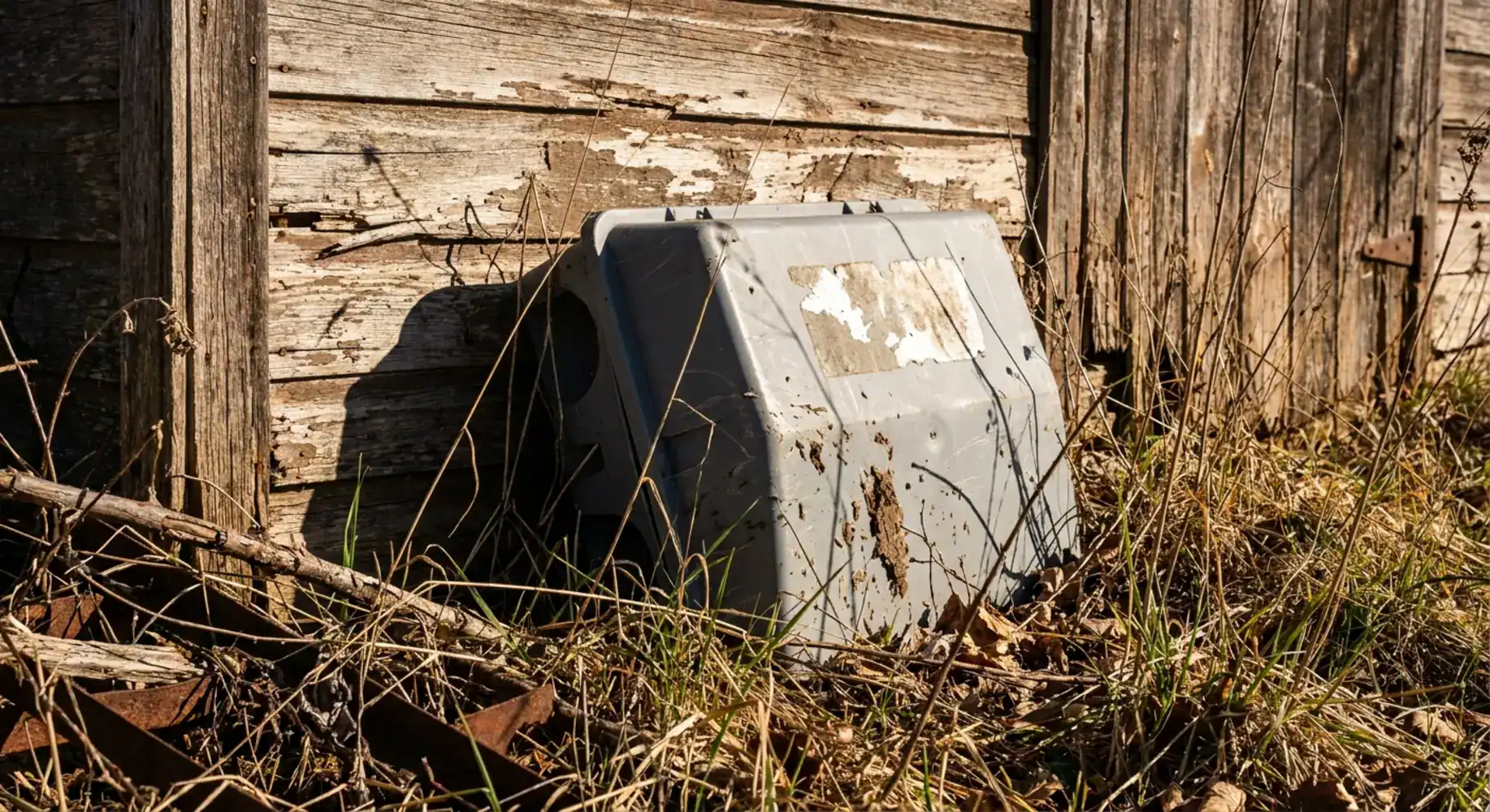
A rodent bait station is a reinforced, lockable enclosure designed to hold toxic bait or traps securely. It features internal baffles that prevent children and pets from reaching the contents while protecting the bait from moisture. To be “tamper-resistant,” it must meet EPA Tier 1 standards, including a 12-pound weight requirement and a specialized key-locking system.
The Regulatory Shift in Rodent Control Solutions
The legal framework for pest management changed dramatically on January 1, 2025 California’s Poison-Free Wildlife Act. In California, the Poison-Free Wildlife Act (AB 2552) officially restricted first-generation anticoagulant rodenticides (FGARs) like warfarin. This follows similar bans on second-generation anticoagulants (SGARs) meant to protect hawks, owls, and local pets from secondary poisoning. .
Furthermore, 2026 EPA mitigation decisions now mandate that all outdoor, above-ground rodenticides must be housed in a tamper-resistant bait station. These stations must be placed within 100 feet of a man-made structure. Using loose pellets or unanchored baits can result in heavy civil penalties. In some jurisdictions, fines for non-compliance can reach up to $25,000 per day EPA fines for rodenticide violations. .
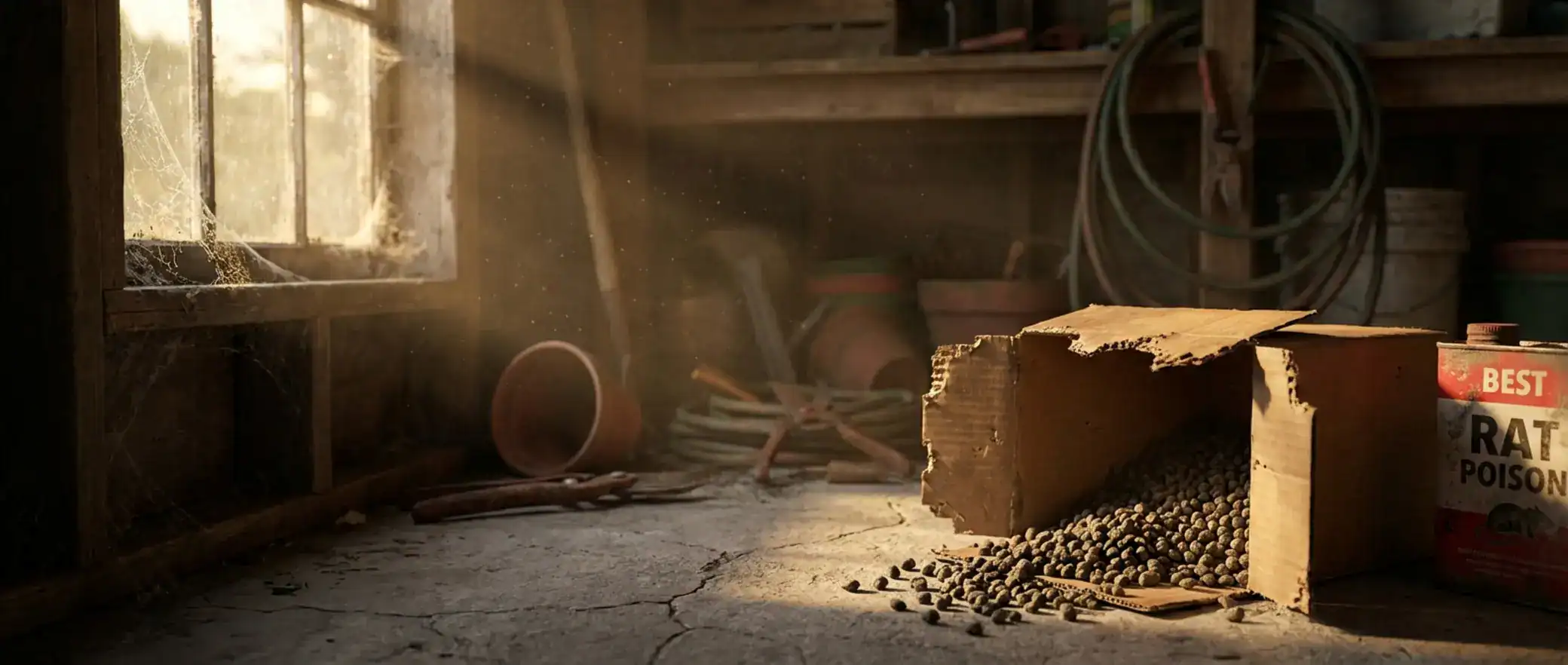
These laws exist because loose bait is a major safety risk. Children and non-target wildlife are frequently attracted to the bright colors of rodenticide blocks. By utilizing modern rodent control solutions, you ensure that the toxin remains accessible only to the target pests. This approach aligns with Integrated Pest Management (IPM) practices, which prioritize safety and precision over broad-spectrum chemical application.
Defining the Tamper-Resistant Bait Station
A tamper-resistant bait station is not just a plastic box. To meet federal safety criteria, the device must satisfy eight specific EPA requirements. These include weather resistance, child-resistant latches, and dog-resistant housing. .
Key technical features include:
- Key-Locking Mechanisms: Most professional units use a two-prong key system to prevent unauthorized access.
- Internal Baffles: These are “mazes” or walls inside the box. They prevent a child or a dog from reaching in and touching the bait.
- Securing Rods: Metal rods hold bait blocks in place. This prevents rodents from carrying the poison out of the station and dropping it in your yard.
- Entry Hole Sizes: Openings are precisely sized for rats or mice. This excludes larger non-target animals like raccoons or cats.
- High-Impact Materials: Tier 1 stations use heavy-duty plastic or galvanized steel to withstand chewing from squirrels and larger predators.
Understanding these features is vital when choosing pest management products. Actually, many cheaper models sold online are only Tier 4. This means they are for indoor use only and offer zero protection against pets or children. Always verify the Tier 1 rating before placing a station outdoors.
The Significance of Bait Station Safety Features
Safety is the primary driver behind the move to tamper-resistant designs. Every year, thousands of accidental poisonings occur involving household pets ASPCA animal poisoning statistics. For instance, a 50-pound dog would need to eat roughly 5 pounds of standard bait to suffer a lethal dose directly. However, even small amounts of certain chemicals like bromethalin can cause neurological distress. .
Because of this, the EPA mandates specific safety tiers CDC guidelines on rodent control:
- Tier 1: The gold standard. These are weather-resistant and tamper-resistant to both children and dogs. They are suitable for all outdoor placements.
- Tier 2: Weather-resistant but only tamper-resistant to children, not dogs.
- Tier 3: Only tamper-resistant to children. These are not weatherproof and are for indoor use only.
- Tier 4: Not tamper-resistant. These are often pre-filled, disposable units.
Modern bait station safety features also prevent secondary poisoning. This happens when a predator, such as an owl, eats a rodent that has consumed poison. By using secured stations with non-anticoagulant baits like cholecalciferol or bromethalin, you reduce the risk to the local ecosystem. .
How to Properly Set Up and Maintain Bait Stations
Setting up a rodent bait station requires more than just dropping it on the ground. You must follow a specific bait station setup guide to stay compliant with federal law. First, gather your materials. You will need chemical-resistant gloves, a Tier 1 station, bait blocks, and an anchoring device.
Follow these chronological steps for a professional setup:
- Wear Protection: You must wear gloves. Human scent on the bait or station causes “bait shyness,” making rodents avoid the area.
- Bait the Rods: Slide your bait blocks onto the horizontal or vertical metal rods provided. Horizontal rods keep bait away from moisture. Vertical rods prevent the bait from melting during 2026 summer heatwaves.
- Lock the Station: Ensure the lid clicks shut and requires a key to open.
- Anchor the Unit: EPA law requires outdoor stations to be anchored. You can use liquid nails to secure it to a pavement stone, or use duck-bill anchors for soil. A 12-pound weight is the standard for preventing dogs from dragging the unit away.
- Placement: Place the station flush against a wall or foundation. Rodents use “thigmotaxis,” meaning they prefer to run along walls rather than in open spaces.
Maintenance is equally important. Check your stations every 7 to 14 days. Specifically, look for “crumb trays” full of bait dust. Clean these out to prevent non-target insects from feeding. If the bait is moldy or has been completely consumed, replace it immediately to maintain control over the population.
Indoor vs. Outdoor Bait Station Protocol
A common mistake is using the same strategy for both environments. Here is the thing: You should never use toxic bait inside your living space. If a rodent eats poison indoors, it will crawl into your wall or under a heavy appliance to die. This results in a “dead rodent smell” that can last for weeks and is nearly impossible to remove.
For indoor bait station protocols, use the station as a protective housing for a snap trap instead. This allows you to catch the rodent and remove it immediately. It keeps the trap’s heavy spring safely away from curious pets and toddlers.
Outdoor rodent control requires a different approach. Focus on the perimeter. Place your outdoor bait station near entry points like garage doors, vents, or woodpiles. Ensure the station is within 100 feet of the building foundation. Fences are not considered “structures” by the EPA for this 100-foot rule. .
Best Rodent Bait Stations for 2026
When looking for the best rodent bait stations, prioritize durability and ease of maintenance. The market has shifted toward “smart” stations that offer Bluetooth monitoring.
| Product Name | Best For | Key Feature | Approx. Price |
| Bell Labs Protecta EVO Express | Heavy-Duty Outdoor | Integrated concrete weight (12lbs) | $25 – $35 |
| JT Eaton 912 Super Strongbox | High-Risk Areas | Galvanized steel construction | $40 – $55 |
| Bell Labs Protecta LP | Tight Spaces | Low profile (3.3 inches) | $18 – $25 |
| Tomcat Titan | Residential Use | Simple one-key entry | $20 – $30 |
Bell Labs Protecta EVO Express
This is the industry standard for professional pest control. It is a Tier 1 station that comes with a pre-installed concrete block. Because of its weight, it is extremely difficult for dogs or raccoons to move.
- Rating: 9.8/10.
- Key Features: Dual-entry baffles, vertical bait rods, and a quick-lock lid.
- Pros: Does not require separate anchoring in most residential settings.
- Cons: Very heavy to ship.
- Verdict: This is the best choice for homeowners who want a “set it and forget it” solution for rats.
JT Eaton 912 Super Strongbox
If you have aggressive squirrels or raccoons that chew through plastic, this is your solution. It is made of galvanized steel.
- Rating: 9.2/10.
- Key Features: All-metal housing and a puck-lock compatibility.
- Pros: Virtually indestructible by wildlife.
- Cons: Can rust over many years if the finish is scratched.
- Verdict: Ideal for farms or rural properties with diverse wildlife.
Bell Labs Protecta LP
The “LP” stands for Low Profile. This station is designed to fit under pallets or behind appliances.
- Rating: 8.9/10.
- Key Features: Triangular design for corner placement.
- Pros: Fits in gaps where other boxes cannot.
- Cons: Smaller bait capacity than the EVO series.
- Verdict: Perfect for garage corners or commercial warehouse use.
Safe Rodent Baiting Techniques and IPM
Safe rodent baiting techniques focus on more than just the “kill.” Integrated Pest Management involves looking at the environment. Actually, you can often reduce rodent activity by simply removing bird feeders or sealing trash cans.
Consider using eco-friendly bait solutions. For example, some professional technicians now use “tracking powder” or non-toxic Detex blocks first. These blocks contain a fluorescent dye that makes rodent droppings glow under UV light. By following the glowing trail, you can find the nest without using any chemicals.
Once the nest is identified, you can use humane traps inside a station. Chemical-free rodent control is becoming the preferred method for schools and hospitals. If you must use toxins, choose cholecalciferol. This is essentially a massive dose of Vitamin D3. While lethal to rodents, it has a lower risk of secondary poisoning for birds of prey compared to older anticoagulants. .
Professional Bait Station Placement Tips
Success depends entirely on bait station placement. If you place a station just five feet away from a rodent’s “runway,” they may never enter it. Rodents are neophobic, meaning they fear new things in their environment. It may take 3 to 10 days for them to feel safe enough to enter the box.
Follow these spacing guidelines for maximum efficiency:
- Bait stations for mice: Place them every 8 to 15 feet. Mice have small home ranges and explore every inch of their territory.
- Bait stations for rats: Space them 15 to 30 feet apart. Rats are more cautious and travel longer distances along fixed paths.
- Baseboard placement: Always place the entry holes against the wall. This allows the rodent to enter the station without leaving the “safety” of the wall line.
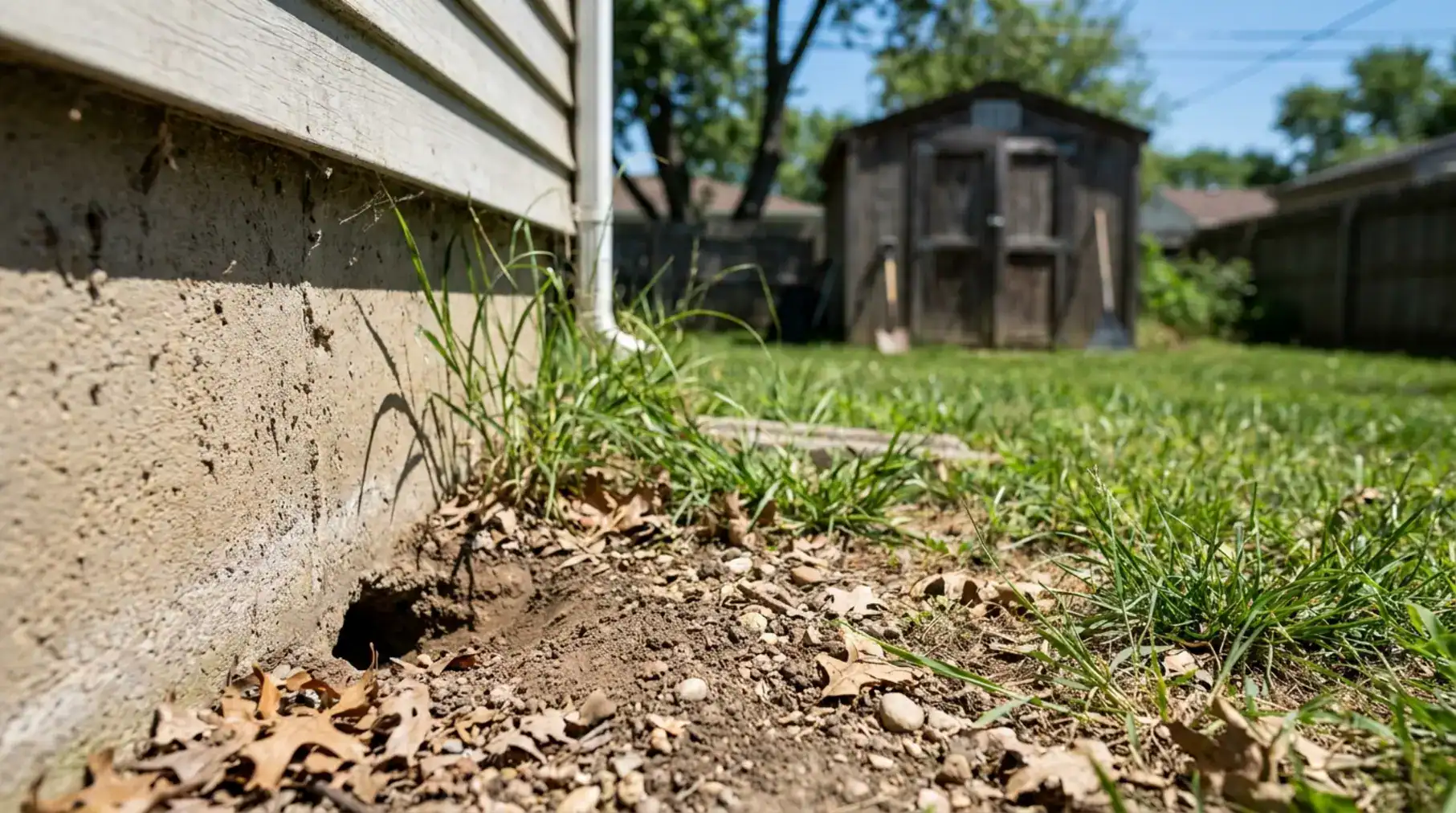
- Burrow proximity: If you see a hole in the ground, place the station within 3 feet of that opening.
Do not place stations near open food sources like pet bowls. The goal is to make the bait the most attractive food source available. Use rodent prevention strategies like “exclusion” – sealing cracks larger than a quarter inch – alongside your baiting program.
Addressing Common Concerns: Myths and Facts
Many homeowners believe that all black boxes are created equal. This is a dangerous myth. Actually, the “Tomcat” boxes found in big-box stores are often only Tier 3. They can be crushed by a large dog or opened by a determined child. .
Another common myth is that bait makes rodents “thirsty” so they die outside. There is no scientific evidence for this. Rodents die wherever they happen to be when the internal bleeding or neurological failure occurs. This is why the “no poison indoors” rule is so critical.
Some users worry that bait stations attract more rats to their yard. In reality, you aren’t “inviting” them; you are providing a lethal destination for the rodents that are already there. The scent of the bait does not travel far enough to draw rodents from the next block over.
Common Questions About Bait Stations: Tamper-Resistant Setup for Safety
Are black box rat bait stations safe for dogs?
Tier 1 bait stations are tested to be dog-resistant, but the bait inside is still toxic. The station prevents a dog from eating the bait directly. However, you must anchor the station so the dog cannot carry it away and chew on it for hours.
What happens if my cat eats a poisoned mouse?
This is called secondary poisoning, and the risk depends on the type of bait used. Standard multi-feed baits usually require a cat to eat dozens of mice before reaching a toxic level. To be safe, use baits like bromethalin or cholecalciferol, which have lower secondary risks pesticide risks and alternatives. .
How do I open a bait station if I lost the key?
Most professional stations require a specific two-prong key that cannot be easily bypassed. You can usually purchase replacement keys online for specific brands like Bell Labs or Tomcat. Do not attempt to pry the box open, as this destroys the tamper-resistant seal.
Can I put a snap trap inside a bait station?
Yes, this is the recommended setup for indoor use. Many professional stations, such as the Protecta Sidekick, are designed to fit a T-Rex snap trap perfectly inside. This keeps the trap away from non-target feet and paws.
Why aren’t the mice eating the bait in my station?
The most common reasons are human scent on the bait or better food sources nearby. Ensure you wore gloves during setup. Also, check if there is fallen birdseed or pet food nearby that is more attractive than the bait blocks.
References & Expert Sources
- U.S. EPA: Restrictions on Rodenticide Products
- California Legislative Information: AB-2552 Poison-Free Wildlife Act
- University of Nebraska-Lincoln: Bait Stations for Rodent Control
- ScienceDirect: Rodenticide Toxicity and Environmental Impact
- California Department of Pesticide Regulation: Guidelines for Use
- CDC: Rodent Control and Prevention Strategies
- National Pest Management Association: IPM Standards
- ASPCA: Animal Poison Control Center Data
- Clemson University: South Carolina SGAR Restrictions 2025
- Northwest Center for Alternatives to Pesticides: Rodenticide Fact Sheets
Final Thoughts
Adopting a tamper-resistant rodent bait station is the only way to manage pests ethically and legally in the modern regulatory climate. By following the 2025/2026 EPA guidelines and state laws like California’s AB 2552, you protect your household and the local wildlife. Remember the golden rule: poison stays outdoors in anchored, Tier 1 stations, while indoor issues are handled with traps secured inside those same protective boxes. Responsible rodent management is a balance of technology, environmental awareness, and strict adherence to safety protocols. If you haven’t upgraded your equipment yet, now is the time to invest in professional-grade tools that keep your family safe while effectively clearing your property of pests.