Imagine waking up to a heavy, sweet, and nauseating scent that feels like it is sticking to the back of your throat. That unmistakable dead mouse smell is more than a simple nuisance; it is a sign of an active decomposition process happening inside your home’s structure. If you are smelling it, you are actually inhaling aerosolized particles of a decaying carcass, making it vital to find the source before flies and bacteria take over your living space.
How do you find and get rid of a dead mouse smell?
To eliminate a dead mouse smell, you must first locate the carcass using visual cues like blowfly activity or tech tools like borescopes. Once removed, sanitize the area with a bio-enzymatic cleaner to break down organic odors. If the carcass is inaccessible, use activated charcoal or mineral-based odor bags to neutralize the airborne gases.
The Science of the Stench: What Causes a Dead Mouse Smell?
The foul odor produced by a decaying rodent is a complex chemical cocktail. When a mouse dies, its body begins to break down through a process called autolysis. During this stage, bacteria inside the gut begin to consume the tissue, releasing various gases that we perceive as a mice decomposition odor.
Specifically, the most aggressive components of this scent are two chemical compounds: cadaverine and putrescine. These are foul-smelling diamines produced by the decarboxylation of amino acids in the carcass. While they are the primary “rotting meat” notes, they are often joined by methanethiol, which smells like rotting cabbage, and skatole, which carries a fecal scent. Because these molecules are heavy, the smell of dead rodent tends to linger and sink, often becoming more intense near the floor or behind baseboards.
According to biochemical studies, the intensity of the odor is directly related to the moisture content and temperature of the environment. In a standard home kept at 70 degrees Fahrenheit, a house mouse takes roughly 10 to 14 days to fully decompose into a dried, “mummified” state. During the first three to five days, the smell will peak as the soft tissues liquefy. After this point, the scent will slowly dissipate as the carcass desiccates.
Is the Smell of a Dead Mouse Harmful to Your Health?
Many homeowners worry and ask, can a dead mouse smell be harmful to health? While the odor itself is generally not toxic in small quantities, it serves as a warning for actual biological hazards. The presence of a dead rodent means you are living near a focal point for bacteria, parasites, and viruses.
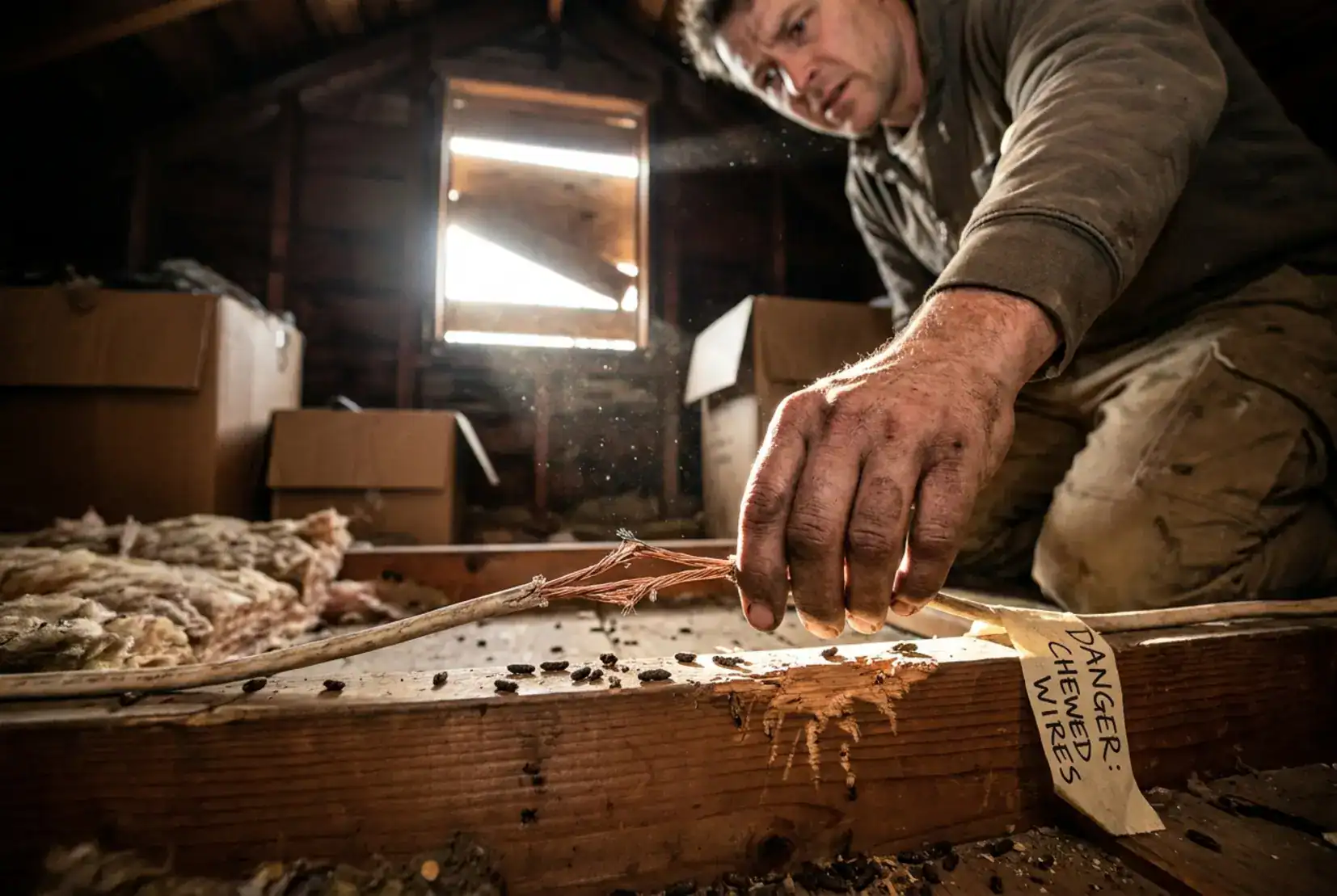
One of the most significant health risks associated with a dead mouse smell is Hantavirus Pulmonary Syndrome (HPS). This virus is transmitted when humans breathe in dust that has been contaminated with rodent urine or droppings. When you find a dead mouse, you are likely finding a nest site where these waste products are concentrated. If you disturb these materials without proper protection, you risk aerosolizing the virus.
Other risks include:
- Leptospirosis: A bacterial disease spread through rodent urine that can lead to kidney damage or meningitis.
- Salmonellosis: Bacteria found in rodent feces that can contaminate surfaces.
- Parasites: As a mouse decomposes, the fleas, ticks, and mites that lived on its body will leave the carcass to find a new, warm-blooded host – potentially you or your pets.
Because of these risks, you should never handle a carcass with bare hands. Experts recommend using an elastomeric half-mask respirator with a P100 rating when working in attics or crawl spaces where rodents have died .
How to Locate a Dead Mouse Smell in Walls and Vents
Finding the source of the stench is often the hardest part of the process. If a mouse died after consuming poison, it may have crawled deep into a wall cavity or attic joist seeking water or safety. To detect dead mouse smell in walls, you must use a combination of biological signs and modern technology.
The Blowfly Tell
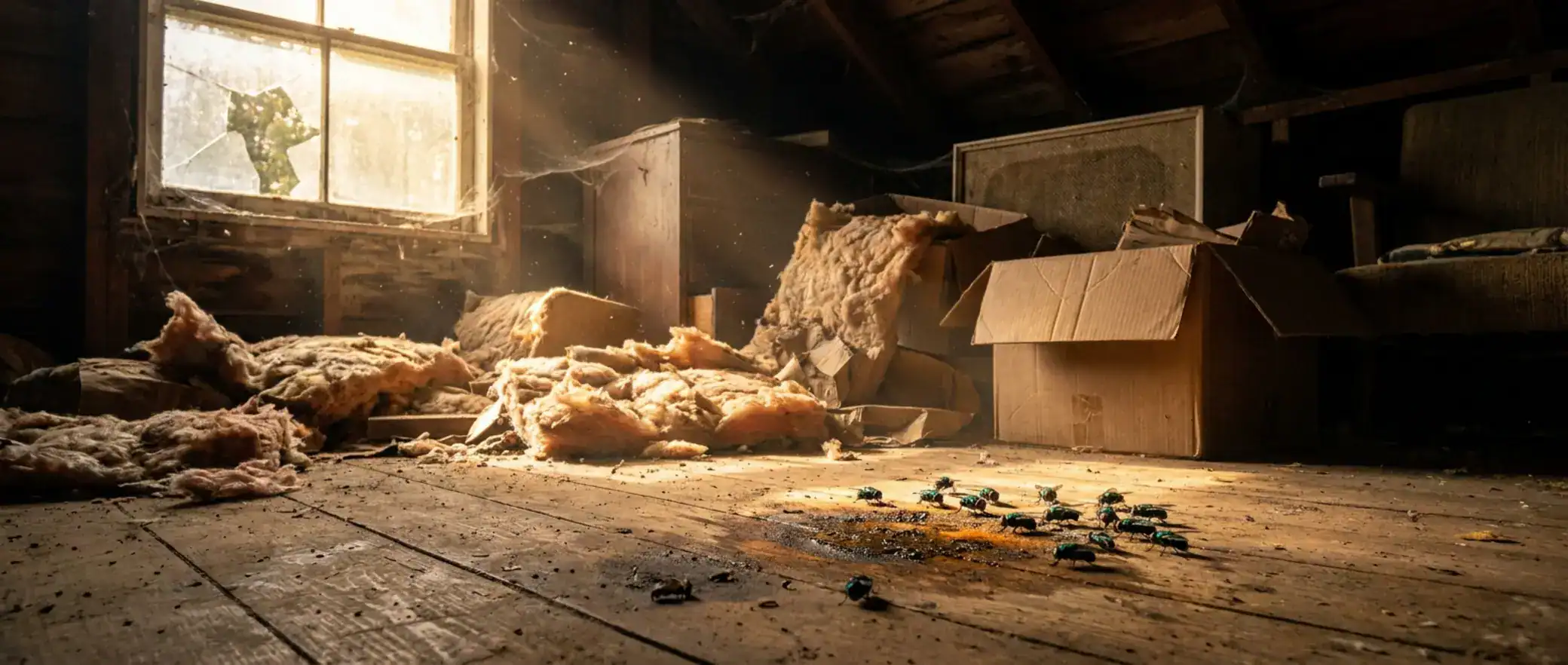
One of the most reliable ways to identify the source of the dead mouse smell is to watch the flies. Within 24 to 48 hours of death, blowflies can detect the scent of decay from miles away. They will try to get as close to the carcass as possible to lay eggs. If you see several large, “lazy” black flies congregating on a specific patch of drywall or buzzing around a particular electrical outlet, that is your “X marks the spot.”
The Electrical Outlet Sniff Test
Rodents love to use the space behind electrical boxes as a highway. Because these boxes have small gaps, the gases from a decaying carcass often leak through the outlet plates. If the dead mouse smell is stronger when you put your nose to a light switch or outlet, the mouse is likely in the wall cavity directly behind it.
Using Technology to Save Your Drywall
You do not have to start swinging a sledgehammer immediately. Modern tools have made it much easier to find dead mouse in house without causing massive damage.
- Wi-Fi Borescopes: These are tiny cameras on flexible cables that connect to your smartphone. For about $25, you can drill a tiny 1/4 inch hole in the wall and snake the camera inside to find the carcass.
- Thermal Imaging: Smartphone attachments like FLIR can sometimes detect the “cold spot” of a moisture-heavy carcass or the “heat spot” if the decomposition is causing bacterial activity in a cold attic. However, this is most effective in the first 48 hours.
The “Cut vs. Wait” Decision Matrix
Should you cut into your wall to remove the mouse, or should you just wait for the smell to go away? This decision often depends on the location and the time of year. Use this framework to decide your next move.
| Scenario | Recommendation | Action Plan |
|---|---|---|
| Smell is in a main bedroom or kitchen | Immediate Removal | Use a borescope to locate, cut a 4×4 inch hole, and extract. |
| Smell is inside an HVAC vent | Mandatory Removal | Turn off air; use a duct snake or professional vac to remove carcass to prevent house-wide contamination. |
| Smell is in an inaccessible crawl space | Wait and Deodorize | Place Earth Care odor bags or activated charcoal near the area; increase ventilation. |
| Smell has persisted for more than 7 days | Wait It Out | The process is nearly over; the carcass is likely drying out now. |
How to Get Rid of Dead Mouse Smell: Chemical vs. Natural Removal
Once you have located the source, you need to know how to get rid of dead mouse smell permanently. Simply spraying a floral air freshener will not work. In fact, mixing perfume with cadaverine often creates a “sickly sweet” scent that is even more repulsive.
The Science of Bio-Enzymatic Cleaners
The most effective chemical removal of dead mouse smell involves bio-enzymatic odor digesters. Products like Bac-A-Zap do not just mask the smell; they contain live bacteria and enzymes that eat the organic matter causing the odor. These are essential if you can reach the area where the mouse died. You must saturate the wood or drywall to ensure the enzymes can reach the leaked fluids.
Natural Remedies That Actually Work
If you prefer a natural removal of dead mouse smell, focus on absorption rather than scenting.
- Activated Charcoal: This is far more effective than baking soda. It has a massive surface area that traps volatile organic compounds (VOCs).
- Earth Care Odor Bags: These bags use a blend of natural minerals (zeolites) that act like a magnet for the positive ions in decomposition gases. They are highly effective for dead rat smell removal when the animal is stuck in a wall.
- Essential Oils: While they won’t “remove” the smell, oils like peppermint or eucalyptus can provide temporary relief while the other methods work.
The Truth About Ozone Generators
Many people turn to ozone generators for dead mouse odor elimination. While ozone is highly effective at destroying odor molecules, it is dangerous. Ozone is a lung irritant and can degrade rubber, wire insulation, and plastics inside your home. You must never run an ozone generator in a home occupied by humans or pets.
Step-by-Step Guide to Removing a Dead Mouse Smell from Home
If you have decided to perform a dead mouse smell removal yourself, follow these steps to ensure you do it safely and effectively.
- Gear Up: Wear disposable gloves and a high-quality respirator. Do not use a simple surgical mask; it will not filter out the tiny particles that carry Hantavirus.
- Locate and Access: Use the “blowfly tell” or a borescope to find the exact location. If the mouse is in the wall, you may need to cut a small access hole using a drywall saw.
- Extract the Carcass: Use a small trowel or a vacuum with a HEPA filter and a disposable bag. Place the carcass and any contaminated nesting material into a Ziploc bag and seal it tightly.
- Double Bag: Place that bag inside another heavy-duty trash bag. This prevents any remaining rodent carcass smell from leaking into your outdoor bin.
- Sanitize the Surface: Spray the area with a 10% bleach solution or a bio-enzymatic cleaner. Let it sit for at least 10 minutes before wiping.
- Deodorize the Air: Place an odor-absorbing bag or a container of activated charcoal in the room. Open windows to create cross-ventilation.
- Seal the Entry: Before you patch the drywall, look for the hole the mouse used to enter. Fill it with steel wool and expanding foam to prevent a repeat performance.
Common Mistakes to Avoid When Trying to Locate a Dead Mouse
When homeowners are desperate to remove dead mouse smell from home, they often make mistakes that prolong the agony or cause damage.
- Using Too Much Bleach: Bleach is a disinfectant, not a deodorizer. If you pour pure bleach down a wall cavity, the fumes can be toxic and may not even reach the source of the smell.
- Relying on Scented Candles: Candles and “plug-ins” only add to the air. They do nothing to stop the decomposing mouse odor at the molecular level.
- Pouring Cat Litter into Walls: A common “internet hack” suggests pouring kitty litter into walls to absorb the smell. This rarely works and creates a massive mess that is nearly impossible to clean up later.
- Ignoring the Attic: Many people search their basement but forget that mice love the warmth of attic insulation. A unpleasant smell from dead animal often drifts down from the ceiling.
Preventing Future Mouse Infestations and Subsequent Odors
The best way to deodorize dead mouse smell is to ensure it never happens again. Recent changes in environmental regulations have made this more challenging for the average homeowner.
As of 2025 and 2026, the EPA has implemented stricter rules on the sale of loose rodenticide baits . Because consumers have less access to professional-grade poisons, more people are using older, less effective baits that cause mice to die slowly inside walls.
To prevent future issues, follow these prevention tips to avoid mouse infestations:
- Seal the Perimeter: A mouse can fit through a hole the size of a dime (1/4 inch). Check your foundation, utility penetrations, and door sweeps.
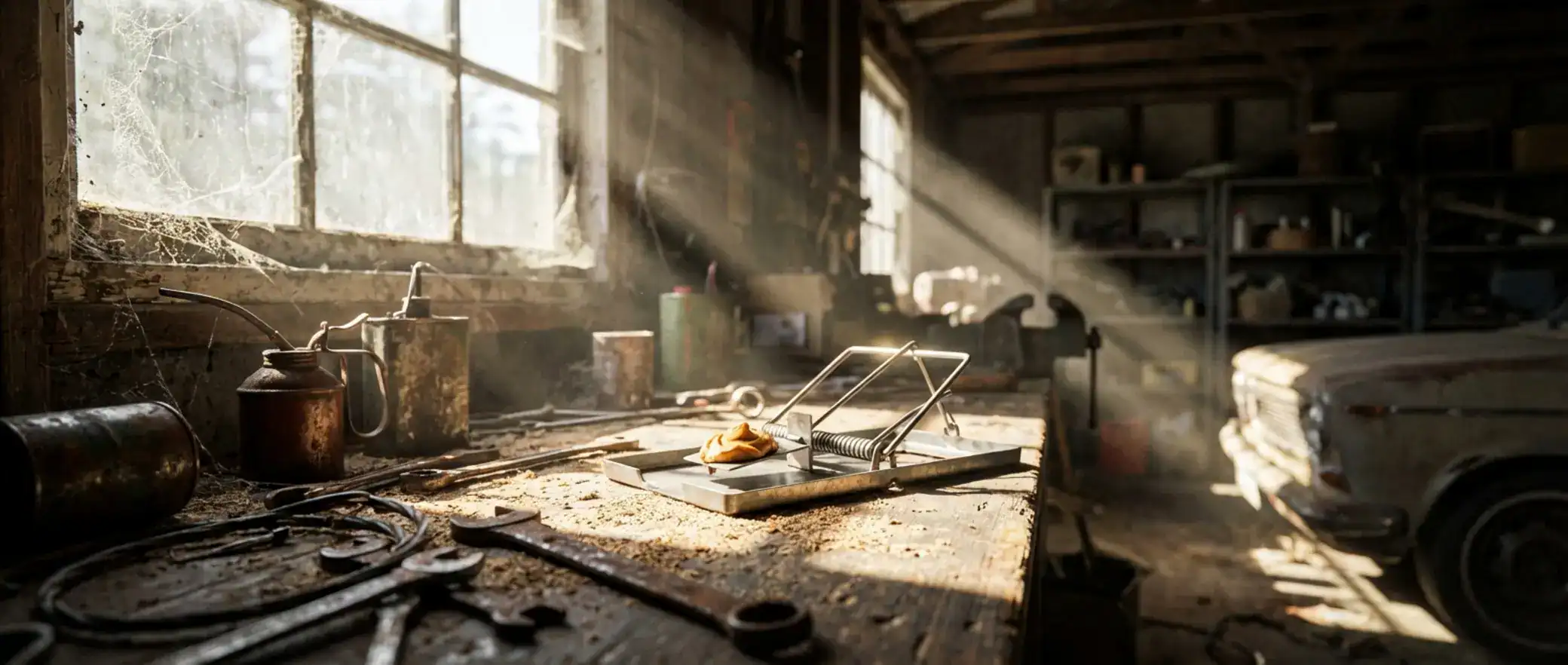
- Switch to Snap Traps: Unlike poison, snap traps keep the mouse in a known location where you can dispose of it before the mouse carcass smell begins.
- Use Smart Traps: New digital rodent control services send an alert to your phone the moment a trap is triggered, allowing for immediate removal.
- Manage Waste: Keep all food in airtight containers and ensure your trash cans have tight-fitting lids. Mice are attracted to the smell of easy food from long distances.
If you have a persistent problem and cannot find the source, the average wildlife removal cost in 2026 is approximately $402. While this is an investment, professional extraction from inside a wall usually averages $375 and includes professional-grade deodorization that is far more effective than DIY methods .
Common Questions About Dead Mouse Smell: How to Locate and Deodorize
How long does a dead mouse smell last in a wall?
A dead mouse will typically smell for 10 to 14 days. However, this duration can be shorter in very dry environments or longer if the area is damp or the mouse is particularly large, like a rat. Once the tissues have completely dried out, the odor will cease.
Will the dead mouse smell go away on its own?
Yes, the smell will eventually fade once the carcass desiccation process is complete. If you cannot reach the mouse, the best strategy is to use high-capacity odor absorbers and wait out the two-week decomposition window.
Why does the dead mouse smell come and go?
This is usually due to changes in air pressure and humidity. When the heater turns on, it warms the air inside the walls, causing the odor molecules to expand and move into the living space. High humidity can also “reactivate” the scent of a partially decayed carcass.
Does turning on the heat make the smell worse?
Yes, heat accelerates the decomposition process. While this makes the smell more intense in the short term, it can actually help the carcass dry out faster, potentially shortening the total number of days the smell lasts.
Can you get sick from just smelling a dead mouse?
It is highly unlikely to get a serious disease like Hantavirus just from the smell itself. However, the odor indicates that aerosolized particles and bacteria are present. Long-term exposure in a poorly ventilated space can cause headaches, nausea, and respiratory irritation.
References & Expert Sources
- EPA Rodenticide Strategy 2024-2026
- CDC Guidelines for Cleaning Rodent Infestations
- National Pest Management Association: House Mouse Guide
- Penn State Extension: Integrated Pest Management for Mice
- Professional Wildlife Removal Cost Guide 2025
- Biochemical Study on Cadaverine and Putrescine in Decomposition
- American Lung Association: The Dangers of Ozone Generators
- OSHA Standards for Rodent Cleanup and PPE
- Humane Society: Managing Dead Wildlife Safely
- EPA Pesticide Registration Notice 2024
Final Thoughts
Dealing with a dead mouse smell is a test of patience and stomach. While the urge to ignore it and wait for it to pass is strong, the health risks associated with decaying biological matter make proactive removal the smarter choice. By using technology like borescopes to locate the source and bio-enzymatic cleaners to neutralize the chemistry of decay, you can restore your home to a fresh, safe state. Remember that if the smell persists for more than two weeks, you may be dealing with multiple carcasses or a larger animal, and consulting a professional wildlife specialist is the next necessary step to ensure your family’s safety.