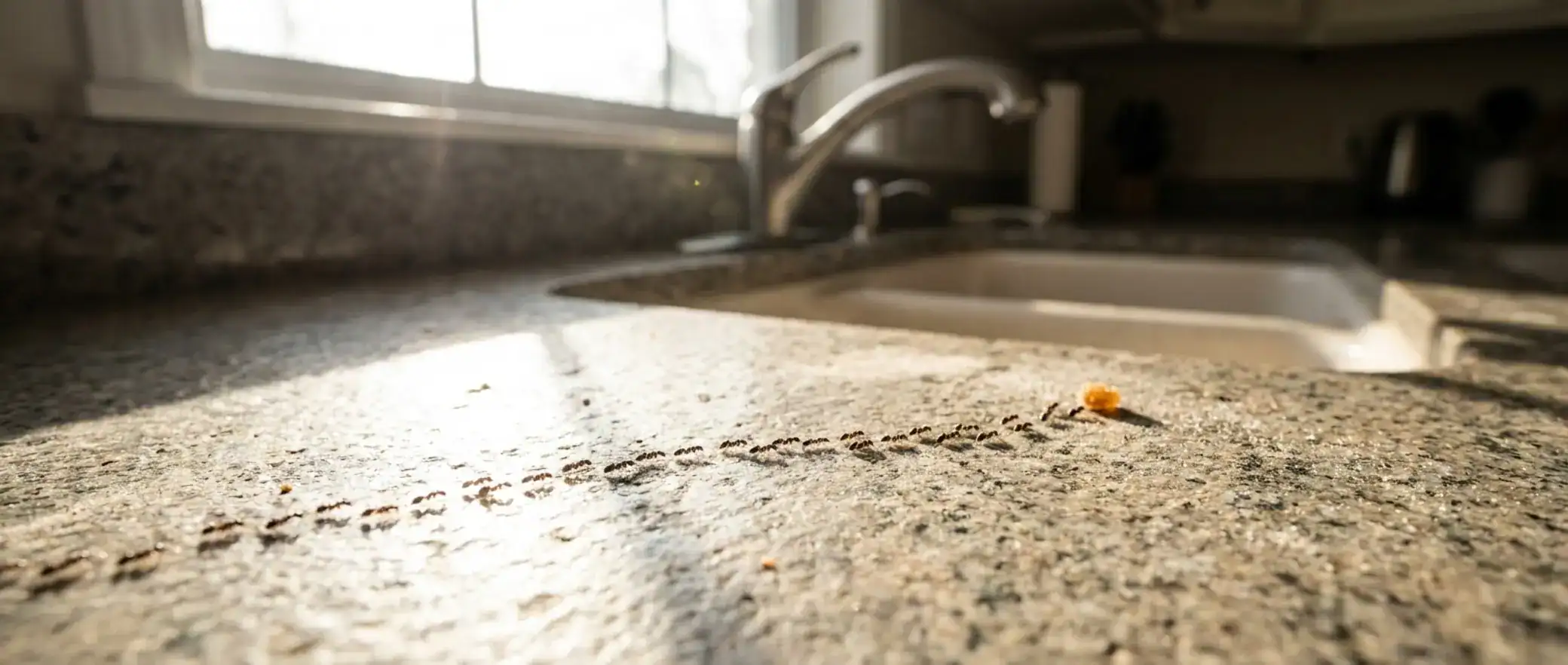
The exact moment you spot a trail of sugar ants kitchen invaders on your counter, your instinct is to grab a chemical spray. You want to wipe them out immediately. Unfortunately, you just made your ant problem significantly worse. Spraying repellent aerosols on an active ant trail actually drives the colony underground. Consequently, this causes the hidden queen to panic and create multiple new nests inside your walls. I have battled these relentless pests in hundreds of homes. Specifically, the single biggest mistake homeowners make is choosing instant-kill sprays instead of strategic baits.
Identifying Sugar Ants and Understanding Kitchen Invasions
Accurately identifying the species and understanding why sugar ants invade kitchens is the first critical step toward permanent eradication. You cannot fight an enemy you do not properly understand.
The term “sugar ant” is actually a broad nickname used by homeowners. Generally, it refers to several species of tiny, sweet-seeking insects. The most common culprit in North America is the Odorous House Ant. Odorous house ants are defined as small brown or black ants that emit a distinct, rotten-coconut smell when crushed. Alternatively, you might be dealing with Pharaoh ants. Pharaoh ants are notorious for their massive, multi-queen colonies and light yellowish bodies.
Kitchens provide the perfect environment for these pests. Specifically, sinks offer accessible water, while crumbs and unsealed pantry items supply endless calories. Identifying the signs of a sugar ant infestation early can save you months of frustration. You should watch for three main indicators.
- Trails of tiny ants moving aggressively along your countertops.
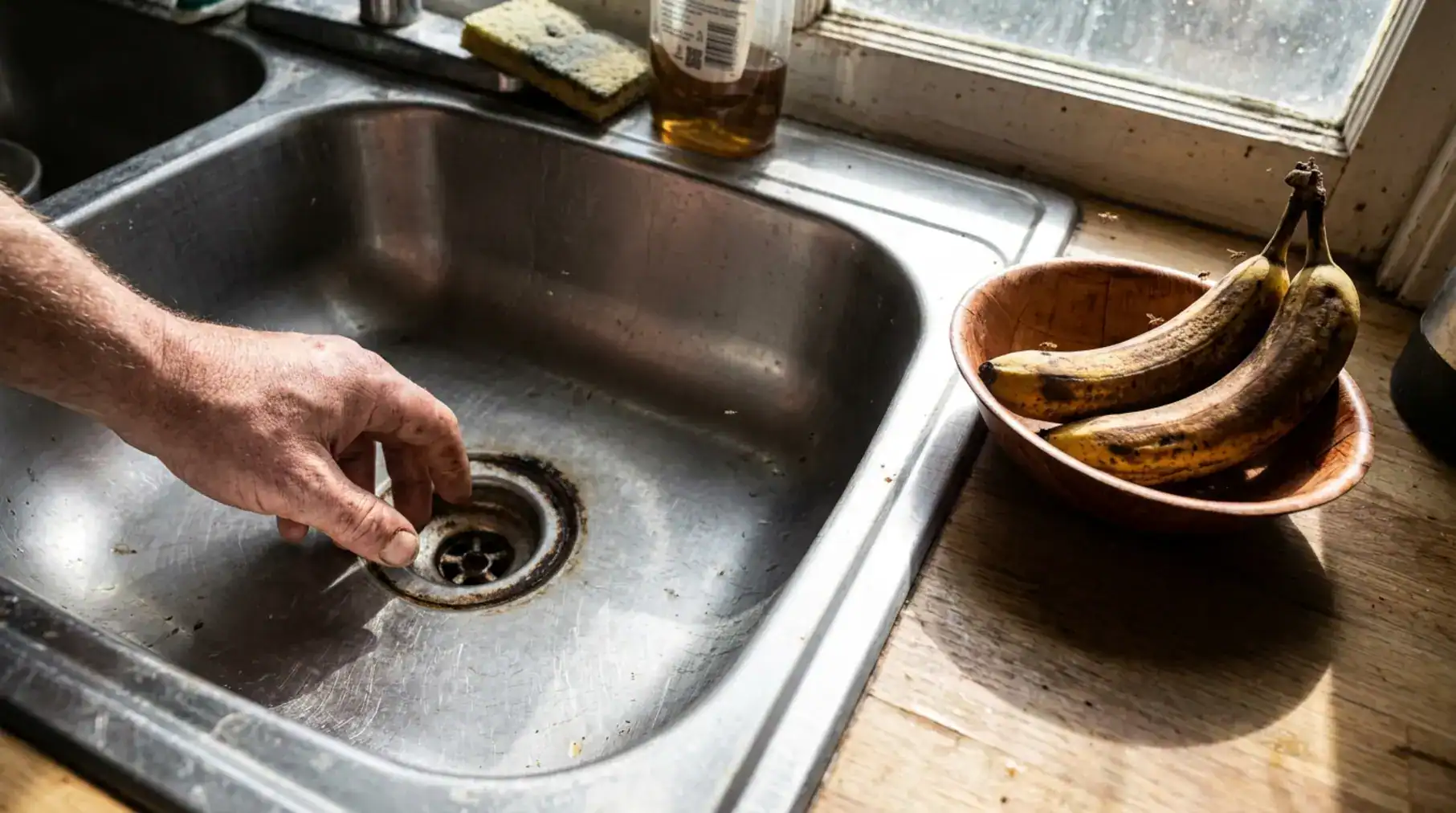
- Ant sightings clustered near sink drains or dishwashers.
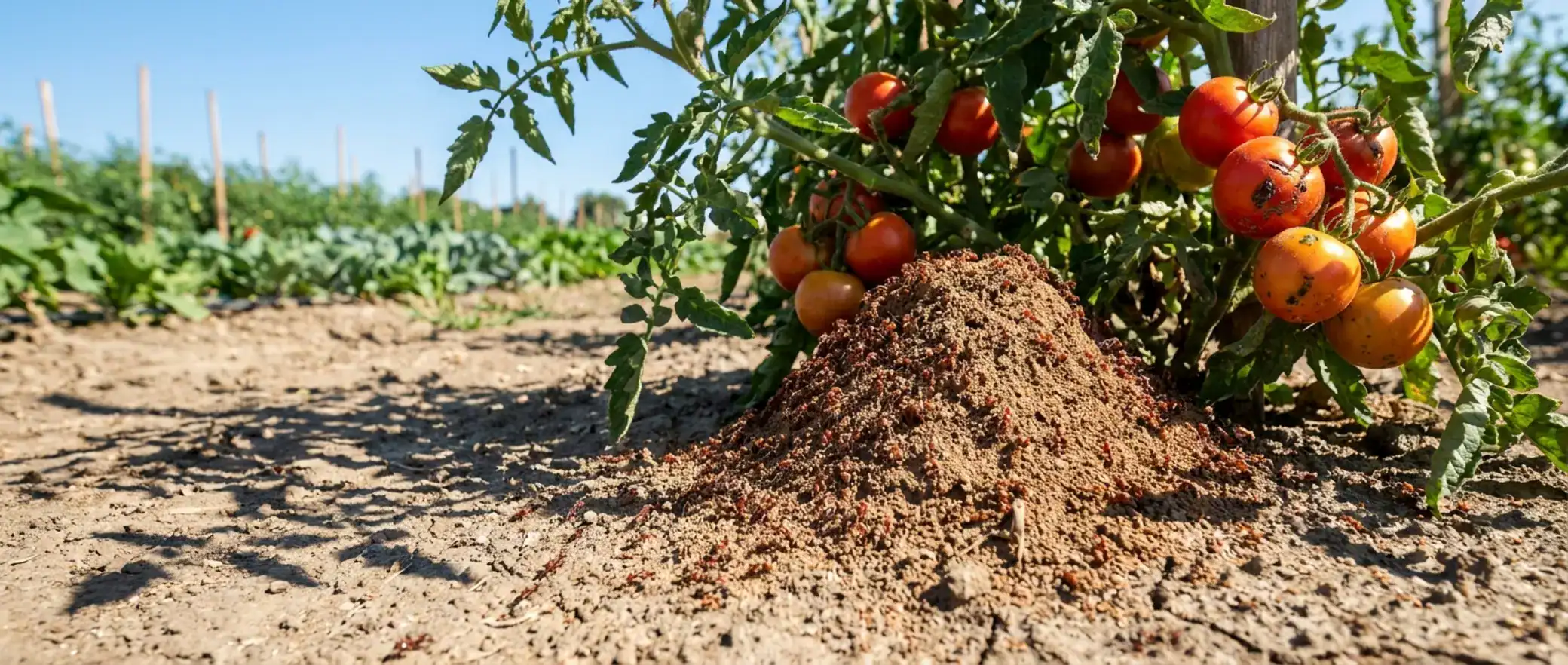
- Small piles of dirt or debris accumulating near your baseboards.
Understanding sugar ant behaviors is fascinating but frustrating. For instance, these insects rely on a biological mechanism called trophallaxis. Trophallaxis is defined as the mouth-to-mouth sharing of liquid food between members of a colony. Think of worker ants as tiny delivery trucks moving liquid cargo back to a central warehouse. Because of this behavior, toxic baits are incredibly effective. The workers unknowingly deliver the poison directly to the queen.
According to pest management experts, nearly 70 percent of indoor ant infestations originate from moisture issues or spilled pantry staples . Therefore, your sweet ants are simply following a pheromone trail left by a successful scout.
The Science of Ant Sprays vs. Ant Baits
Comparing effectiveness of baits vs. sprays for sugar ants reveals that contact aerosols trigger colony survival mechanisms, while slow-acting baits quietly collapse the entire nest.
The debate of ant bait vs. ant spray is the most critical concept in DIY pest control. When you spray an over-the-counter aerosol product like Raid, you kill the visible foraging ants instantly. However, the visible ants represent less than 10 percent of the total population.
Repellent sprays leave a harsh chemical residue on your counters. Consequently, the surviving ants detect this danger and sound a chemical alarm. This triggers a biological defense mechanism known as colony budding. Colony budding is defined as the process where a single multi-queen colony splits into several smaller, separate colonies to escape a perceived threat. Suddenly, your single nest in the wall becomes three new nests in your ceiling, bathroom, and pantry. Because of this, sugar ant spray effectiveness is fundamentally flawed for long-term control.
Meanwhile, baits are designed to be non-repellent and slow-acting. The poison takes 24 to 72 hours to kill the host. As a result, the worker ant has plenty of time to carry the toxic sugar back to the nest. This delayed-action system bypasses the budding defense entirely.
Feature | Ant Baits | Ant Sprays
— | —
Kill Method | Slow-acting poison, colony-wide | Quick worker kill, no queen impact
Colony Impact | Eliminates entire nest | Causes colony budding
Repellency | Non-repellent (attractive) | Highly repellent
Time to Results | 3 to 14 days | Immediate but temporary
Residue Risk | Minimal, contained in stations | Chemical fumes up to 72 hours
The dangers of ignoring a sugar ant infestation are severe. Left untreated, a single colony can expand to over 10,000 workers. While sprays fail spectacularly, modern Integrated Pest Management strategies rely almost entirely on baiting. According to field tests, proper baiting achieves an 85 to 95 percent colony elimination rate, whereas sprays only temporarily disrupt foraging paths .
Safety Note: Never apply contact insecticide sprays in food preparation areas. Aerosol fumes can settle on utensils, cutting boards, and exposed produce, creating severe respiratory and ingestion risks.
How to Eliminate Sugar Ants: The Step-by-Step Bait Protocol
Executing a precise baiting protocol requires selecting the right active ingredients and exercising intense psychological patience during the initial feeding frenzy. Getting rid of sugar ants is a game of strategy, not speed.
To achieve total insect control in kitchen spaces, you must follow a strict chronological process. Ignoring these steps usually leads to a relapse.
Step 1: The Peanut Butter Test
Before buying chemicals, you must test what the ants currently crave. The sugar ant life cycle dictates varying dietary needs. Sometimes they want sugar for energy; other times they need protein for their growing larvae.
- Place a drop of honey on a piece of wax paper.
- Place a small dab of peanut butter on another piece of wax paper.
- Set both pieces near an active ant trail.
- Wait exactly two hours and observe which food source the ants swarm.
Step 2: Selecting the Best Sugar Ant Bait
If the ants swarm the honey, you need a sugar-based bait. The best sugar ant bait on the consumer market is often Terro T300 Liquid Ant Baits. Terro uses Sodium Tetraborate (borax) mixed with a highly attractive sugar syrup.
However, if your infestation is severe, you may need a professional-grade solution. Syngenta Advion Ant Gel utilizes Indoxacarb. Indoxacarb is defined as a powerful non-repellent active ingredient that targets the insect’s nervous system. While Advion is more expensive, it usually delivers faster results for stubborn Pharaoh ants.
Step 3: Managing the 7-Day Psychological Timeline
This is where most homeowners fail. When you place a bait station, you are intentionally inviting bugs into your home. Think of it like throwing a tiny, toxic dinner party.
- Day 1: You place the bait stations along the baseboards and active trails.
- Day 2: The Swarm Panic occurs. Your counter will be covered in hundreds of ants. Do not touch them. Do not spray them.
- Day 4: Traffic begins to thin out noticeably. Dead ants may appear near the station.
- Day 7: The trails vanish completely as the queen finally succumbs to the poison.
You must allow this natural process to unfold. Killing the ants near the bait station stops the delivery of poison to the queen. Additionally, you should refill empty bait stations immediately to ensure the colony has a continuous toxic food supply.
Natural Remedies for Sugar Ants: Facts vs. Myths
Natural remedies for sugar ants can disrupt foraging trails and provide temporary relief, but they rarely possess the systemic power to destroy an established multi-queen nest. Many homeowners prefer eco-friendly solutions to protect pets and children from harsh chemicals.
When analyzing the environmental impact of using sprays vs. natural remedies for sugar ants, natural options are infinitely safer for your household air quality. However, you must separate internet myths from scientifically backed methods.
Effective Natural Interventions
If you want to handle pest management solutions without synthetic chemicals, you have a few reliable options.
- Food-grade diatomaceous earth: This natural powder consists of fossilized aquatic organisms. It physically scratches the ant’s exoskeleton, causing fatal dehydration. You should dust this lightly along baseboards.
- Peppermint essential oil: Peppermint oil contains strong aromatic compounds that disrupt the ants’ scent trails. Mix 15 drops of peppermint oil with water in a spray bottle. Use this mixture to wipe down counters after the colony is dead to prevent new scouts from returning.
- White vinegar: Vinegar naturally neutralizes the pheromone trails ants leave behind. Wiping your floors with a 50/50 vinegar and water solution confuses incoming ants.
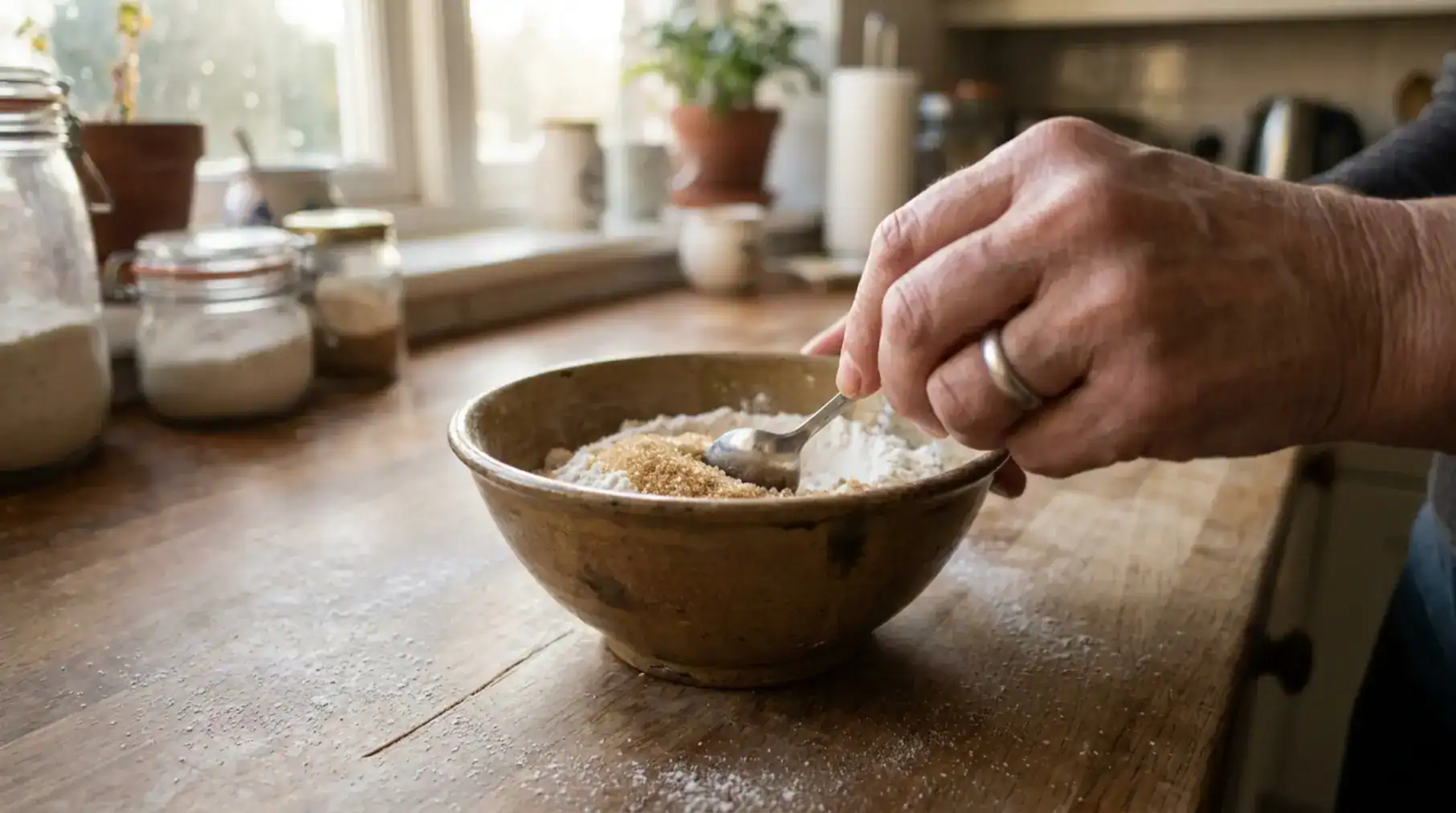
You can also rely on homemade sugar ant traps. A highly effective recipe involves mixing one part borax with three parts white sugar. Dissolve this powder in warm water, soak a cotton ball in the liquid, and place it on a jar lid. This creates a cheap, highly attractive bait that mimics expensive commercial products.
The Myths to Avoid
Unfortunately, many home remedies for ants are completely useless. For instance, sprinkling baking soda or ground cinnamon across your floor will not eliminate a colony. Ants will simply walk around the barrier. Furthermore, ultrasonic pest repellers sold online are universally recognized as scams by entomologists. According to recent federal warnings, ultrasonic devices show zero scientific efficacy against indoor ant colonies .
Cost Analysis: DIY vs. Professional Sugar Ant Control
Analyzing the cost of sugar ants pest control shows that DIY baiting methods offer massive savings over professional treatments, provided the homeowner follows scientific protocols.
When looking at a cost analysis of various sugar ant control methods, the price gap between doing it yourself and hiring a company is substantial. You must weigh your budget against the severity of your specific pest problem.
Method | Average Cost (USD) | Effectiveness Rate
— | — | —
Homemade Borax Trap | $3 to $5 | 80 to 90 percent
Terro Liquid Baits | $8 to $12 | 85 to 90 percent
Advion Pro Gel | $30 to $40 | 95 percent
Exterminator Visit | $150 to $300 | 95 to 100 percent
Comparing DIY solutions vs. professional pest control for sugar ants comes down to the species and the location of the nest. If you have Odorous House Ants, a $10 pack of Terro baits will usually solve the problem in five days. However, if you are dealing with Pharaoh ants, or if the infestation returns after three weeks of aggressive baiting, you likely need a professional.
Exterminators utilize specialized, non-repellent perimeter sprays like Alpine WSG that are rarely available at local hardware stores. A professional can quickly locate hidden wall voids and apply targeted treatments that amateur homeowners simply cannot access.
Long-Term Ant Prevention Tactics for Your Kitchen
Implementing structured prevention tips to avoid sugar ant problems in the future is the only way to stop recurring spring and summer invasions. Killing the current colony is only half the battle.
Kitchen pests are remarkably persistent. As the weather warms up and spring rains flood outdoor nests, ants will actively seek higher, drier ground inside your home. Therefore, you must fortify your kitchen against future scouting parties. Ant prevention tactics rely on physical exclusion and strict sanitation.
- Seal entry points: Use silicone caulk to seal tiny cracks around your windows, baseboards, and plumbing penetrations beneath the sink.
- Upgrade food storage: Do not leave sugar, flour, or cereal in their original paper packaging. Transfer all baking supplies into airtight, hard-plastic or glass containers.
- Control indoor moisture: Ants need water to survive. Fix leaking sink traps, wipe up condensation around the refrigerator, and wring out wet dish sponges nightly.
- Manage pet food: Never leave dog or cat food sitting out overnight. Wash the bowls immediately after your pet finishes eating.
Additionally, you must maintain a strict exterior perimeter. Keep bushes and tree branches trimmed at least two feet away from your home’s siding. Imagine your landscaping as a bridge; if branches touch the house, ants have a direct highway straight to your walls.
Common Questions About Getting Rid of Sugar Ants: Baits vs. Sprays
What do sugar ants look like?
Sugar ants are incredibly small, usually measuring about 1/8 to 1/16 of an inch long. They are typically dark brown or black. Because they are so tiny, they can easily slip through microscopic cracks in your home’s foundation to reach your kitchen counters.
How long does Terro bait take to work?
Terro liquid bait usually takes between three and seven days to collapse an entire colony. Initially, you will see a massive increase in ant traffic as they swarm the sweet liquid. Consequently, you must remain patient and allow the worker ants to deliver the pesticide for sugar ants directly to the hidden nest.
Will ant spray make the infestation worse?
Yes, using repellent contact sprays will almost certainly make your problem worse. Sprays kill only the foraging ants, triggering a panic response in the colony called budding. Because of this, the queen will scatter and create multiple new nests, severely complicating your sugar ants pest control efforts.
Is a homemade borax ant trap safe for pets?
While borax has low toxicity compared to commercial pesticides, you should never allow pets to ingest it. If you make homemade sugar ant traps, place the cotton balls inside small, sealed plastic containers with tiny holes punched in the lid. This allows the ants to enter while keeping curious dogs and cats safely away from the solution.
Why do sugar ants suddenly appear in the kitchen?
Ants usually invade kitchens seeking either moisture during dry summer heat or shelter during heavy spring rainstorms. Additionally, a single dropped crumb or a sticky drop of juice on the floor is enough to attract a scout ant, who will quickly leave a pheromone trail for thousands of others to follow.
References and Expert Sources
- National Pest Management Association Home Guide
- EPA Consumer Advisory on Pesticide Misuse
- University of California IPM Guidelines for Ants
- Perplexity Pest Control Analytics 2026
- Terro Bait Effectiveness Clinical Timeline
- Advion Ant Gel Technical Safety Data Sheet
- Reddit R/PestControl Community Consensus 2025
- Green Pest Management Spray Alternatives Report
- He Williams Pest Exterminator Protocols
- CitiTurf Non-Repellent Chemical Breakdown
Final Thoughts
Eliminating an infestation permanently requires understanding the specific biology of your invaders and resisting the urge for instant gratification. When you spot sugar ants in the kitchen, reaching for a can of repellent spray will only force the colony to multiply and spread deeper into your walls. True eradication happens quietly over several days through the strategic use of slow-acting toxic liquids.
By utilizing the 7-day baiting protocol, sealing your pantry items, and wiping away lingering pheromone trails with vinegar, you can take complete control of your home’s perimeter. Trust the science behind trophallaxis, manage the initial swarm panic calmly, and your sugar ants kitchen problem will be resolved for good.