You’re in the middle of a pest crisis, turning your home into a battlefield, and you’ve narrowed your weapons down to two silica dusts. The decision you make in this Cimexa vs Diatomaceous Earth showdown could be the difference between a swift victory and a long, frustrating war. This guide will dissect the science, the data, and the real-world results to give you the tactical advantage you need.
Which is better, CimeXa or Diatomaceous Earth?
For serious indoor pests like bed bugs, CimeXa is unequivocally better than Diatomaceous Earth. CimeXa is an engineered amorphous silica dust that kills faster, works at lower application rates, remains effective for up to 10 years, and is proven to kill even pesticide-resistant strains. DE is slower and often ineffective in real-world infestations.
Quick Comparison: CimeXa vs. Diatomaceous Earth
Before we explore the granular details, here is a top-level look at how these two pest control powders stack up against each other. This table provides a clear snapshot of the key differences that matter most when you’re dealing with an infestation.
| Feature | CimeXa Insecticide Dust | Diatomaceous Earth (DE) |
| Primary Component | 100% Amorphous Silica Gel | Fossilized Diatoms (Primarily Crystalline Silica) |
| Mechanism of Action | Absorbs the insect’s waxy cuticle, causing rapid dehydration. | Abrasive particles scratch the exoskeleton, leading to slow dehydration. |
| Kill Speed (Bed Bugs) | High mortality within 24-48 hours. | Can take 7-14 days or longer; often ineffective. |
| Effectiveness vs. Resistant Pests | Extremely High. Kills pyrethroid-resistant bed bugs effectively. | Very Low. Field studies show it fails against resistant bed bug populations. |
| Longevity | Up to 10 years if left undisturbed. | Indefinite, but easily rendered useless by moisture. |
| Inhalation Risk | Moderate risk (Amorphous Silica); wear a mask during application. | High risk (Crystalline Silica); linked to silicosis with long-term exposure. |
| Application Rate | Low (approx. 2 oz per 100 sq ft). | High; requires a heavier application. |
| Repellent? | No. Pests unknowingly cross it. | Yes. Bed bugs can detect and avoid it, scattering the infestation. |
| Best Use Case | Indoor treatment of bed bugs, spiders, fleas, roaches, and ants. | Outdoor garden use, chicken coops, and some crawling insects in dry areas. |
What is Diatomaceous Earth? The “Natural” Contender
Diatomaceous Earth (DE) is an off-white powder made from the fossilized remains of tiny aquatic organisms called diatoms. For millions of years, these algae-like creatures built shells for themselves out of silica. When they died, their shells sank and accumulated in sediment. Today, this sediment is mined and ground into the fine powder known as DE.
The appeal of DE is rooted in its “natural” origin. It’s often marketed as one of the best natural pest control options and a safe alternative to chemical sprays. However, its effectiveness and safety are far more complicated than marketing materials suggest.
How Diatomaceous Earth Works (or Tries To)
The principle behind DE is physical, not chemical. Under a microscope, the particles of this fossilized algae dust look like shards of glass. When a crawling insect like an ant or a cockroach moves through DE, these sharp edges are supposed to scratch and cut its waxy outer exoskeleton. This damage allows moisture to escape from the insect’s body, eventually leading to death by dehydration.
There are several types of DE, and knowing the difference is critical:
- Food-Grade Diatomaceous Earth: This is the type most commonly sold for pest control and as a dietary supplement. It is purified and contains very low levels of crystalline silica (typically less than 1%). While safe to ingest, the Diatomaceous Earth safety profile changes dramatically when it’s inhaled.
- Filter-Grade (Pool-Grade) DE: This type is heat-treated and contains a very high concentration of crystalline silica (up to 60-70%). It is highly toxic if inhaled and should NEVER be used for pest control.
While the mechanical action sounds foolproof, its real-world performance is often disappointing, especially against resilient pests like bed bugs.
What is CimeXa? The Engineered Champion
CimeXa Insecticide Dust, manufactured by Rockwell Labs Ltd, is not a natural product in the same way as DE. It is a highly refined, engineered product composed of 100% amorphous silica gel. Think of it as the next generation of silica dust, specifically designed for maximum pest-killing power.
Unlike the jagged, mined particles of DE, CimeXa powder is formulated to be extremely light and porous. This structure gives it an incredible capacity to absorb liquids-a property that makes it a lethal desiccant.
How CimeXa Delivers a Knockout Blow
CimeXa’s mode of action is also physical, but it’s far more efficient than DE’s. Instead of relying on sharp edges to cut the exoskeleton, CimeXa acts like a super-sponge. The waxy outer layer of an insect’s cuticle is essential for preventing water loss. When a pest comes into contact with CimeXa’s particles, the dust rapidly absorbs this protective layer of oils and waxes.
This process strips the insect of its waterproofing, leading to swift and irreversible dehydration. Because this is a mechanical process, insects cannot develop a chemical resistance to it, making it one of the most reliable pesticide alternatives on the market. Furthermore, CimeXa is non-repellent, meaning pests like bed bugs will crawl right through it without detecting the danger, ensuring its effectiveness.
Effectiveness Comparison: The Data Doesn’t Lie
When you’re choosing between pest control powders, effectiveness is the only metric that truly matters. Here, the scientific data and field studies reveal a clear winner. The Cimexa pest control effectiveness consistently outperforms DE, particularly in the critical battle against bed bugs.
The Bed Bug Battleground
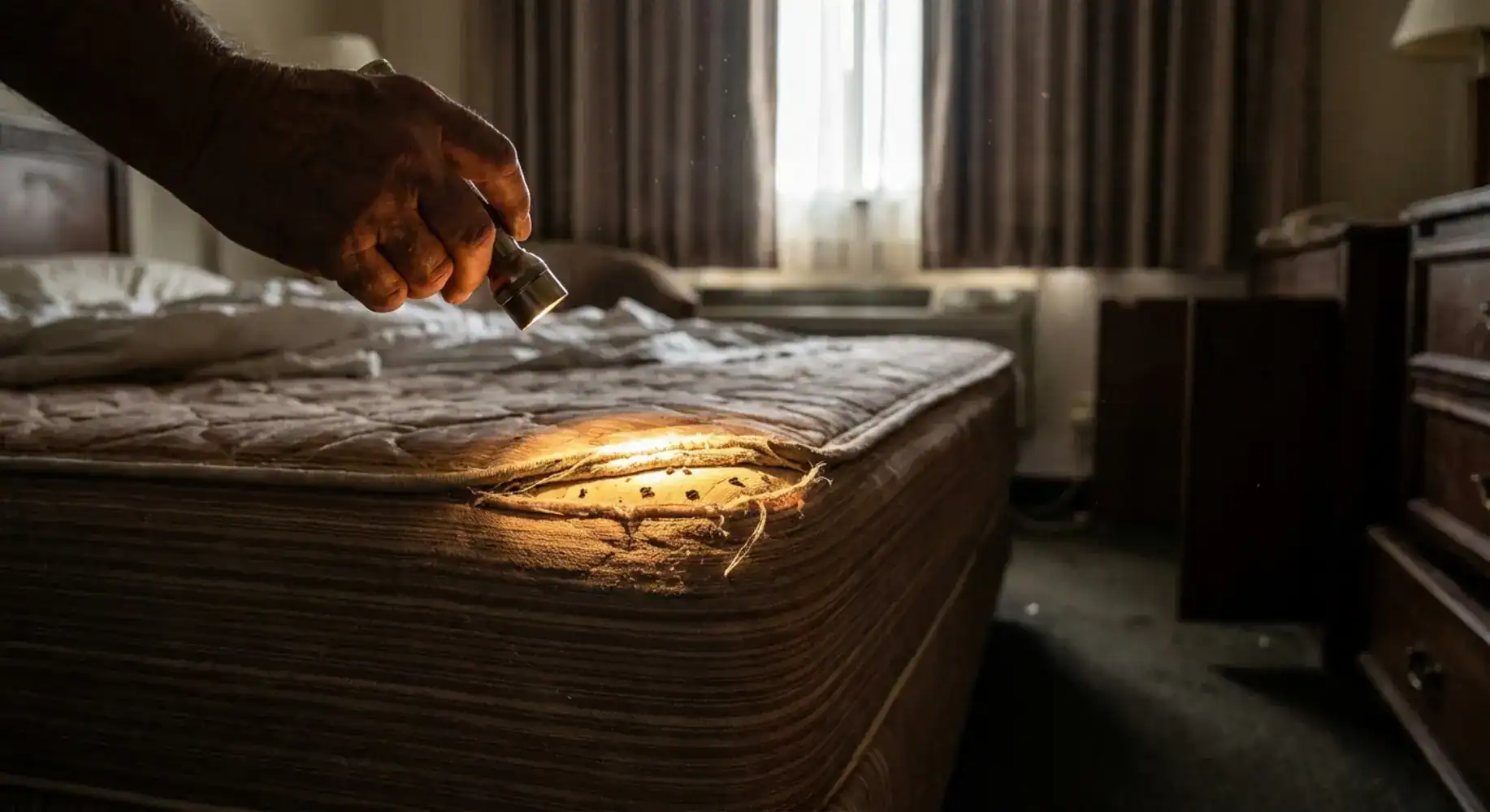
Bed bugs are notoriously difficult to eradicate. They hide in tiny cracks, reproduce quickly, and have developed resistance to many common chemical insecticides (pyrethroids). This is where the comparison of Cimexa and Diatomaceous Earth becomes most stark.
A landmark 2016 study published by the National Center for Biotechnology Information tested various dust insecticides against bed bug populations. The results were telling:
- In a field trial conducted in apartments, treatments using only DE-based products failed in 5 out of 6 apartments (an 83% failure rate). In fact, the bed bug count increased by an average of 1% in these locations.
- In contrast, lab tests showed that CimeXa achieved 95-100% mortality in bed bugs after just brief exposure to a one-inch barrier of the dust.
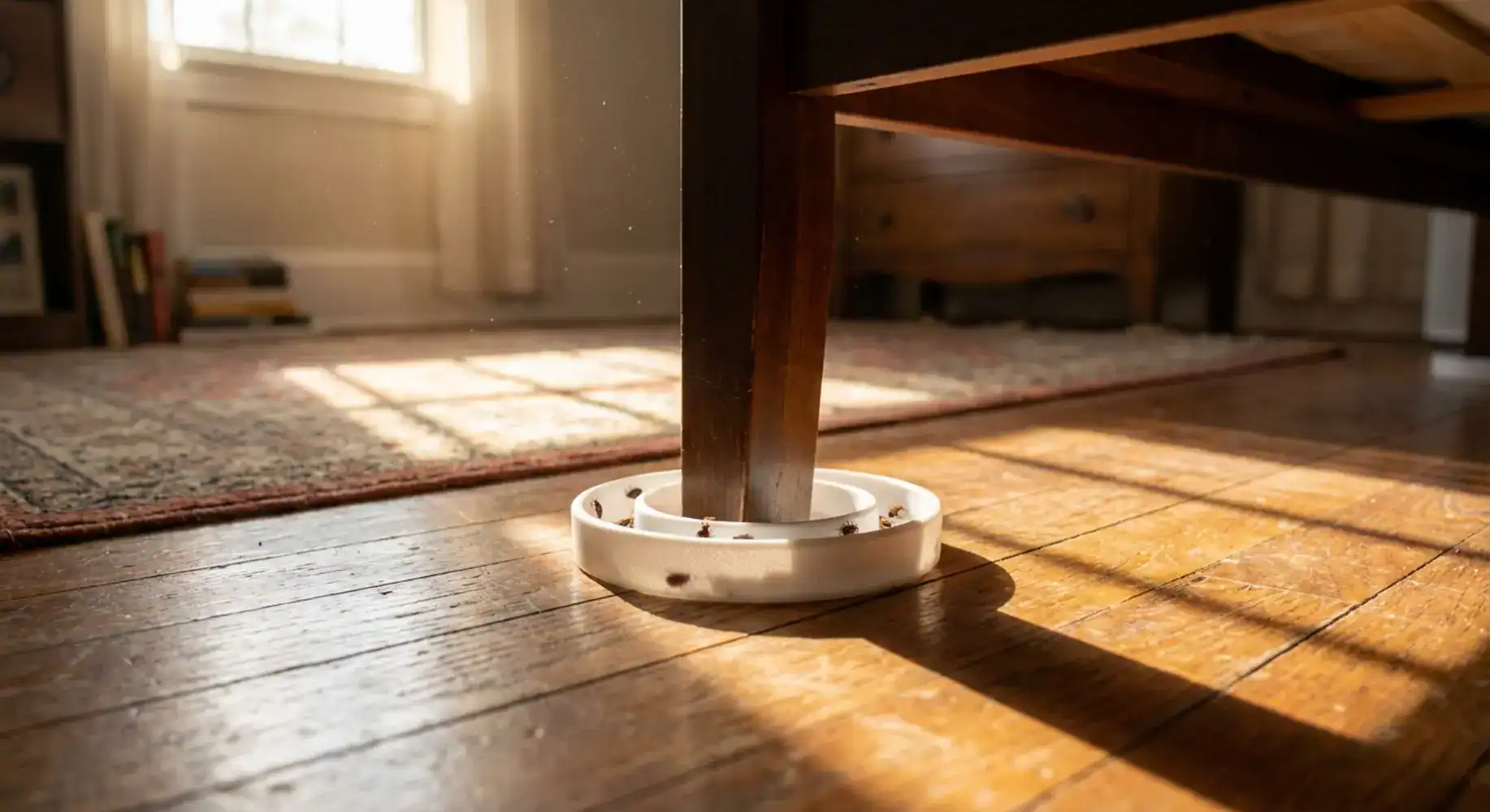
The reason for this dramatic difference is twofold. First, DE is extremely slow-acting. While it might eventually kill a bed bug after 14 days of continuous exposure, that’s more than enough time for the bug to continue feeding, breeding, and laying eggs. Second, bed bugs have been shown to detect and avoid DE dust, which can cause them to scatter and spread the infestation to other parts of your home. CimeXa’s non-repellent nature means they walk right into their demise.
Against Other Common Pests
While the bed bug scenario is the most dramatic, CimeXa’s superiority extends to other crawling pests.
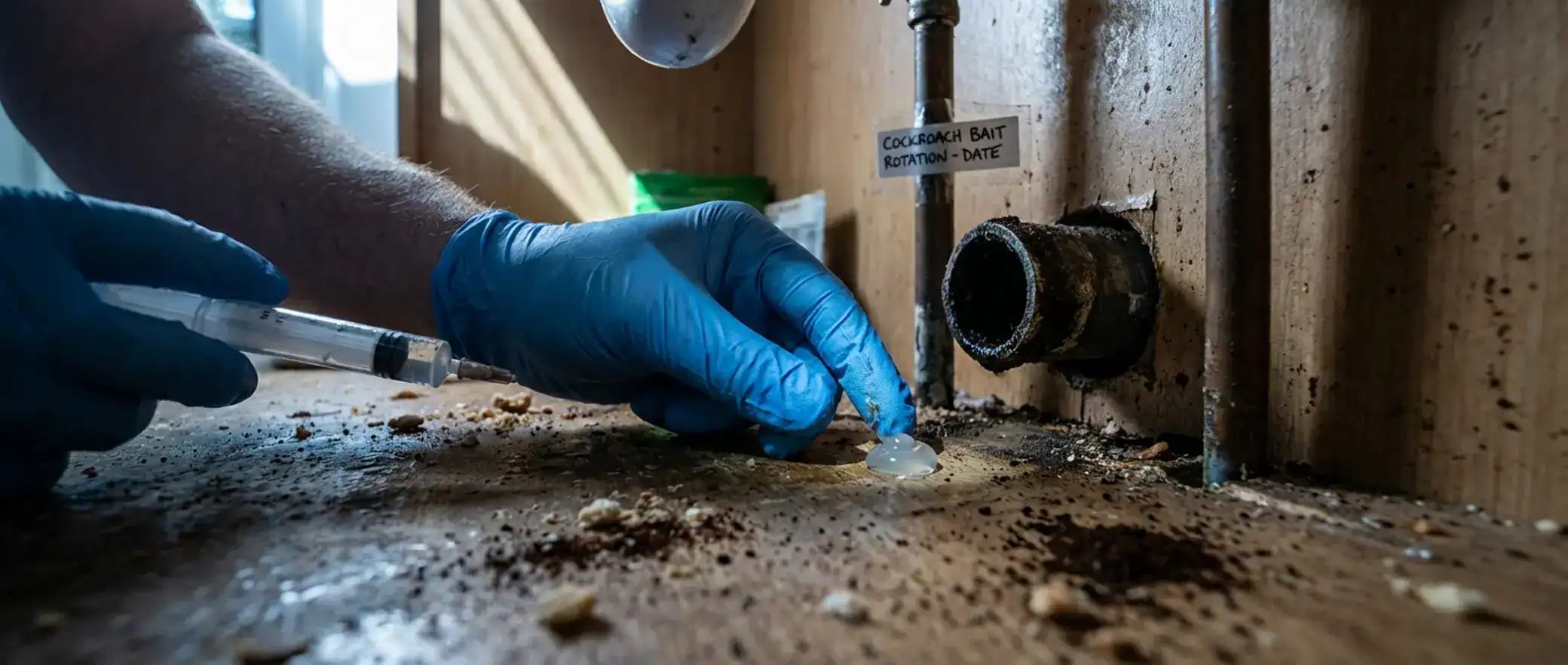
- Roaches, Ants, and Silverfish: Both dusts can be effective against these pests. However, CimeXa’s rapid dehydration action provides a faster kill, and its non-clumping formula works better in the voids and crevices where these pests hide.
- Fleas: CimeXa is highly effective against fleas in carpets and pet bedding (when pets are removed). Its fine particles provide better coverage and cling to flea larvae and adults.
- Spiders and Earwigs: Applying CimeXa powder into cracks, crevices, and wall voids creates a long-lasting barrier that kills these pests on contact.
The verdict is clear: While DE has some use of Diatomaceous Earth for insects in less demanding situations (like a garden), for any serious indoor infestation, CimeXa is the far more reliable and effective tool.
Safety and Health Considerations: Deconstructing the “Natural” Myth
One of the biggest misconceptions in the chemical vs natural pest control debate is that “natural” automatically means “safe.” When it comes to silica dusts, this is a dangerous assumption. Both CimeXa and DE pose significant health risks if handled improperly, specifically related to inhalation.
The Critical Difference: Amorphous vs. Crystalline Silica
The primary health concern with any silica dust is silicosis, a serious and incurable lung disease caused by inhaling fine particles of crystalline silica. This is the most important factor in the Diatomaceous Earth safety discussion.
- Diatomaceous Earth is primarily composed of crystalline silica. While food-grade DE has low levels, it is not zero. The jagged, crystalline structure that makes it abrasive to insects is also what makes it damaging to lung tissue over time.
- CimeXa is made of amorphous silica. This means its particles lack a defined crystalline structure. Amorphous silica is considered much less of a long-term health hazard and is not associated with silicosis.
Despite this key difference, it’s crucial to understand that inhaling any fine dust is bad for your lungs. Therefore, proper personal protective equipment (PPE) is non-negotiable when applying either product.
Pet Safety
Many users ask, “Can Diatomaceous Earth harm pets?” The answer is yes, through inhalation. If a pet inhales a significant amount of DE dust, it can cause respiratory irritation. The same applies to CimeXa. When applying these dusts, pets should be kept out of the area until the dust has settled completely. The product should be applied as a very fine layer in cracks, crevices, and voids-areas where pets are unlikely to have direct, prolonged contact.
Application Methods: A Tale of Two Dusts
Proper application is the key to maximizing effectiveness and ensuring safety. Applying too much product is one of the most common mistakes when using Diatomaceous Earth or Cimexa. A thick, visible pile of dust will simply be avoided by pests. The goal is a fine, barely visible layer that insects will unknowingly cross.
Essential Tools
To achieve this, you need a duster. Do not simply squeeze the bottle or shake it out.
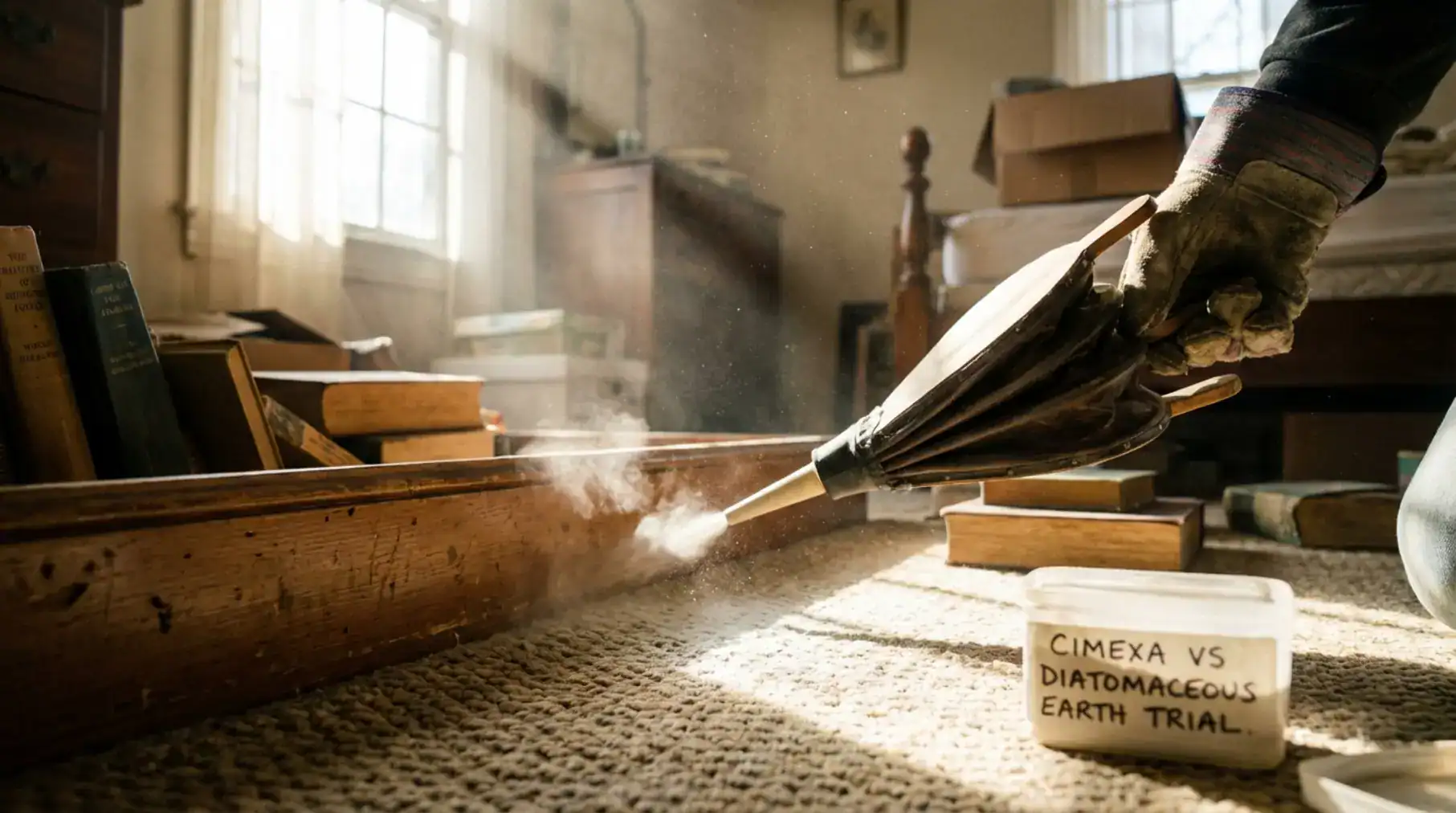
- Bellows Duster: This is the best tool for the job. It allows you to puff a very fine, controlled cloud of dust into cracks, crevices, wall voids, and under appliances.
- Bulb Duster: A smaller, more budget-friendly option suitable for smaller jobs.
How to Use Diatomaceous Earth and CimeXa
The Cimexa application guide and the method for DE are similar, but CimeXa’s properties make it easier to work with.
- Safety First: Put on a high-quality dust mask (N95-rated is recommended) and safety goggles.
- Fill the Duster: Fill your bellows or bulb duster no more than halfway full. This allows for proper air mixing to create a fine cloud. Add a small coin or ball bearing to help break up clumps.
- Apply a Fine Layer: The key is to apply the dust where pests travel and hide.
- Along baseboards.
- Inside electrical outlets and switch plates (turn off power first!).
- In cracks and crevices in furniture, especially around bed frames for Cimexa for bed bugs.
- Underneath and behind appliances.
- In wall voids through small holes.
- Avoid Moisture (Especially for DE): Diatomaceous Earth clumps and becomes completely useless when wet. Because of this, you must apply it in dry areas. CimeXa is more forgiving of humidity but should also be applied to dry surfaces for best results.
- Clean Up: Once the infestation is gone, you can vacuum up excess dust. Use a vacuum with a HEPA filter to avoid blowing fine particles back into the air.
Cost Analysis: The True Price of Pest Control
When budgeting for pest control, it’s easy to fall into the trap of looking only at the upfront price tag. Diatomaceous Earth appears cheaper on the shelf, with a large bag often costing less than a small bottle of CimeXa. However, a true cost analysis reveals a different story.
- Upfront Cost: A 4 oz bottle of CimeXa typically costs between $20-$30. A 4 oz container of an insecticidal DE brand might cost $10-$15, while a multi-pound bag of food-grade DE can be found for under $30.
- Application Rate: Here’s where the value proposition shifts. The label rate for CimeXa is a very low 2 ounces per 100 square feet. DE requires a much heavier application to achieve even minimal effect. You will use significantly less CimeXa to treat the same area.
- Long-Term Value: CimeXa’s effectiveness can last up to 10 years if undisturbed. This long residual effect means you apply it once and have lasting protection. Because DE is often ineffective and requires re-application (especially if it gets damp), the long-term cost in both money and effort can quickly exceed that of CimeXa.
The verdict on cost is simple: While DE is cheaper per ounce, CimeXa is far more cost-effective. Its superior efficacy means you solve the problem faster, use less product, and avoid the potential costs of a worsening infestation that ultimately requires professional intervention.
Common Questions About Diatomaceous Earth vs. CimeXa: Silica Dust Showdown
Is CimeXa better than diatomaceous earth for bed bugs?
Yes, CimeXa is vastly superior to DE for bed bugs. Scientific studies and field data show that CimeXa kills bed bugs-including pesticide-resistant strains-quickly and reliably. In contrast, DE is extremely slow-acting and has been proven ineffective in many real-world bed bug infestations, as the pests can detect and avoid it.
What are the health risks of using CimeXa?
The primary health risk of CimeXa is lung irritation from inhaling the fine dust during application. It is made of amorphous silica, which is not linked to silicosis, a serious lung disease associated with crystalline silica. Always wear an N95-rated dust mask when applying CimeXa to minimize any silica dust health risks.
How long does CimeXa remain effective?
CimeXa can remain effective for up to 10 years when applied to an undisturbed, dry area. Its chemical structure is very stable, and because it works through a physical mode of action (dehydration), it does not break down over time like chemical pesticides. This makes it an excellent long-term preventative treatment.
Can you use Diatomaceous Earth indoors?
Yes, you can use food-grade Diatomaceous Earth indoors, but with significant precautions and limited effectiveness. It must be applied as a very fine dust, and you must wear respiratory protection. Because it is easily rendered ineffective by moisture and humidity, its use is best limited to very dry areas. For serious indoor pests like bed bugs or roaches, CimeXa is a much better choice.
Is CimeXa considered a natural product?
No, CimeXa is not considered a natural product in the same way as DE. While its active ingredient is silica, it is an engineered and highly purified silica gel. DE is a mined product. CimeXa is a synthetic insecticide, but it works by a physical, non-chemical mode of action.
References & Expert Sources
- CimeXa Dust vs Diatomaceous Earth – DoMyOwn
- Controlling Bed Bugs with CimeXa® Insecticide Dust – Rockwell Labs Ltd
- Laboratory and Field Evaluations of Insecticide Dusts for Bed Bug (Hemiptera: Cimicidae) Control – National Center for Biotechnology Information (PMC)
- New Dust Insecticide Shows Promise for Bed Bugs – Insects in the City, Texas A&M AgriLife Extension
- Cimexa Vs Diatomaceous Earth Bed Bug Killer – Which Kills Faster – Pest Pro Tips (YouTube)
- CimeXa vs Heat Treatment vs Diatomaceous Earth – Bed Bug BBQ
- Which Bedbug Powder Works Best? DIATOMACEOUS EARTH VS CIME X A – Green Akers Pest Control LLC (YouTube)
Final Thoughts
In the silica dust showdown of Cimexa vs Diatomaceous Earth, the evidence points to a decisive victory. While Diatomaceous Earth holds a certain appeal as a “natural” product with niche applications in gardens and chicken coops, it falls short where it matters most: effectively and reliably eliminating serious indoor pests. Its slow action, repellent nature, and proven failure against resistant bed bugs make it a risky choice for a desperate homeowner.
CimeXa, on the other hand, stands as a testament to modern pest control science. It is a purpose-built weapon that leverages a physical mode of action to deliver fast, reliable, and long-lasting results against the toughest pests. Its non-repellent quality and proven lethality against resistant strains make it the clear professional and DIY choice for tackling infestations head-on. If your home has become a battleground, CimeXa is the superior tactical tool for reclaiming your peace of mind.