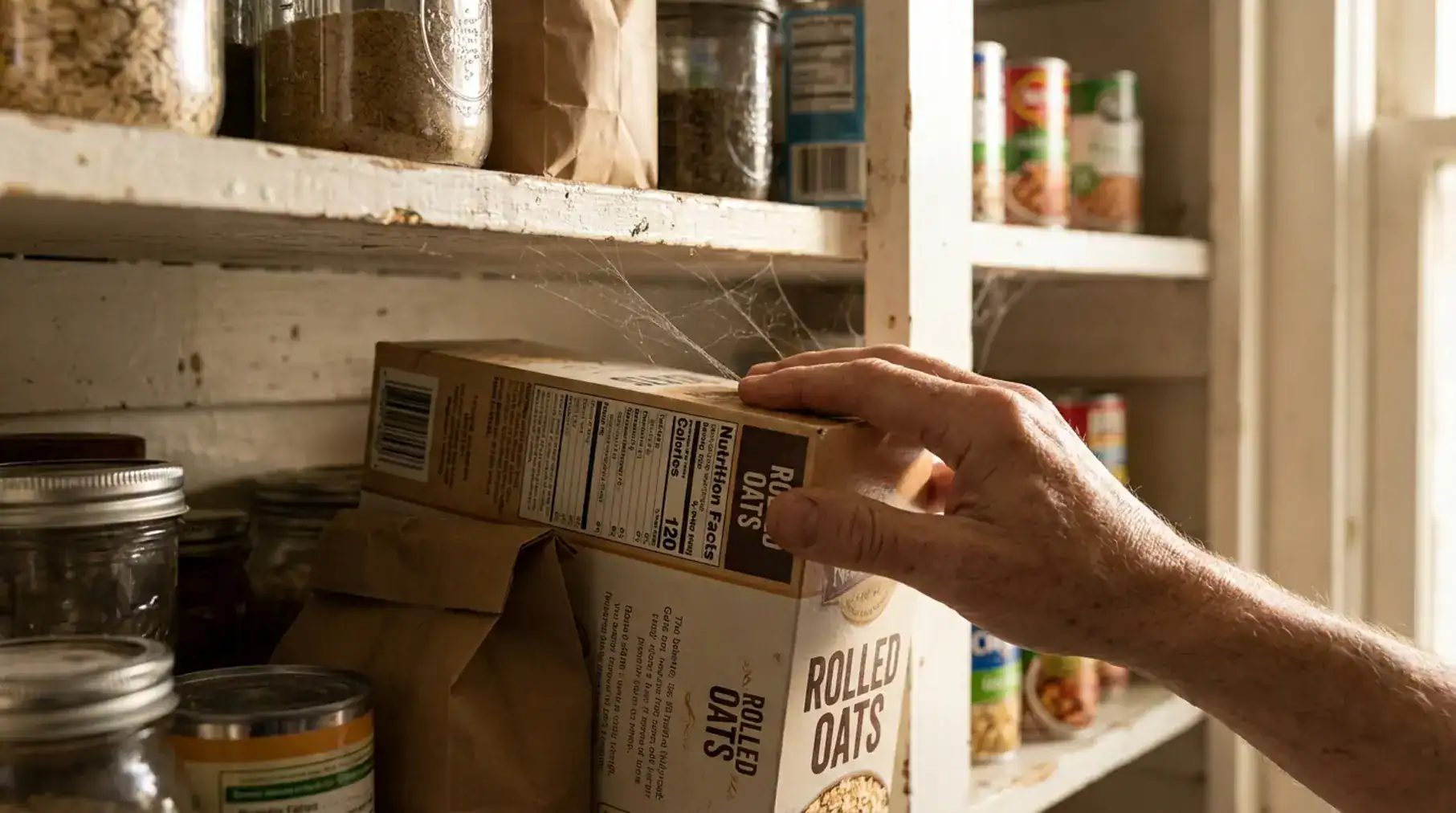
You open a fresh box of cereal and spot tiny webs fluttering inside. Panic sets in as you realize your sanctuary is under siege. Knowing exactly how to clean pantry shelves effectively is the only way to reclaim your kitchen from these invasive insects. It is a stressful moment, but you are absolutely not alone in this battle.
Identifying the Enemy – Pantry Pests Defined
Understanding the exact species invading your food supply dictates the specific eradication methods you must use. Different bugs require completely different removal strategies to ensure total kitchen pest removal.
Pantry pest is defined as any insect that infests stored dried foods, typically brought into the home through contaminated grocery packaging. Recognizing these intruders early stops the breeding cycle. Indian meal moths leave visible silken threads and webbing inside flour bags. Because of this, they are incredibly easy to spot once they hatch. Rice weevils, in contrast, are hard-shelled beetles with distinct snouts. They bore microscopic holes directly into whole grains to lay their eggs. Consequently, you will often find sawdust-like excrement, known as frass, at the bottom of infested containers.
Managing pantry pests starts with accurate identification. According to industry experts, confusing a moth infestation with a beetle problem leads to high treatment failure rates. Think of it like treating a fungal infection with antibiotics – using the wrong weapon simply wastes time. Moths fly and spread rapidly across rooms. Weevils tend to stay localized near their primary food source. Therefore, your inspection radius changes based on the pest profile.
| Pest Type | Visual Signs | Primary Food Preference | Treatment Notes |
|---|---|---|---|
| Indian Meal Moth | Webbing, flying adults | Flour, baking mixes | Freeze dry goods to kill surface eggs |
| Rice Weevil | Bored holes, hard shells | Whole grains, rice, beans | Discard entirely; boring damages kernels |
The Emotional Toll of Dealing With Pantry Pests and Solutions
A severe infestation causes significant mental distress and can cost hundreds of dollars in lost groceries. Recognizing this impact helps families approach pantry contamination cleaning with a clear, logical mindset.
Finding maggots in your dog food or morning oatmeal triggers a deep sense of disgust. Many homeowners immediately blame their own housekeeping skills. However, this is rarely the case. These pests infiltrate pristine homes by hitchhiking inside sealed organic products or premium pet foods. . As a result, the fault lies within commercial supply chains, not your cleaning habits.
Financially, an average family throws away between $150 and $400 worth of contaminated dry goods during a single sweep. This loss stings. Unfortunately, panic-throwing everything into the trash without a plan leads to extreme frustration when the bugs return a week later.
You can reduce this anxiety by accepting that you cannot save heavily compromised items. Instead, focus your energy on securing the safe items and executing a flawless cleaning protocol.
The 7-Step Protocol on How to Clean Pantry After Infestation
Executing a strict, chronological deep cleaning pantry post-infestation process prevents surviving larvae from recolonizing your home. Following these exact steps guarantees you eliminate both visible insects and hidden eggs.
Safety Note: You must wear rubber gloves and a face mask during this process to prevent inhalation of aerosolized frass and chemical fumes.
- Empty the entire space completely. You cannot clean around boxes and cans. Remove every single item from the shelves and place them on a clear kitchen island or table.
- Discard and sort your inventory. Throw away any opened paper or cardboard packages containing grains. Place salvageable, uninfested dry goods in a freezer at 0°F (-18°C) for 72 hours. . This freezing time kills microscopic eggs.
- Vacuum the empty shelves thoroughly. Use a HEPA filter vacuum attachment to suck up debris from corners, cracks, and cabinet hinges. Dispose of the vacuum bag in an outdoor trash can immediately.
- Wipe down all surfaces. Scrub the shelves using a dedicated sanitizing agent to remove the pheromone trails left by female moths. Work from the top shelf down to the floor.
- Seal hidden refuges. Apply silicone gel or caulk to the adjustable shelving peg holes. Larvae frequently migrate feet away from their food source to pupate inside these tiny, dark crevices.
- Line the shelves with new paper. Install FDA-compliant kraft paper liners. These provide an anti-static barrier that deters pests and makes future spills easier to clean.
- Enforce a strict quarantine period. Do not restock the cabinets immediately. Wait two to three weeks to observe the space. This delay ensures no hidden pupae hatch and ruin your fresh groceries.
Following these infestation cleanup procedures strictly prevents the infamous rebound effect. Think of it like a controlled burn in a forest – you must eliminate all the fuel before you start replanting.
Best Cleaning Products for Kitchen Infestations and Safe Alternatives
Selecting the right disinfectants balances food safety with maximum pest mortality rates. Choosing non-toxic pantry cleaning agents over harsh chemical sprays prevents accidental poisoning in food preparation areas.
When selecting cleaning supplies for pantry areas, homeowners face a persistent debate between chemical bleach and natural vinegar. While the CDC recommends a 1:9 bleach-to-water ratio for sterilizing rodent droppings, bleach poses a high risk of food taint if not rinsed three times. . In contrast, white vinegar contains acetic acid. This mild acid safely dissolves the sticky silken threads left by moth larvae without leaving toxic residues behind.
If you want safe pantry cleaning methods, avoid conventional bug sprays like Raid indoors. Spraying insecticides onto shelves cross-contaminates your food and poses severe health risks. Instead, utilize these proven alternatives.
✓ Use 70% isopropyl alcohol on a microfiber cloth to wipe down glass jars and sealed cans.
✓ Mix equal parts water and 5% acidity white vinegar for general shelf scrubbing.
✓ Add ten drops of peppermint essential oil to your cleaning bucket to mask natural insect pheromone trails.
✓ Sprinkle food-grade diatomaceous earth into deep corners to physically dehydrate crawling insects.
To properly disinfect pantry after bugs, physical removal matters just as much as the liquid spray. A chemical wipe only cleans the surface. However, a HEPA vacuum physically removes the physical egg casings. Therefore, your best bet is combining a high-powered vacuum with an EPA-registered, non-toxic cleaner like Force of Nature.
Pantry Organization After Pest Control to Stop Reinfestation
Structuring your storage using airtight containers and strategic placement physically blocks bugs from reaching your food. Effective organizing your pantry after cleaning ensures any future stowaways remain isolated.
Cardboard and thin plastic bags offer zero protection. Indian meal moth larvae possess jaw strength capable of chewing right through Ziploc bags. Because of this, upgrading your storage materials is non-negotiable for pantry health & hygiene. Transitioning to hard-sided containers immediately upgrades your home’s defenses.
According to recent commercial pest trend outlooks, utilizing BPA-free polypropylene #5 containers with silicone gaskets creates an impenetrable barrier. . Glass mason jars work equally well. If you bring home a contaminated bag of rice, the pests will hatch inside the sealed jar. They will eventually suffocate there, completely unable to spread to the rest of your kitchen.
Checking expiration dates after pest issues is another critical habit. Old, forgotten flour in the back of the cabinet acts as a magnet for warehouse beetles. Implement the first-in, first-out (FIFO) inventory method. Place newly purchased items behind older stock. Consequently, you will consume older grains before they spoil or attract unwanted attention.
Imagine you are building a medieval castle. Your airtight containers are the stone walls, and your organized layout is the moat. Even if the enemy breaches the front gate, they cannot access the inner keep.
Effective Strategies for Maintaining a Pest-Free Pantry and Food Storage Safety
Ongoing vigilance and routine maintenance stop grocery store pests from establishing a new foothold in your cabinets. Deploying smart monitoring tools guarantees long-term pest control pantry solutions.
Once your shelves are clean and restocked, your focus must shift to prevention and removal of future threats. Food storage safety requires active surveillance. Pheromone traps serve as excellent early warning systems. Brands like Dr. Killigan’s or Terro utilize sticky glue boards infused with female moth pheromones. These traps only attract and capture adult males. As a result, they do not kill an entire infestation on their own. They act as a monitoring tool, alerting you to a breach before a full population explosion occurs.
Safe practices for food storage post-infestation also involve environmental control. Pests thrive in warm, humid conditions. Keeping your storage area cool and dry significantly slows down an insect’s life cycle. .
For weekly maintenance, perform a visual sweep of your shelves. Look for unexplained dust, webbing, or strange odors. Take a proactive stance when returning from the grocery store. Freeze newly purchased bulk bins of flour, nuts, or birdseed for a few days before decanting them into your permanent jars. This simple habit single-handedly breaks the pest transportation chain.
Common Questions About Cleaning After Infestation: Sanitizing Your Pantry
Answering the most frequently searched concerns provides clarity during a highly stressful cleanup event. These targeted answers dispel persistent myths and reinforce proven mitigation tactics.
What is the best way to clean a pantry after an infestation?
The most reliable method involves completely emptying the space, freezing salvageable items, and vacuuming with a HEPA filter. Afterward, scrubbing the surfaces with a vinegar solution or a safe multi-purpose cleaner ensures you destroy any residual pheromones. Do not simply wipe around existing boxes.
How do you safely remove pests from pantry shelves?
You must physically vacuum up the larvae, pupae, and adult insects. Never crush them directly into the wood. Dispose of the vacuum bag outside immediately. Using targeted pantry cleaning tips like sealing the adjustable peg holes prevents migrating larvae from escaping your vacuum nozzle.
What are the best pantry sanitizing techniques for hidden corners?
For deep cracks and crevices, utilizing a handheld steam cleaner is incredibly effective. The high heat instantly denatures proteins, killing microscopic eggs on contact. Additionally, using a crevice tool on your vacuum guarantees you reach the dust trapped behind cabinet hinges.
Does sanitizing your pantry with vinegar actually work?
Yes, vinegar is highly effective at breaking down the silken webs and disrupting pheromone trails. However, it is not an instant-kill insecticide. You must combine it with physical egg removal and strict quarantine timelines to truly disinfect pantry after bugs.
How long does the deep cleaning pantry post-infestation process take?
A proper deep clean requires anywhere from four to eight hours of active labor. You must factor in the time to empty shelves, wash storage containers, scrub surfaces, and sort through damaged goods. The subsequent monitoring phase lasts up to three weeks.
References and Expert Sources
Validating these strategies against scientific and industry data ensures maximum safety and efficacy.
- National Pest Management Association
- Centers for Disease Control and Prevention
- Environmental Protection Agency
- Dr. Killigan’s Pest Control Guides
- House Digest Home Maintenance
Final Thoughts
Restoring your kitchen requires patience, strict hygiene, and the right tools. Learning exactly how to clean pantry shelves using science-backed methods empowers you to take back control of your home. You no longer have to rely on toxic chemicals or accept recurring infestations as a normal part of life.
By freezing incoming dry goods, sealing structural gaps, and investing in airtight storage, you build a fortress around your family’s food supply. A single moth sighting no longer means a guaranteed disaster when you have a proven action plan in place.
Take action today by inspecting your oldest dry goods, deploying a fresh pheromone trap, and committing to a routine inspection schedule.