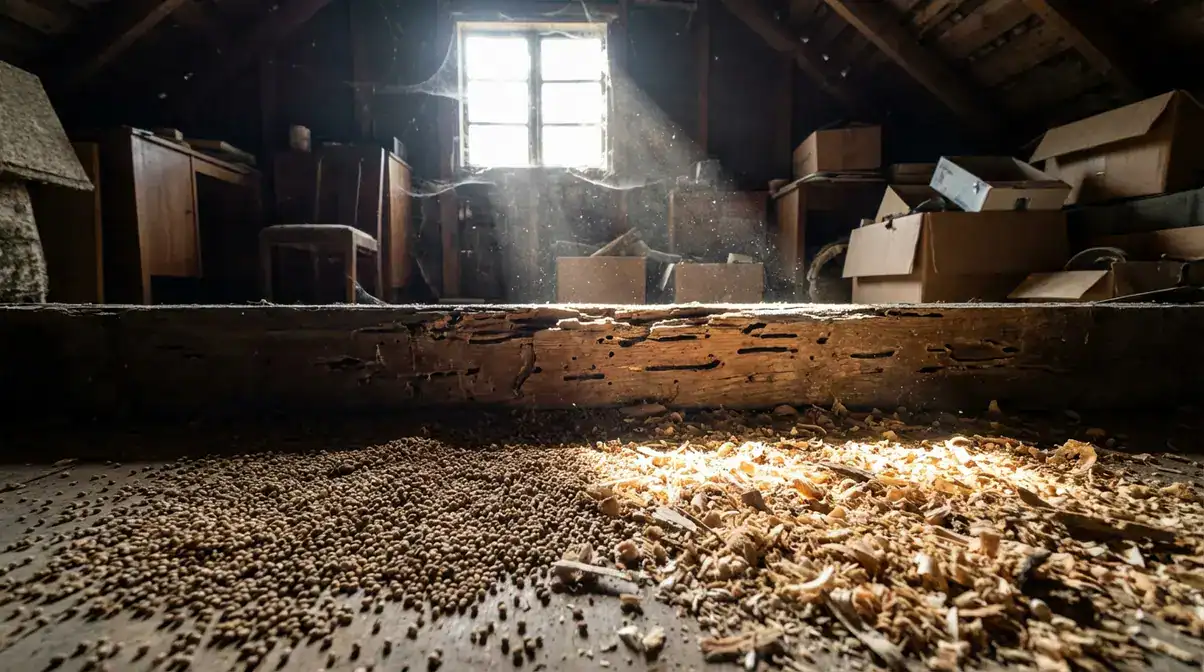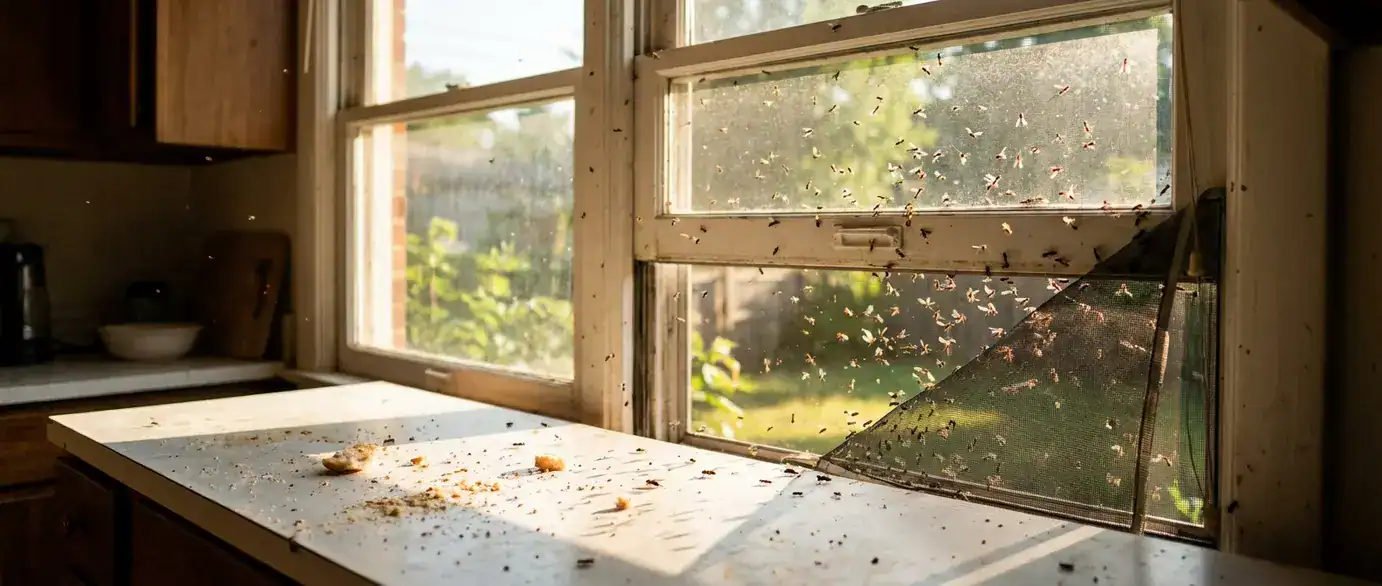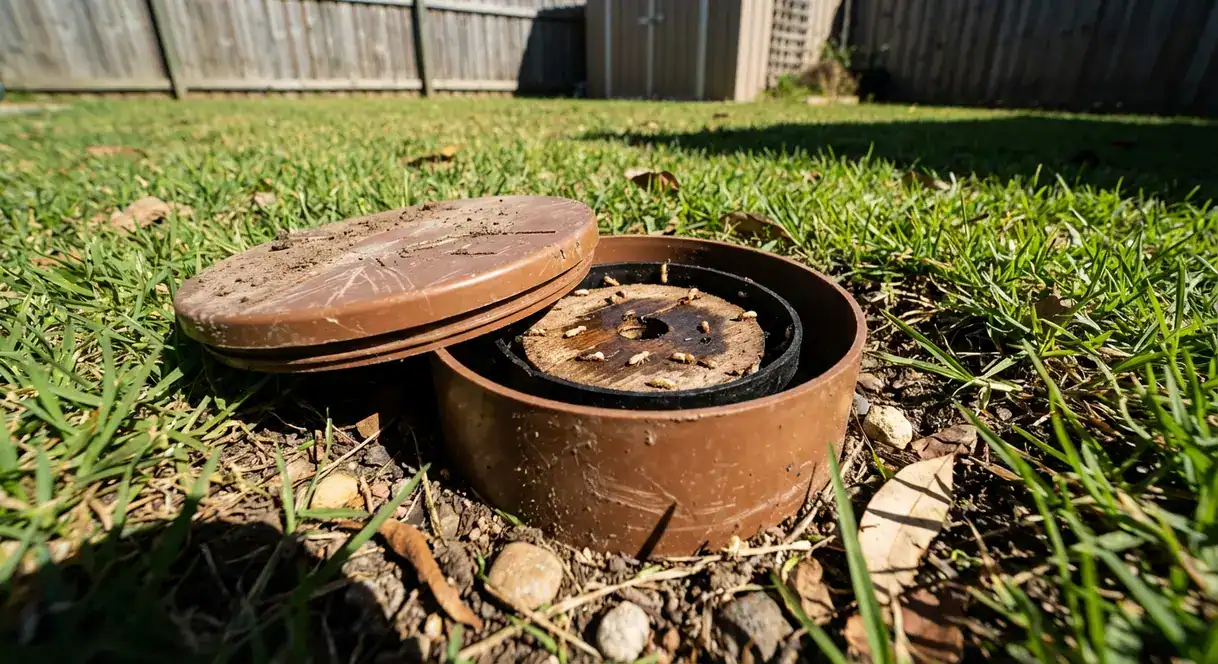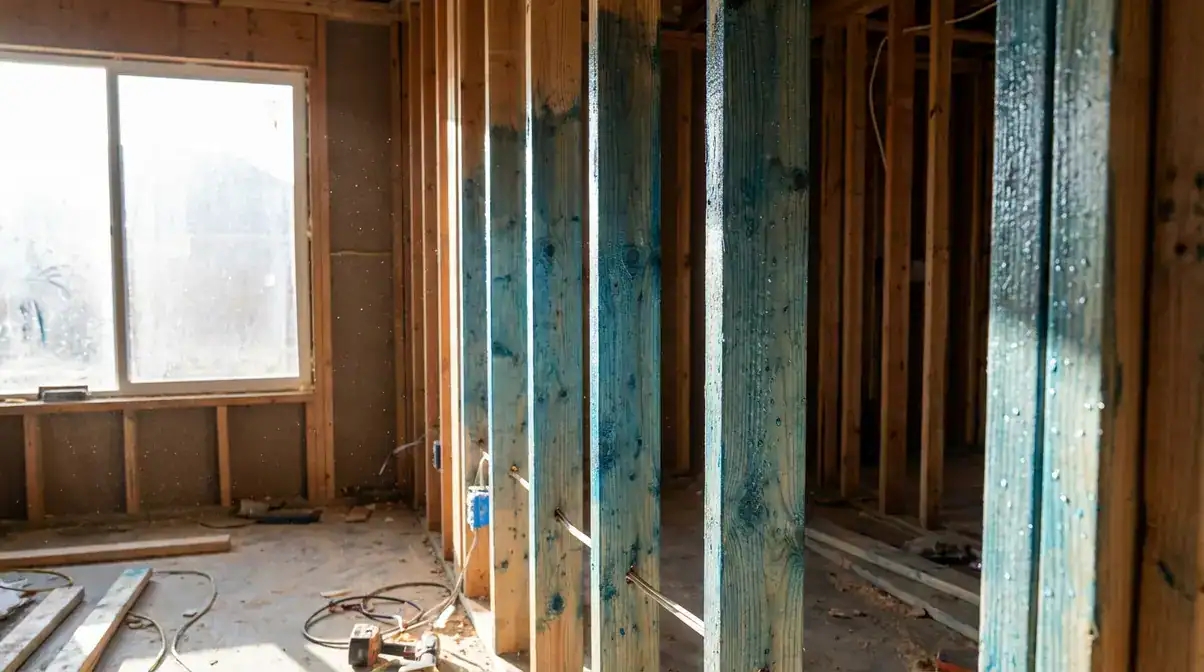
You’re standing in the middle of your dream renovation, walls stripped back to the studs, the classic smell of old timber and fresh-cut lumber in the air. But beneath the excitement lies a nagging fear: what if termites, powderpost beetles, or decay fungi are lurking unseen, ready to turn your investment into their next meal? This comprehensive bora care review is for every renovator who understands that the strongest homes are built on protected foundations, starting with the wood itself.
What is the verdict on Bora-Care for renovations?
Bora-Care is a highly effective and long-lasting wood preservative ideal for pre-treating exposed wood during renovations. Its unique formula penetrates deep into lumber to provide permanent protection against termites, carpenter ants, powderpost beetles, and decay fungi, making it one of the best wood treatment options available for preventative care.
What is Bora-Care, and How Does It Work?
Bora-Care is a professional-grade wood treatment product manufactured by Nisus Corporation. Unlike surface-level treatments that merely coat the wood, Bora-Care is formulated to be absorbed deep into the lumber, providing protection from the inside out. Its power comes from a patented blend of a borate salt- a mineral- and a unique glycol-based carrier.
The active ingredient is Disodium Octaborate Tetrahydrate (DOT), a borate compound with exceptionally low toxicity to humans and pets once dry. The magic, however, lies in the glycol penetrants. These agents act like a vehicle, carrying the borate deep into the wood’s cellular structure. While a simple borate powder mixed with water might only protect the surface, Bora-Care’s formula can diffuse up to two inches into dense structural wood.
Once inside the wood, the borate salt remains indefinitely. It doesn’t break down or volatilize over time. When a wood-destroying insect like a termite or powderpost beetle ingests the treated wood, the borate acts as a stomach poison, disrupting its digestive system and leading to starvation. For decay fungi, the borate inhibits the enzymes needed to break down wood fibers, effectively stopping rot before it can start. This is why understanding what is Bora Care used for is critical; it’s a permanent part of the wood’s defense system. Furthermore, its Bora-Care EPA registration (EPA Reg. No. 64405-1) solidifies its status as a trusted solution for indoor wood preservation.
The Core Benefits of Bora-Care for Renovations
When walls are open and structural wood is exposed, you have a once-in-a-generation opportunity to protect your home. The Bora-Care effectiveness in this scenario is unmatched for preventative treatment.
- Permanent, Long-Term Protection: Because the borate salt does not degrade, it lasts for the entire life of the wood. This isn’t a temporary chemical barrier; it’s a permanent fortification. This answers the critical question, “how long does Bora Care last?”- indefinitely.
- Deep Penetration: The glycol system allows Bora-Care to penetrate up to 2 inches into the wood, far deeper than most competing products. This ensures that even if the surface gets scuffed or nicked, the protective barrier remains intact within the wood.
- Broad-Spectrum Efficacy: Bora-Care is a comprehensive solution. It is lethal to a wide range of wood-destroying organisms, including subterranean termites, drywood termites, Formosan termites, carpenter ants, powderpost beetles (Lyctidae and Anobiidae), longhorn beetles (Cerambycidae), and ambrosia beetles (Scolytidae). Additionally, it prevents wood decay fungi like brown rot and white rot.
- Low Toxicity and Odor-Free: Once the treatment has dried, it is odorless and has a low toxicity profile for humans and mammals. This makes it an excellent choice for indoor applications, as there are no lingering chemical smells or off-gassing concerns.
- Cost-Effective Prevention: The cost of Bora Care treatment is a fraction of the price of repairing extensive termite or beetle damage. Treating exposed joists, studs, and subflooring during a remodel is a smart investment that pays for itself many times over.
The Definitive Bora-Care Application Guide
Understanding the application process of Bora-Care is straightforward, but precision is key to ensuring its full protective power. For most renovation pre-treatments, you will use a 1:1 dilution ratio.
Step 1: Prepare the Wood and Your Workspace
Before you begin, ensure the wood you are treating is raw and unfinished. Bora-Care cannot penetrate through paint, stain, varnish, or water sealants. If the wood is sealed, it must be sanded down to its raw state. Cover any surfaces you don’t want to be treated, such as concrete floors or drywall, with plastic sheeting.
Step 2: Mix the Solution Correctly
Bora-Care is thick like honey in its concentrated form. The standard mixing ratio for preventative treatment is one part hot water to one part Bora-Care concentrate.
- Pour one gallon of hot water (ideally above 100°F) into a clean 2-gallon bucket.
- Slowly add one gallon of Bora-Care concentrate to the hot water while mixing continuously with a paddle mixer attached to a drill.
- Continue mixing until the solution is uniform and clear. Using warm water is crucial; cold water will cause the borate to crystallize, making it impossible to spray.
Step 3: Apply the Solution
You have a few options for application, with a sprayer being the most efficient for large areas.
- Using a Sprayer: Pour the mixed solution into a hand-pump garden sprayer. Apply a generous, even coat to all exposed wood surfaces. The goal is to wet the surface to the point of runoff. For structural members like floor joists or wall studs, ensure you treat all accessible sides.
- Using a Brush or Roller: For smaller, more targeted areas, you can paint or roll the solution on. This method is excellent for treating the ends of freshly cut lumber or for application around delicate fixtures.
A single gallon of mixed 1:1 solution will treat approximately 800 square feet of wood surface area.
Step 4: Allow Proper Drying Time
Let the treated wood dry completely. This typically takes 24 to 48 hours, depending on humidity and airflow. Do not cover the treated wood with insulation or drywall until it is fully dry to the touch. This allows the glycol carriers to complete their job of diffusing the borate deep into the wood fibers.
Common Mistakes When Using Bora-Care (And How to Avoid Them)
While Bora-Care is a fantastic product, user error can compromise its effectiveness. Here are the most common mistakes when using Bora Care that renovators make.
- Applying to Sealed or Painted Wood: This is the number one mistake. Bora-Care must be applied to raw, unsealed wood. It has zero ability to penetrate paint, varnish, or even a water sealer. If your wood is finished, you must sand it first.
- Using Cold Water for Mixing: If you mix Bora-Care with cold water, it will turn into a clumpy, crystalline mess that will clog your sprayer and won’t absorb properly into the wood. Always use warm or hot water.
- Insufficient Application: A light mist is not enough. You need to apply the solution liberally until the wood is saturated and you see a slight runoff. Skimping on the product will result in shallow penetration and incomplete protection.
- Expecting an Instant Kill: Bora-Care is a preservative, not an instant-kill insecticide. Lab data shows it can take several days for insects to die after ingestion, and for deep larvae like powderpost beetles, it can take up to a month for the borate to diffuse deep enough to reach them. Patience is key; you may see evidence of activity for a few weeks post-treatment as the existing generation dies off.
Real-Life Case Studies: Bora-Care Before and After
The true measure of a product is found in Bora-Care user experiences. From historic restorations to modern renovations, the feedback is consistently positive when used correctly.
Case Study 1: The 1800s Farmhouse Restoration
A contractor restoring an 1800s post-and-beam farmhouse discovered evidence of old powderpost beetle damage in the main support beams. While the infestation was no longer active, he wanted to ensure the historic wood would be protected for another century. During the renovation, his team applied a 1:1 solution of Bora-Care to every exposed beam and joist. The treatment was absorbed cleanly, and once dry, a clear sealant was applied. The result: the structural integrity and historical character of the wood were preserved with permanent protection against future infestations.
Case Study 2: The Garage-to-Workshop Conversion
A homeowner converting his garage into a woodworking shop was concerned about termites, as his neighborhood was known for them. Before installing drywall and insulation, he treated all the wall studs, roof rafters, and the sill plate with a garden sprayer.
“My neighbor two doors down got hit with termites a year later and had a $2,000 treatment bill.
For me, the peace of mind is priceless. No signs of any wood-destroying pests in my shop.”
Bora-Care vs Other Wood Treatments: A Head-to-Head Comparison
When choosing among wood pre-treatment options, it’s essential to compare Bora-Care vs other wood treatments. Here’s how it stacks up against two common alternatives: Tim-Bor and liquid termiticides like Termidor.
| Feature | Bora-Care | Tim-Bor | Termidor (Fipronil) |
| Active Ingredient | Disodium Octaborate Tetrahydrate (with glycol) | Disodium Octaborate Tetrahydrate (powder) | Fipronil |
| Mechanism | Deep penetrating wood preservative (ingestion) | Surface-level wood preservative (ingestion) | Non-repellent contact insecticide (soil treatment) |
| Primary Use | Pre-treatment of raw wood for permanent protection | Surface treatment, dust for voids, foam applications | Creating a chemical barrier in the soil around a structure |
| Penetration Depth | Up to 2 inches | Surface only (approx. 1/4 inch) | N/A (treats soil, not wood directly) |
| Longevity | Life of the wood | Life of the wood (but only on the surface) | Up to 10 years in soil |
| Best For… | Renovations, new construction, log homes | Attic dusting, treating surface mold, budget surface spray | Treating active subterranean termite infestations |
The key takeaway is that Bora-Care and Termidor serve different purposes. Bora-Care protects the wood itself, while Termidor protects the structure by creating a deadly barrier in the soil. For renovations where the wood is already exposed, Bora-Care is the superior choice for direct Bora-Care wood preservation. Tim-Bor is a similar borate product but lacks the glycol penetrants, making it a surface treatment only. For true, deep-down protection, Bora-Care has the clear advantage.
Breaking Down the Cost of Bora-Care Treatment
The upfront cost of Bora-Care treatment may seem higher than some alternatives, but its long-term value is exceptional. A one-gallon jug of Bora-Care concentrate typically costs between $85 and $95.
Here’s a simple cost calculation:
- 1 gallon of Bora-Care concentrate + 1 gallon of water = 2 gallons of mixed solution.
- 2 gallons of mixed solution treats approximately 1,600 square feet of wood surface area.
- Cost per square foot: Approximately $0.05 – $0.06.
For a typical renovation project, such as finishing a 1,000 sq ft basement, you would likely need only one gallon of concentrate. For under $100, you can permanently protect the entire wooden structure of that space. When you consider that termite damage repair can easily run into thousands of dollars, the investment in Bora-Care is one of the wisest financial decisions you can make during a remodel.
Critical Safety Considerations When Using Bora-Care
While Bora-Care is considered a low-toxicity product, proper safety precautions are always necessary during application.
Personal Protective Equipment (PPE)
When mixing and spraying the solution, always wear:
- Long sleeves and pants
- Waterproof gloves
- Safety glasses or goggles
- A respirator or mask, especially when spraying in enclosed spaces like a crawlspace or attic.
Is Bora-Care Safe for Pets?
This is one of the most common questions. The answer is yes, Bora-Care is safe for pets once it has completely dried. During the application and drying phase (24-48 hours), pets should be kept out of the treated area. Once the water carrier has evaporated, the borate is locked into the wood fibers and is non-volatile, meaning it doesn’t release fumes into the air. If you plan to leave the wood exposed in an area accessible to pets, it is recommended to apply a topcoat sealant as an extra layer of precaution.
Environmental Impact
The environmental impact of using Bora Care is minimal compared to many synthetic pesticides. Borates are naturally occurring mineral salts. They are non-volatile and do not contaminate the air. Because they bind to the wood, there is very little risk of them leaching into the soil or groundwater, especially in indoor applications.
Common Questions About Bora-Care Review: Pre-Treating Wood for Renovations
How effective is Bora-Care for wood treatment against active infestations?
Bora-Care is highly effective, but it is not an instant-kill product. For active infestations, it works by killing the current generation as they ingest the wood and preventing future generations from surviving. It can take up to a month for the active ingredient to fully diffuse and eliminate deep larvae, so some signs of activity may persist for a short period after treatment.
Can Bora-Care be used indoors and is it safe?
Yes, Bora-Care can be used indoors and is specifically designed for this purpose. Its EPA registration covers indoor applications on raw wood surfaces. Once dry, it is odorless and has a very low toxicity profile, making it a safe and popular choice for treating wood inside living spaces during renovations.
How do you properly apply Bora-Care for the best results?
The best Bora-Care application involves mixing a 1:1 ratio of Bora-Care concentrate with hot water. Apply this solution to raw, unsealed wood using a sprayer, brush, or roller until the surface is saturated. Two coats are recommended for heavy infestations or very thick wood.
Are there any Bora-Care side effects to be aware of?
The primary side effect during application is potential skin or eye irritation, which can be prevented by wearing proper PPE. Once dry, there are no known long-term side effects or off-gassing. Some users note a temporary white, powdery residue on the wood as it dries, but this can be easily wiped off before sealing.
How does Bora-Care compare to other wood treatments like Tim-Bor?
Bora-Care’s main advantage over Tim-Bor is its patented glycol delivery system, which allows it to penetrate deep into the wood. Tim-Bor is a powder that forms a surface-level treatment. For lasting, in-depth protection against pests deep inside lumber, Bora-Care is the superior choice.
Is Bora-Care safe for pets and children after it dries?
Yes, once Bora-Care has fully dried and the borate is locked into the wood, it is considered safe for both pets and children. To be extra cautious in high-contact areas, you can apply a clear sealant over the treated wood after it has dried for 48 hours.
How long does Bora-Care last once applied to wood?
Bora-Care provides protection for the life of the wood. The active ingredient, a mineral salt, does not break down or degrade over time. As long as the wood is protected from continuous exposure to flowing water (which could slowly leach it out), the protection is permanent.
References & Expert Sources
-
- Nisus Corporation Bora-Care Product Page
- United States Environmental Protection Agency (EPA) Pesticide Registration Data
- DoMyOwn.com User Reviews and Forum Analysis
- California Department of Pesticide Regulation (DPR) Efficacy Study (2009)
- Reddit r/HomeImprovement Community Discussions
- Reddit r/pestcontrol Professional and DIY Forums
- U.S. Fish and Wildlife Service Environmental Impact Guidelines
Final Thoughts
In the world of home renovations, what you can’t see is often what matters most. Investing in structural protection is never glamorous, but it is the bedrock of a safe, durable, and valuable home. This Bora care review confirms that for any project involving exposed wood, applying Bora-Care is one of the smartest, most cost-effective preventative measures you can take. Its unique ability to penetrate deep into lumber and provide permanent, broad-spectrum protection against a host of wood-destroying organisms makes it an indispensable tool. By taking an afternoon to treat your home’s wooden skeleton, you are buying decades of peace of mind, ensuring your renovation masterpiece stands strong for generations to come.